
EI Premium Rates and Maximum 2026
In 2026 employees pay $1.63 per $100 of insurable earnings up to $68,900. Employers pay 1.4 times that, and Quebec workers pay a lower rate because of the QPIP.
Get started free➜ Download the app➜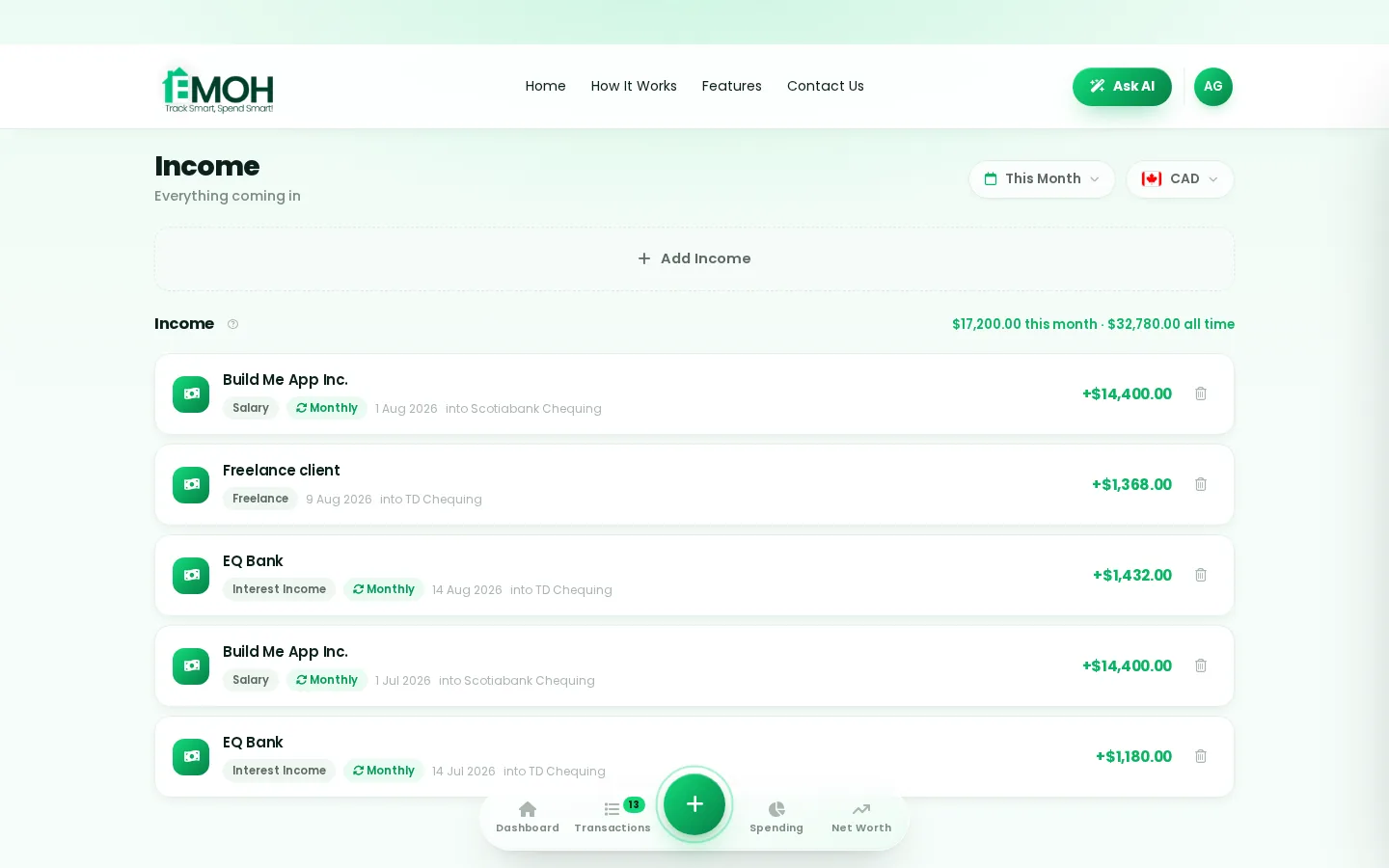
How much EI do I pay in 2026?
In 2026 you pay 1.63% of your insurable earnings in EI premiums, or $1.63 per $100, until your earnings reach $68,900. The most an employee outside Quebec pays for the year is $1,123.07. In Quebec the rate is 1.30%, to a maximum of $895.70. Employers pay 1.4 times the employee amount.
What is the EI premium rate for 2026?
The EI premium rate for 2026 is $1.63 per $100 of insurable earnings for employees outside Quebec, which is 1.63%. Employers pay 1.4 times the employee premium, or about $2.28 per $100. Premiums stop once your insurable earnings for the year reach $68,900, so the employee maximum is $1,123.07.
The Canada Employment Insurance Commission sets the EI premium rate each year so premiums cover the cost of the program over a seven-year period. By law the rate can only move by up to five cents a year, which is why it changes slowly.
| Outside Quebec | Quebec | |
|---|---|---|
| Maximum insurable earnings | $68,900 | $68,900 |
| Employee rate | 1.63% | 1.30% |
| Maximum employee premium | $1,123.07 | $895.70 |
| Employer rate (1.4 times) | about 2.28% | about 1.82% |
| Maximum employer premium | $1,572.30 | $1,253.98 |
Figures checked October 2026; confirm current amounts with the CRA's EI premium rates and maximums page.
What are the EI maximum insurable earnings for 2026?
The EI maximum insurable earnings for 2026 are $68,900, up from $65,700 in 2025. This is the most income on which you pay EI premiums in a year. The same figure caps your benefits: at 55% of insurable earnings, the 2026 maximum weekly EI benefit is $729.
The maximum is indexed each year to average wage growth. The table shows how the EI premium rate and the maximums have moved since 2020.
| Year | Maximum insurable earnings | Employee rate | Maximum employee premium | Maximum employer premium |
|---|---|---|---|---|
| 2020 | $54,200 | 1.58% | $856.36 | $1,198.90 |
| 2021 | $56,300 | 1.58% | $889.54 | $1,245.36 |
| 2022 | $60,300 | 1.58% | $952.74 | $1,333.84 |
| 2023 | $61,500 | 1.63% | $1,002.45 | $1,403.43 |
| 2024 | $63,200 | 1.66% | $1,049.12 | $1,468.77 |
| 2025 | $65,700 | 1.64% | $1,077.48 | $1,508.47 |
| 2026 | $68,900 | 1.63% | $1,123.07 | $1,572.30 |
| 2027 | $70,800 | 1.64% | $1,161.12 | $1,625.57 |
The 2027 figures come from the Canada Employment Insurance Commission's September 2026 announcement and take effect on January 1, 2027.
How much EI do I pay? Worked examples
To work out how much EI you pay, multiply your insurable earnings by 1.63%, stopping at $68,900. There is no basic exemption, so EI starts with your first dollar of pay. Anyone earning $68,900 or more pays the $1,123.07 maximum, and your employer adds 1.4 times your premium on top.
- Salary of $45,000 outside Quebec: $45,000 times 1.63% is $733.50 for the year.
- Your employer pays 1.4 times that: $733.50 times 1.4 is $1,026.90.
- Salary of $90,000: premiums stop at $68,900, so you pay the maximum of $1,123.07, usually reached in the autumn.
- Salary of $45,000 in Quebec: $45,000 times 1.30% is $585.00.
| Salary | Outside Quebec (1.63%) | Quebec (1.30%) |
|---|---|---|
| $30,000 | $489.00 | $390.00 |
| $45,000 | $733.50 | $585.00 |
| $60,000 | $978.00 | $780.00 |
| $68,900 or more | $1,123.07 | $895.70 |
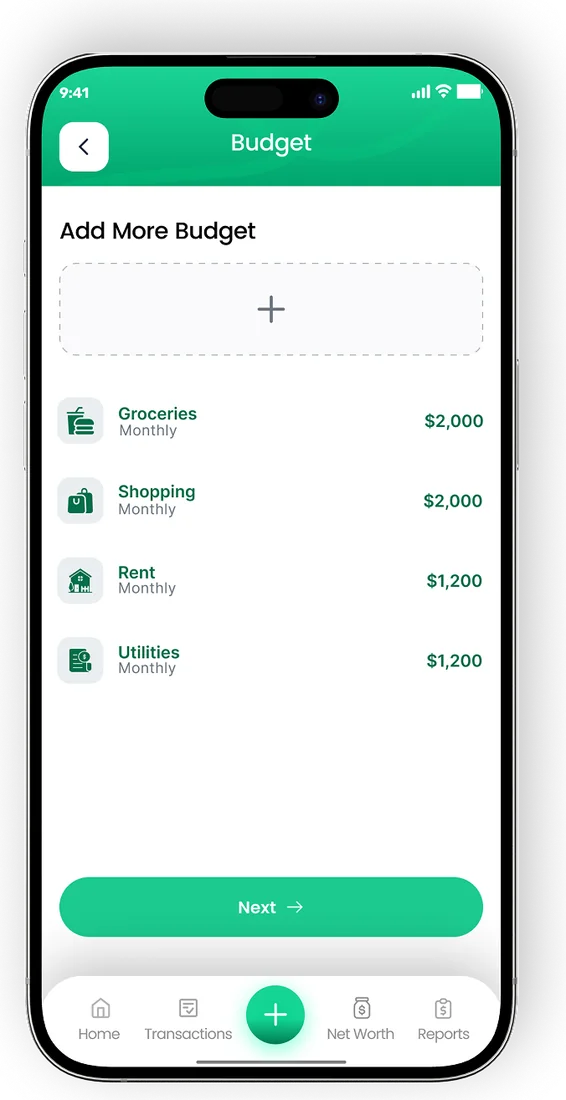
Your pay stub shows EI with each pay, alongside CPP and income tax. To see all three for your own salary and pay frequency, use the paycheque calculator. Once you reach the maximum, the EI line disappears and your take-home pay rises for the rest of the year. EMOH Pay's budgets let you plan for that bump instead of letting it vanish into spending.
Track every paycheque
- Add each income source in seconds
- See income against spending every month
- Plan from your real take-home pay


Why is the EI rate lower in Quebec?
The EI rate is lower in Quebec because the province runs its own Québec Parental Insurance Plan (QPIP), which pays maternity, paternity and parental benefits instead of EI. Quebec workers pay QPIP premiums to the province, so federal EI premiums are reduced: 1.30% in 2026 instead of 1.63%.
The maximum insurable earnings are the same in Quebec and the rest of Canada. Quebec payroll also has its own pension plan, covered on our page on CPP contribution rates, which explains the QPP difference.
Do self-employed people pay EI premiums?
Self-employed people do not pay EI premiums unless they sign an agreement to join the program for special benefits such as maternity, parental, sickness and caregiving benefits. If you opt in, you pay only the employee rate, $1.63 per $100 up to $1,123.07 in 2026, through your tax return on Schedule 13.
Once you have received benefits as a self-employed participant, you must keep paying premiums for as long as you are self-employed. Weigh that before signing up.
What do EI premiums pay for?
EI premiums fund regular benefits if you lose your job, plus special benefits for illness, caring for a family member and, outside Quebec, maternity and parental leave. To estimate a claim, try the EI benefits calculator or the maternity leave calculator. For when benefits are paid, see EI payment dates.
Your income in EMOH Pay

Put the numbers on autopilot
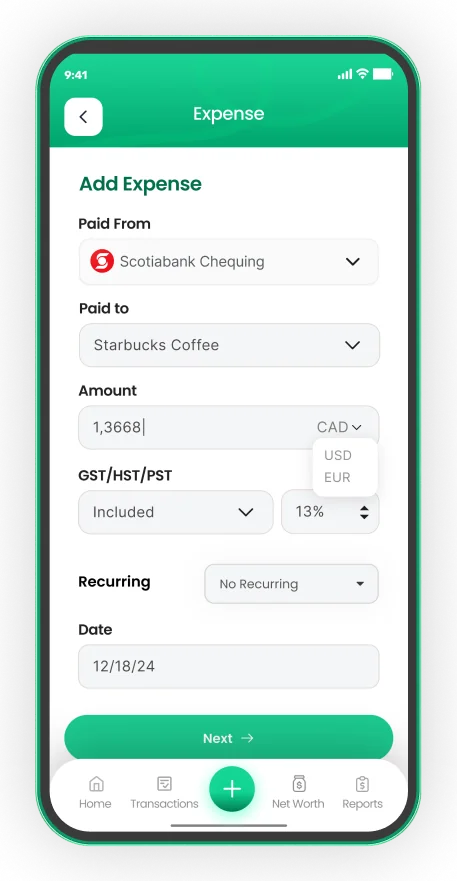
EMOH Pay tracks your spending, budgets and net worth on your phone and in the browser, always in sync. Free to start, made in Canada.
Get started free➜EI Premium Rates and Maximum 2026: frequently asked questions
What is the maximum EI premium for 2026?
The maximum employee EI premium for 2026 is $1,123.07 outside Quebec and $895.70 in Quebec. Employers pay up to $1,572.30 and $1,253.98 per employee.
Do I get EI back if I overpaid after changing jobs?
Yes. Each employer deducts EI separately, so changing jobs can push you over the maximum. The CRA refunds the overpayment when you file your income tax and benefit return.
Is there a basic exemption for EI like CPP?
No. EI premiums apply from the first dollar of insurable earnings, unlike CPP, which exempts the first $3,500 of earnings.
What will the EI rate be in 2027?
The Canada Employment Insurance Commission set the 2027 rate at $1.64 per $100 for employees outside Quebec and $1.29 in Quebec, with maximum insurable earnings of $70,800.
Are EI premiums tax deductible?
Employee EI premiums give you a federal non-refundable tax credit on your return. The amount is calculated from your premiums, and your T4 slip shows what you paid.
Related guides and tools
Paycheque calculator for Canada: enter gross pay per cheque, pay frequency and province to see income tax, CPP, EI and your…
EI Benefits Calculator 2026Free EI calculator for 2026. Estimate your weekly Employment Insurance benefit at 55% of insurable earnings, the maximum and…
EI Payment Dates: When Does EI Pay?EI payment dates explained: when your first Employment Insurance payment arrives, how biweekly reports set your pay day and…
CPP Contribution Rates and Maximum 2026CPP contribution rates for 2026: 5.95% up to the $74,600 YMPE, plus 4% CPP2 up to $85,000. See the maximums, self-employed…
Maternity Leave Calculator Canada (2026)Free maternity leave calculator for Canada. Estimate weekly EI maternity and parental pay for 2026 and compare the standard…
Income Tax Calculator Canada 2026Estimate your 2026 Canadian income tax, CPP, EI and take-home pay in every province and territory, with federal and…
Start free today
Free on iPhone, Android and the web. Upgrade to EMOH Pro anytime for advanced AI and unlimited family sharing.
Download for iOS➜ Get it on Android➜