
EI Payment Dates: When Does EI Pay?
EI has no fixed calendar date. Your pay day depends on when you file your claim and when you submit each biweekly report. Here is how the timing works.
Get started free➜ Download the app➜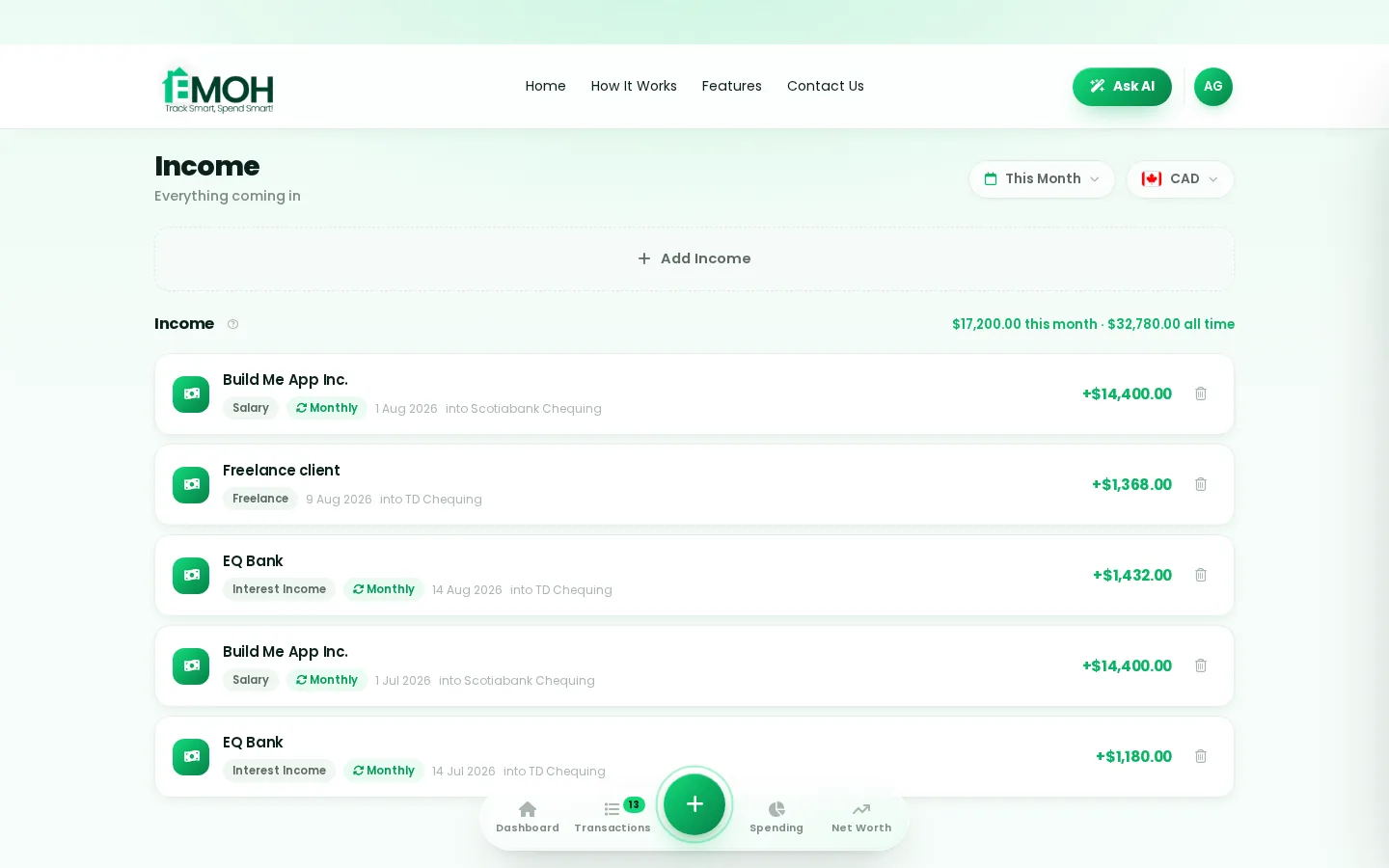
When will I receive my EI payment?
If you qualify, your first EI payment usually arrives within 28 days of Service Canada receiving your application. After that, EI pays every two weeks, once you submit your biweekly report. With direct deposit, the money typically arrives within about two business days of the report. There is no single national EI pay date.
How EI payment dates work
EI payment dates are personal, not national. Employment Insurance pays you for two-week periods, and each payment is released after you complete the biweekly report for that period. So your pay day falls a day or two after the day you file your report, not on a date set for everyone.
This is different from the CPP, OAS and GST/HST credit, which follow published calendars. If you are used to those, see our CPP payment dates guide for comparison.
| Stage | What happens | Typical timing |
|---|---|---|
| Apply | You submit your EI application online | As soon as you stop working |
| Waiting period | The first week of an eligible claim is usually unpaid | Week 1 |
| Decision and first payment | Service Canada reviews your claim and Record of Employment | Within about 28 days of applying |
| Biweekly reports | You confirm your availability and any earnings | Every 14 days |
| Each deposit | Payment is released after the report is processed | About 2 business days after reporting, by direct deposit |
When does EI pay the first time?
EI pays the first time within about 28 days of Service Canada receiving your application, if you are eligible and your file is complete. Many claimants are paid sooner. The clock starts on the day your application is received, so apply as soon as you stop working, even if your Record of Employment has not arrived yet.
Your first deposit may look small or may cover less than two weeks, because the one-week waiting period is unpaid. You can check the status of your claim, your access code and payment details in My Service Canada Account.
How biweekly reports control when EI pays
Every two weeks you must complete a report confirming you were available for work and declaring any money you earned. Service Canada tells you when each report opens. You can submit through the Internet Reporting Service or by phone using the access code from your benefit statement.
- Wait until your report opens at the end of the two-week period.
- Log in to the Internet Reporting Service or call the Telephone Reporting Service.
- Answer each question accurately, including gross earnings for the week you worked them, not the week you were paid.
- Note the confirmation number at the end.
- Expect your deposit within about two business days if you use direct deposit, longer by cheque.
Filing on the first day your report opens gives you the earliest possible pay day. Filing late delays the payment, and missing reports can stop your claim.
Track every paycheque
- Add each income source in seconds
- See income against spending every month
- Plan from your real take-home pay


Why is my EI payment late?
An EI payment is usually late for one of a few reasons. Most can be fixed from My Service Canada Account or with one call to Service Canada.
- Missing Record of Employment. Your employer must issue an ROE. If it is missing, your claim may wait until it arrives.
- Report not submitted. No report means no payment for that period.
- Answers that need review. Reporting earnings, travel or training can trigger a manual check.
- Holidays. Statutory holidays can add a business day to processing and deposit.
- Cheque instead of direct deposit. Mail adds several days. Switch to direct deposit in My Service Canada Account.
How much will each EI payment be?
Regular EI benefits pay 55% of your average insurable weekly earnings, up to a yearly maximum that is set every January. Income tax is withheld from each payment, and money you earn while on claim can reduce your benefit.
Rather than repeat the formula here, use our EI benefits calculator to estimate your weekly amount. If you are expecting a baby, the maternity leave calculator covers maternity and parental benefits.
Budgeting on EI: making biweekly payments last
EI replaces only part of your pay, and the first month can be tight while you wait for the first deposit. A short plan makes the gap easier.
- Cover the first month from savings. This is what an emergency fund is for. Our emergency fund guide shows how much to keep.
- Match bills to deposits. Ask lenders to move due dates to just after your usual deposit day.
- Cut to essentials fast. Pause subscriptions and non-essential spending in week one, not week six.
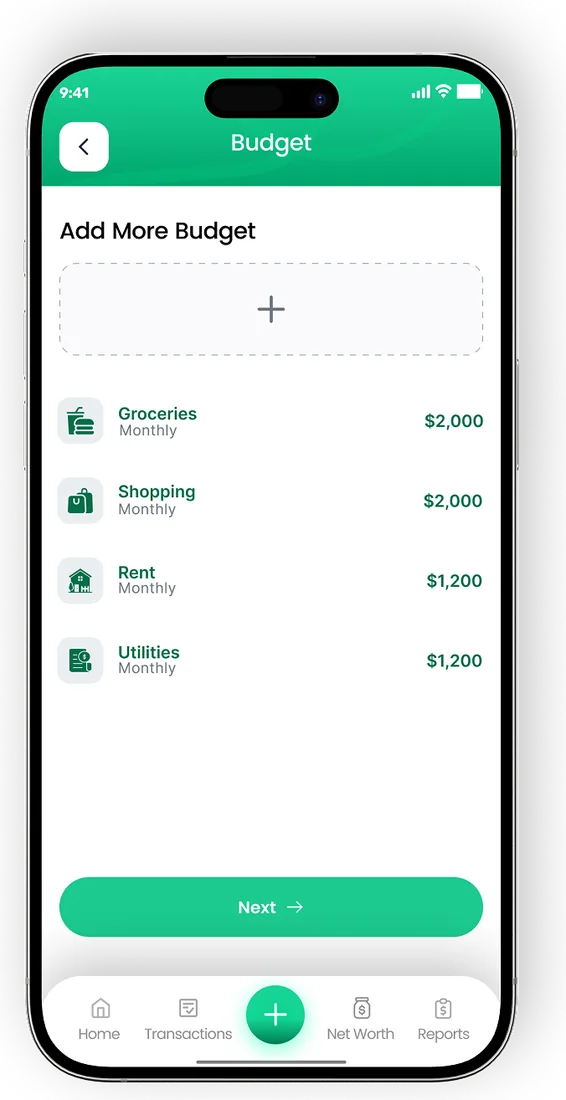
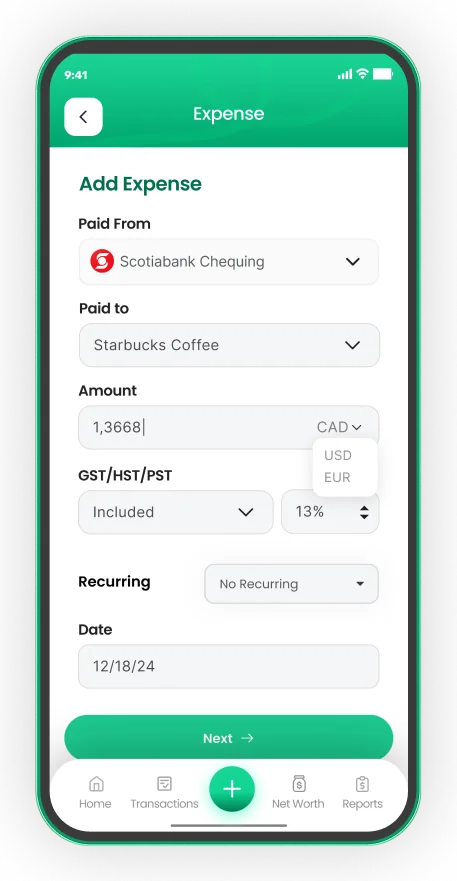
- Track every dollar. EMOH Pay is free on iPhone, Android and the web. Budgets with overspend alerts show what is left before the next deposit. Our guide to living paycheck to paycheck has more ideas.
EI income is taxable, so also check your year-end position against the tax filing deadline dates in case you owe a balance.
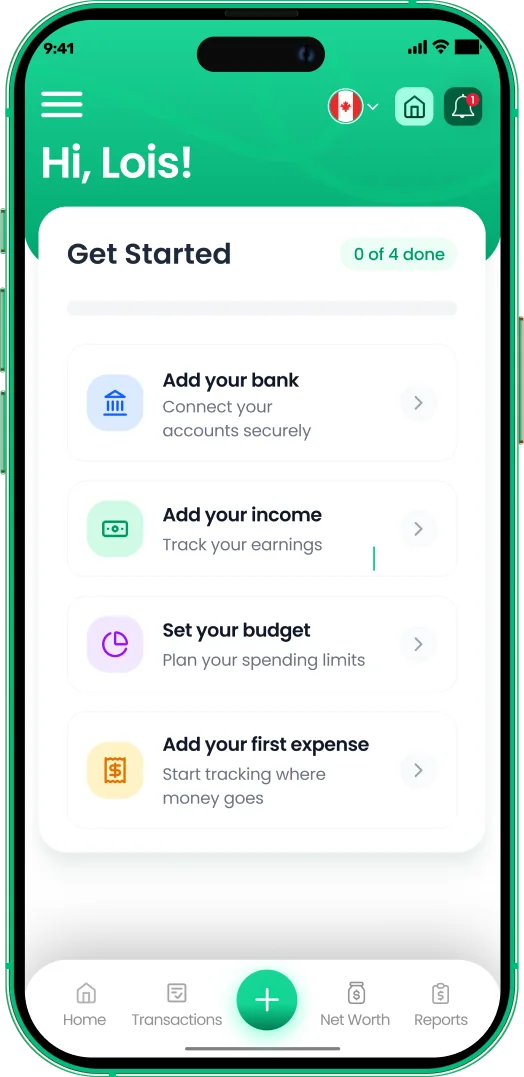
Your income in EMOH Pay
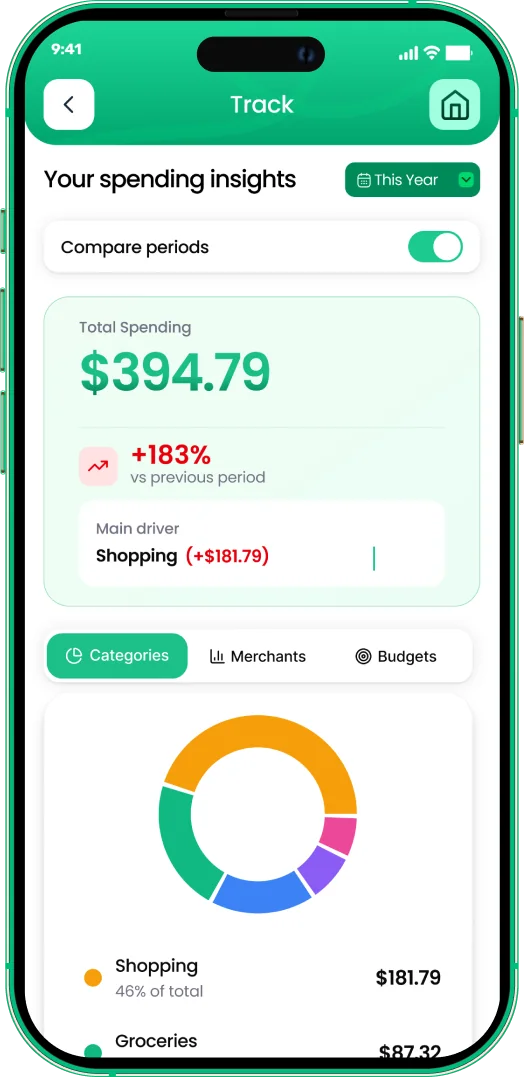

Put the numbers on autopilot
EMOH Pay tracks your spending, budgets and net worth on your phone and in the browser, always in sync. Free to start, made in Canada.
Get started free➜EI Payment Dates: When Does EI Pay?: frequently asked questions
What day of the week does EI pay?
There is no fixed day. EI pays after you complete each biweekly report, usually within about two business days by direct deposit. If you always report on the same day, your deposit tends to land on the same weekday.
Does EI pay on holidays?
Deposits are not processed on statutory holidays, so a payment due on a holiday usually arrives the next business day.
How long does it take to get EI after filing a report?
With direct deposit, typically about two business days after your report is processed. Payments by cheque take longer because of mail time.
Can I get EI if my Record of Employment is late?
Apply anyway. Service Canada can ask your employer for the ROE, and applying promptly protects the start date of your claim.
Is EI paid weekly or every two weeks?
Every two weeks. Each payment covers the two weeks in your latest biweekly report, although benefits are calculated as a weekly rate.
Sources and further reading
Related guides and tools
Free EI calculator for 2026. Estimate your weekly Employment Insurance benefit at 55% of insurable earnings, the maximum and…
Tax Filing Deadline Canada 2026Tax deadline Canada 2026: 30 April for most people, 15 June for the self-employed. See every filing, payment and instalment…
Maternity Leave Calculator Canada (2026)Free maternity leave calculator for Canada. Estimate weekly EI maternity and parental pay for 2026 and compare the standard…
Emergency Fund GuideAn emergency fund is 3–6 months of essential expenses in cash — the buffer that turns a crisis into an inconvenience. Free…
CPP Payment Dates 2026CPP payment dates 2026 for every month, with the next deposit on 28 October. See when CPP is paid, what to do if it is late…
Living Paycheck to Paycheck: How to Break the CycleLiving paycheck to paycheck is stressful but fixable. Learn why it happens, the first steps to take, how to build a small…
Start free today
Free on iPhone, Android and the web. Upgrade to EMOH Pro anytime for bank sync and advanced AI.
Download for iOS➜ Get it on Android➜