
EI Benefits Calculator 2026
Enter your average weekly earnings and the number of weeks to see your estimated weekly EI benefit, the 2026 maximum and your total before tax.
Use the calculator➜ Try EMOH Pay free➜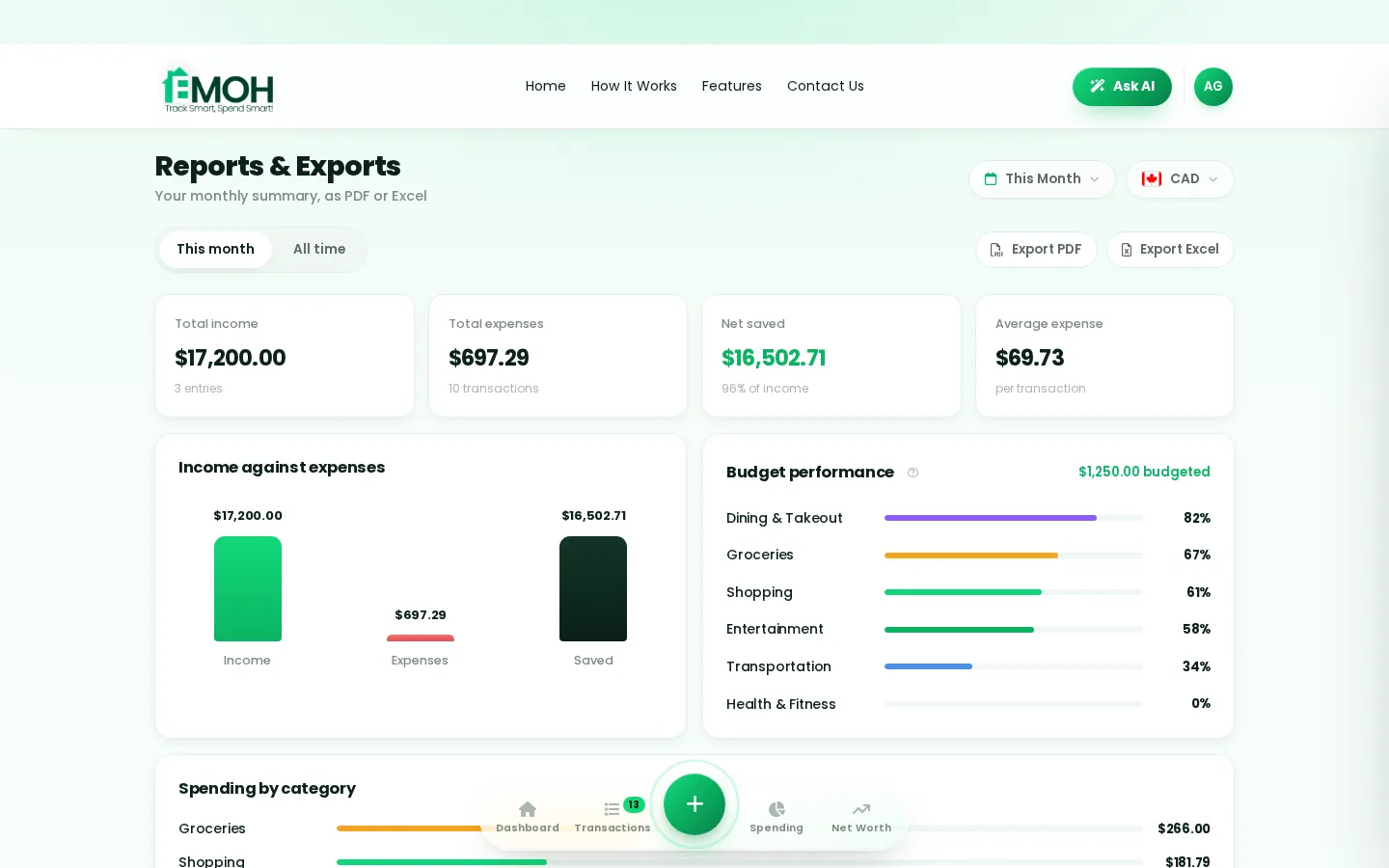
How much EI will I get?
EI regular benefits pay 55% of your average insurable weekly earnings, up to a maximum of about $729 a week in 2026. If you earned $1,000 a week, you would get about $550 before tax. Benefits last between 14 and 45 weeks, depending on the hours you worked and your region's unemployment rate.
How the EI calculator works
This EI calculator estimates Employment Insurance regular benefits, the payments for people who lose a job through no fault of their own. It multiplies your average insurable weekly earnings by 55%, caps the result at the 2026 maximum and multiplies by the number of weeks you expect to claim.
Service Canada makes the final decision on every claim. Treat the result as a planning number for your budget while you wait for your first payment.
- Average insurable weekly earnings (best weeks). Add up your gross pay for your best-paid weeks in the qualifying period and divide by the number of weeks. Service Canada uses your best 14 to 22 weeks, depending on your region's unemployment rate.
- Weeks of benefits (14 to 45). Enter how long you expect to claim. The maximum you can receive depends on your insurable hours and the regional unemployment rate.
- Read the results. You see your weekly benefit before tax, the total over the weeks you entered and the 2026 weekly maximum.
What is the maximum EI payment in 2026?
The maximum EI payment in 2026 is about $729 a week before tax. It comes from the maximum insurable earnings of $68,900 a year, divided by 52 weeks and multiplied by 55%. Anyone earning about $1,325 a week or more receives the same maximum, whatever their salary.
That cap matters for budgeting. On a $90,000 salary, EI replaces only about 42% of your gross pay, not 55%, because earnings above $68,900 are not insured.
| Annual salary | Average weekly earnings | Weekly EI benefit |
|---|---|---|
| $35,000 | about $673 | about $370 |
| $45,000 | about $865 | about $476 |
| $55,000 | about $1,058 | about $582 |
| $68,900 or more | about $1,325 or more | about $729 (maximum) |
EI is taxable income. Federal tax is withheld from each payment, so what arrives in your account is less than the figures above. You may also owe more or get a refund when you file.
Who qualifies for EI regular benefits?
You generally qualify for EI regular benefits if you lost your job through no fault of your own, worked enough insurable hours in the last 52 weeks and are ready and able to work. Most people need between 420 and 700 hours, depending on where they live.
- Insurable hours. The number needed depends on the unemployment rate in your EI economic region. Higher unemployment means fewer hours required.
- Reason for leaving. Layoffs, shortage of work and the end of a contract usually qualify. Quitting without just cause or dismissal for misconduct usually does not.
- Record of Employment. Your employer issues an ROE to Service Canada. Apply online as soon as you stop working and no later than four weeks after your last day.
- Bi-weekly reports. You must complete a report every two weeks to keep receiving payments.
There is a one-week waiting period at the start of most claims, with no benefits paid for that week. Severance and vacation pay received when you leave can also delay when payments start.

Track every paycheque
- Add each income source in seconds
- See income against spending every month
- Plan from your real take-home pay


Other types of EI benefits
Regular benefits are only one part of Employment Insurance. Special benefits use the same 55% rate and cap, but they need 600 insurable hours rather than a regional figure, and their durations are fixed.
| Benefit | Who it is for | Maximum length |
|---|---|---|
| Regular | Job loss through no fault of your own | 14 to 45 weeks |
| Sickness | Unable to work due to illness or injury | Up to 26 weeks |
| Maternity | Birth parents, before or after birth | Up to 15 weeks |
| Parental | Parents caring for a newborn or adopted child | Up to 40 weeks standard or 69 extended, shared |
| Compassionate care | Caring for someone at significant risk of death | Up to 26 weeks |
Planning a leave for a new baby? Our maternity leave calculator shows maternity and parental benefits together. Quebec residents claim maternity and parental benefits through the Quebec Parental Insurance Plan instead.
Working while on EI and repaying benefits
You can work part-time while on EI. Under the current rules you keep 50 cents of benefits for every dollar you earn, up to 90% of your previous weekly earnings. Above that, benefits drop dollar for dollar. Report all earnings on your bi-weekly report.
Higher earners may have to repay part of their regular benefits at tax time. If your net income for the year is above 1.25 times the maximum insurable earnings, about $86,000 for 2026, you repay 30% of the lesser of the excess or the regular benefits received. First-time claimants and special benefits are generally exempt. Check your notice of assessment for the exact amount.
How to budget while on EI
Losing up to half your income overnight calls for a new plan. Cut back to essentials, pause contributions you can restart later and call lenders early if a payment will be tight. An emergency fund of three to six months of expenses is what bridges the gap before benefits start.
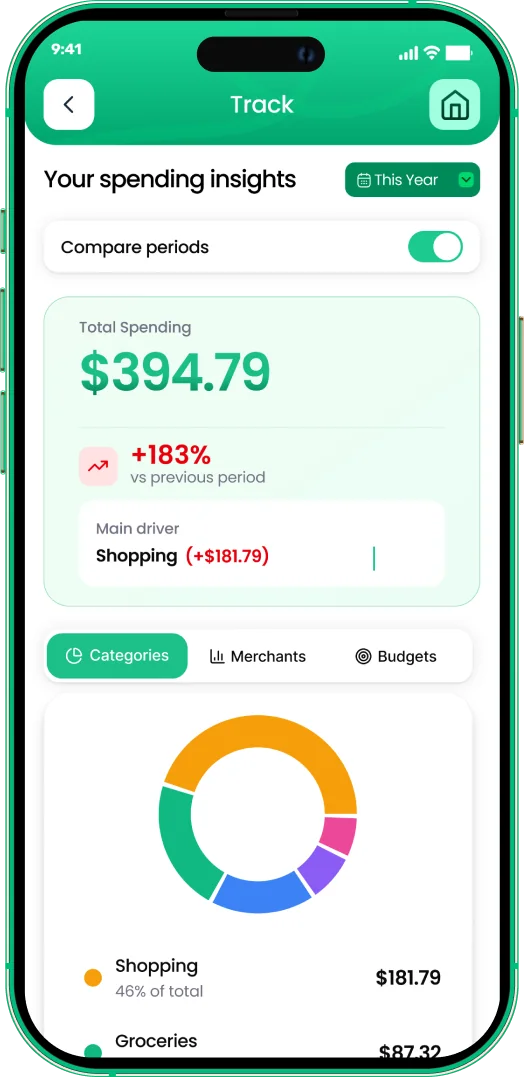
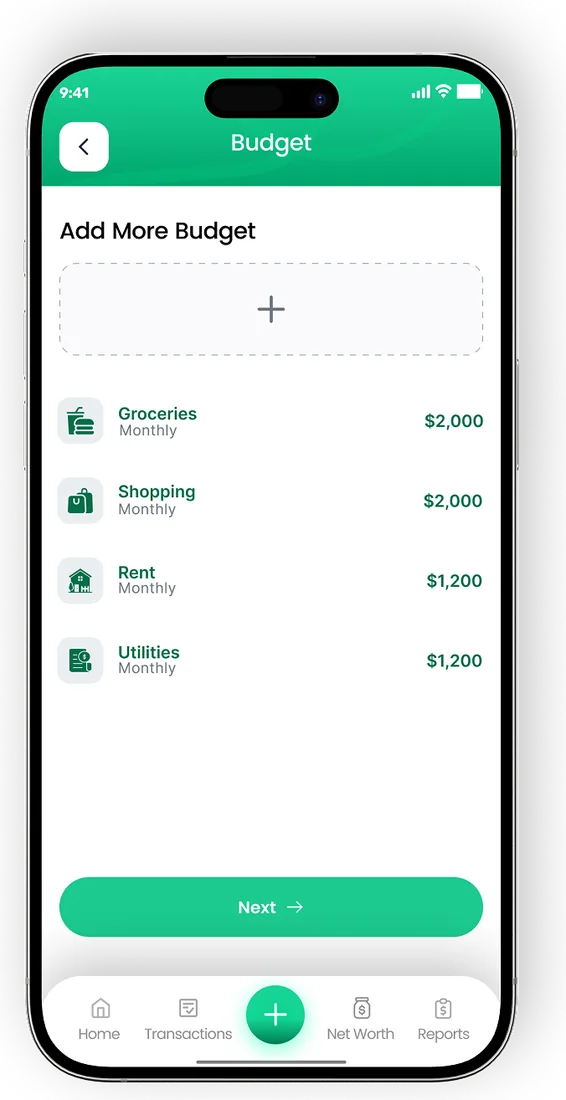
EMOH Pay's features include budgets with overspend alerts, bill tracking and a daily money digest, which help when every dollar counts. It is free to start on iPhone, Android and the web. Check the next deposit on our EI payment dates guide, and use the budget calculator to rebuild your plan around your benefit.
Your income in EMOH Pay
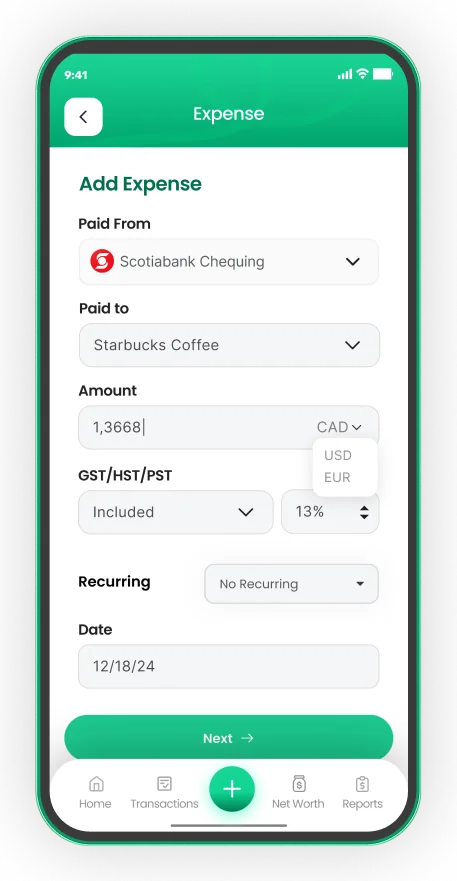

Put the numbers on autopilot
EMOH Pay tracks your spending, budgets and net worth on your phone and in the browser, always in sync. Free to start, made in Canada.
Get started free➜EI Benefits Calculator 2026: frequently asked questions
Is EI 55% of gross or net pay?
Gross. EI pays 55% of your average insurable weekly earnings before tax, up to the yearly maximum. Tax is then withheld from each benefit payment.
How long does EI last?
Regular benefits last between 14 and 45 weeks, depending on how many insurable hours you worked and the unemployment rate in your region when you apply.
How long does it take to get my first EI payment?
Service Canada aims to pay within about 28 days of receiving a complete application. Apply as soon as you stop working, even if your Record of Employment is not ready yet.
Can I get more than 55%?
Low-income families with children may qualify for the Family Supplement, which can raise the rate up to 80% of insurable earnings. It is added automatically if you qualify.
Is EI taxable?
Yes. EI benefits are taxable income. You receive a T4E slip after the year ends and include it on your tax return.
Sources and further reading
Related guides and tools
EI payment dates explained: when your first Employment Insurance payment arrives, how biweekly reports set your pay day and…
Maternity Leave Calculator Canada (2026)Free maternity leave calculator for Canada. Estimate weekly EI maternity and parental pay for 2026 and compare the standard…
Emergency Fund Calculator — Free CalculatorYour emergency fund target is 3–6 months of essential expenses. Enter monthly essentials below for your range. Free…
Income Tax Calculator Canada 2026Estimate your 2026 Canadian income tax, CPP, EI and take-home pay in every province and territory, with federal and…
50/30/20 Budget CalculatorThe 50/30/20 rule splits after-tax income: 50% to needs, 30% to wants, 20% to savings. Enter your monthly take-home pay to…
EMOH Pay Features — Budgets, Tracking, AI & MoreAll EMOH Pay features: expense tracking, budgets, net worth, Ask AI, family sharing, GST/HST, multi-currency and more. Free…
Start free today
Free on iPhone, Android and the web. Upgrade to EMOH Pro anytime for bank sync and advanced AI.
Download for iOS➜ Get it on Android➜