
Maternity Leave Calculator Canada (2026)
Enter your average weekly earnings and choose standard or extended parental leave to see your weekly mat leave pay and your total over the whole leave.
Use the calculator➜ Try EMOH Pay free➜
How much will I get on mat leave?
On mat leave outside Quebec, EI pays 55% of your average weekly insurable earnings for up to 15 weeks of maternity benefits, to a 2026 maximum of about $729 a week. Parental benefits then pay 55% for up to 35 weeks on the standard option, or 33% for up to 61 weeks on the extended option.
How the maternity leave calculator works
This maternity leave calculator estimates EI maternity and parental benefits for parents outside Quebec. It takes your average weekly earnings, caps them at the 2026 maximum insurable earnings of $68,900 a year, then applies the benefit rate for each part of the leave.
Maternity benefits are for the birth parent and cover recovery from childbirth. Parental benefits are for caring for the baby and can be taken by either parent or shared. The calculator shows both, plus the total for the full leave.
- Average weekly earnings. Use your gross weekly pay. Service Canada averages your best-paid weeks in the qualifying period, so a recent raise may not count fully.
- Parental option. Choose standard (35 weeks at 55%) or extended (61 weeks at 33%). You pick one when you apply and cannot switch once parental payments start.
- Read the results. You see the weekly maternity benefit for 15 weeks, the weekly parental benefit and the total before tax.
Standard vs extended parental leave: which pays more?
Extended parental leave pays slightly more in total but much less each week. The same money is stretched over 61 weeks instead of 35, so the weekly benefit drops from 55% to 33% of your earnings. Most families choose based on how long they want to be home and what their budget can absorb each month.
| Standard option | Extended option | |
|---|---|---|
| Maternity benefit (15 weeks) | $605 a week | $605 a week |
| Parental benefit | $605 a week for 35 weeks | $363 a week for 61 weeks |
| Total leave length | 50 weeks | 76 weeks |
| Total benefits | about $30,250 | about $31,220 |
| Average per month of leave | about $2,630 | about $1,780 |
At the maximum insurable earnings, the weekly benefit is about $729 at 55% and about $437 at 33%. Anyone earning more than about $1,325 a week receives those maximums, so higher earners replace a smaller share of their pay.
Mat leave pay in Canada: rules to know
- Eligibility. You need at least 600 insurable hours in the 52 weeks before your claim, or since your last claim. Self-employed people can opt in to special benefits in advance.
- When it starts. Maternity benefits can begin up to 12 weeks before your due date and end up to 17 weeks after the birth.
- Waiting period. Most claims have a one-week unpaid waiting period. When parents share parental leave, only one waiting period applies.
- Sharing bonus. When both parents share parental benefits, the total rises to 40 weeks on the standard option or 69 weeks on the extended option. One parent cannot take more than 35 or 61 weeks.
- Tax. Benefits are taxable. Federal tax is withheld at source and you receive a T4E slip for your tax return.
Track every paycheque
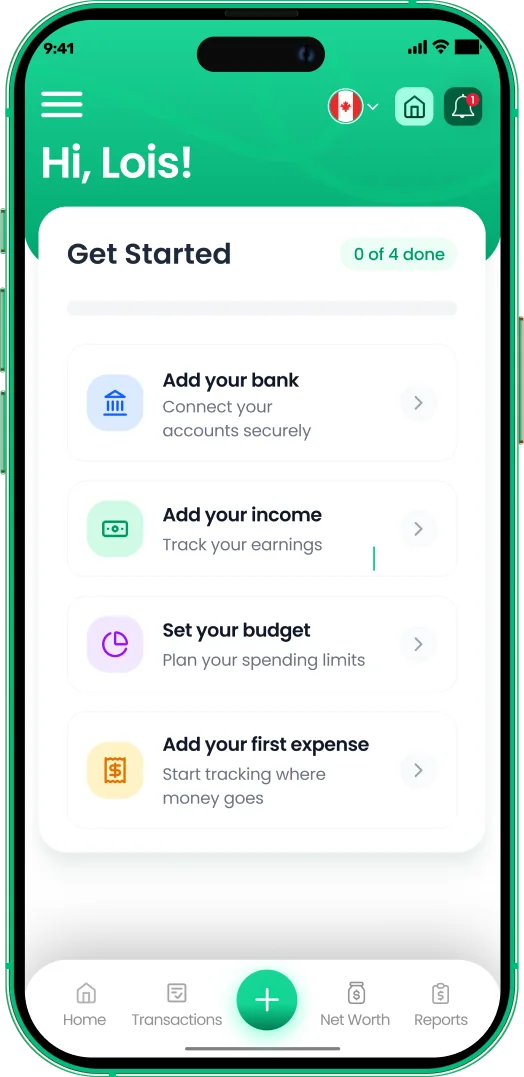
- Add each income source in seconds
- See income against spending every month
- Plan from your real take-home pay


Maternity leave in Quebec: QPIP
Quebec parents do not receive EI maternity or parental benefits. They claim through the Quebec Parental Insurance Plan (QPIP), which has its own rules, higher replacement rates and a higher ceiling on insured earnings. There is no waiting period.
Under QPIP's basic plan, the birth parent receives up to 18 weeks of maternity benefits at 70% of average weekly earnings. A special plan pays a higher rate over fewer weeks. Parental and paternity weeks follow, with extra weeks when parents share. This calculator does not model QPIP, so use the Quebec government's tools for exact figures.
Employer top-ups and other income during your leave
Many employers offer a top-up, often called a supplemental unemployment benefit plan, that raises your income to a set share of your salary for part of the leave. Check your employment contract or collective agreement early, because top-ups often require you to return to work for a period afterward.
Your baby also brings new benefits. The Canada Child Benefit starts after you register the birth and apply, and it is tax-free. Our Canada Child Benefit calculator estimates the monthly amount, and the CCB payment dates guide shows when it arrives.
How to budget for maternity and parental leave
Start saving the gap before the baby arrives. Work out your monthly take-home pay now, compare it with the estimate above, and bank the difference for a few months. That trial run shows whether your budget works on leave income.
- Estimate your leave income with the calculator, then subtract the tax withheld.
- List new costs such as diapers, formula, a car seat and child care after the leave. Our guide on how to budget for a baby covers them in detail.
- Cut or pause spending that can wait, such as subscriptions and extra debt payments.
- Plan for the one-week waiting period and the time it takes for the first payment to arrive.
- Review the longer view in our guide to the cost of raising a child in Canada.
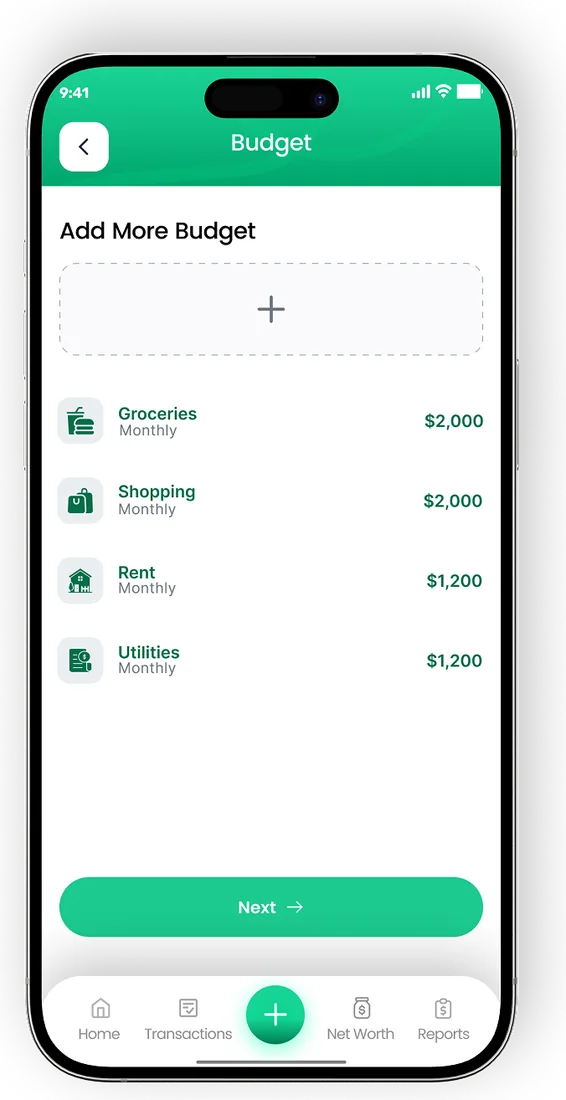
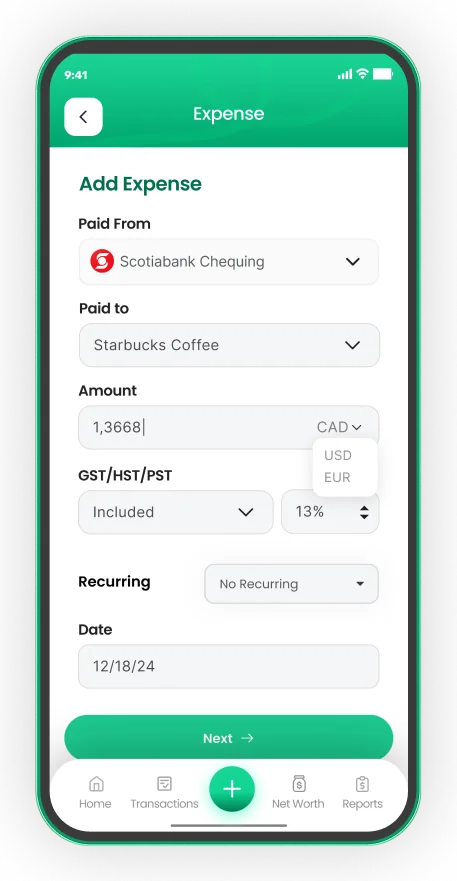
EMOH Pay's family budgeting app lets both parents share one budget with separate logins, so you can both see the plan while one of you is on leave. It is free to start on iPhone, Android and the web.
Your income in EMOH Pay

Put the numbers on autopilot
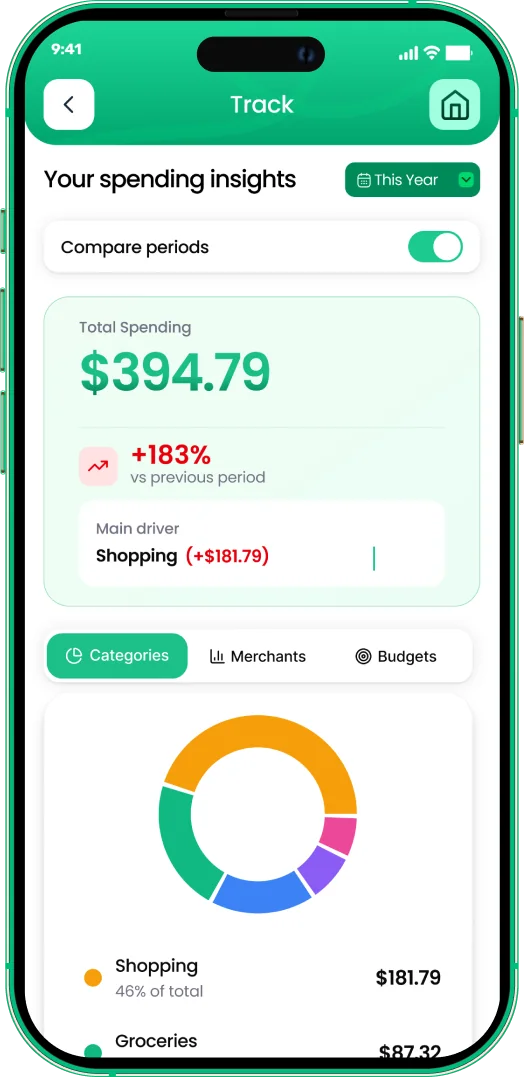
EMOH Pay tracks your spending, budgets and net worth on your phone and in the browser, always in sync. Free to start, made in Canada.
Get started free➜Maternity Leave Calculator Canada (2026): frequently asked questions
How much is maternity leave pay in Canada in 2026?
EI maternity benefits are 55% of your average weekly insurable earnings, up to about $729 a week before tax in 2026, for up to 15 weeks. Parental benefits follow at 55% or 33% depending on the option you choose.
How long is maternity leave in Canada?
EI maternity benefits last up to 15 weeks. Combined with standard parental benefits, a birth parent can receive up to 50 weeks, or up to 76 weeks with extended parental benefits.
Can both parents take parental leave?
Yes. Parents can share up to 40 weeks of standard or 69 weeks of extended parental benefits, but one parent cannot take more than 35 or 61 weeks. Both must choose the same option.
Is mat leave pay taxed?
Yes. EI maternity and parental benefits are taxable. Federal tax is deducted from each payment and you receive a T4E slip at the end of the year.
Do I get paid for mat leave if I am self-employed?
Only if you registered for EI special benefits for self-employed people and paid premiums for at least 12 months before claiming. Registration must happen well before you need the benefits.
Sources and further reading
Related guides and tools
EMOH Pay is a family budgeting app made in Canada — shared budgets, shared goals, and everyone on the same page, from…
How to Budget for a BabyHow to budget for a baby in Canada: first-year costs item by item, how parental leave changes income and a sample monthly…
EI Benefits Calculator 2026Free EI calculator for 2026. Estimate your weekly Employment Insurance benefit at 55% of insurable earnings, the maximum and…
Canada Child Benefit CalculatorCanada Child Benefit calculator: enter your family net income and your children's ages to estimate your monthly and yearly…
Cost of Raising a Child in CanadaThe cost of raising a child in Canada by age and category, from child care to food and activities, plus the benefits and tax…
Canada Child Benefit Payment Dates 2026CCB payment dates 2026: the Canada Child Benefit is paid around the 20th of each month. See the full schedule, the next…
Start free today
Free on iPhone, Android and the web. Upgrade to EMOH Pro anytime for bank sync and advanced AI.
Download for iOS➜ Get it on Android➜