
Tax Filing Deadline Canada 2026
Most Canadians must file and pay by 30 April. Self-employed filers get until 15 June to file, but not to pay. Here is every date that matters, and what happens if you miss one.
Get started free➜ Download the app➜
When do I have to file taxes in Canada?
Most Canadians must file their tax return and pay any balance owing by 30 April. For 2025 returns, the tax deadline in Canada in 2026 was Thursday 30 April 2026. Self-employed people and their spouses could file by Monday 15 June 2026, but any balance was still due 30 April. For 2026 returns, the deadline is Friday 30 April 2027.
Tax deadline Canada 2026: every key date
The tax deadline Canada 2026 calendar has a handful of fixed dates set by the Canada Revenue Agency. Most follow the same pattern every year, so once you know them you can plan the whole tax season in advance.
| Date | What is due |
|---|---|
| Monday 2 March 2026 | Last day for RRSP contributions deductible on your 2025 return |
| 15 March 2026 | First quarterly instalment for 2026, if you pay by instalments |
| Thursday 30 April 2026 | Filing deadline for 2025 returns and payment deadline for everyone |
| Monday 15 June 2026 | Filing deadline if you or your spouse or partner are self-employed |
| 15 June 2026 | Second quarterly instalment |
| 15 September 2026 | Third quarterly instalment |
| 15 December 2026 | Fourth quarterly instalment |
| Friday 30 April 2027 | Filing and payment deadline for 2026 returns |
When a deadline falls on a Saturday, Sunday or public holiday, the CRA treats a return or payment as on time if it is received or made on the next business day.
When are taxes due in Canada if you are self-employed?
If you or your spouse or common-law partner earned self-employment income, the filing deadline is 15 June. The payment deadline does not move: any balance owing is still due 30 April, and interest runs from 1 May on anything unpaid.
A simple habit is to estimate your tax in April, pay it, then finish the return by June. Our guide to self-employed taxes in Canada explains how income tax and both halves of CPP add up, and tax instalments in Canada covers who has to pay quarterly.
If you are registered for GST/HST as a sole proprietor with a calendar-year business, your annual GST/HST return usually follows the same pattern: file by 15 June and pay by 30 April. A GST/HST expense tracker keeps the tax you collect and the tax you pay on expenses ready for both returns, and EMOH Pay's GST/HST tracking records both sides as you go.
What happens if you file late?
If you owe tax and file late, the CRA charges a penalty of 5% of the balance owing plus 1% for each full month late, up to 12 months. If you were penalized in one of the previous three years and received a demand to file, it rises to 10% plus 2% a month, up to 20 months. Interest, compounded daily, is added on top.
| Months late | Penalty | Share of balance |
|---|---|---|
| Less than 1 | $100 | 5% |
| 3 | $160 | 8% |
| 6 | $220 | 11% |
| 12 or more | $340 | 17% (maximum) |
If you are due a refund, there is no late-filing penalty. But filing late still delays the refund and can pause benefits such as the GST/HST credit and the Canada Child Benefit, which are based on your return.
Interest is extra and charged at the CRA's prescribed rate, which can change every quarter.
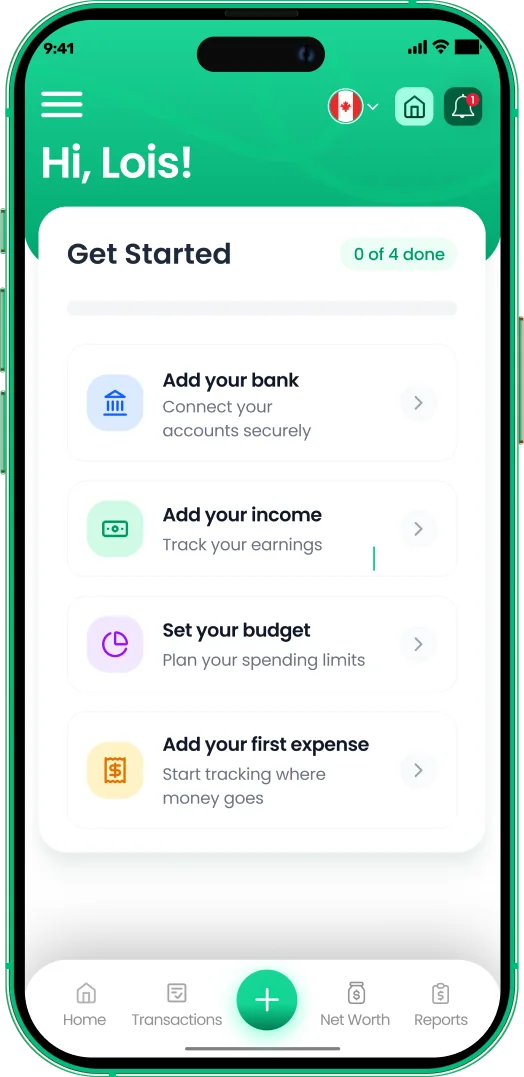
Track every paycheque
- Add each income source in seconds
- See income against spending every month
- Plan from your real take-home pay


Why filing on time matters even with no income
Filing by 30 April keeps your benefits flowing even if you owe nothing. The CRA uses your return to calculate the GST/HST credit, the Canada Child Benefit and several provincial payments for the benefit year starting each July. Seniors need a filed return to keep the Guaranteed Income Supplement.
It also records your RRSP deduction limit and keeps your TFSA and RRSP room accurate. Newcomers, students and people with low income often gain the most from filing on time, because refundable credits are only paid to people who file. See our GST/HST credit payment dates for what the July payment depends on.
How to get ready before the deadline
Tracking receipts through the year turns a stressful April into an hour of work. EMOH Pay lets you photograph receipts, tag expenses and export reports to PDF or Excel for your tax software or accountant. For more on this approach, read how tracking expenses makes filing taxes easier.
- Collect your slips as they arrive: T4 from employers, T5 for interest, T4A for pensions and other income, RRSP receipts and your FHSA slip.
- Gather receipts for deductions and credits, such as child care, medical expenses, donations, moving expenses and union dues.
- Check your RRSP contribution and TFSA room in CRA My Account.
- File online with NETFILE-certified software once the CRA opens NETFILE in late February, or book a free tax clinic if you have modest income.
- Pay any balance by 30 April through online banking or CRA My Payment, even if you file later.
Other deadlines tied to your return
- RRSP deadline: contributions in the first 60 days of the year can count toward the previous year. See our RRSP deadline page for the 2027 date.
- Quebec residents file a separate provincial return with Revenu Québec by the same 30 April date.
- TFSA over-contribution tax: if you owe it, file Form RC243 and pay by 30 June of the following year.
- Deceased persons: the final return is due 30 April of the following year, or six months after death if death occurred in November or December.
Your income in EMOH Pay
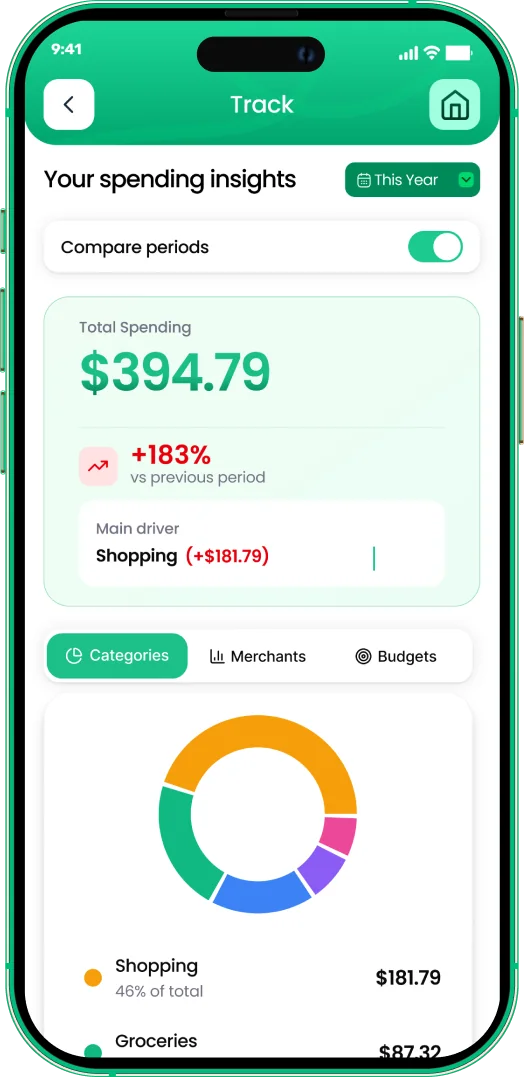

Put the numbers on autopilot
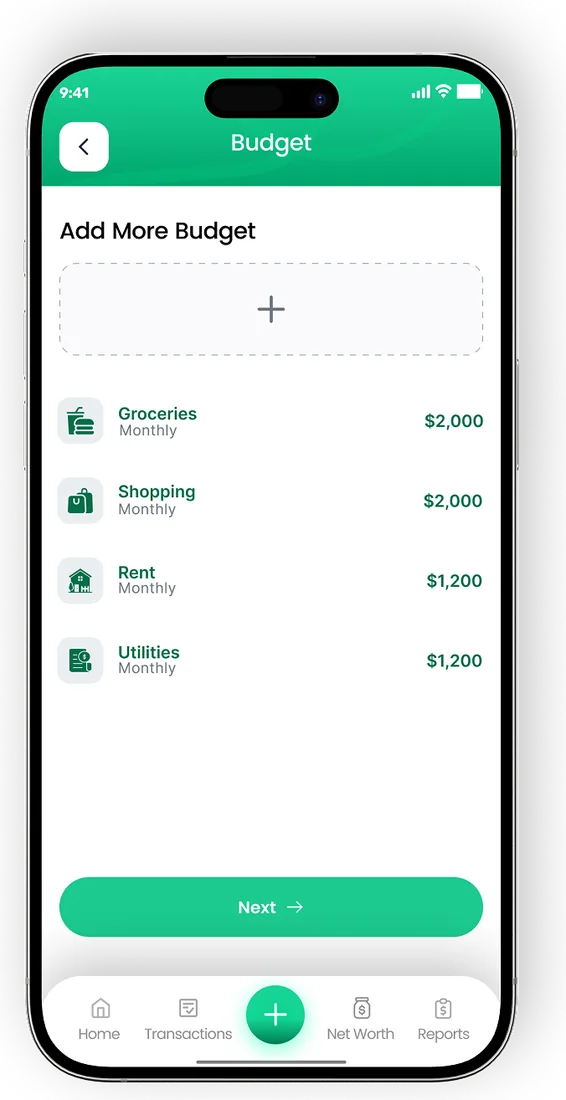
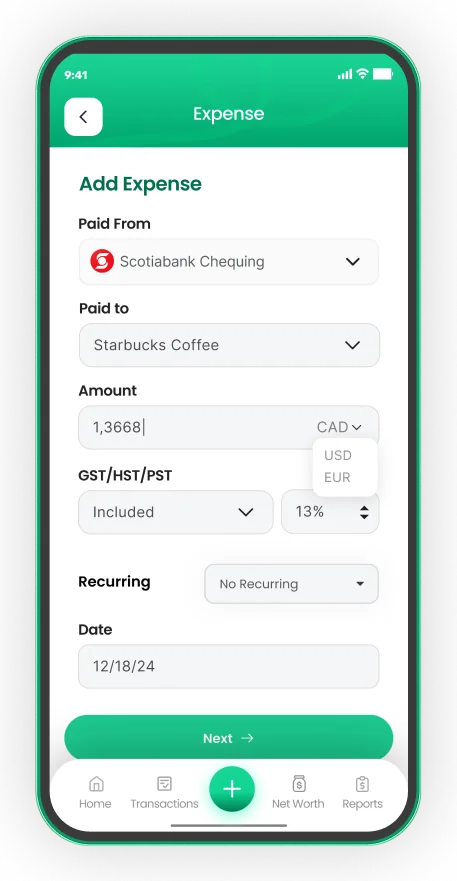
EMOH Pay tracks your spending, budgets and net worth on your phone and in the browser, always in sync. Free to start, made in Canada.
Get started free➜Tax Filing Deadline Canada 2026: frequently asked questions
What is the tax deadline in Canada for 2026?
For 2025 returns, the deadline was 30 April 2026, and 15 June 2026 for the self-employed and their spouses. Returns for the 2026 tax year are due 30 April 2027.
Can I get an extension to file my taxes in Canada?
There is no general extension. The CRA can cancel or waive penalties and interest under its taxpayer relief provisions if something beyond your control, such as a serious illness or disaster, stopped you from filing.
Do I have to file if I owe nothing?
You are not always required to, but you should. Without a return, the CRA cannot pay benefits and credits such as the GST/HST credit or Canada Child Benefit.
When will I get my refund?
The CRA aims to process online returns within about two weeks and paper returns within about eight weeks. Direct deposit is the fastest way to receive a refund.
What if 30 April falls on a weekend?
The CRA considers your return on time if it is received or your payment is made on the next business day.
Sources and further reading
Related guides and tools
The RRSP deadline 2026 for 2025 contributions was 2 March 2026; the next is 1 March 2027. See how the 60-day rule works…
Self-Employed Taxes in CanadaSelf employed taxes in Canada explained: income tax, both halves of CPP, GST/HST and instalments, with a worked 2026 example…
CRA Tax Instalments in CanadaCRA tax instalments explained: the $3,000 rule, the four 2026 due dates, the three ways to calculate payments and how to…
Tax Brackets Canada 2026Tax brackets Canada 2026: federal rates from 14% to 33%, every provincial bracket, how marginal tax works and worked…
Income Tax Calculator Canada 2026Estimate your 2026 Canadian income tax, CPP, EI and take-home pay in every province and territory, with federal and…
GST/HST Expense TrackerEMOH Pay tracks the GST/HST portion of your expenses automatically — a lifesaver for Canadian freelancers, contractors and…
Start free today
Free on iPhone, Android and the web. Upgrade to EMOH Pro anytime for bank sync and advanced AI.
Download for iOS➜ Get it on Android➜