
Living Paycheck to Paycheck: How to Break the Cycle
If your account is nearly empty the day before payday, you are not bad with money. You are missing a buffer. Here is how to build one, step by step.
Get started free➜ Download the app➜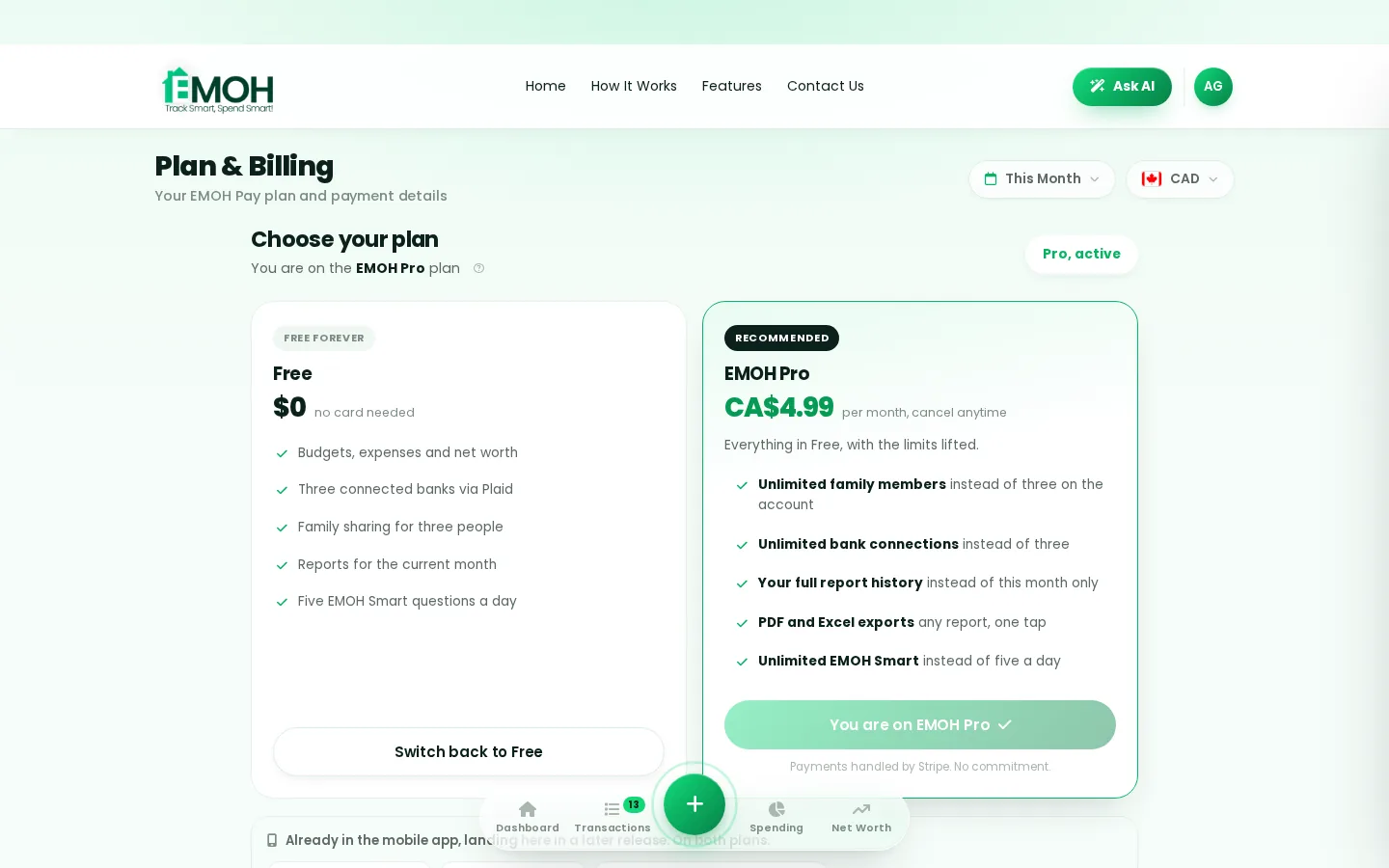
How do I stop living paycheque to paycheque?
To stop living paycheck to paycheck, build a small cash buffer first, then widen the gap between income and spending. Track a month of spending, cut two or three costs that matter least to you, save the difference automatically on payday, and put any extra toward high-interest debt once you have about one month of expenses set aside.
What does living paycheck to paycheck mean?
Living paycheck to paycheck means your income is fully used up by expenses before the next pay arrives, leaving little or nothing saved. A single unexpected bill, a late payment or a reduced shift can push you into overdraft or onto a credit card. It happens at every income level, not only low ones.
The problem is usually not one big expense. It is the absence of a gap between what comes in and what goes out, combined with no savings to absorb surprises. Fixing it means creating that gap and then protecting it.
Signs you are living paycheque to paycheque
Your balance is close to zero before payday. You use a credit card or overdraft to cover groceries or bills. You avoid checking your account. An unexpected cost of a few hundred dollars would be hard to cover.
Why it happens, even on a decent income
- Fixed costs have grown. Rent, groceries and insurance take a bigger share of pay than they used to for many households. See average rent in Canada for current figures.
- Lifestyle creep. Spending rises quietly with every raise. The lifestyle creep guide explains how to spot it.
- Irregular bills. Annual insurance, car repairs and holidays arrive as shocks when they are not planned for.
- High-interest debt. Credit card interest eats money that could build a buffer.
- Irregular income. Gig and shift workers face uneven paydays. See how to budget with irregular income.
- No visibility. Without tracking, small purchases add up unnoticed.
How to stop living paycheque to paycheque: 7 steps
The fastest way out is to build a small buffer before tackling anything else, because a buffer stops each surprise from turning into new debt. Once that is in place, you can widen the gap between income and spending and aim for a bigger safety net.
- Track one month of spending. Record every transaction, including cash. You cannot fix what you cannot see.
- List your essentials. Housing, utilities, groceries, transport, insurance, phone and minimum debt payments. This is your survival number.
- Cut two or three things that matter least. Unused subscriptions, delivery fees and impulse shopping are common candidates. Keep the spending you genuinely value.
- Save a starter buffer. Aim for about $500 to $1,000 in a separate savings account. Move the money on payday so it never feels available.
- Plan irregular costs with sinking funds. Divide annual bills by 12 and save for them monthly. The sinking funds guide shows how.
- Attack high-interest debt. Once the buffer exists, send extra money to the highest-rate balance. The debt payoff calculator shows how long it will take.
- Grow the buffer to one month, then three to six. Increase savings each time a debt is paid off or your income rises.
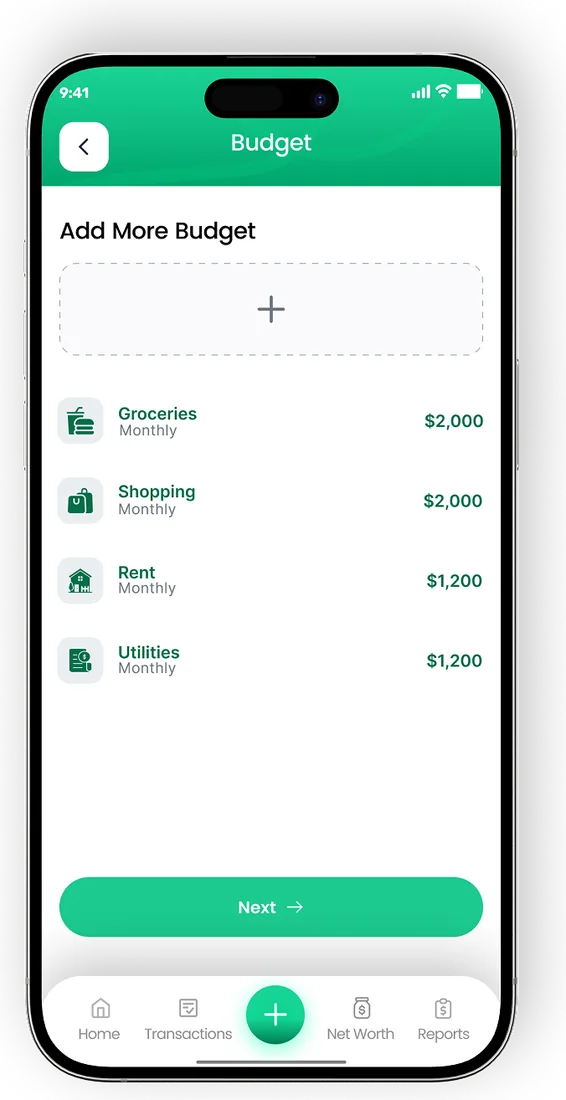
Budgets that update themselves
- Set monthly limits for every category
- See what is left to spend in real time
- Get a nudge before a category runs out


A sample budget to create breathing room
Here is how a single person taking home $3,200 a month might reshape spending to free up about $300 a month for a buffer. The numbers are illustrative; your own will differ.
| Category | Before | After | Change |
|---|---|---|---|
| Rent and utilities | $1,650 | $1,650 | No change |
| Groceries | $420 | $380 | Meal plan and one big weekly shop |
| Takeout and delivery | $260 | $120 | Two takeout nights instead of four |
| Transport | $250 | $250 | No change |
| Phone and internet | $150 | $110 | Switched to a cheaper plan |
| Subscriptions | $85 | $35 | Cancelled three unused services |
| Shopping and fun | $385 | $255 | Weekly spending limit |
| Savings buffer | $0 | $300 | Automatic transfer on payday |
| Total | $3,200 | $3,100 + $100 spare |
At $300 a month, a $1,000 starter buffer takes a little over three months. The extra $100 can go to debt or top up the buffer faster. The budget calculator helps you build a similar plan from your own numbers.
Money habits that keep you out of the cycle
- Pay yourself first. Treat savings like a bill that comes out on payday.
- Check in daily for one minute. A quick look at what you spent keeps small leaks from growing. EMOH Pay's daily money digest does this automatically each morning.
- Use overspend alerts. A warning before a category runs out is more useful than a surprise at month end.
- Give every raise a job. Put at least half of any pay increase toward savings before lifestyle adjusts to it.
- Review subscriptions quarterly. Recurring charges are easy to forget.
How an app can help break the cycle
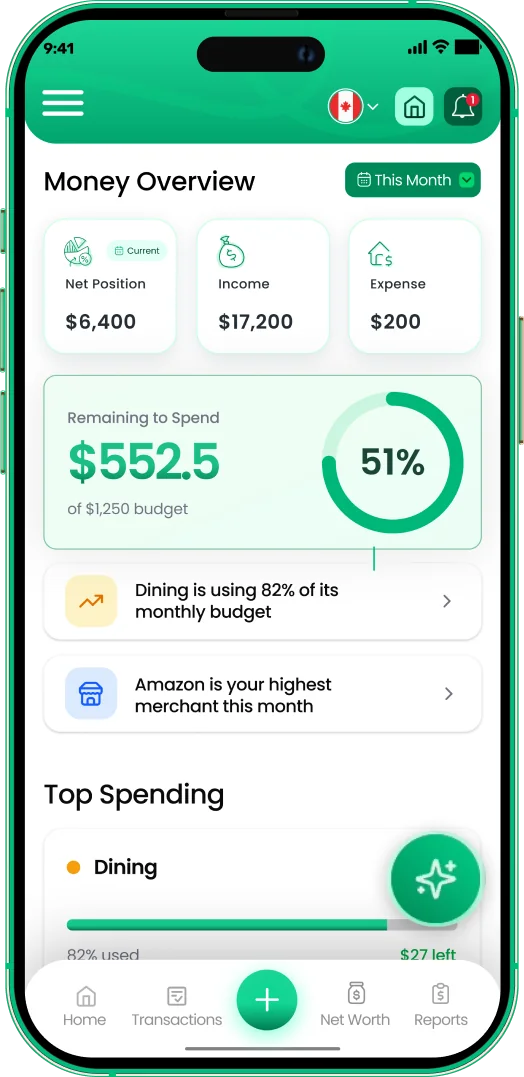
Breaking the cycle is mostly about visibility and timing. EMOH Pay is free to start on iPhone, Android and the web, and brings expense tracking, budgets with overspend alerts, bill reminders and savings goals into one place. You can see what is safe to spend before payday rather than guessing. Explore the full list on the features page.
If you have Canadian bank accounts, EMOH Pro at $4.99 a month adds automatic bank sync so transactions appear without typing. The free plan with manual entry works well too; the habit matters more than the tool.
Plan your month in EMOH Pay
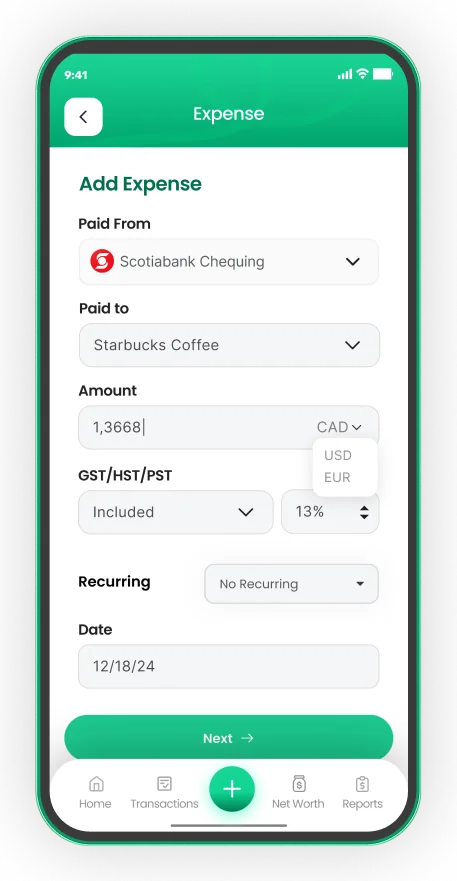
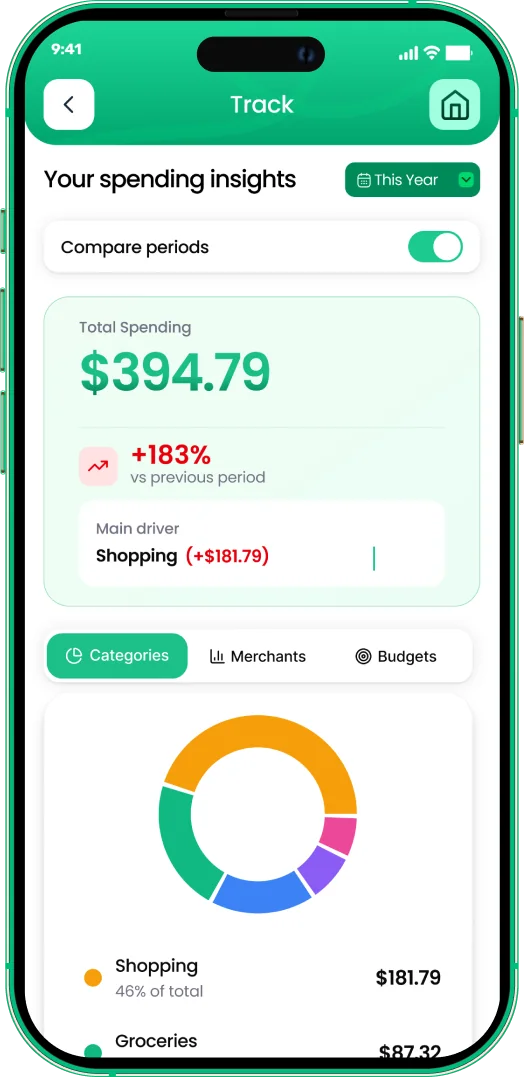
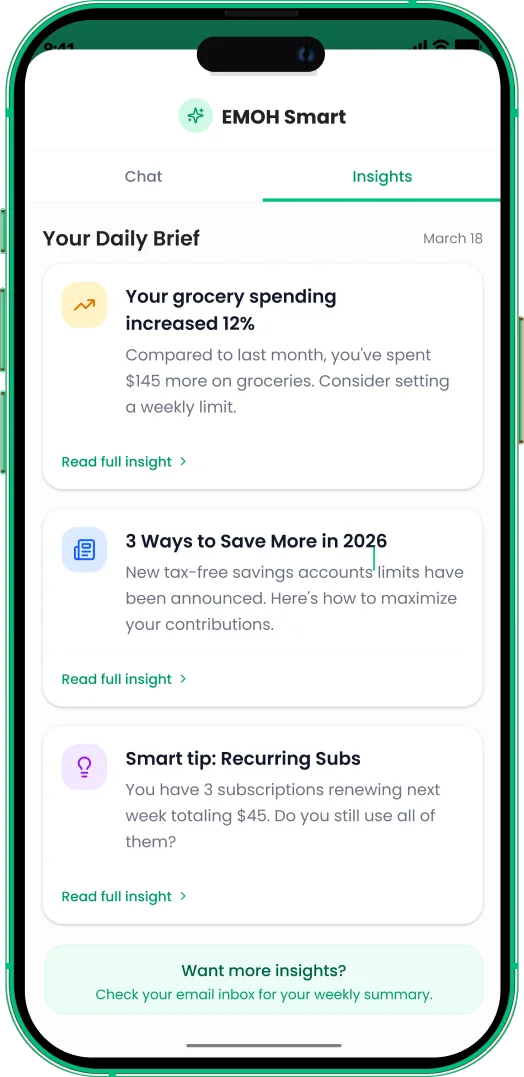

Put the numbers on autopilot
EMOH Pay tracks your spending, budgets and net worth on your phone and in the browser, always in sync. Free to start, made in Canada.
Get started free➜Living Paycheck to Paycheck: How to Break the Cycle: frequently asked questions
How much money do I need to stop living paycheque to paycheque?
Start with a buffer of about $500 to $1,000, then build to one month of essential expenses. Having a full month saved means each pay covers next month's bills rather than last month's.
Should I save or pay off debt first?
Build a small starter buffer first so surprises do not create new debt. Then focus extra money on high-interest debt while continuing small, regular savings.
Is living paycheque to paycheque always a spending problem?
No. Sometimes income simply does not cover essential costs. In that case, look at income options too, such as benefits you may qualify for, a raise, or extra hours, alongside trimming costs.
What if my income is irregular?
Budget from your lowest typical month and save any surplus from bigger months into a buffer. That buffer then smooths out the lean months.
How long does it take to break the cycle?
It varies with income and debt. Many people can build a starter buffer in a few months by freeing up a few hundred dollars a month, then take longer to reach three to six months of expenses.
Sources and further reading
Related guides and tools
All EMOH Pay features: expense tracking, budgets, net worth, Ask AI, family sharing, GST/HST, multi-currency and more. Free…
Emergency Fund GuideAn emergency fund is 3–6 months of essential expenses in cash — the buffer that turns a crisis into an inconvenience. Free…
Sinking Funds: What They Are and How to Use ThemSinking funds turn big irregular costs into small monthly savings. Learn how they work, common sinking fund categories, a…
50/30/20 Budget CalculatorThe 50/30/20 rule splits after-tax income: 50% to needs, 30% to wants, 20% to savings. Enter your monthly take-home pay to…
How to Pay Off Debt in CanadaTwo proven orders of attack — avalanche saves the most interest, snowball keeps you motivated. Pick one and automate it.…
Lifestyle Creep: What It Is and How to Avoid ItLifestyle creep is when spending rises every time income does. See lifestyle creep examples, the warning signs and a simple…
Start free today
Free on iPhone, Android and the web. Upgrade to EMOH Pro anytime for bank sync and advanced AI.
Download for iOS➜ Get it on Android➜