
Cost Per Use Calculator
A $240 jacket worn eight times a month for two years costs $1.25 a wear. Enter a price, how often you will use it and how long it will last to see what anything really costs.
Use the calculator➜ Try EMOH Pay free➜
Is this purchase worth it?
A purchase is usually worth it when its cost per use is low compared with the alternatives and fits your budget. Divide the price by the number of times you will realistically use it. A $240 jacket worn 192 times costs $1.25 a wear; a $60 one worn 12 times costs $5, so the pricier one wins.
How the cost per use calculator works
The cost per use calculator spreads a purchase over every time you will use it. The idea is simple: the sticker price tells you what leaves your account today, but the cost per use tells you what you are paying for each hour, wear or trip.
The result shows three numbers: cost per use, total uses over the item's life and cost per month. The monthly figure is useful for comparing a purchase with a rental or subscription.
- Price. Enter what you will actually pay, including sales tax and delivery. If you will pay interest on a card or financing plan, add that too.
- Times you will use it per month. Be honest and a little conservative. Most people overestimate how often they will use a new gadget or piece of gym gear.
- Months it will last. Use the warranty, the manufacturer's expected lifespan or your own experience with similar items. For clothes, think about how long your last pair actually lasted.
- Compare. Run the calculator again for the cheaper option, the rental or the subscription, and compare the cost per use side by side.
How do you decide if a purchase is worth it?
Decide whether a purchase is worth it by checking three things: the cost per use, whether it fits this month's budget without borrowing, and whether a cheaper way to get the same benefit exists. A low cost per use is a good sign, but only if you would really use the item that often.
Cost per use is a tool against two opposite mistakes. It stops you buying cheap items that wear out fast, and it stops you buying expensive items you will barely touch.
- Would I use it at least weekly? Frequent use is where cost per use shines. Rare use usually favours renting or borrowing.
- Can I pay for it in cash this month? If it needs a credit card balance you will carry, interest raises the real price.
- Do I already own something that does the job? Replacing a working item rarely has a good cost per use.
- Will I still want it in 30 days? A short waiting period filters out most impulse buys. Our guide on how to stop impulse spending explains why this works.
Cost per use examples: cheap versus quality
The table below compares everyday purchases. The prices and lifespans are illustrative, not survey data, so swap in your own numbers.
| Item | Price | Uses | Cost per use |
|---|---|---|---|
| Budget winter boots, 1 season | $80 | 60 wears | $1.33 |
| Quality winter boots, 4 seasons | $240 | 240 wears | $1.00 |
| Espresso machine, 3 years, 20 uses a month | $600 | 720 cups | $0.83 |
| Café coffee | $5 each | 1 cup | $5.00 |
| Tent used twice a year for 5 years | $400 | 10 trips | $40.00 |
| Tent rental | $45 a trip | 1 trip | $45.00 |
The pattern is clear. Items you use constantly reward paying more for quality. Items you use rarely can go either way, and renting often wins once storage and maintenance are counted.
The espresso machine figure excludes coffee beans and milk. For a fair comparison, add running costs to the price or compare only the equipment part of the café price.
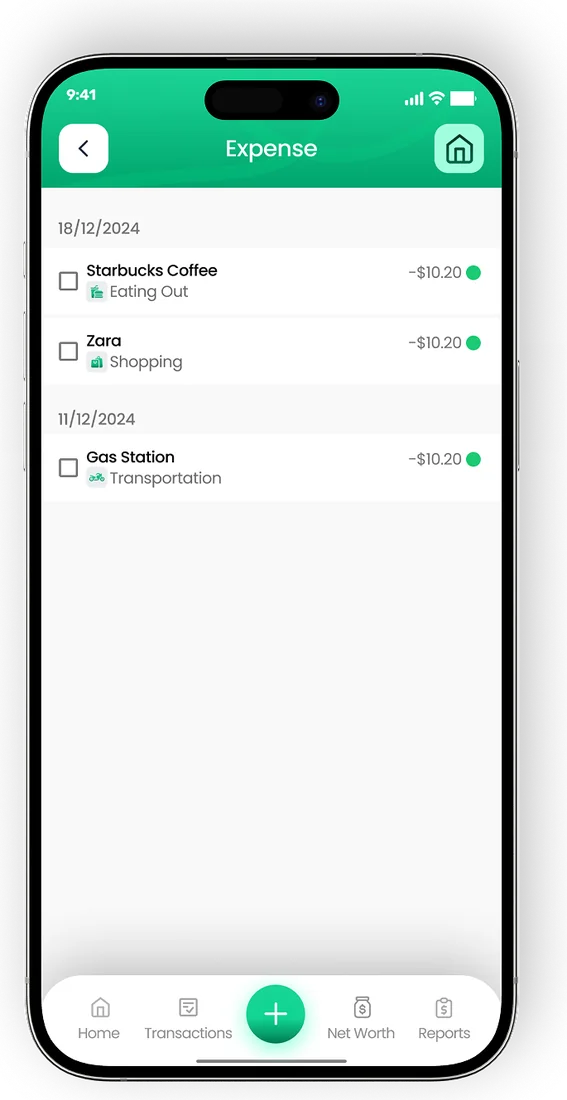
Log a purchase in two taps
- Smart categories sort every transaction
- Tag who spent what in a shared household
- Export PDF or Excel reports any month


Costs the basic formula leaves out
The simple formula is a good first filter. For bigger purchases, adjust it for the costs and savings that come later.
Running and maintenance costs
Cars, printers, appliances and bikes all cost money to keep going. Add expected repairs, ink, servicing or insurance to the price before you divide. For a car, the true picture is much larger than the sticker price; see our guide to the cost of owning a car.
Resale value
Some items keep value. If you expect to sell a $1,200 bike for $500 in three years, the real cost is $700. Subtract a realistic resale price, not an optimistic one.
Interest and financing
Buy now, pay later plans and credit card balances add cost. A purchase financed at a high interest rate can cost noticeably more than its price, which raises the cost per use.
Subscriptions
For monthly services, cost per use is the monthly fee divided by uses that month. A $70 gym membership used four times costs $17.50 a visit. The subscription cost calculator adds up all of your recurring charges.
Using cost per use in your budget
Cost per use works best alongside a budget. A purchase can have a great cost per use and still be the wrong choice this month if it pushes you over your spending plan or into debt.
A practical approach is to keep a short wish list, run each item through the calculator, and buy the one with the best value when your budget has room. Pair it with the habit of spotting lifestyle creep, where small upgrades slowly absorb every raise.
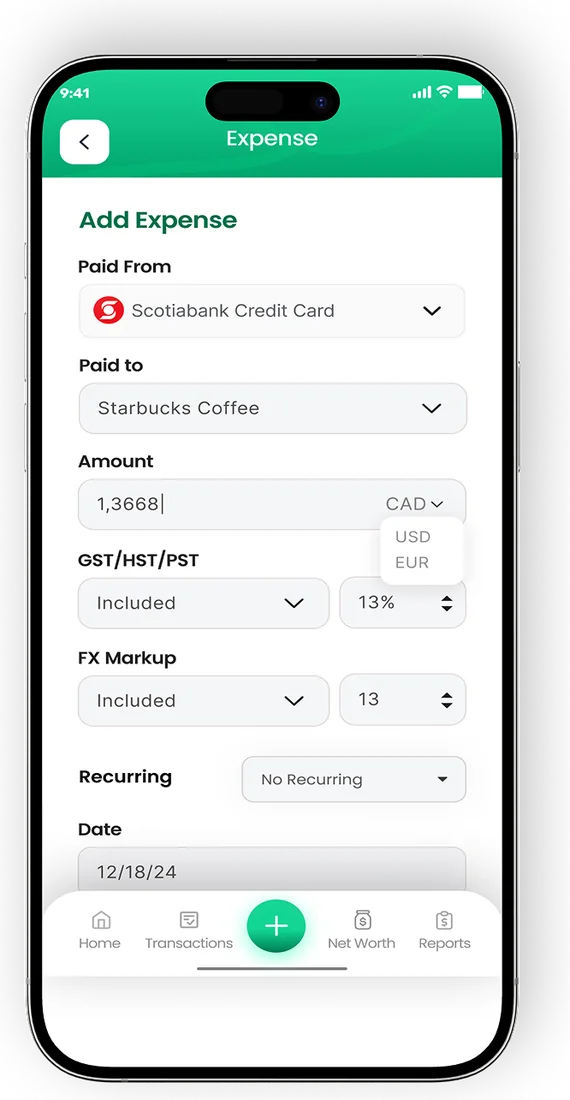
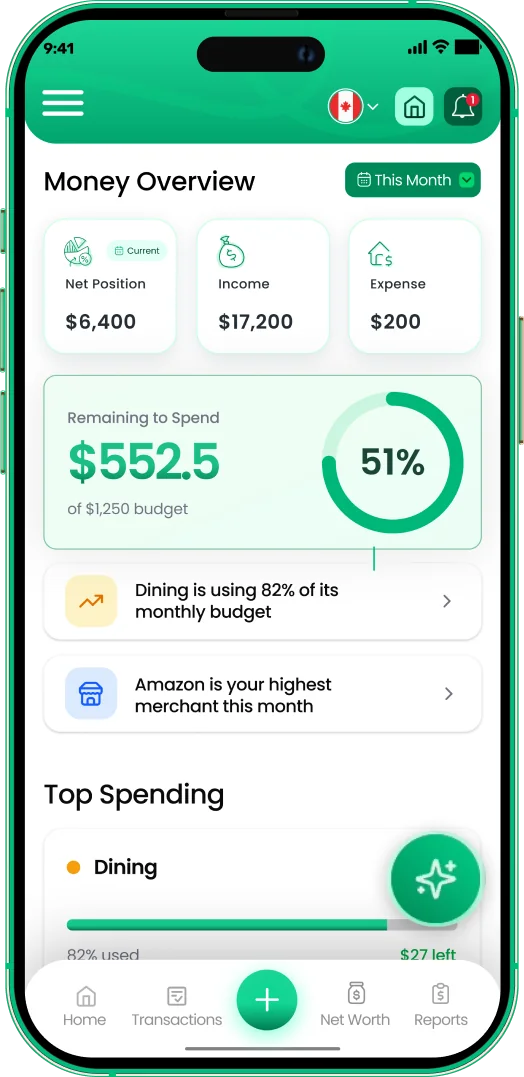
EMOH Pay helps with the budget side. You can set category budgets with overspend alerts, keep a savings goal for a planned purchase, and snap receipts so warranties and prices are easy to find later. It is free to start on iPhone, Android and the web.
Track every dollar
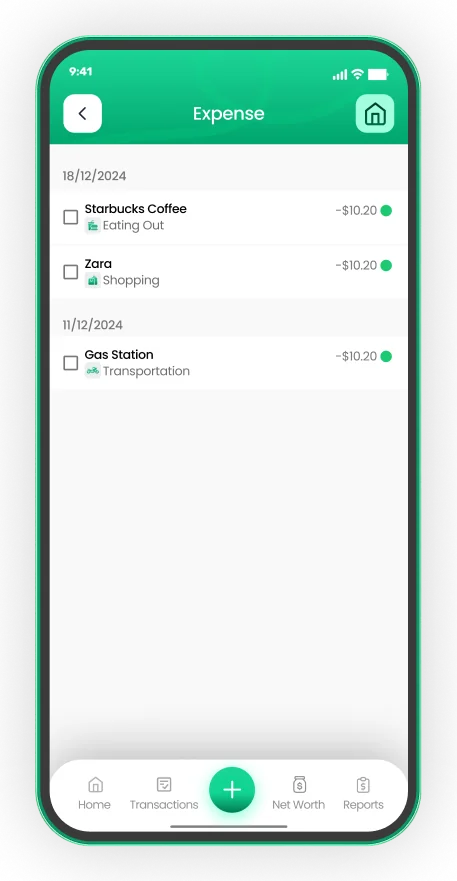

Put the numbers on autopilot
EMOH Pay tracks your spending, budgets and net worth on your phone and in the browser, always in sync. Free to start, made in Canada.
Get started free➜Cost Per Use Calculator: frequently asked questions
What is a good cost per use?
There is no universal number. Compare the cost per use with your alternatives: renting, borrowing, a cheaper version or doing without. The option with the lowest cost per use that you will genuinely use is usually the best value.
How do I calculate cost per wear for clothes?
Divide the price by the number of times you expect to wear it. Estimate wears per month and multiply by how many months it will last. Classic, durable pieces tend to have the lowest cost per wear.
Should I include tax in the price?
Yes. Use the full amount you will pay, including sales tax, delivery and any financing charges. That gives the real cost per use.
Does cost per use work for experiences?
It can, for repeat experiences like a season pass or membership. For one-off experiences such as a concert, the value is harder to measure, so compare the cost against your budget and priorities instead.
Is the cost per use calculator free?
Yes. It is free, runs in your browser and does not need an account or email.
Sources and further reading
Related guides and tools
How to stop impulse buying: 10 practical tactics, from a 48-hour rule to deleting saved cards, plus why impulse purchases…
Subscription Cost CalculatorFree subscription cost calculator: see what your streaming, app and membership subscriptions cost per month, per year and…
Lifestyle Creep: What It Is and How to Avoid ItLifestyle creep is when spending rises every time income does. See lifestyle creep examples, the warning signs and a simple…
No-Buy Challenge: How to Do ItA no-buy challenge means buying only essentials for a set time. Learn how to set rules, build a need list, try a low buy…
Money-Saving Tips That Actually Work in 2026Building wealth and achieving financial freedom often feels like a distant dream, but it starts with simple, actionable…
The True Cost of Owning a CarThe true cost of owning a car goes far past the payment. See a yearly breakdown of depreciation, insurance, fuel…
Start free today
Free on iPhone, Android and the web. Upgrade to EMOH Pro anytime for bank sync and advanced AI.
Download for iOS➜ Get it on Android➜