
No-Buy Challenge: How to Do It
Pick a period, write down what you will still buy, and stop everything else. Here is how to set rules that last, from a no spend month to a low buy year.
Get started free➜ Download the app➜
How does a no-buy challenge work?
A no-buy challenge works by setting a fixed period, often a month or a year, during which you buy only essentials such as rent, bills, groceries, transit and medicine. Everything else, like clothes, gadgets, décor and takeout, is off limits. You write the rules down first, track what you would have spent and move that money to savings or debt.
What is a no-buy challenge?
A no-buy challenge is a set period when you stop buying anything that is not essential. It is a spending challenge rather than a saving challenge. There is no deposit schedule. Instead, the money you would have spent on non-essentials stays in your account.
The point is not to live on nothing. Rent, utilities, groceries, insurance, medicine and getting to work all stay in the budget. What stops are the purchases that happen out of habit or boredom: new clothes, home décor, beauty products you already have, gadgets and takeout.
Most people finish with two things: a bit of extra savings and a much clearer picture of where their money used to go. That second benefit is often the bigger one.
No-buy challenge rules: what to allow and what to stop
The rules you write on day one decide whether the challenge lasts. Vague rules invite exceptions. Specific rules make each decision easy. Split your spending into three lists before you start.
| List | What goes on it | Examples |
|---|---|---|
| Always allowed | Essentials you cannot skip | Rent or mortgage, utilities, phone, insurance, groceries, transit or fuel, prescriptions, child care, debt payments |
| Replace only when used up | Consumables you already use | Shampoo, toothpaste, cleaning products, printer ink. Buy the same item only after the last one runs out |
| Not allowed | Wants and habit purchases | Clothes and shoes, décor, books, gadgets, hobby supplies, takeout, new subscriptions, impulse buys online |
| Planned exceptions | Known events, decided in advance | A friend's wedding gift, a birthday dinner, a work shoe replacement |
Write the lists down and keep them somewhere you will see them. If something is not on the allowed list and not a planned exception, the answer is no for now. Add it to a wish list with the date and see if you still want it when the challenge ends.
How to start a no-buy challenge
- Choose a length. A month is a good first try. A year is a big commitment, so many people start with three months.
- Look at the last two or three months of spending to see where non-essential money goes.
- Write your three lists: always allowed, replace when used up and not allowed.
- Add planned exceptions for birthdays, holidays or events you already know about.
- Unsubscribe from store emails and delete saved cards from shopping apps.
- Decide where the savings go, such as an emergency fund or a credit card balance, and move it on a schedule.
- Check in weekly. Note what you were tempted by and why.
Tips that help you save
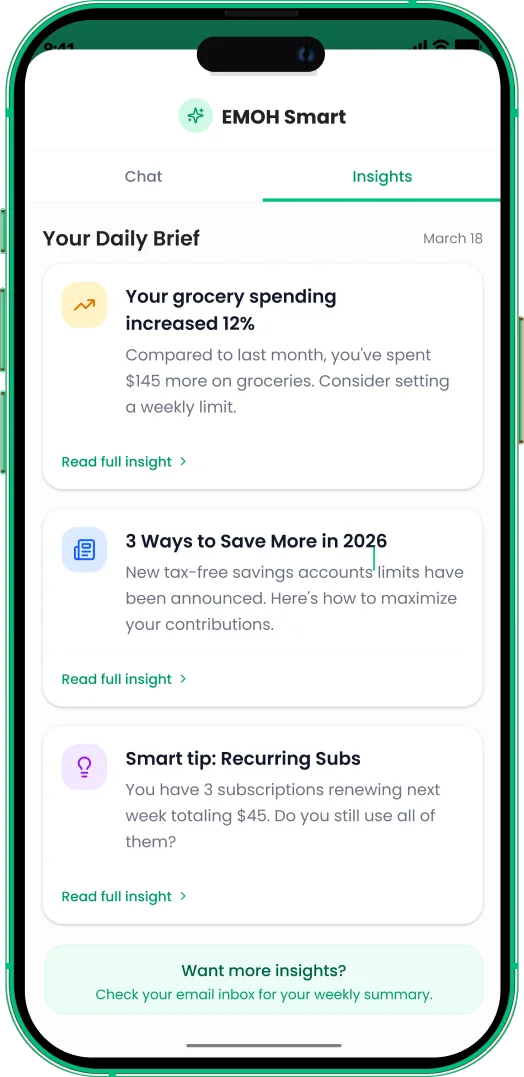
- A daily brief with practical ways to save
- Spot recurring subscriptions worth cutting
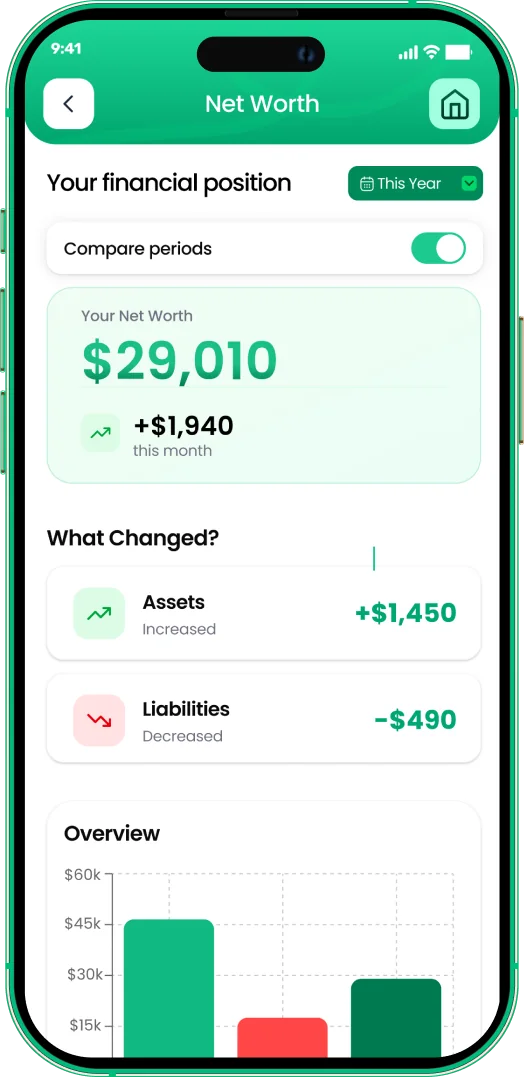
- Watch your savings show up in your net worth


No spend month, no-buy challenge or low buy year?
They sound similar but ask different things of you. A no spend month is the strictest: nothing beyond fixed bills and basic groceries, often with no eating out at all. A no-buy challenge allows normal essential spending but pauses non-essential shopping. A low buy year is the gentlest: you allow a small, planned number of non-essential purchases across the year.
Our guide to no spend January covers the strict one-month version in detail.
| Version | Length | What you can buy | Suits |
|---|---|---|---|
| No spend weekend | 2 days at a time | Nothing beyond what is already planned | Testing the idea |
| No spend month | 1 month | Fixed bills and basic groceries only | A short reset |
| No-buy challenge | 1 to 12 months | All essentials, no wants | Breaking shopping habits |
| Low buy year | 12 months | Essentials plus a short pre-agreed list of wants | Long-term change without burnout |
For a low buy year, set a small budget or a count, for example four clothing items or one hobby purchase a quarter. Decide those limits in January, not in the moment.
How much can a no-buy challenge save?
It depends entirely on what you spent before. There is no standard figure, so work it out from your own history. Add up the last three months of spending in the categories you are pausing and divide by three. That average is roughly what a month of the challenge could free up.
Hidden costs are often bigger than people expect. Subscriptions, delivery fees and small online orders add up quietly. The subscription cost calculator totals what recurring charges cost over a year, which is a useful first target for any no-buy challenge.
- Track the would-have-spent amount. When you skip a purchase, log what it would have cost. Seeing the total grow is motivating.
- Move the money. Transfer the savings weekly so it does not get absorbed by other spending.
- Compare the categories. At the end, check which categories fell most. Those are your long-term habits to watch.
Common mistakes and how to avoid them
- Rules that are too strict. Banning all social spending can make you drop out in week two. Allow a small, planned amount if you need it.
- Stockpiling before you start. Buying extra before day one defeats the purpose.
- Swapping one habit for another. If shopping stops but takeout doubles, update the rules.
- A binge at the end. Plan how you will spend after the challenge. Review your wish list and buy only what still matters. Read about lifestyle creep to keep the gains.
- Not knowing your triggers. Boredom, stress and late-night scrolling drive many purchases. Our guide to stopping impulse spending has practical tactics.
Tracking a no-buy challenge
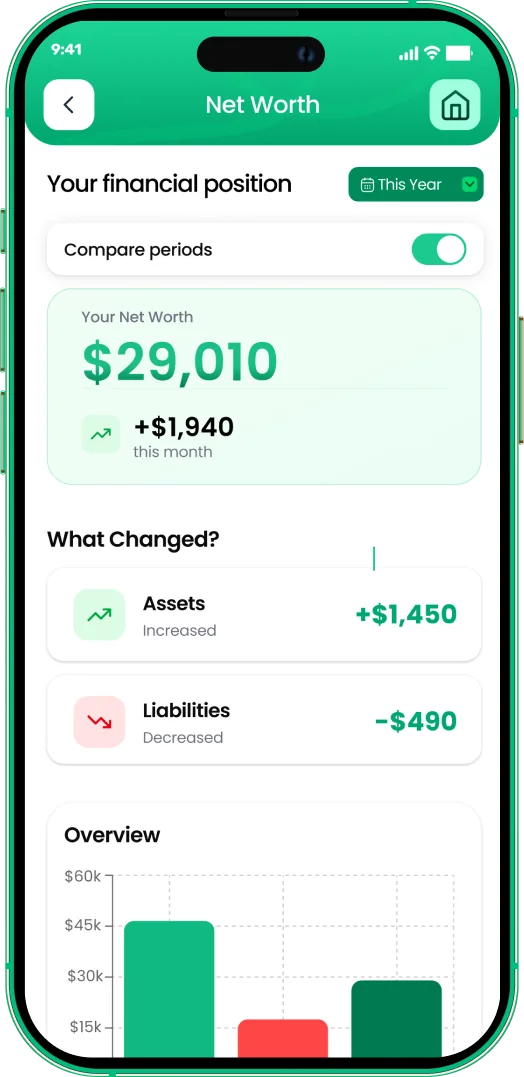
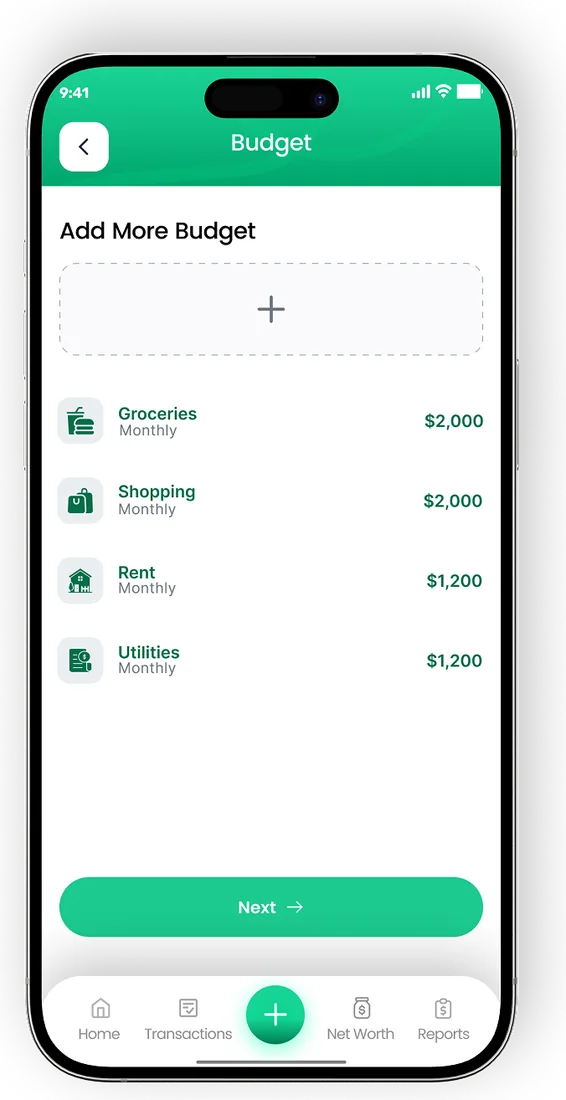
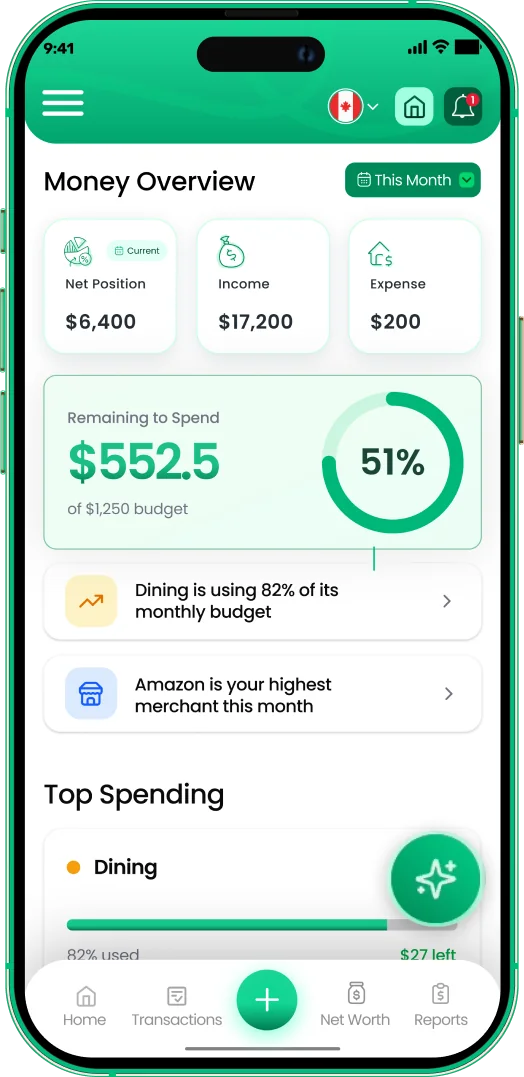
A no-buy challenge is easier when you can see your spending in categories. Set the paused categories to a budget of zero in EMOH Pay, and overspend alerts flag anything that slips through. You can also set a savings goal for the money you free up.
Other EMOH Pay features help too: bill tracking keeps essentials on schedule, and the daily money digest gives a quick summary of what went out. If you want a structured goal to pair with it, browse more savings challenge ideas.
Save more with EMOH Pay

Put the numbers on autopilot
EMOH Pay tracks your spending, budgets and net worth on your phone and in the browser, always in sync. Free to start, made in Canada.
Get started free➜No-Buy Challenge: How to Do It: frequently asked questions
Can I buy groceries on a no-buy challenge?
Yes. Groceries are essential and stay on the allowed list. Some people add limits, such as no snacks or ready meals, but food itself is never part of the ban.
What happens if something breaks?
Replacing a genuinely essential item, such as a work phone or winter boots that fall apart, is allowed. Repair first if you can, and buy a like-for-like replacement rather than an upgrade.
Are gifts allowed during a no-buy challenge?
Gifts for others are usually a planned exception with a set budget. Gifts you receive are fine. Some people give homemade gifts or experiences instead during the challenge.
How long should a no-buy challenge last?
A month is a good first attempt. Three months is long enough to change habits. A full year works best as a low buy year with a few planned purchases so it stays realistic.
Is a no-buy challenge the same as minimalism?
Not exactly. Minimalism is about owning less over the long term. A no-buy challenge is a time-limited spending pause. Many people find it leads to a simpler lifestyle, but that is not required.
Sources and further reading
Related guides and tools
Ten savings challenge ideas compared by total saved, length and difficulty, from the 52-week and 100 envelope challenges to…
How to Stop Impulse SpendingHow to stop impulse buying: 10 practical tactics, from a 48-hour rule to deleting saved cards, plus why impulse purchases…
No-Spend January 2026: Rules, Benefits, and Common MistakesThe start of a new year often brings fresh motivation to improve our finances. After the holidays, many Canadians feel the…
Lifestyle Creep: What It Is and How to Avoid ItLifestyle creep is when spending rises every time income does. See lifestyle creep examples, the warning signs and a simple…
Subscription Cost CalculatorFree subscription cost calculator: see what your streaming, app and membership subscriptions cost per month, per year and…
Money-Saving Tips That Actually Work in 2026Building wealth and achieving financial freedom often feels like a distant dream, but it starts with simple, actionable…
Start free today
Free on iPhone, Android and the web. Upgrade to EMOH Pro anytime for bank sync and advanced AI.
Download for iOS➜ Get it on Android➜