
Cost of Moving to Canada
Government fees are only the start. Here is what immigration paperwork, flights, a first apartment and your first months in Canada really cost, with sample budgets for a single newcomer and a family of four.
Get started free➜ Download the app➜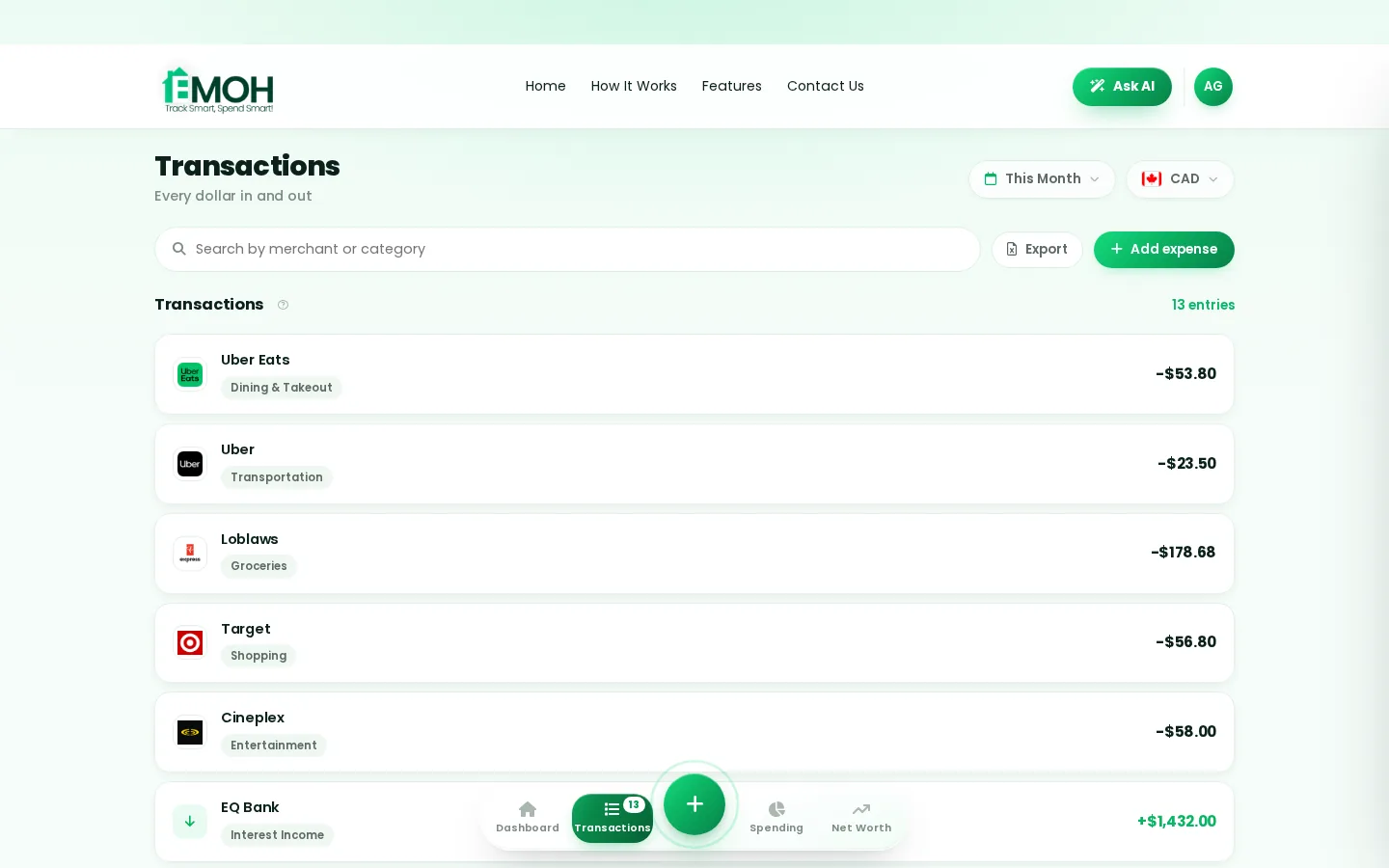
How much money do I need to move to Canada?
Most people moving to Canada need about $20,000 to $30,000 as a single adult, or $40,000 to $60,000 for a family of four, to cover immigration fees, flights, rental deposits and three to six months of living costs. Skilled workers must also show IRCC proof of funds, about $15,000 for one person in the 2025 table.
The cost of moving to Canada is usually $20,000 to $30,000 for a single adult and $40,000 to $60,000 for a family of four once everything is counted. That covers government fees, tests and documents, flights, a first apartment and enough money to live on while you look for work. Your city matters most, because rent in Toronto or Vancouver can be double that in smaller cities.
These are planning estimates built from IRCC fees and typical Canadian rents, not an official figure. Treat them as a starting point and replace each line with your own quotes.
Our newcomer hub covers settling in beyond the numbers, and the newcomer budget guide shows how to plan your first year once you have landed.
How much money do you need to immigrate to Canada? Proof of funds
If you apply through Express Entry as a Federal Skilled Worker or Federal Skilled Trades candidate, IRCC requires proof that you have enough settlement money. In the 2025 table, the minimum was about $15,000 for one person and about $28,000 for a family of four. IRCC updates the amounts every year, so check the current table before you apply.
The money must be available, unencumbered and yours, not borrowed. Candidates in the Canadian Experience Class, and those already authorized to work in Canada with a valid job offer, do not need to show proof of funds.
International students have their own requirement. A study permit applicant must show first-year tuition, travel costs and a living-cost amount that has been above $20,000 for a single student since 2024. Proof of funds is a floor, not a budget. It shows you can survive, not that you can settle comfortably.
Immigration and pre-arrival costs
Government fees are the most predictable part of the cost. The table below uses IRCC's 2024 fee schedule for permanent residence; some fees are adjusted every two years, so confirm on IRCC's fee list before you pay. Third-party costs vary by country and provider, so they are shown as rough ranges.
| Cost | Single adult | Notes |
|---|---|---|
| PR processing fee | about $950 | Per adult; lower for dependent children |
| Right of permanent residence fee | about $575 | Per adult; can be paid later in the process |
| Biometrics | $85 | $170 maximum for a family applying together |
| Language test | a few hundred dollars | IELTS, CELPIP, TEF or TCF |
| Educational credential assessment | a few hundred dollars | Needed for most Express Entry profiles |
| Medical exam | a few hundred dollars | Set by the panel physician in your country |
| Police certificates and translations | varies | One per country lived in for six months or more |
| One-way flights | $800 to $2,000 | Depends on origin and season |
Temporary residents pay different fees. A study permit costs $150 and a work permit $155, plus biometrics. If you hire a lawyer or a licensed immigration consultant, add their fee, and check they are authorized on IRCC's website first.
Your first three months in Canada: sample budget
Plan to cover at least three months of costs from savings, even if you have a job lined up. First pay often arrives two to four weeks after you start, and many landlords ask newcomers without Canadian credit history for extra deposits or a guarantor. The figures below are illustrative for a mid-sized Canadian city, not official statistics.
| Category | Single adult | Family of four |
|---|---|---|
| Temporary stay on arrival (2 weeks) | $1,000 to $2,000 | $2,000 to $3,500 |
| Rent, first and last month or deposit | $3,000 to $4,500 | $4,500 to $6,500 |
| Rent, months two and three | $3,000 to $4,500 | $4,500 to $6,500 |
| Basic furniture and household items | $1,000 to $2,500 | $2,500 to $5,000 |
| Winter clothing | $300 to $600 | $1,000 to $2,000 |
| Groceries (3 months) | $1,200 to $1,600 | $3,500 to $4,500 |
| Transit or first car costs | $300 to $450 | $1,500 to $3,000 |
| Phone, internet, utilities | $500 to $900 | $900 to $1,500 |
| Private health cover while waiting | $0 to $500 | $0 to $1,500 |
| Total | about $10,000 to $17,500 | about $20,000 to $34,000 |
Add your pre-arrival costs and an emergency cushion to reach the full budget. Rent is the line that moves most; check average rent in Canada for your city before you decide where to land.
Figures checked September 2026; confirm current fees and proof of funds amounts with Immigration, Refugees and Citizenship Canada (IRCC).
Your home currency, any spending currency
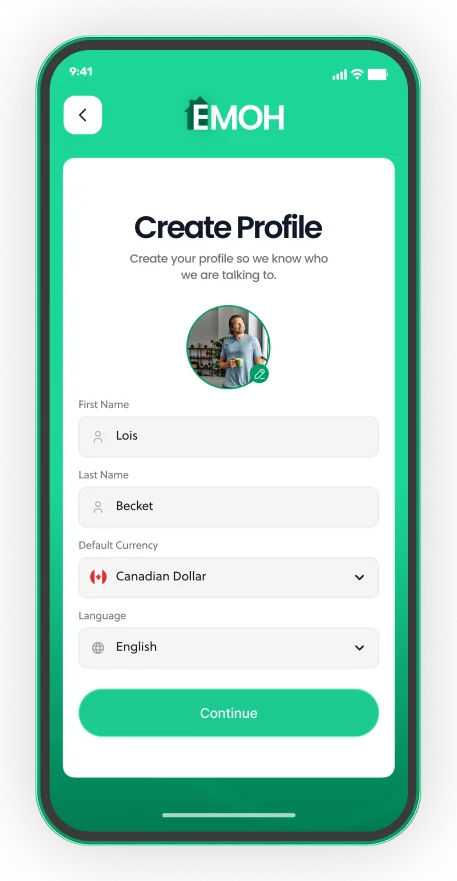
- 148 currencies with automatic conversion
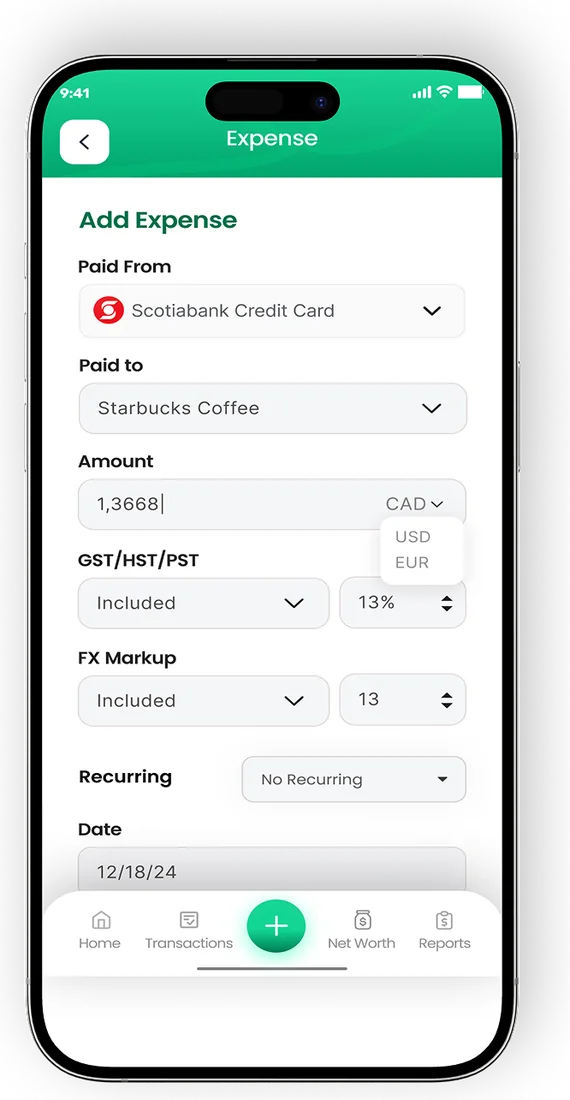
- Record FX markup on card purchases
- Phone and web always in sync


Costs newcomers often forget
- A health coverage gap. Some provinces have a waiting period of up to three months before public health insurance starts. Private cover bridges the gap.
- Credit history. You arrive with none, so expect deposits for phones, utilities and some rentals. Our guide to building credit in Canada explains how to start.
- Sales tax. Prices on shelves exclude GST, HST or PST, which adds 5% to 15% at the till.
- Transfer costs. Moving savings into Canada costs fees and exchange margins. Compare the Canadian dollars delivered, and see remittance fees explained.
- Child care. Regulated care is much cheaper than it was, but spaces are limited and waitlists common.
How to plan the move step by step
- List every pre-arrival cost with a quote or official fee, then add 10% for surprises.
- Pick two or three possible cities and price a one-bedroom or family rental in each.
- Hold at least three months of living costs on top of fees and flights, and six months if you have no job offer.
- Open a Canadian bank account soon after arrival; our guide to banking in Canada for newcomers covers what to bring.
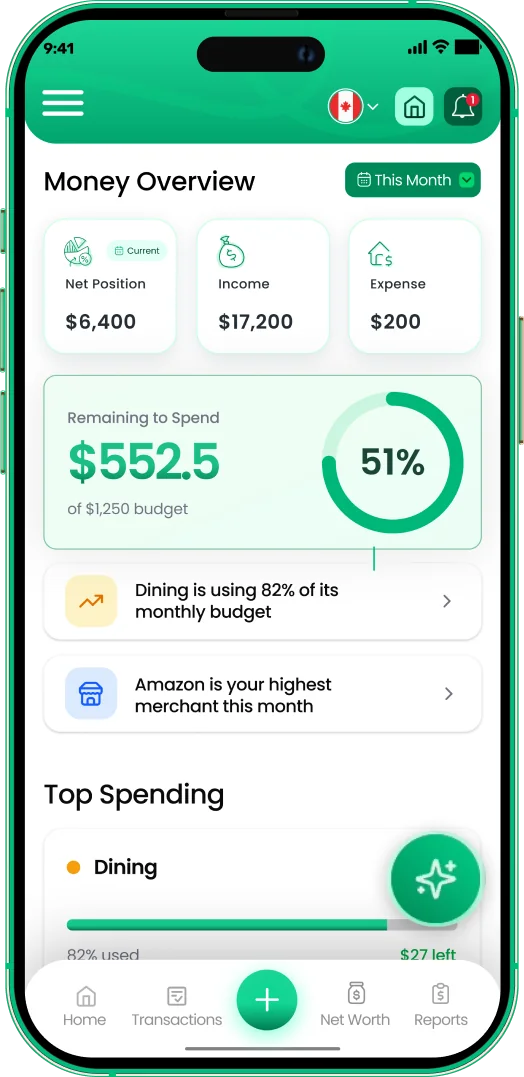
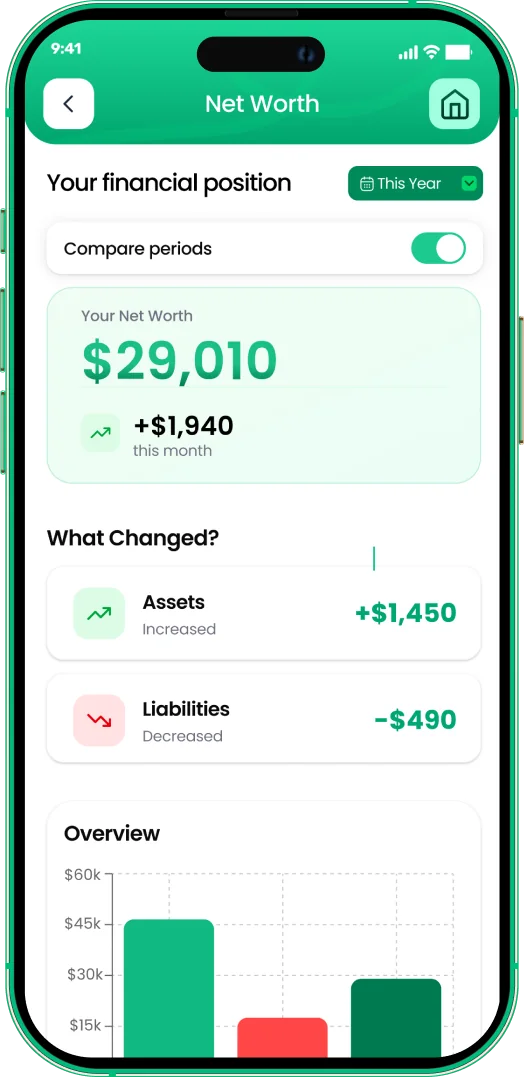
- Track spending from week one. EMOH Pay is free on iPhone, Android and the web, handles 148 currencies so savings from home and Canadian spending sit together, and EMOH Pro adds automatic sync with Canadian bank accounts once yours is open.
Every currency in one app

Put the numbers on autopilot
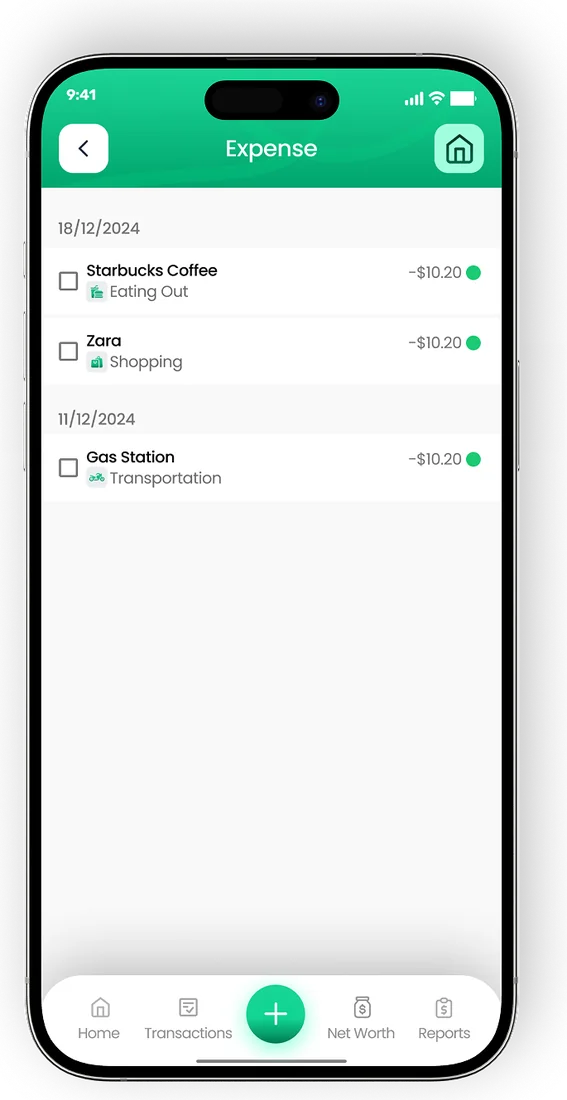
EMOH Pay tracks your spending, budgets and net worth on your phone and in the browser, always in sync. Free to start, made in Canada.
Get started free➜Cost of Moving to Canada: frequently asked questions
Is proof of funds the same as the money I need?
No. Proof of funds is IRCC's minimum to show you can support yourself. Most newcomers need more because of rental deposits, furniture and the weeks before first pay.
Can I use borrowed money for proof of funds?
No. IRCC requires settlement funds to be available to you and not borrowed from another person. Check the current rules on IRCC's website.
What is the cheapest city to move to in Canada?
Rents are generally lower in the Prairies and Atlantic Canada than in Toronto and Vancouver. Compare our guides such as cost of living in Edmonton and cost of living in Winnipeg.
How long should my savings last after landing?
Aim for at least three months of living costs if you have a job offer and six months if you do not. Job searches often take longer than expected.
Should I bring cash or transfer my savings?
Most newcomers transfer most of their savings to a Canadian bank account. You must declare currency of $10,000 or more when you cross the border.
Sources and further reading
Related guides and tools
New to Canada? Budget from day one with EMOH Pay: multi-currency support, Canadian banks, GST/HST awareness and…
Your Essential Guide to a Newcomer Budget in CanadaMoving to a new country is an exciting adventure filled with new opportunities and experiences. Canada offers a welcoming…
Banking in Canada for NewcomersYour first Canadian bank account, credit card and credit score — the practical getting-started guide. Free budgeting app…
Average Rent in Canada by City (2026)Average rent in Canada for 2026: typical one-bedroom ranges in 20 cities, why survey and asking rents differ, and how to…
Moving Cost ChecklistA moving cost checklist that covers everything: movers, truck rental, supplies, deposits, utilities and overlap rent, with…
A Practical Guide to Expat Budgeting in CanadaMoving to a new country is an exciting chapter filled with new opportunities and experiences. For those relocating to the…
Start free today
Free on iPhone, Android and the web. Upgrade to EMOH Pro anytime for bank sync and advanced AI.
Download for iOS➜ Get it on Android➜