
How to Build Credit in Canada
Starting from zero is normal, especially for newcomers and students. Here is how Canadian credit files work, the five habits that build a score, and what to avoid in your first year.
Get started free➜ Download the app➜
How do I build credit in Canada?
To build credit in Canada, open one credit product you can manage, such as a secured or starter credit card, use a small part of the limit, and pay the full balance on time every month. Keep the account open, avoid many applications at once and check your Equifax and TransUnion reports each year.
How building credit in Canada works
Building credit in Canada means creating a record at the two national credit bureaus, Equifax and TransUnion, that shows lenders you borrow and repay reliably. Lenders report your accounts to the bureaus each month, and the bureaus turn that history into a credit score between 300 and 900.
If you have never borrowed in Canada, you have no file or a thin file, not a bad one. That is common for newcomers, students and people who have always paid in cash or debit. Credit history from another country usually does not transfer, so most people start again here.
A score matters beyond credit cards. Landlords, cell phone carriers, car lenders and mortgage lenders often check it, and some employers look at your report with permission. For a plain explanation of the number itself, see what a credit score is.
Steps to build credit from scratch
The fastest safe route is one card, small purchases and full payments, repeated for months. Each step below adds a positive line to your file without taking on debt you cannot carry.
- Open a Canadian bank account. Most banks offer newcomer packages, and a relationship with a bank makes a first card easier to get. Our guide to banking in Canada for newcomers explains the options.
- Get a secured or starter credit card. A secured card asks for a deposit, often equal to the limit, and reports to the bureaus like any other card. Confirm with the issuer that it reports to both Equifax and TransUnion.
- Use a small share of the limit. Put one or two regular bills on the card, such as a phone plan or a streaming subscription, so there is activity every month.
- Pay the full statement balance by the due date. Set up automatic payment for at least the minimum as a safety net, then pay the rest manually.
- Keep the account open. The age of your oldest account counts. Closing your first card can shorten your history.
- Add a second product slowly. After six to twelve months of clean history, consider a regular card or a small instalment loan only if you actually need it.
- Check your reports. Request your free credit report from both bureaus once a year and dispute any error.
What affects your credit score in Canada?
Your score is driven mainly by whether you pay on time, how much of your available credit you use, how long you have had credit, how many new applications you make and the mix of accounts you hold. Payment history carries the most weight, so a single missed payment can undo months of progress.
| Factor | What helps | What hurts |
|---|---|---|
| Payment history | Every payment on or before the due date | Payments 30 or more days late, accounts sent to collections |
| Credit utilization | Balances well below your limits | Balances close to or over the limit |
| Length of history | Keeping older accounts open | Closing your first card early |
| New credit | Applying only when needed | Several applications in a short period |
| Credit mix | A card plus, later, an instalment loan | Relying only on high-cost lenders |
The Financial Consumer Agency of Canada suggests using well under your limit, ideally less than about 35% of available credit. On a $1,000 limit that means keeping the reported balance under roughly $350.
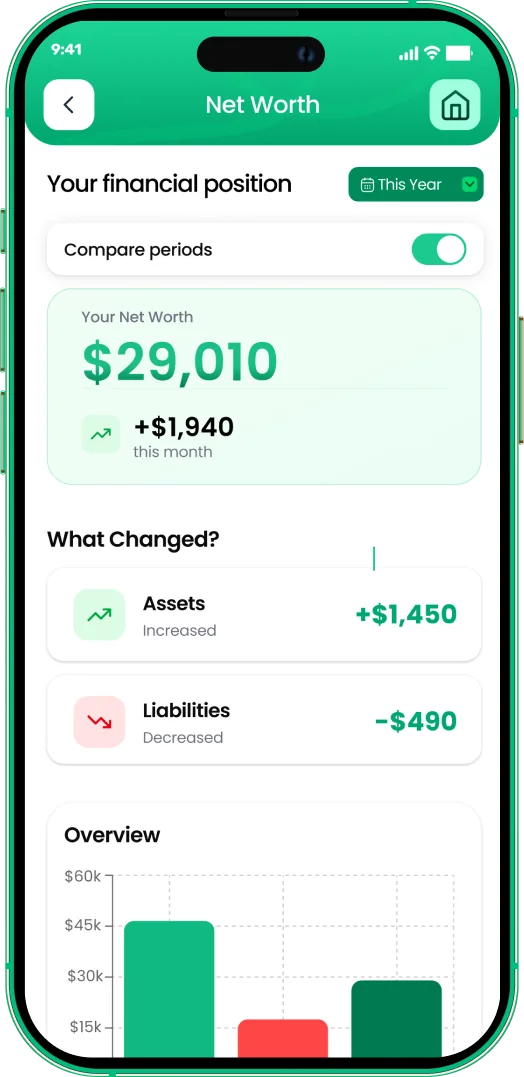
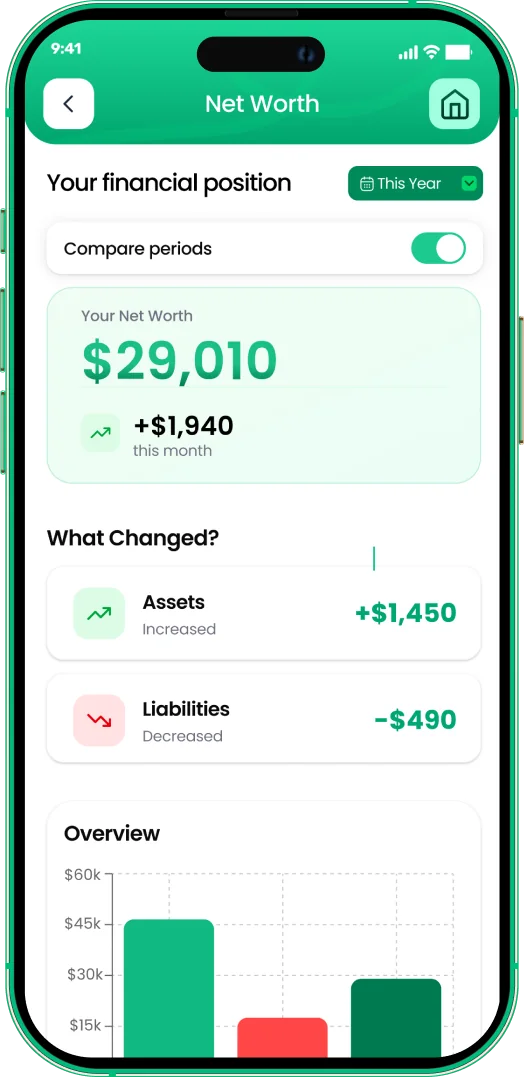
Watch your debt shrink
- Track loans, cards and your mortgage as liabilities
- See what changed each month
- Budget an extra payment into every month


How long does it take to build credit in Canada?
Most people see a first score within several months of opening their first account, once the lender has reported a few monthly statements. A strong score takes longer, usually a year or more of on-time payments and low balances. There is no shortcut that replaces time and consistency.
Negative information also lingers. Late payments and collections can stay on a Canadian credit report for about six years, which is why protecting your payment record from day one matters more than any other tactic.
Building credit as a newcomer to Canada
Newcomers face the same rules with less history. The practical plan is to open a bank account in your first weeks, apply for a secured or newcomer card, and use it lightly. Pay rent and utilities on time as well, since some landlords and providers can report or ask for references.
Keep your spending visible while you settle in. EMOH Pay lets you track expenses in 148 currencies with automatic conversion, which helps if you still pay bills at home, and bill tracking reminds you before each card due date. Our newcomer resources cover the first-month essentials.
- Avoid applying for many cards at once. Each hard check is recorded and several in a short time can look risky.
- Be careful with credit-builder offers. Compare fees and interest with a simple secured card before signing up.
- Protect your SIN. Share it only when required, and watch your report for accounts you did not open.
Mistakes that slow down building credit
- Carrying a balance to build credit. You do not need to pay interest to build a score. Paying in full builds the same history for free. Our credit card interest calculator shows what a carried balance costs.
- Maxing out a low limit. Even if you pay it off, a high reported balance can lower your score for that month.
- Missing a due date by a few days. Automate at least the minimum payment.
- Co-signing too early. You become responsible for someone else's debt and their missed payments affect you.
Once your file is established, the focus shifts from building to raising your score. Our guide on how to improve your credit score covers that next stage. To see every bill and due date in one place, explore EMOH Pay's features.
Pay it down with EMOH Pay
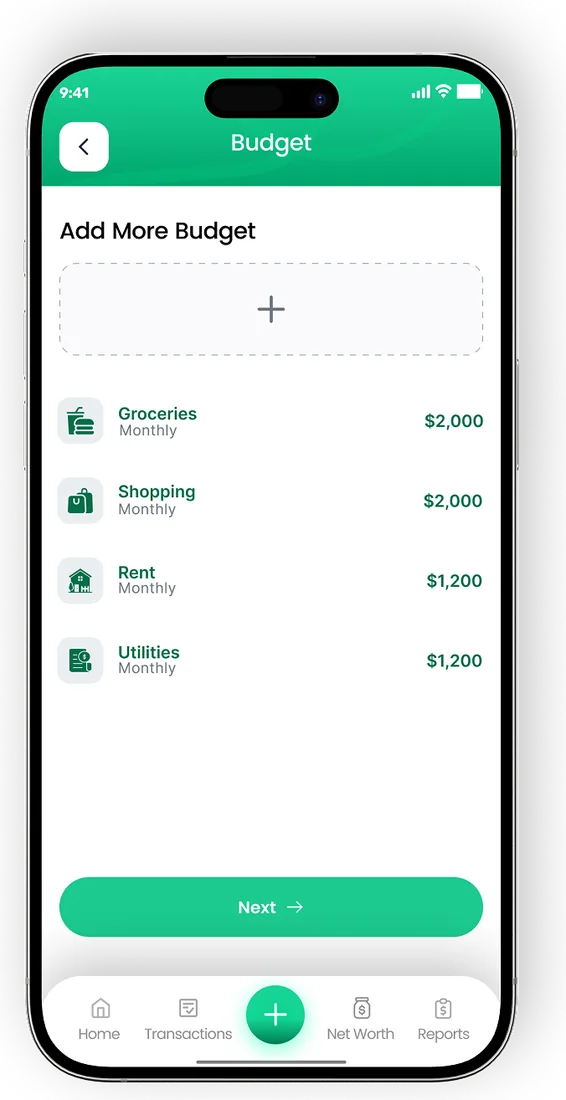

Put the numbers on autopilot
EMOH Pay tracks your spending, budgets and net worth on your phone and in the browser, always in sync. Free to start, made in Canada.
Get started free➜How to Build Credit in Canada: frequently asked questions
Can I build credit in Canada without a credit card?
Yes, but it is slower. Instalment loans, lines of credit and some phone financing plans report to the bureaus. For most people a secured card is the simplest low-cost starting point.
Does my credit history from another country count in Canada?
Usually not. Canadian bureaus generally start a new file when you arrive, so newcomers build Canadian history from the beginning.
Does checking my own credit report lower my score?
No. Checking your own report or score is a soft inquiry and has no effect. Only hard checks from lenders when you apply for credit are recorded as inquiries.
What is a good credit score in Canada?
Scores run from 300 to 900. Lenders set their own thresholds, but scores in the high 600s and above are generally viewed favourably, and higher scores tend to get better rates.
Does paying rent build credit in Canada?
Not automatically. Rent is not usually reported to the bureaus, although some landlords use third-party services that report it. Ask your landlord, and keep receipts as proof of reliable payment.
Sources and further reading
Related guides and tools
How to improve your credit score in Canada: the factors Equifax and TransUnion weigh, which fixes work fastest, what takes…
What Is a Credit Score?What is a credit score? A plain-language definition, how the number is calculated, what a good score looks like in Canada…
Banking in Canada for NewcomersYour first Canadian bank account, credit card and credit score — the practical getting-started guide. Free budgeting app…
Budgeting App for Newcomers to CanadaNew to Canada? Budget from day one with EMOH Pay: multi-currency support, Canadian banks, GST/HST awareness and…
Credit Card Interest CalculatorFree credit card interest calculator. Enter your balance, APR and monthly payment to see the total interest you will pay and…
Your Essential Guide to a Newcomer Budget in CanadaMoving to a new country is an exciting adventure filled with new opportunities and experiences. Canada offers a welcoming…
Start free today
Free on iPhone, Android and the web. Upgrade to EMOH Pro anytime for bank sync and advanced AI.
Download for iOS➜ Get it on Android➜