
Cost of Living in Sydney
Sydney rents are among the highest in Australia, and rent is quoted weekly. Here is what housing, transport, bills and food really cost, with two sample monthly budgets in Australian dollars.
Get started free➜ Download the app➜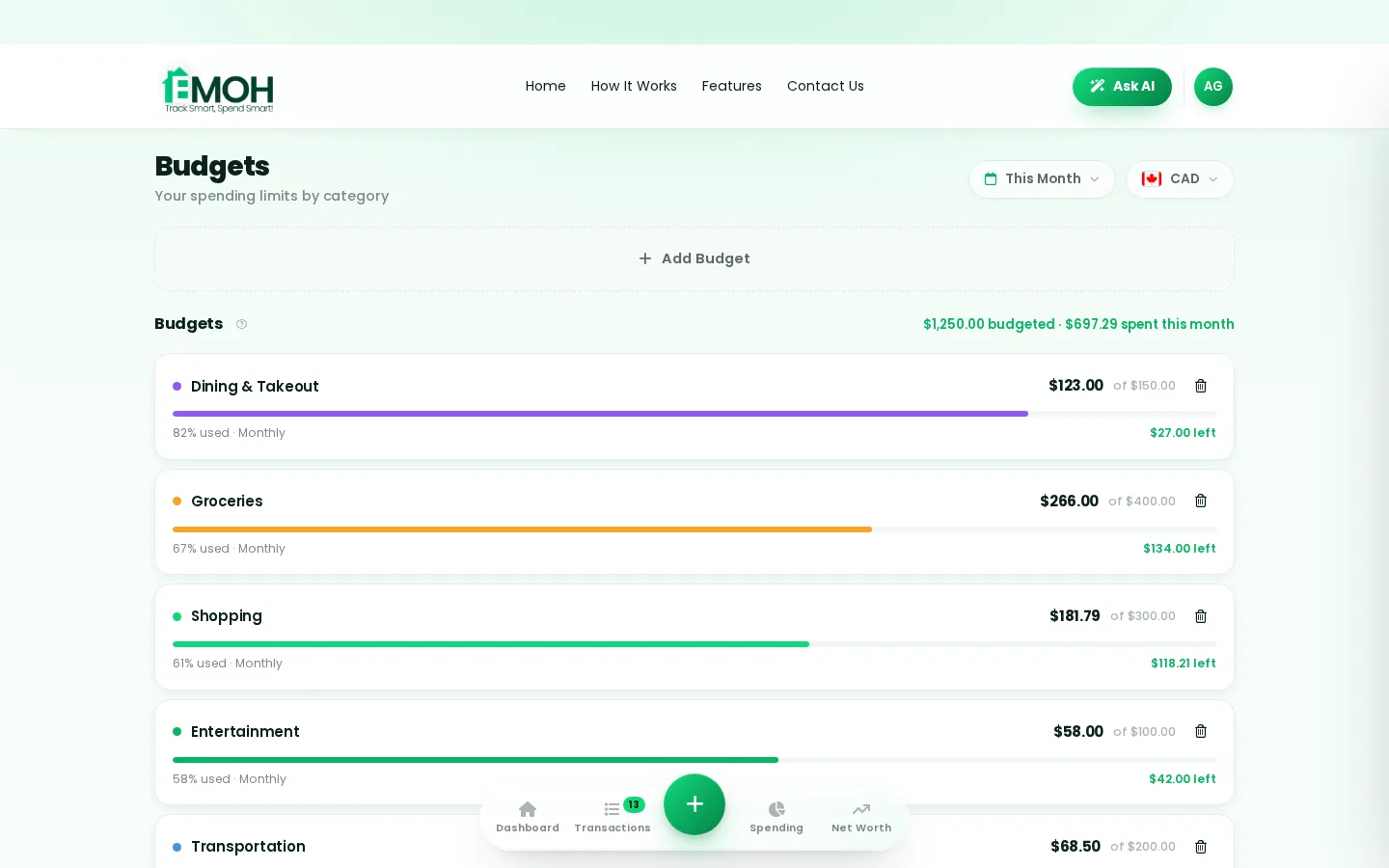
How much does it cost to live in Sydney?
A single person renting a one-bedroom unit in Sydney typically needs about A$3,850 to A$5,950 a month, and a family of four about A$6,850 to A$11,550, depending on suburb, car use and childcare. Rent is the biggest cost: a one-bedroom unit commonly lets for about A$550 to A$760 a week outside the most expensive areas.
The cost of living in Sydney is high by Australian standards. A single renter usually spends about A$3,850 to A$5,950 a month, and a family of four about A$6,850 to A$11,550. Housing drives the gap between those ranges: the Eastern Suburbs, the Lower North Shore and the inner west cost far more than Western Sydney.
These are planning ranges built from NSW Government rent data, Transport for NSW fares and typical household spending. They are not an official statistic, and your own number will depend on where you live and how you get around.
Comparing cities? See cost of living in Melbourne for the other big east-coast option.
Average rent in Sydney
Rent in Sydney is quoted per week. The NSW Government's quarterly Rent and Sales Report publishes median weekly rents by postcode and dwelling type, based on new bonds lodged. It is the most reliable place to check your target suburb.
To turn a weekly rent into a monthly budget line, multiply by 52 and divide by 12, or multiply by about 4.33. A A$650 weekly rent is about A$2,820 a month, not A$2,600. In NSW, a landlord can ask for a bond of up to four weeks' rent, which is lodged with NSW Fair Trading.
| Home type | Typical weekly range | About per month |
|---|---|---|
| Room in a share house | A$300 to A$450 | A$1,300 to A$1,950 |
| Studio | A$450 to A$600 | A$1,950 to A$2,600 |
| One-bedroom unit | A$550 to A$760 | A$2,400 to A$3,300 |
| Two-bedroom unit | A$700 to A$1,000 | A$3,050 to A$4,350 |
| Three-bedroom house | A$760 to A$1,100 | A$3,300 to A$4,800 |
Transport and getting around Sydney
Sydney's trains, metro, buses, ferries and light rail all use Opal, and you can tap on with a contactless bank card. Fares are capped each day and each week, with an adult weekly cap of about A$50 at recent fares, so heavy commuters pay a predictable amount. Concession fares apply to students, seniors and some low-income groups.
Many households still drive, especially in Western Sydney. Registration, compulsory third party insurance, fuel, parking and tolls add up fast. Sydney has more toll roads than any other Australian city, and a daily motorway commute can cost more than rent in a share house. Eligible drivers can claim a NSW toll relief rebate.
Tax, wages and bills in Sydney
- Income tax. Residents pay no tax on the first A$18,200. The 16% rate applies up to A$45,000 in 2025-26 and is legislated to fall to 15% from 1 July 2026. The Medicare levy adds 2% for most people. The ATO publishes the current rates.
- GST. A 10% goods and services tax is included in shelf prices, so the price you see is the price you pay.
- Minimum wage. The national minimum wage was A$24.95 an hour from 1 July 2025. The Fair Work Commission reviews it each year, so check the current rate.
- Energy. A unit's electricity and gas usually costs about A$100 to A$200 a month; houses cost more in winter and summer peaks.
- Water. In NSW, tenants in water-efficient homes usually pay for water usage, while landlords pay the fixed service charges.
Your home currency, any spending currency
- 148 currencies with automatic conversion
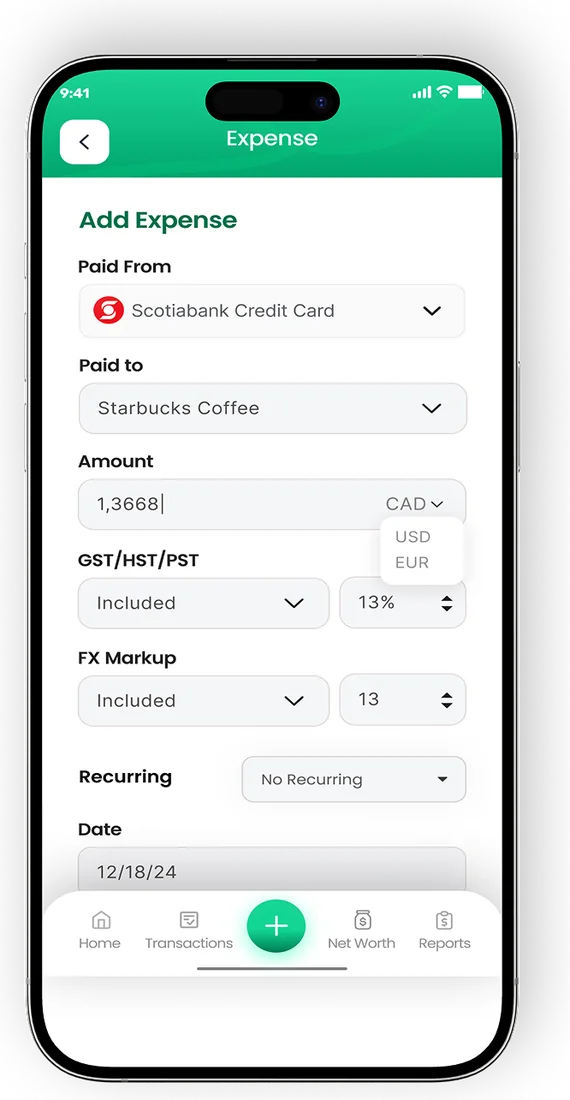
- Record FX markup on card purchases
- Phone and web always in sync


Sample monthly budget for Sydney
These budgets are illustrative ranges, not official statistics. The single budget assumes a one-bedroom unit and public transport. The family budget assumes two adults and two children in a three-bedroom house, one car plus Opal, and one child in subsidised childcare.
| Category | Single person | Family of four |
|---|---|---|
| Rent | A$2,400 to A$3,300 | A$3,300 to A$4,800 |
| Energy and water | A$100 to A$180 | A$200 to A$350 |
| Internet and phones | A$100 to A$150 | A$150 to A$250 |
| Groceries | A$400 to A$600 | A$1,200 to A$1,700 |
| Transport | A$150 to A$220 | A$600 to A$1,000 |
| Childcare after subsidy | None | A$300 to A$1,200 |
| Private health insurance (optional) | A$0 to A$150 | A$0 to A$350 |
| Personal, clothing, household | A$200 to A$350 | A$400 to A$600 |
| Eating out and entertainment | A$200 to A$400 | A$300 to A$500 |
| Savings | A$300 to A$600 | A$400 to A$800 |
| Total | about A$3,850 to A$5,950 | about A$6,850 to A$11,550 |
Childcare costs depend on your family income, because the Child Care Subsidy from Services Australia covers a larger share for lower-income families.
Figures checked September 2026; confirm current numbers with the NSW Government Rent and Sales Report, Transport for NSW, the ATO and the Fair Work Ombudsman.
How much do you need to earn to live in Sydney?
To cover a A$4,500 monthly budget as a single renter, you would typically need a gross salary of roughly A$65,000 to A$70,000 a year after income tax and the Medicare levy. Sharing a house brings that down a lot. Families usually need two incomes or one well above the average unless they live in lower-cost suburbs.
A common guide is to keep rent below 30% of gross income. In Sydney, many renters pay more, so a clear budget matters even on a good salary. A simple split such as the 50/30/20 rule is a useful starting point, with the needs share stretched to fit rent.
Tips for budgeting in Sydney
- Convert every weekly cost to monthly before you compare it with your pay.
- Choose your suburb by rent plus commute, including tolls, not rent alone.
- Use Opal fare caps and off-peak travel where your schedule allows.
- Build a sinking fund for car registration, insurance renewals and annual bills; our guide to sinking funds explains how.
- Track spending in EMOH Pay, free on iPhone, Android and the web. In Australia you add transactions manually or scan receipts, since automatic bank sync covers Canadian banks only. See all EMOH Pay features or our budgeting app for Australia page.
Every currency in one app

Put the numbers on autopilot
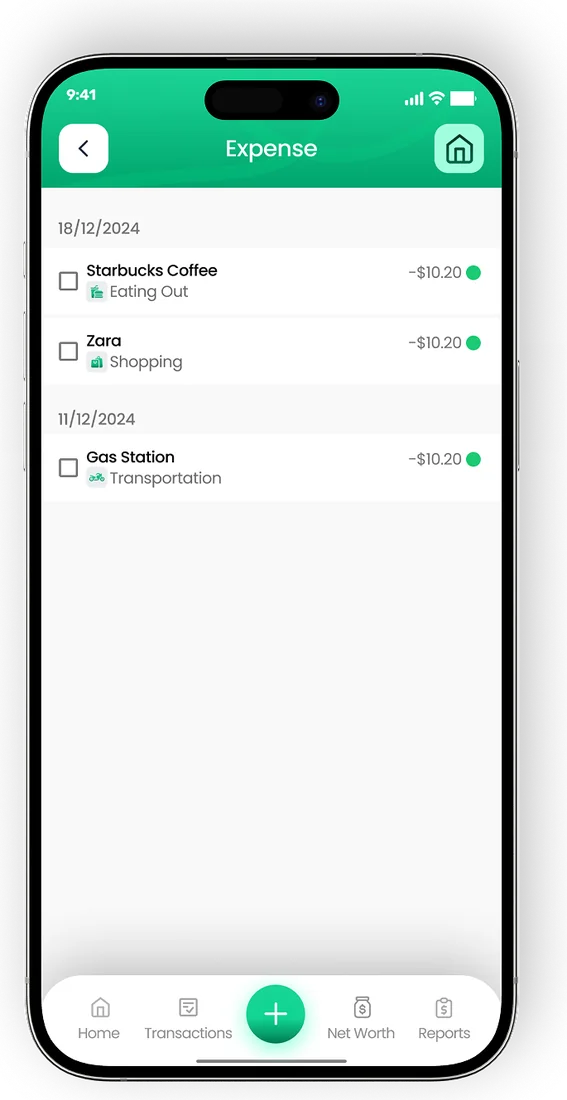
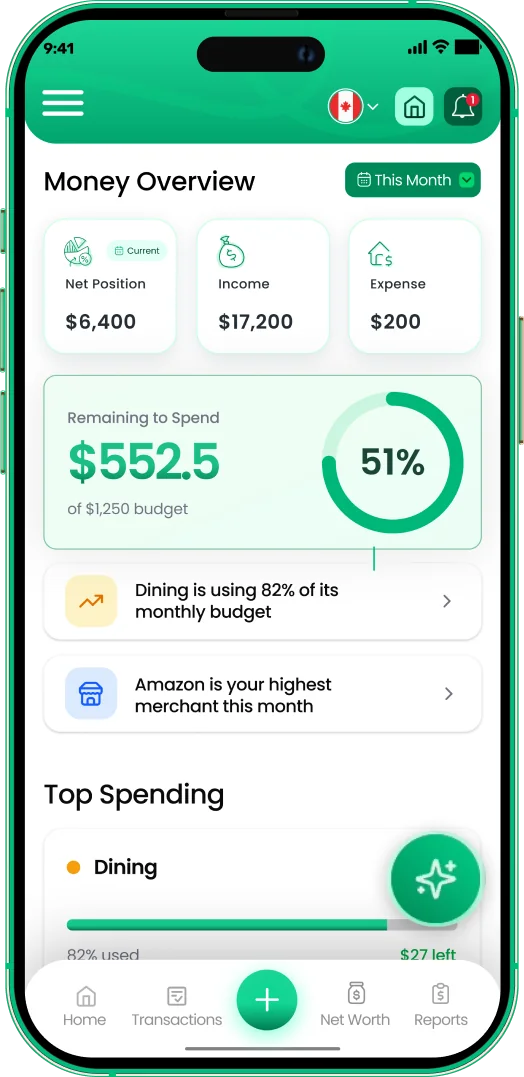
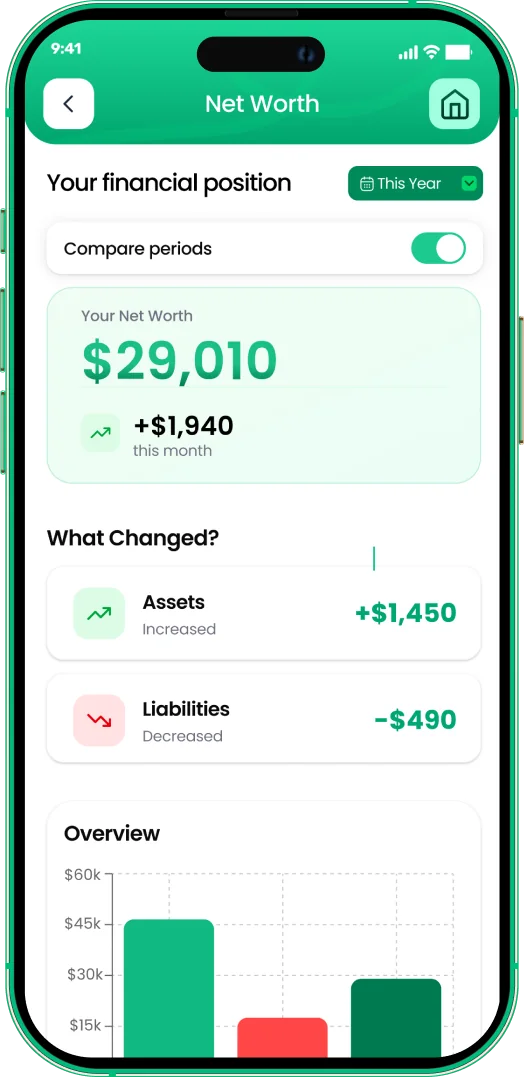
EMOH Pay tracks your spending, budgets and net worth on your phone and in the browser, always in sync. Free to start, made in Canada.
Get started free➜Cost of Living in Sydney: frequently asked questions
Is Sydney more expensive than Melbourne?
Generally yes. Sydney rents are usually higher than Melbourne's for similar homes, while most other prices are similar. Tolls also make driving in Sydney more expensive.
What salary do you need to live comfortably in Sydney?
A single renter in a one-bedroom unit usually needs roughly A$65,000 to A$70,000 or more before tax to cover costs and save. Share houses lower that considerably.
Why is rent in Sydney quoted weekly?
Weekly rent is the standard convention in Australia. Multiply by 52 and divide by 12 to get the true monthly cost for your budget.
How much is a rental bond in Sydney?
In NSW, a bond can be up to four weeks' rent for most tenancies. It is lodged with NSW Fair Trading and returned at the end of the lease, minus any agreed deductions.
Can I use EMOH Pay in Australian dollars?
Yes. EMOH Pay supports 148 currencies with automatic conversion, so you can budget in Australian dollars and still track money held in another currency.
Sources and further reading
Related guides and tools
EMOH Pay works in Australia: budget in AUD plus 147 other currencies, on your phone and the web. Manual tracking, budgets…
Cost of Living in Melbourne (2026)Cost of living in Melbourne for 2026: weekly rents, myki fares, energy, tax and sample monthly budgets in Australian dollars…
Cost of Living in Auckland (2026)Cost of living in Auckland for 2026: weekly rent, power bills, transport, income tax, KiwiSaver and sample monthly budgets…
The 50/30/20 Rule ExplainedThe 50/30/20 rule splits take-home pay into 50% needs, 30% wants and 20% savings. See what counts in each bucket, worked…
Sinking Funds: What They Are and How to Use ThemSinking funds turn big irregular costs into small monthly savings. Learn how they work, common sinking fund categories, a…
Multi-Currency Budgeting: A Complete GuideBuild a multi currency budget that works: pick a home currency and a conversion method, and plan for fees and rate swings…
Start free today
Free on iPhone, Android and the web. Upgrade to EMOH Pro anytime for bank sync and advanced AI.
Download for iOS➜ Get it on Android➜