
Cost of Living in Melbourne (2026)
Melbourne rents sit below Sydney's but have risen sharply since 2022. Here is what housing, transport, bills and tax cost in Victoria's capital, with two sample monthly budgets in Australian dollars.
Get started free➜ Download the app➜
How much does it cost to live in Melbourne?
A single person renting a one-bedroom unit in Melbourne typically needs about $3,200 to $4,950 a month, and a family of four about $6,500 to $10,700, based on Victorian Government rent data and typical household costs. Rent is the biggest expense, followed by groceries, transport and childcare.
The cost of living in Melbourne is high by global standards but a little lower than Sydney, mainly because of rent. A single renter usually spends about $3,200 to $4,950 a month including savings, and a family of four about $6,500 to $10,700. Inner-city suburbs close to the CBD push totals to the top of those ranges.
Rents are quoted per week in Australia, so remember to multiply by 52 and divide by 12 to get a monthly figure. Many budgets go wrong by simply multiplying weekly rent by four, which understates the true monthly cost by about 8%.
If you are deciding between Australia's two largest cities, our cost of living in Sydney guide shows the difference.
Average rent in Melbourne
The Victorian Government's quarterly Rental Report put the median weekly rent for new leases across metropolitan Melbourne at roughly $550 to $600 during 2025. That median covers all dwelling types, so one-bedroom flats are cheaper and family houses more expensive.
| Home | Per week | Per month | Where |
|---|---|---|---|
| Room in a share house | $250 to $380 | $1,080 to $1,650 | Brunswick, Footscray, Clayton |
| One-bedroom unit | $400 to $550 | $1,730 to $2,380 | Higher in Southbank, Richmond, St Kilda |
| Two-bedroom unit | $500 to $700 | $2,170 to $3,030 | Inner and middle-ring suburbs |
| Three-bedroom house | $550 to $750 | $2,380 to $3,250 | Outer suburbs such as Werribee, Frankston, Cranbourne |
Before you apply for a place, check it against your income with our rent affordability calculator. A common guideline is to keep rent below about 30% of gross household income.
Transport in Melbourne: myki, trams and cars
Melbourne runs Australia's largest tram network alongside trains and buses, all paid with a myki card. In 2025 a full-fare daily cap was $11, and travel within the CBD Free Tram Zone costs nothing. A regular weekday commuter typically spends about $180 to $240 a month, less with a longer-term myki Pass.
Many families in the outer suburbs rely on a car. Registration, insurance, fuel, tolls on CityLink or EastLink and servicing commonly add $800 to $1,200 a month for a household with one car and one myki user.
Fares usually change each January. Confirm current prices with Public Transport Victoria.
Tax, wages and bills in Melbourne
- Income tax. For 2025-26 the first $18,200 is tax-free, then 16% applies up to $45,000, 30% up to $135,000, 37% up to $190,000 and 45% above that, plus the 2% Medicare levy. On a $90,000 salary that leaves about $70,400 a year, or roughly $5,870 a month.
- Superannuation. Employers pay 12% of ordinary earnings into super from July 2025, on top of your salary.
- Minimum wage. The national minimum wage rose to $24.95 an hour, or $948 a week, from 1 July 2025.
- GST. Most goods and services carry 10% GST, though basic groceries, most health care and education are GST-free.
- Energy. Victoria's winters make heating a real cost. A one-bedroom unit usually pays about $100 to $180 a month for electricity and gas, and a family house $250 to $400, with the highest bills from June to August.
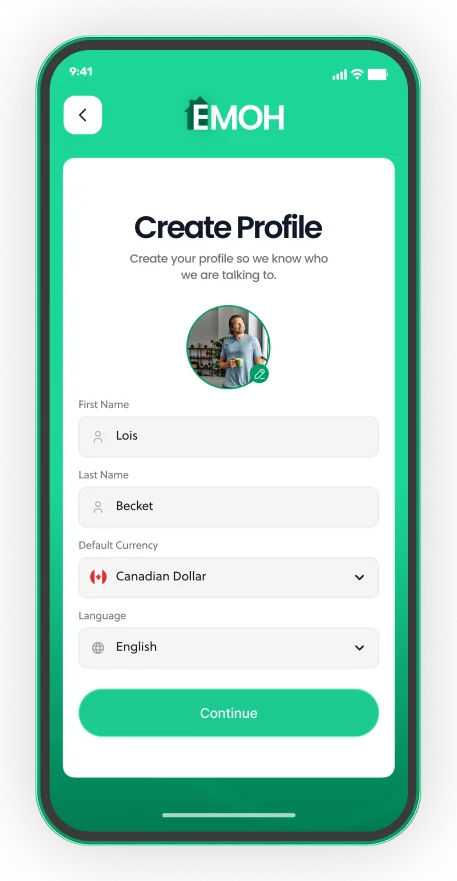
Your home currency, any spending currency
- 148 currencies with automatic conversion
- Record FX markup on card purchases
- Phone and web always in sync


Sample monthly budget for Melbourne
These budgets are illustrative ranges built from Victorian Government rent data, myki fares and typical household costs. They are not an official statistic. The family budget assumes two adults, two children, one car and some paid childcare.
| Category | Single person | Family of four |
|---|---|---|
| Rent | $1,730 to $2,380 (1-bed unit) | $2,380 to $3,250 (3-bed house) |
| Electricity and gas | $100 to $180 | $250 to $400 |
| Internet and phones | $100 to $150 | $150 to $220 |
| Groceries | $350 to $500 | $1,200 to $1,700 |
| Transport | $180 to $240 (myki) | $800 to $1,200 (car plus myki) |
| Childcare (after subsidy) | None | $300 to $1,200 |
| Insurance (contents, health) | $50 to $150 | $250 to $450 |
| Personal and household | $200 to $350 | $400 to $650 |
| Entertainment and dining | $200 to $400 | $300 to $600 |
| Savings | $300 to $600 | $500 to $1,000 |
| Total | About $3,200 to $4,950 | About $6,500 to $10,700 |
Childcare costs depend on your family's income and the Australian Government's Child Care Subsidy. Victoria also offers free kinder programs for three- and four-year-olds at participating services, which can lower costs for younger children.
Figures checked September 2026; confirm current numbers with the Victorian Government, the ATO and Public Transport Victoria.
Budgeting tips for living in Melbourne
- Convert weekly rent to monthly correctly: weekly rent times 52, divided by 12.
- Budget for winter heating from autumn so June to August bills are already covered.
- Compare energy retailers against the Victorian Default Offer at least once a year.
- Live near a train or tram line if you can, and skip the second car.
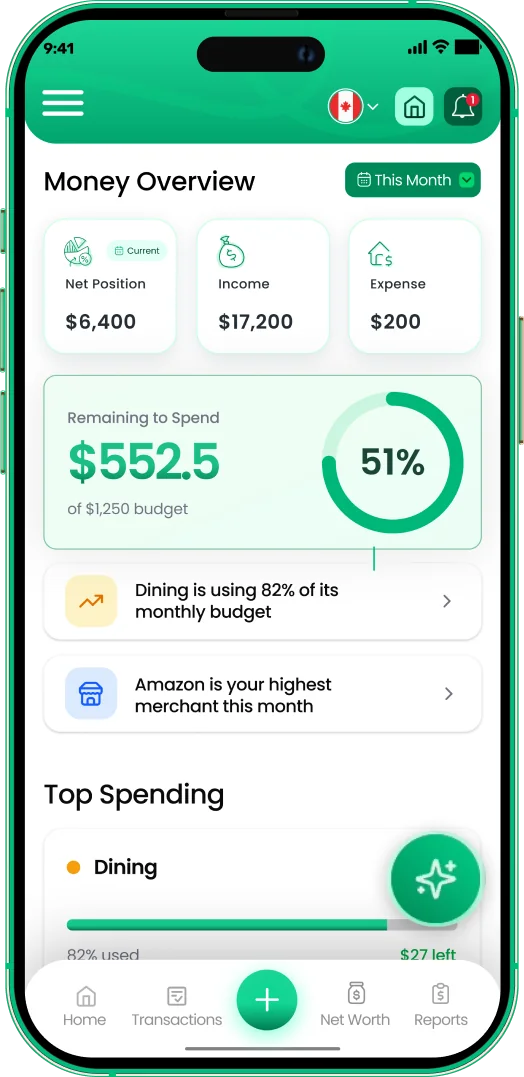
- Track every category for a month before setting limits. EMOH Pay is free on iPhone, Android and the web and works in Australian dollars. Bank sync is only available for Canadian banks, so in Australia you add transactions manually or from receipts.
See our budgeting app for Australia page and the budgeting worldwide guide for more, or compare with the cost of living in Auckland across the Tasman.
Every currency in one app
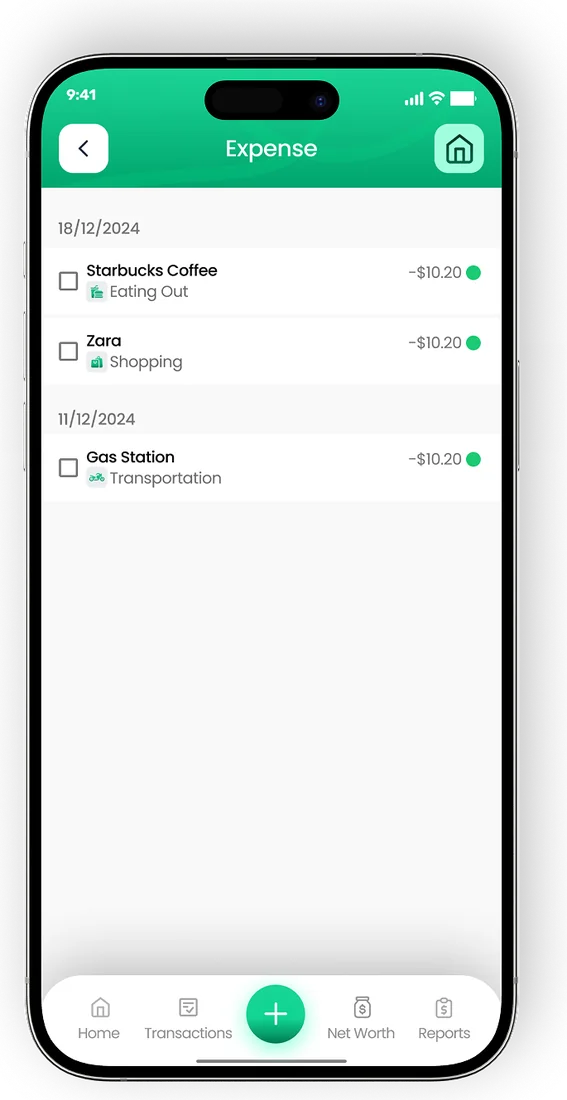

Put the numbers on autopilot
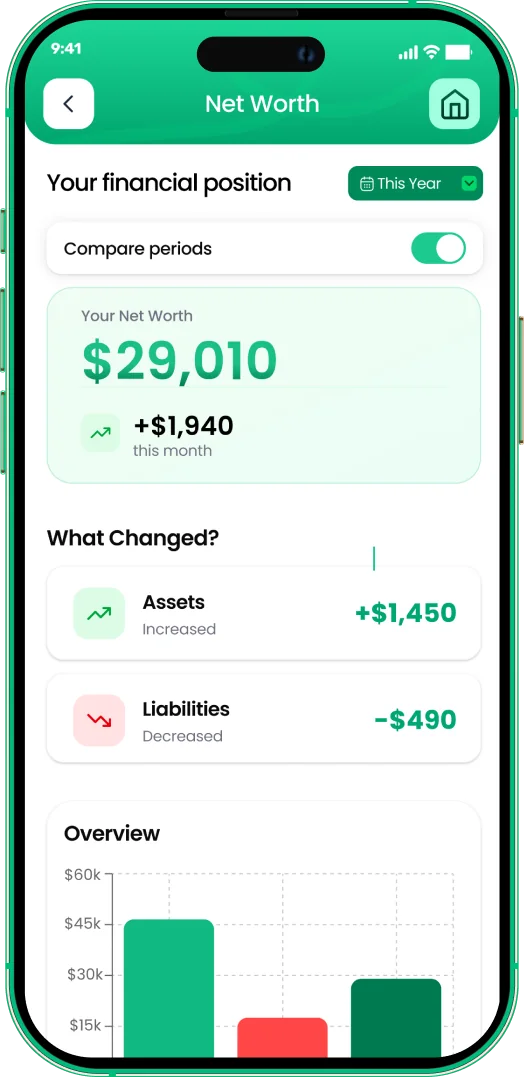
EMOH Pay tracks your spending, budgets and net worth on your phone and in the browser, always in sync. Free to start, made in Canada.
Get started free➜Cost of Living in Melbourne (2026): frequently asked questions
Is Melbourne cheaper than Sydney?
Generally yes, mostly because rent and house prices are lower. Groceries, energy and many other costs are similar across the two cities, so the gap comes mainly from housing.
What salary do you need to live comfortably in Melbourne?
A single renter spending about $4,000 a month needs roughly $65,000 to $75,000 a year before tax to cover costs and save. A family of four with one car and childcare typically needs a combined income of $130,000 or more, depending on rent.
How much is rent in Melbourne per week?
The Victorian Government put the median weekly rent for new leases across metropolitan Melbourne at roughly $550 to $600 in 2025. One-bedroom units commonly rent for about $400 to $550 a week.
How much does public transport cost in Melbourne?
In 2025 the full-fare myki daily cap was $11, and trams in the CBD Free Tram Zone are free. Regular commuters usually spend about $180 to $240 a month. Check Public Transport Victoria for current fares.
Can EMOH Pay connect to Australian banks?
No. Automatic bank sync is only available for Canadian banks. Australian users track spending in dollars by entering transactions manually or scanning receipts.
Related guides and tools
Cost of living in Sydney for 2026: typical weekly rent, Opal fares, energy bills, tax and sample monthly budgets for a…
Budgeting App for AustraliaEMOH Pay works in Australia: budget in AUD plus 147 other currencies, on your phone and the web. Manual tracking, budgets…
Budgeting App Worldwide — 148 CurrenciesEMOH Pay works in every country: 148 currencies, phone + web sync, bank connections in CA/US/UK. Free budgeting app made in…
Cost of Living in Auckland (2026)Cost of living in Auckland for 2026: weekly rent, power bills, transport, income tax, KiwiSaver and sample monthly budgets…
Rent Affordability CalculatorThe classic rule: keep rent at or under 30% of gross monthly income (35% of take-home in expensive cities). Enter your…
First Apartment BudgetPlan your first apartment budget: the upfront cash you need, deposit rules by province, a sample monthly budget and a…
Start free today
Free on iPhone, Android and the web. Upgrade to EMOH Pro anytime for bank sync and advanced AI.
Download for iOS➜ Get it on Android➜