
Cost of Living in Auckland (2026)
Auckland is New Zealand's most expensive city, and weekly rent is the number that decides most budgets. Here is what housing, power, transport and tax typically cost, with two sample monthly budgets in New Zealand dollars.
Get started free➜ Download the app➜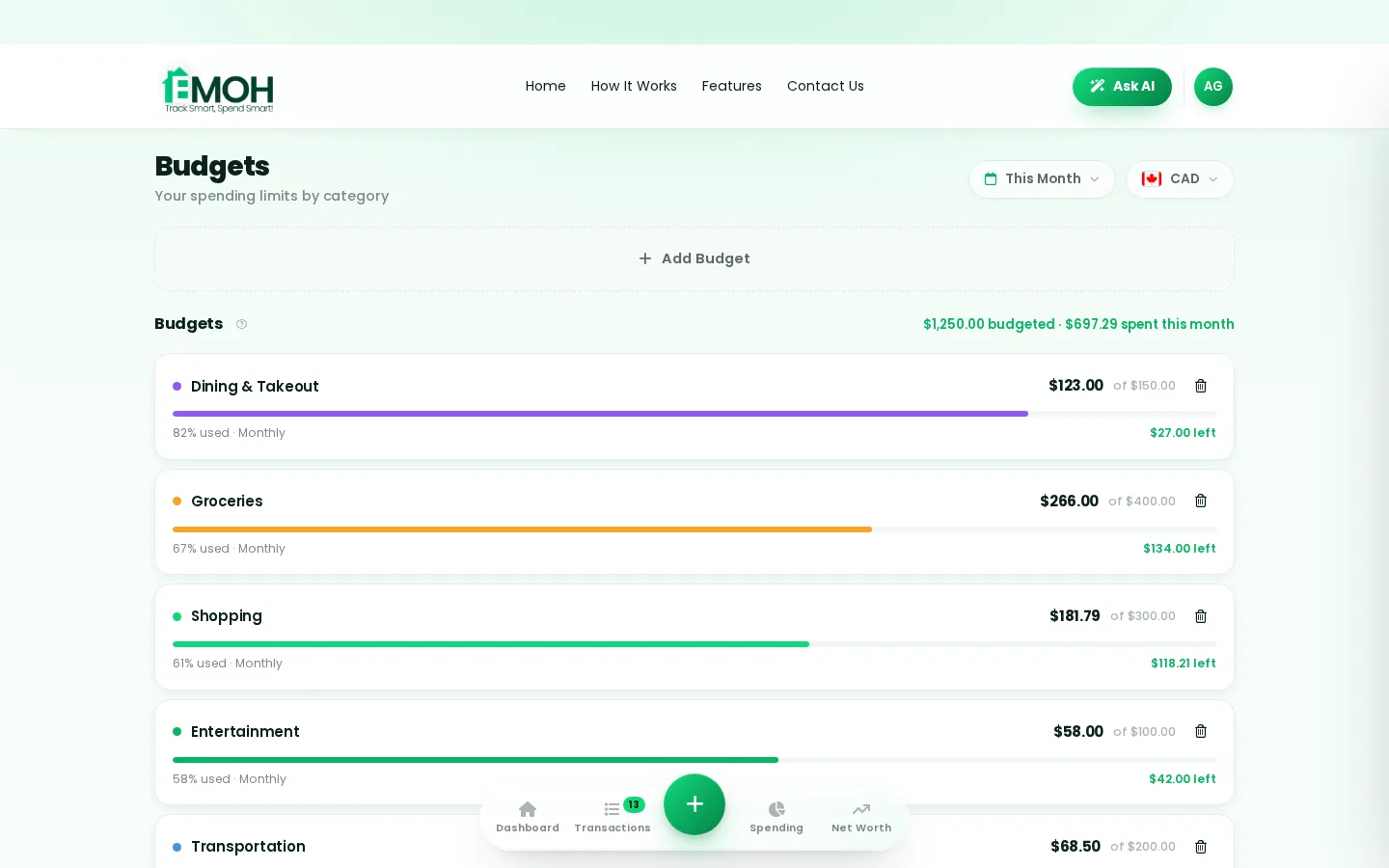
How much does it cost to live in Auckland?
A single person renting a one-bedroom home in Auckland typically needs about NZ$3,500 to 5,500 a month, and a family of four about NZ$6,400 to 10,500, depending on the suburb, childcare and whether you run a car. Rent is the largest cost by far, followed by groceries, transport and power in winter.
The cost of living in Auckland is high by New Zealand standards, mainly because of housing. A single renter usually spends about NZ$3,500 to 5,500 a month on rent, food, transport and modest extras. A family of four typically needs about NZ$6,400 to 10,500, with childcare and a second car pushing budgets to the top of that range.
These are illustrative ranges built from Tenancy Services bond data, published tax rates and typical household costs. They are not an official statistic. Stats NZ publishes the Consumers Price Index quarterly and food price data monthly if you want to track how prices are moving.
If you are weighing a move across the Tasman, compare the cost of living in Sydney and the cost of living in Melbourne.
Average rent in Auckland
Rent in New Zealand is quoted weekly, so multiply by 52 and divide by 12 to get a monthly figure. Central suburbs, the North Shore and eastern suburbs such as Remuera and Howick usually cost more. South and west Auckland offer more space for the money, with longer commutes for many.
| Home type | Typical weekly rent | Monthly equivalent |
|---|---|---|
| Room in a shared house | NZ$250 to 350 | NZ$1,080 to 1,520 |
| One bedroom | NZ$450 to 580 | NZ$1,950 to 2,510 |
| Two bedrooms | NZ$550 to 700 | NZ$2,380 to 3,030 |
| Three bedrooms | NZ$650 to 850 | NZ$2,820 to 3,680 |
Landlords can ask for a bond of up to four weeks' rent, which is lodged with Tenancy Services, plus rent in advance. Letting fees charged to tenants are banned in New Zealand. Save the bond as a goal before you start viewing homes.
Income tax, KiwiSaver and GST in Auckland
New Zealand has a single national income tax system with no regional tax. Rates changed on 31 July 2024, and your employer deducts PAYE from each pay, along with the ACC earners' levy.
| Annual taxable income | Tax rate |
|---|---|
| Up to NZ$15,600 | 10.5% |
| NZ$15,601 to NZ$53,500 | 17.5% |
| NZ$53,501 to NZ$78,100 | 30% |
| NZ$78,101 to NZ$180,000 | 33% |
| Over NZ$180,000 | 39% |
KiwiSaver is New Zealand's workplace retirement scheme. New employees are automatically enrolled, and the minimum employee contribution was 3% of pay, rising to 3.5% from 1 April 2026 under changes announced in Budget 2025. Check your current rate with Inland Revenue.
GST at 15% is included in almost every shelf price, so the price you see is the price you pay.
Transport, power and other everyday costs
- Public transport. Auckland Transport runs buses, trains and ferries, paid with an AT HOP card. Fares depend on the zones you travel through, and a weekly fare cap limits what frequent riders pay.
- Running a car. Many Aucklanders drive. Fuel, insurance, registration, maintenance and parking commonly add NZ$400 to 800 a month for a single car before any loan repayments.
- Power and gas. Winter heating drives bills. A one-bedroom apartment might pay about NZ$100 to 180 a month in summer and more in July; a family house often NZ$250 to 400 in winter. Compare retailers on Consumer NZ's independent Powerswitch site.
- Groceries. A single person usually spends about NZ$450 to 650 a month, and a family of four about NZ$1,300 to 1,800, depending on diet and where you shop.
- Childcare. Early childhood education is expensive for under-threes. The 20 Hours ECE scheme funds up to 20 hours a week for children aged three to five at participating services.
Your home currency, any spending currency
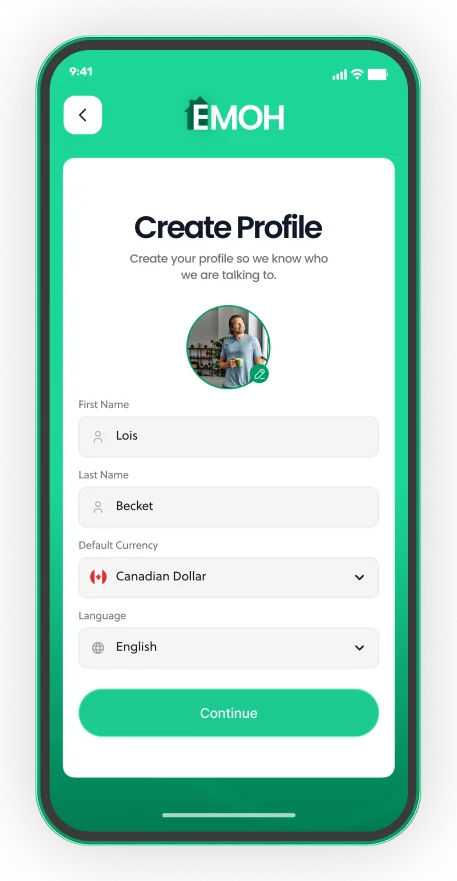
- 148 currencies with automatic conversion
- Record FX markup on card purchases
- Phone and web always in sync


Sample monthly budget for Auckland
These budgets are illustrative ranges, not official statistics. The single budget assumes a one-bedroom home and an AT HOP card or a small car. The family budget assumes two adults, two children, a three-bedroom rental and one car.
| Category | Single person | Family of four |
|---|---|---|
| Rent | NZ$1,950 to 2,500 | NZ$2,800 to 3,700 |
| Power and gas | NZ$120 to 220 | NZ$250 to 400 |
| Internet and mobile | NZ$110 to 160 | NZ$170 to 250 |
| Groceries | NZ$440 to 650 | NZ$1,350 to 1,800 |
| Transport | NZ$200 to 550 | NZ$700 to 1,100 |
| Childcare | None | NZ$0 to 1,200 |
| Insurance (contents, car) | NZ$30 to 90 | NZ$120 to 250 |
| Personal, clothing, household | NZ$150 to 250 | NZ$350 to 550 |
| Eating out and entertainment | NZ$200 to 380 | NZ$260 to 450 |
| Savings | NZ$300 to 700 | NZ$400 to 800 |
| Total | About NZ$3,500 to 5,500 | About NZ$6,400 to 10,500 |
KiwiSaver contributions come out of pay before it reaches your account, so they are not shown here. If you earn in one currency and spend in another, the currency converter gives indicative rates and our multi-currency budget app page explains how to track both.
Figures checked September 2026; confirm current numbers with Tenancy Services, Inland Revenue and Stats NZ.
How to budget in Auckland
- Convert weekly costs to monthly ones. Rent, pay and many bills in New Zealand run weekly or fortnightly, so pick one period and stick to it.
- Test the commute before you sign a lease. A cheaper suburb can cost more once fuel, parking and time are counted.
- Set aside extra in summer for winter power bills.
- Keep the bond, car registration and insurance renewals in their own savings goals.
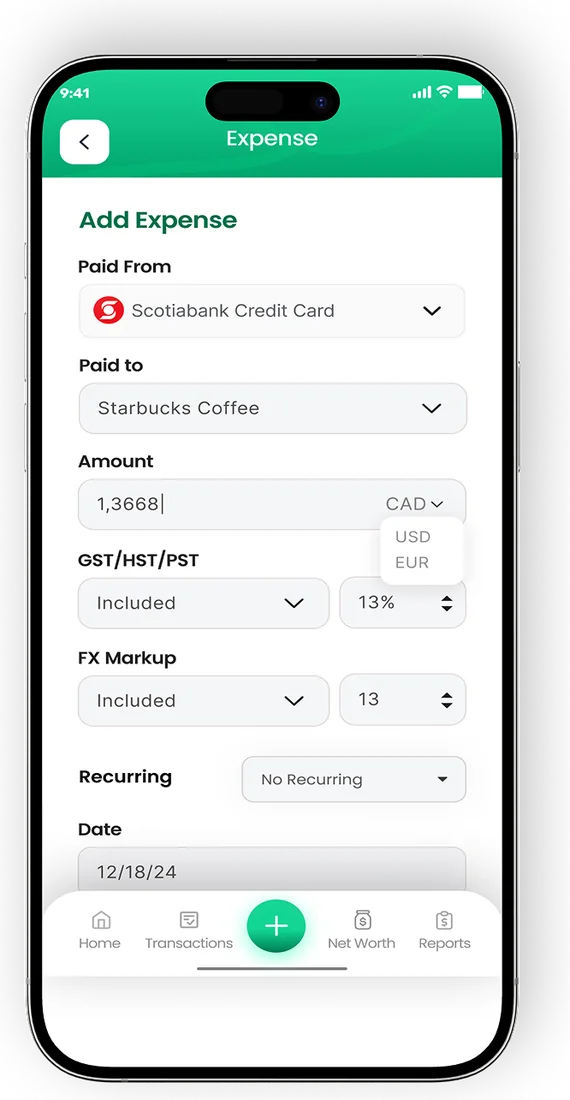
- Track spending in New Zealand dollars. EMOH Pay is free on iPhone, Android and the web and supports NZD among 148 currencies. Bank sync is not available for New Zealand banks, so you add transactions manually. Our worldwide budgeting app page explains how it works outside Canada.
Every currency in one app

Put the numbers on autopilot
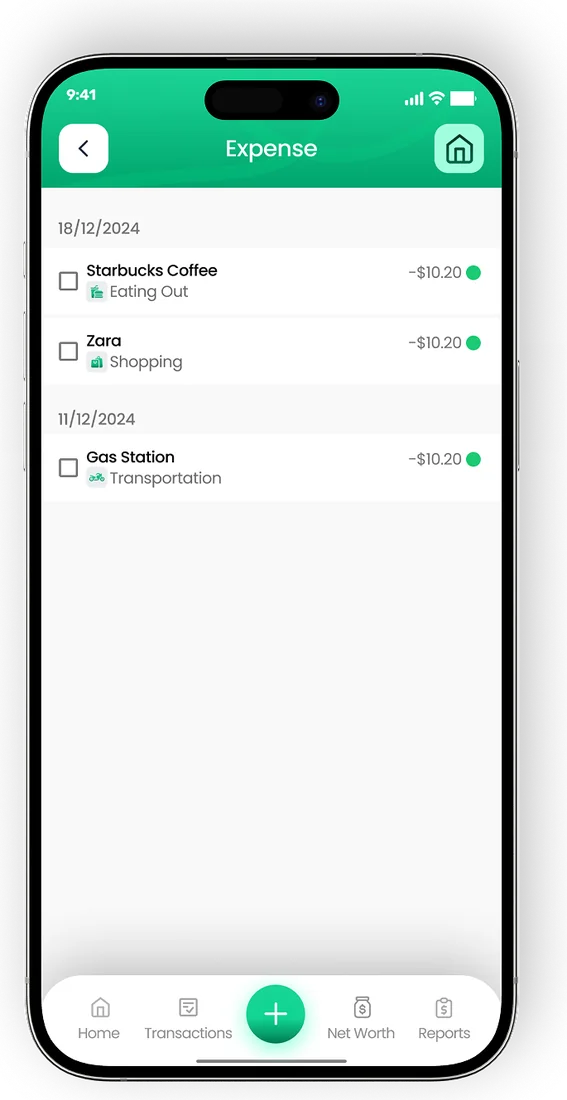
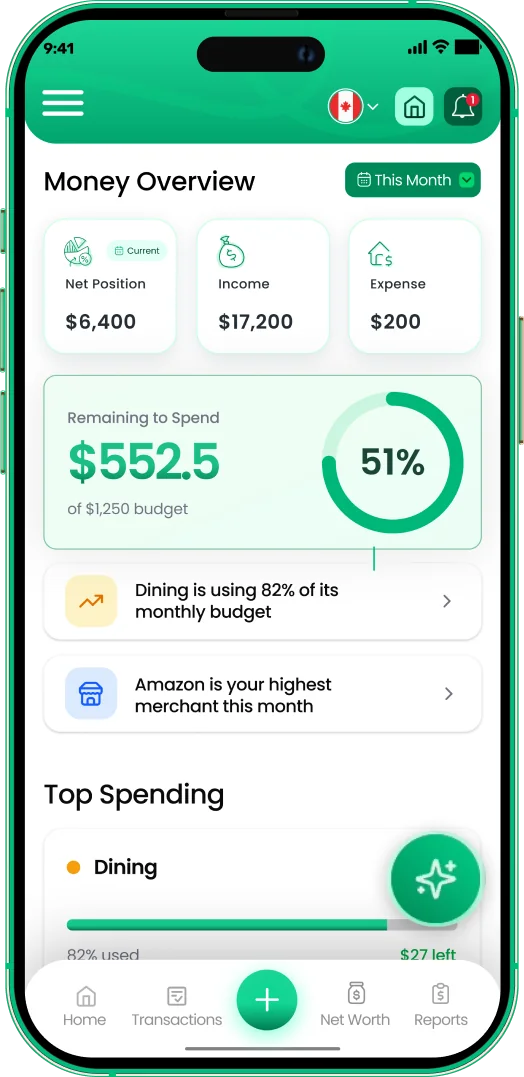
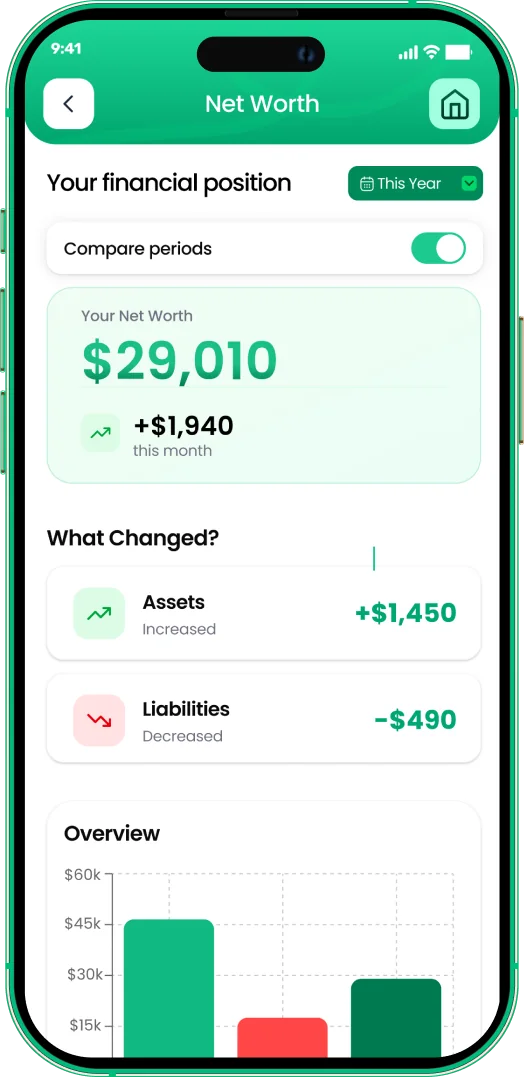
EMOH Pay tracks your spending, budgets and net worth on your phone and in the browser, always in sync. Free to start, made in Canada.
Get started free➜Cost of Living in Auckland (2026): frequently asked questions
Is Auckland more expensive than Wellington?
Generally yes, mainly because Auckland rents and house prices are higher. Everyday costs such as groceries and GST are similar across New Zealand. Check Tenancy Services market rent data for the suburbs you are comparing.
What salary do you need to live comfortably in Auckland?
A single renter spending about NZ$4,500 a month needs roughly NZ$75,000 to 85,000 a year before tax to cover costs, KiwiSaver and savings. A family of four usually needs a combined household income well above NZ$120,000, depending on childcare and rent.
How much is rent in Auckland per week?
A one-bedroom home typically rents for about NZ$450 to 580 a week and a three-bedroom house about NZ$650 to 850, with wide variation by suburb. A room in a shared house usually costs NZ$250 to 350 a week.
Is Auckland cheaper than Sydney?
Rents in Auckland are generally lower than in Sydney, but wages are also lower, so the gap in affordability is smaller than the price difference suggests. Compare take-home pay against rent for your own situation.
Can EMOH Pay connect to New Zealand banks?
No. Automatic bank sync through Plaid is only available for Canadian banks on EMOH Pro. In New Zealand you can use EMOH Pay free with manual entry, budgets, savings goals and reports in NZD.
Sources and further reading
Related guides and tools
Cost of living in Sydney for 2026: typical weekly rent, Opal fares, energy bills, tax and sample monthly budgets for a…
Cost of Living in Melbourne (2026)Cost of living in Melbourne for 2026: weekly rents, myki fares, energy, tax and sample monthly budgets in Australian dollars…
Budgeting App Worldwide — 148 CurrenciesEMOH Pay works in every country: 148 currencies, phone + web sync, bank connections in CA/US/UK. Free budgeting app made in…
Multi Currency Budget AppEMOH Pay supports 148 currencies with live conversion — perfect for expats, travellers, newcomers and anyone whose money…
Currency ConverterQuick conversion between major currencies (indicative 2026 rates — live rates inside the EMOH Pay app, with 148 currencies…
Budgeting App for AustraliaEMOH Pay works in Australia: budget in AUD plus 147 other currencies, on your phone and the web. Manual tracking, budgets…
Start free today
Free on iPhone, Android and the web. Upgrade to EMOH Pro anytime for bank sync and advanced AI.
Download for iOS➜ Get it on Android➜