
Cost of Living in London (2026)
London has the highest rents in the UK, so housing decides almost everything else. Here is what rent, council tax, transport, bills and food really cost, with two sample monthly budgets in pounds.
Get started free➜ Download the app➜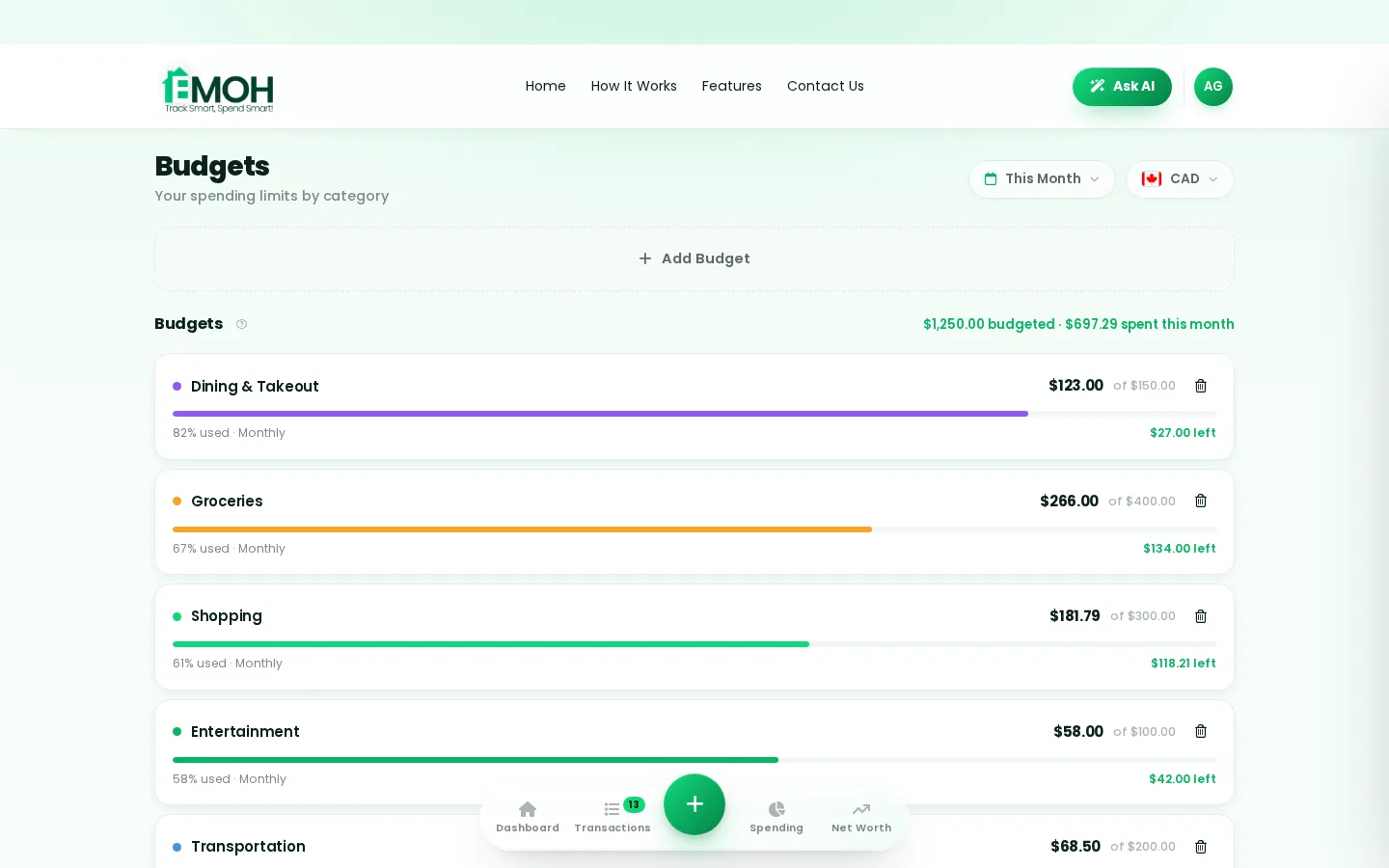
How much does it cost to live in London?
A single person renting a one-bedroom flat in London typically needs about £2,750 to £4,000 a month, and a family of four about £5,200 to £7,800, depending on zone and whether children need paid childcare. Rent takes the biggest share: ONS data put the average London private rent at about £2,200 a month in 2025.
The cost of living in London is the highest of any UK city. A single renter usually spends about £2,750 to £4,000 a month on essentials and modest extras, and a family of four about £5,200 to £7,800. Housing is the deciding factor: a room in a shared house in outer London costs a fraction of a one-bedroom flat in Zone 1 or 2.
These are planning ranges built from ONS rent data, TfL fares, Ofgem's price cap and typical household spending, not an official statistic. Your own figure will depend on where you live, how you commute and whether you have children in paid childcare.
If you are weighing a move within the UK, compare with cost of living in Manchester, and see average salary in the UK to judge what income those costs require.
Average rent in London
Average rent in London was about £2,200 a month across all property types in 2025, according to the Office for National Statistics. That average blends small flats and family houses and every borough, so a one-bedroom in Camden will cost far more than one in Bexley or Croydon.
New tenancies usually cost more than the average, which includes long-standing tenants. Expect a holding deposit of up to one week's rent and a tenancy deposit of up to five weeks' rent in England, where most letting fees for tenants have been banned since 2019.
| Home type | Typical range | What to expect |
|---|---|---|
| Room in a shared house | £800 to £1,200 | Bills sometimes included |
| Studio | £1,300 to £1,700 | Common for single renters in Zones 2 to 4 |
| One bedroom | £1,600 to £2,300 | Widest spread by borough |
| Two bedroom | £2,000 to £3,000 | Popular with sharers and couples |
| Three bedroom | £2,600 to £3,800 | Mostly outer boroughs for families |
Council tax, energy and other monthly bills
- Council tax. Set by each borough and property band. Band D ranges from roughly £1,000 a year in the cheapest boroughs to over £2,000 in many outer boroughs. People living alone get a 25% discount.
- Energy. Ofgem's price cap put a typical dual-fuel household at around £1,700 to £1,900 a year in 2025 and 2026. A one-bedroom flat often uses less, about £90 to £150 a month.
- Water. Thames Water or your local supplier, commonly £35 to £60 a month.
- Broadband and mobile. About £25 to £40 for broadband and £10 to £25 for a SIM-only phone plan.
- TV licence. About £175 to £180 a year if you watch live TV or use BBC iPlayer.
Transport costs in London
Transport for London caps pay-as-you-go fares by day and week when you tap the same contactless card or Oyster. A monthly Zones 1 to 2 Travelcard costs about £170 to £190 at recent fares, and each extra zone adds more. Buses use a separate, cheaper flat fare with a free transfer within an hour.
Owning a car in London is expensive and rarely needed. Parking permits, insurance, the Congestion Charge in central London and the Ultra Low Emission Zone across all boroughs add up quickly. Many Londoners walk, cycle or use buses instead.
Your home currency, any spending currency
- 148 currencies with automatic conversion
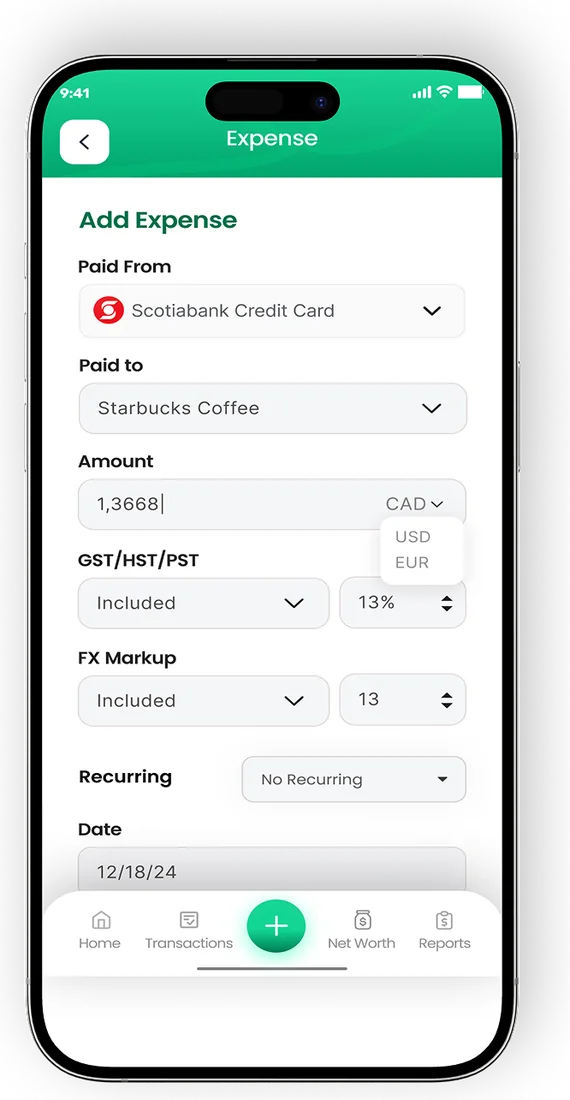
- Record FX markup on card purchases
- Phone and web always in sync


Sample monthly budget for London
These budgets are illustrative ranges, not official statistics. The single budget assumes a one-bedroom flat in Zones 2 to 4. The family budget assumes two adults and two children in a three-bedroom home in an outer borough, one young child using funded childcare hours and no car.
| Category | Single person | Family of four |
|---|---|---|
| Rent | £1,600 to £2,100 | £2,600 to £3,300 |
| Council tax | £90 to £140 | £150 to £220 |
| Energy and water | £120 to £200 | £200 to £320 |
| Broadband, phones, TV licence | £50 to £75 | £80 to £120 |
| Groceries | £220 to £320 | £700 to £950 |
| Transport | £170 to £220 | £250 to £400 |
| Childcare top-ups and activities | None | £300 to £900 |
| Personal, clothing, household | £150 to £250 | £350 to £500 |
| Eating out and entertainment | £150 to £300 | £250 to £450 |
| Savings | £200 to £400 | £300 to £600 |
| Total | about £2,750 to £4,000 | about £5,200 to £7,800 |
In England, eligible working parents can get up to 30 hours of funded childcare a week for children from nine months old, but many nurseries charge for meals, extra hours and holidays, which the childcare line covers.
Figures checked September 2026; confirm current numbers with the ONS, TfL, Ofgem and your borough council.
How much do you need to earn to live in London?
To cover a £3,300 monthly budget as a single renter, you would typically need a gross salary of roughly £50,000 to £55,000 a year after income tax at 20% and 40% and National Insurance at 8%. Sharing a flat lowers that sharply. Housing costs above 40% of take-home pay are a common sign of strain.
The National Living Wage is £12.71 an hour from April 2026 for workers aged 21 and over. Many London employers pay more, but a full-time job on the minimum wage leaves little room once rent is paid, which is why most lower-paid Londoners share or live further out.
Tips for budgeting in London
- Choose where to live by total cost, adding rent, council tax and your commute together.
- Use contactless or Oyster fare capping, and check a Railcard if you are eligible.
- Compare broadband and SIM-only deals when contracts end, rather than rolling onto higher prices.
- Build a split such as the 50/30/20 rule, adjusted for London rent.
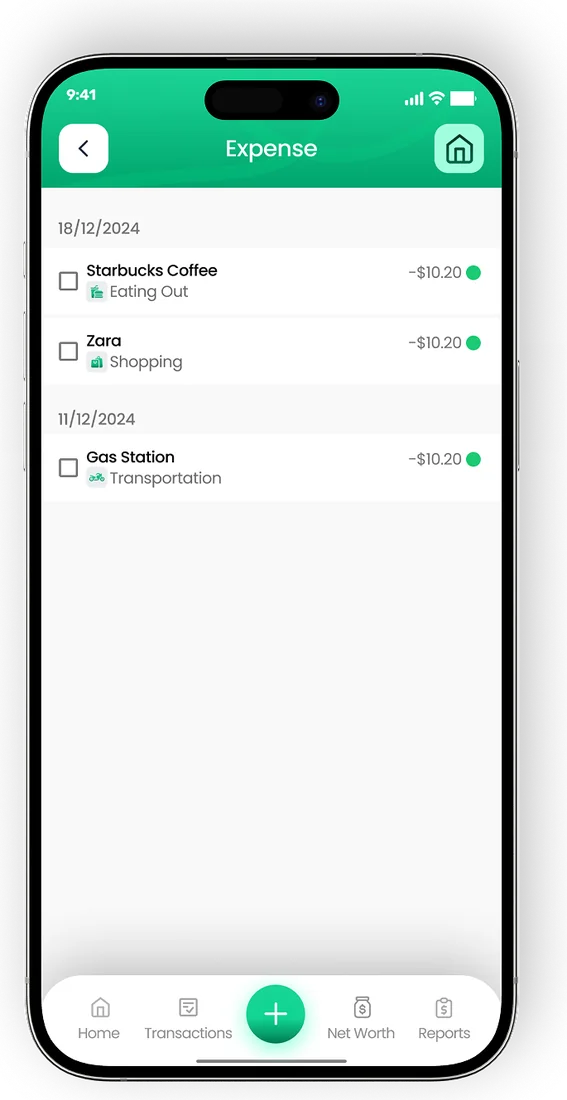
- Track every category in EMOH Pay, free on iPhone, Android and the web. In the UK you add transactions manually or scan receipts, since automatic bank sync covers Canadian banks only. See all EMOH Pay features or our budgeting app for the UK page.
Every currency in one app

Put the numbers on autopilot
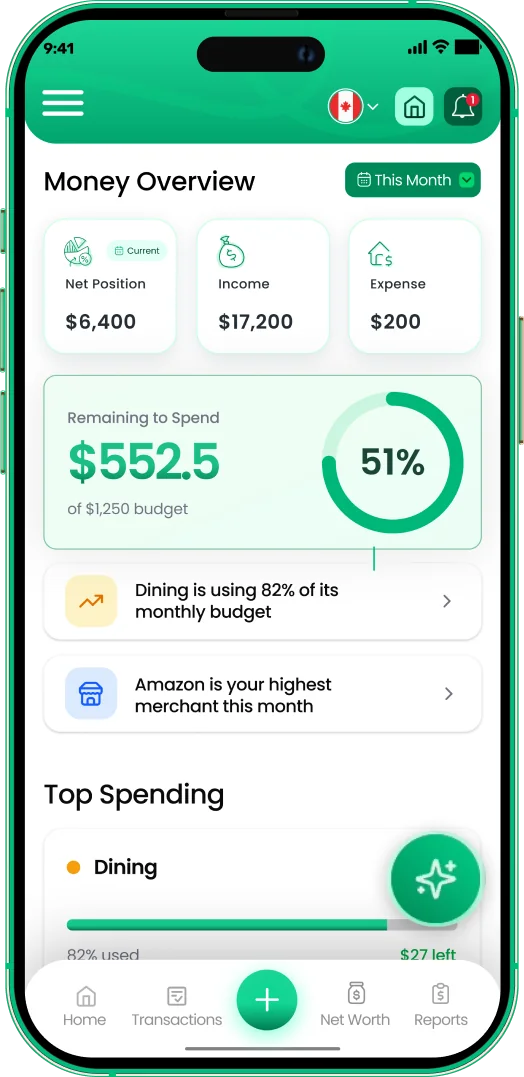
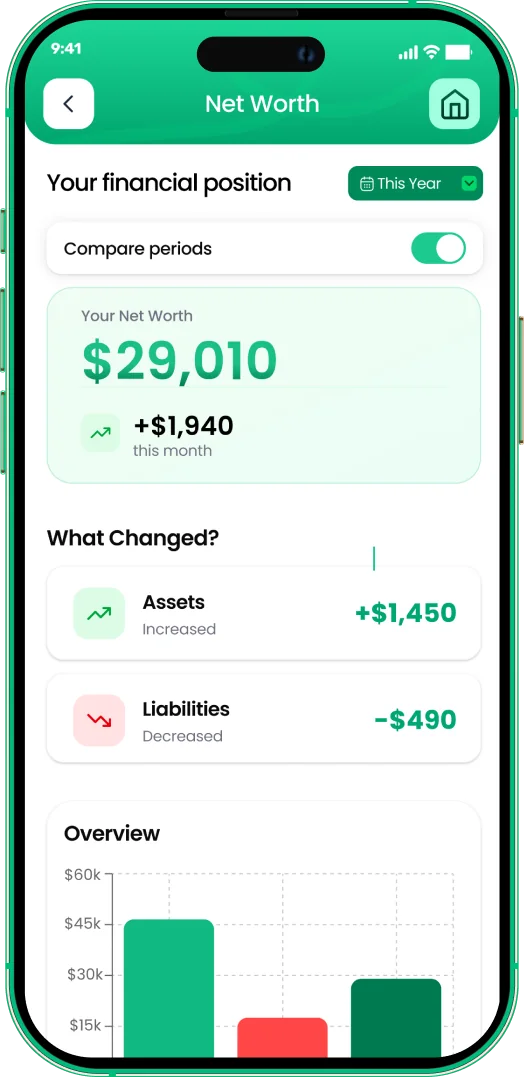
EMOH Pay tracks your spending, budgets and net worth on your phone and in the browser, always in sync. Free to start, made in Canada.
Get started free➜Cost of Living in London (2026): frequently asked questions
Is London more expensive than Manchester?
Yes, mainly because of rent. London rents are far higher than those in Manchester, while many other prices are similar across the UK.
What salary do you need to live comfortably in London?
A single renter in a one-bedroom flat usually needs roughly £50,000 or more before tax to cover costs and save. Sharing a flat can bring that closer to £35,000 to £40,000.
How much is council tax in London?
It depends on the borough and the property's band. Band D ranges from about £1,000 to over £2,000 a year, and people living alone get a 25% discount.
How much is a monthly travel card in London?
A Zones 1 to 2 monthly Travelcard costs about £170 to £190 at recent fares. Fare capping on contactless and Oyster can be cheaper if you do not travel every day.
Can I use EMOH Pay in pounds?
Yes. EMOH Pay supports 148 currencies with automatic conversion, so you can budget in pounds and still see savings or transfers in another currency.
Sources and further reading
Related guides and tools
EMOH Pay works in United Kingdom: budget in GBP plus 147 other currencies, on your phone and the web. Track spending in…
Cost of Living in Manchester (2026)Cost of living in Manchester for 2026: typical rent, council tax, energy bills, Bee Network fares and sample monthly budgets…
Average Salary in the UK (2026)The average salary in the UK was £37,430 for full-time workers in April 2024, per ONS. See 2026 estimates, take-home pay by…
The 50/30/20 Rule ExplainedThe 50/30/20 rule splits take-home pay into 50% needs, 30% wants and 20% savings. See what counts in each bucket, worked…
GBP to INR Converter + Budget PlannerConvert GBP to INR, see how fees and exchange margins change what arrives in India and plan a monthly transfer your UK…
Multi-Currency Budgeting: A Complete GuideBuild a multi currency budget that works: pick a home currency and a conversion method, and plan for fees and rate swings…
Start free today
Free on iPhone, Android and the web. Upgrade to EMOH Pro anytime for bank sync and advanced AI.
Download for iOS➜ Get it on Android➜