
Average Salary in the UK (2026)
The ONS Annual Survey of Hours and Earnings put median full-time pay at £37,430 a year in April 2024. Here is what that means after tax, how 2026 pay is likely to compare and why your own salary may look very different.
Get started free➜ Download the app➜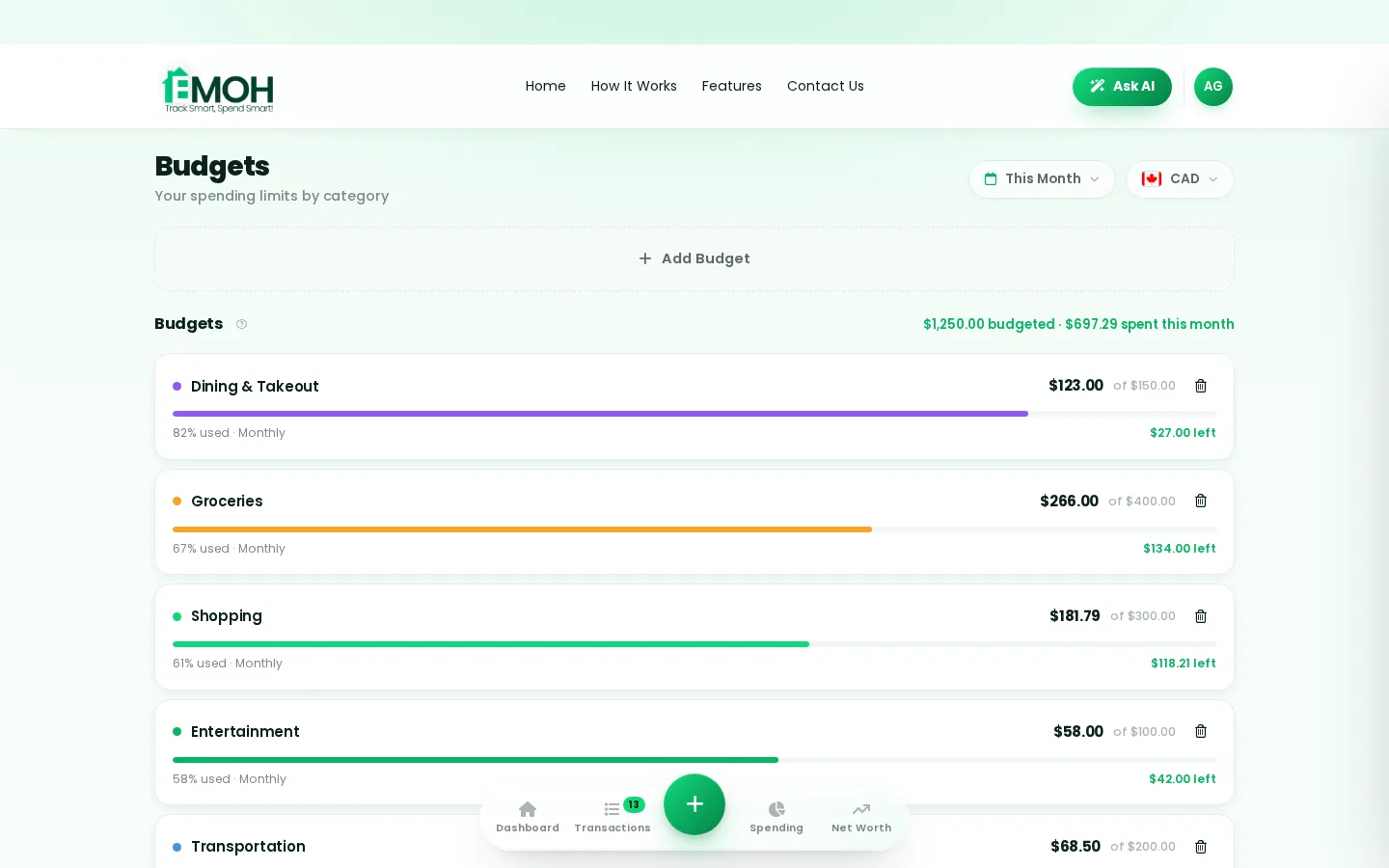

What is the average salary in the UK?
The average salary in the UK was £37,430 a year for full-time employees in April 2024, according to the ONS Annual Survey of Hours and Earnings, which uses the median. With wages growing about 4% to 6% a year since, an estimate for 2026 is roughly £39,000 to £41,000. After income tax and National Insurance, £37,430 leaves about £30,470.
What is the average salary in the UK in 2026?
The average salary in the UK is best measured by the ONS Annual Survey of Hours and Earnings (ASHE). It reported median gross annual earnings of £37,430 for full-time employees in April 2024. The median is the middle salary: half of full-time workers earn more and half earn less.
Pay has kept rising since then. ONS monthly data showed regular pay growing roughly 4% to 6% a year through 2024 and 2025. Applying that growth gives an estimate of about £39,000 to £41,000 for 2026. Treat that as an estimate, and check the latest ASHE release on the ONS website for the published figure.
Different measures give different answers. The mean, which adds every salary and divides by the number of workers, is higher than the median because a small number of very high earners pull it up. Averages that include part-time workers are much lower. When comparing an offer, the full-time median is usually the fairest benchmark.
Average salary UK take-home pay
Take-home pay depends on income tax, National Insurance, pension contributions and any student loan. The figures below use 2025/26 rates for England, Wales and Northern Ireland, with the £12,570 personal allowance, 20% basic rate, 40% higher rate from £50,270, and employee National Insurance of 8% between £12,570 and £50,270 and 2% above. They exclude pension and student loan deductions.
| Gross salary | Income tax | National Insurance | Take-home per year | Per month |
|---|---|---|---|---|
| £25,000 | £2,486 | £994 | £21,520 | £1,793 |
| £30,000 | £3,486 | £1,394 | £25,120 | £2,093 |
| £37,430 | £4,972 | £1,989 | £30,469 | £2,539 |
| £50,000 | £7,486 | £2,994 | £39,520 | £3,293 |
| £60,000 | £11,432 | £3,211 | £45,357 | £3,780 |
| £100,000 | £27,432 | £4,011 | £68,557 | £5,713 |
Scotland sets its own income tax bands and rates, so take-home pay there differs, especially above about £30,000. A workplace pension contribution of 5% would reduce the figures above further, although it also earns tax relief.
How does pay vary by region and job?
Location changes the picture more than almost anything else. ASHE consistently shows London with the highest median full-time pay, well above the UK figure, followed by the South East. The North East, Wales, Northern Ireland and parts of the Midlands sit below the national median.
Higher pay in London is largely absorbed by housing. A salary that feels comfortable in Manchester can be tight in London once rent is paid. Our guides to the cost of living in London and the cost of living in Manchester show how far a typical salary goes in each city.
By occupation, managers, directors and senior professionals earn the most, while caring, leisure, hospitality and elementary roles earn the least. Experience matters too: median pay typically rises through a worker's twenties and thirties before levelling off.

Track every paycheque
- Add each income source in seconds
- See income against spending every month
- Plan from your real take-home pay


What is the minimum wage in the UK?
The National Living Wage for workers aged 21 and over was £12.21 an hour from April 2025. A full-time worker on 37.5 hours a week earns about £23,800 a year at that rate, well below the median. Rates rise each April and are set out on GOV.UK.
To convert between hourly and annual pay for any job, use our salary to hourly calculator.
Is the average salary enough to live on?
For a single person outside London, a salary near the median is usually enough to rent a one-bedroom flat, cover bills and save. In London or for a family on one income, it is much tighter. The honest answer depends on rent, childcare and debt more than on the headline salary.
- Start from monthly take-home pay, not your gross salary.
- Keep rent under about a third of take-home where possible.
- Set aside at least 10% to 20% for savings and your emergency fund.
- Track spending for a month to see where the rest actually goes.
- Review your budget whenever you get a raise. Our raise calculator shows what a pay rise adds after tax.
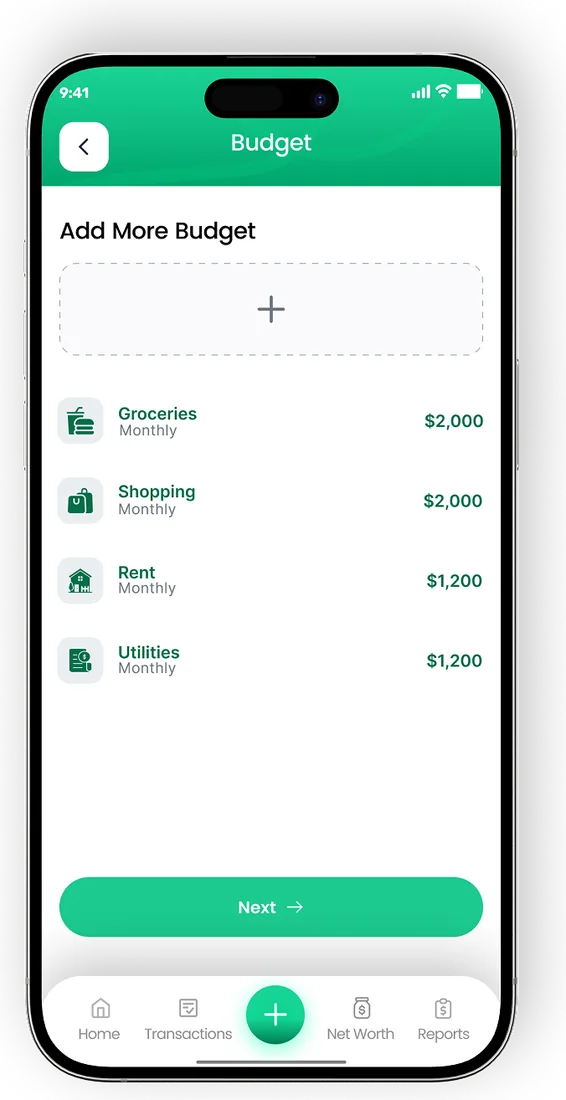
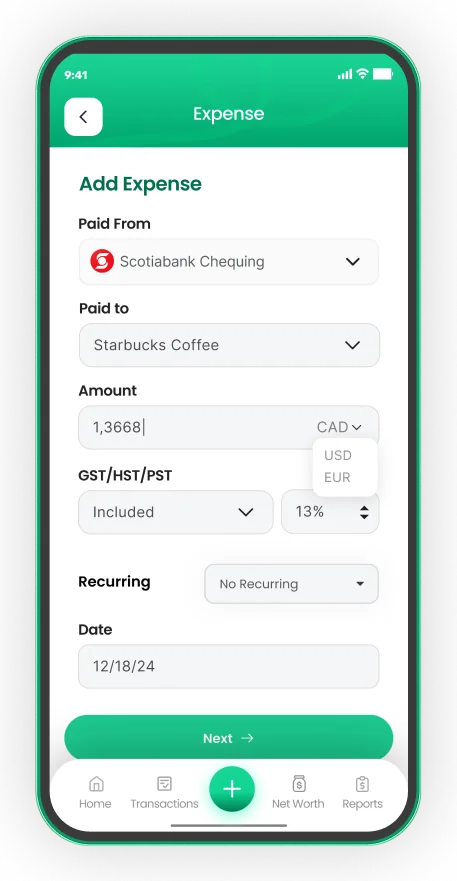
EMOH Pay is free on iPhone, Android and the web and works in pounds sterling. Bank sync is only available for Canadian banks, so UK users add transactions manually or from receipts. Budgets with overspend alerts and a daily money digest then show how your salary is being used. See our UK budgeting app page and the budgeting worldwide guide.
Your income in EMOH Pay


Put the numbers on autopilot
EMOH Pay tracks your spending, budgets and net worth on your phone and in the browser, always in sync. Free to start, made in Canada.
Get started free➜Average Salary in the UK (2026): frequently asked questions
What is a good salary in the UK?
Anything above the full-time median of £37,430 (April 2024) is above average. Whether it feels good depends on where you live and your household. Outside London, £40,000 to £50,000 is comfortable for most single people; in London the same salary stretches less far.
Is the UK average salary mean or median?
The ONS headline figure from ASHE is the median for full-time employees. The mean is higher because very high earners pull it up, so the median is a better guide to typical pay.
How much is £37,430 a month after tax?
About £2,539 a month in England, Wales or Northern Ireland at 2025/26 rates, before any pension contribution or student loan repayment.
What is the average salary in London?
London has the highest median full-time pay of any UK region, well above the national figure, according to ASHE. Check the latest ONS release for the exact number, and weigh it against London's much higher rents.
How does the UK average salary compare with Canada and the US?
Converted at recent exchange rates, typical full-time pay in the UK is lower than in Canada or the US. Taxes, healthcare and housing costs differ too, so compare take-home pay and living costs rather than headline salaries. See our guides to the average salary in Canada and the average salary in the US.
Related guides and tools
The average salary in Canada is about $1,347 a week in 2026, roughly $70,000 a year, per Statistics Canada. See pay by…
Average Salary in the US (2026)The average salary in the US is about $1,200 a week for full-time workers, roughly $62,000 a year, per BLS. See mean vs…
Cost of Living in London (2026)Cost of living in London for 2026: typical rent, council tax, TfL fares, energy bills and sample monthly budgets for a…
Cost of Living in Manchester (2026)Cost of living in Manchester for 2026: typical rent, council tax, energy bills, Bee Network fares and sample monthly budgets…
Budgeting App for United KingdomEMOH Pay works in United Kingdom: budget in GBP plus 147 other currencies, on your phone and the web. Track spending in…
Budgeting App Worldwide — 148 CurrenciesEMOH Pay works in every country: 148 currencies, phone + web sync, bank connections in CA/US/UK. Free budgeting app made in…
Start free today
Free on iPhone, Android and the web. Upgrade to EMOH Pro anytime for bank sync and advanced AI.
Download for iOS➜ Get it on Android➜