
How to Budget When Sending Money Home
Supporting family abroad is a priority for millions of people. A remittance budget makes it steady and sustainable, for them and for you.
Get started free➜ Download the app➜
How do I budget for money I send home?
Build a remittance budget by treating money you send home as a fixed monthly bill paid from take-home pay, right after rent and essentials but before discretionary spending. Set a clear amount or percentage, keep a separate fund for family emergencies, and compare transfer costs, because fees and exchange margins can quietly take several percent of every transfer.
Why you need a remittance budget
A remittance budget turns family support from a series of reactions into a plan. Without one, transfers happen whenever someone asks, amounts change month to month, and your own rent, savings and emergency fund absorb the shock. With one, your family knows what to expect and you know what you can afford.
This matters for newcomers in Canada sending money to India, Pakistan or the Philippines, and just as much for workers in the US, the UK or the UAE supporting relatives at home. The method below works in any currency.
How much money should you send home?
There is no single right amount, but a sustainable remittance comes from money left after your own essentials and a basic level of savings. Start with take-home pay, subtract housing, food, transport, debt minimums and at least a small savings amount, then decide what share of the remainder goes home. Revisit it whenever your income or family needs change.
Many people choose between a fixed amount and a percentage. A fixed amount is predictable for your family. A percentage rises and falls with your income, which protects you in a lean month. Some do both: a fixed base plus a percentage of any bonus or overtime.
| Monthly take-home pay | 5% | 10% | 15% | 20% |
|---|---|---|---|---|
| $3,000 | $150 | $300 | $450 | $600 |
| $4,000 | $200 | $400 | $600 | $800 |
| $5,000 | $250 | $500 | $750 | $1,000 |
| $6,500 | $325 | $650 | $975 | $1,300 |
If a higher share would mean skipping your own emergency fund, start lower and increase it once you have a cushion. A steady smaller amount usually helps more than a large one you cannot sustain. The budget calculator shows what is left after essentials at your income.
How to build your remittance budget step by step
- Work out your monthly take-home pay after tax and payroll deductions.
- List your own essentials: rent, utilities, groceries, transport, phone, insurance and minimum debt payments.
- Set a savings floor for yourself, even if it is small, and pay it first.
- Choose your remittance amount or percentage from what remains and agree it with your family.
- Add it to your budget as a fixed bill with a regular transfer date.
- Open a separate family emergency fund and add a small amount each month.
- Review the plan every six months or whenever your income changes.
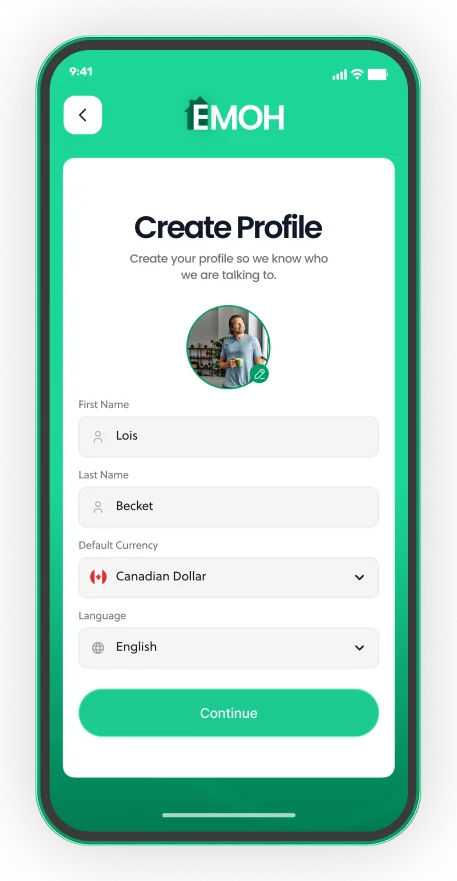
Your home currency, any spending currency
- 148 currencies with automatic conversion
- Record FX markup on card purchases
- Phone and web always in sync


Handling emergencies and extra requests
Unplanned requests are the hardest part of supporting family. A medical bill, a school fee or a wedding can arrive with little notice. A separate family emergency fund, built in small monthly amounts, lets you help without dipping into rent or your own safety net.
It also gives you a clear, kind answer when a request is larger than you can manage: you can offer what is in the fund now and plan the rest over the coming months. Our guide to sinking funds shows how to save for predictable costs such as annual school fees or festival gifts in advance.
Reduce what fees and exchange rates take
Every transfer has two costs: the upfront fee and the margin built into the exchange rate. According to the World Bank's Remittance Prices Worldwide data, the global average cost of sending $200 has been around 6% in recent years, well above the United Nations target of under 3% by 2030. The cost varies a lot by provider and corridor.
Compare the amount that actually arrives, not the advertised fee. Check the mid-market rate before you send, and consider sending once a month rather than several small transfers. Our guide to remittance fees explains how to compare providers.
- Canada to India: see the CAD to INR converter and budget planner.
- Canada to Pakistan: see the CAD to PKR converter and budget planner.
- Canada to the Philippines: see the CAD to PHP converter.
Track remittances alongside the rest of your money
Tracking remittances in the same place as your other spending shows the true picture of your month. It also helps you spot creeping amounts and gives you a record if you ever need to show where money went.
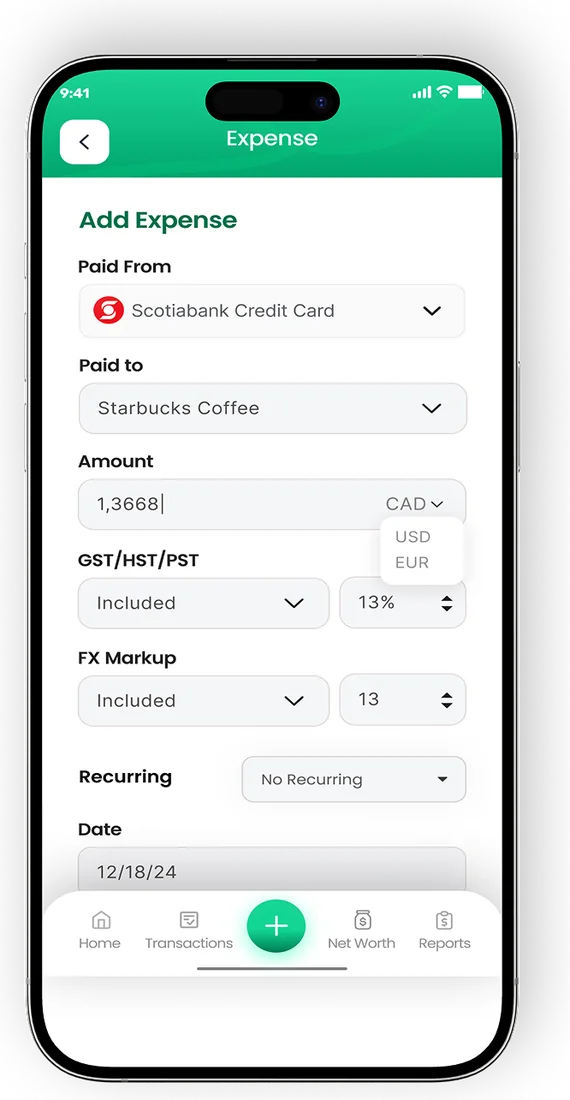
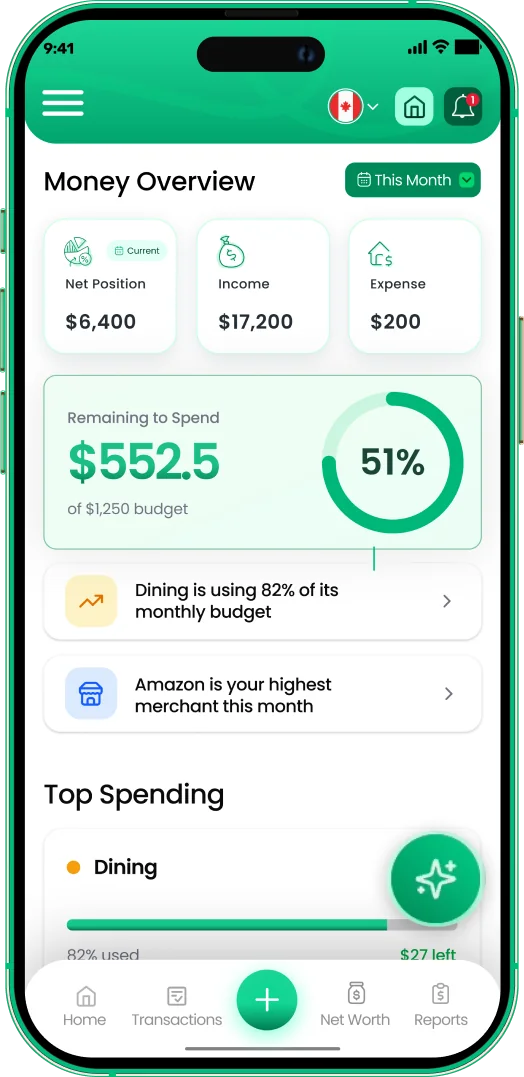
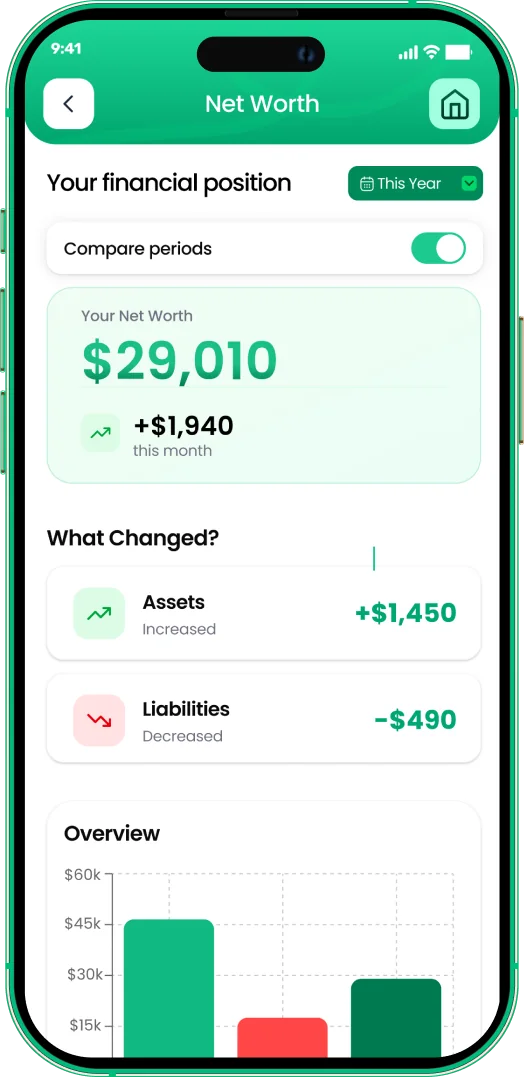
EMOH Pay supports 148 currencies with automatic conversion, so you can record each transfer in rupees, pesos or dirhams and see it in your home currency within one budget. Set the remittance as a recurring bill with a reminder, and use savings goals for the family emergency fund. It is free to start on iPhone, Android and the web; see all EMOH Pay features. For wider tips on budgeting with more than one currency, read the multi-currency budgeting guide.
Every currency in one app
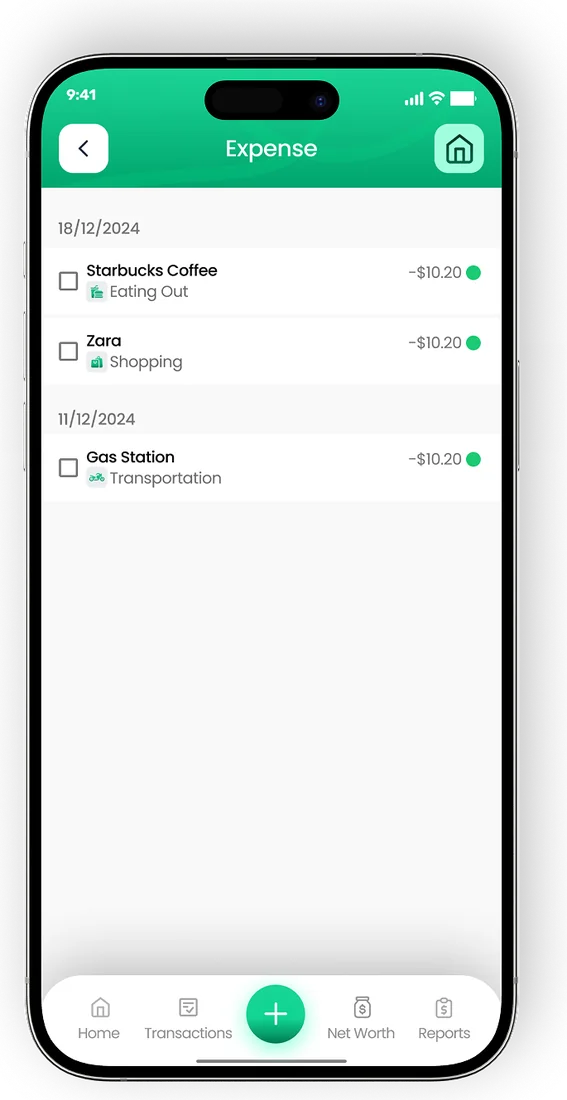

Put the numbers on autopilot
EMOH Pay tracks your spending, budgets and net worth on your phone and in the browser, always in sync. Free to start, made in Canada.
Get started free➜How to Budget When Sending Money Home: frequently asked questions
What percentage of income should I send home?
There is no fixed rule. Decide after covering your own essentials and a basic savings amount. Many people start with a modest share of take-home pay and raise it once their own emergency fund is in place.
Should remittances come before savings?
Pay yourself a small savings amount first, then send money home. Without your own cushion, a job loss or illness could stop your support altogether.
Is money sent home taxable in Canada?
Canada has no gift tax, so sending your own after-tax money to family is not usually taxed in Canada. Rules in the receiving country differ, so your family should check local tax rules.
How can I lower the cost of sending money home?
Compare the total amount received across providers, send fewer and larger transfers, and check the mid-market exchange rate before you send so you can spot a poor rate.
How do I say no to extra requests?
Agree a regular amount in advance and keep a family emergency fund. When a request is larger than you can manage, offer what the fund holds now and a plan for the rest.
Sources and further reading
Related guides and tools
All EMOH Pay features: expense tracking, budgets, net worth, Ask AI, family sharing, GST/HST, multi-currency and more. Free…
Remittance Fees ExplainedRemittance fees explained simply: upfront fees, exchange margins and receiving charges, with a worked example and the…
CAD to INR Converter + Budget PlannerConvert CAD to INR, see what arrives after transfer fees and plan a monthly budget for sending money to India. Indicative…
CAD to PKR Converter + Budget PlannerConvert CAD to PKR, see what arrives after transfer fees and plan a monthly budget for sending money to Pakistan. Indicative…
Multi-Currency Budgeting: A Complete GuideBuild a multi currency budget that works: pick a home currency and a conversion method, and plan for fees and rate swings…
Sinking Funds: What They Are and How to Use ThemSinking funds turn big irregular costs into small monthly savings. Learn how they work, common sinking fund categories, a…
Start free today
Free on iPhone, Android and the web. Upgrade to EMOH Pro anytime for bank sync and advanced AI.
Download for iOS➜ Get it on Android➜