
Average Salary in Canada (2026)
Statistics Canada's latest payroll survey puts average weekly earnings at about $1,347, or roughly $70,000 a year. Here is how that breaks down by province and why your own pay may look very different.
Get started free➜ Download the app➜
What is the average salary in Canada?
The average salary in Canada is about $1,347 a week, or roughly $70,000 a year before tax, based on Statistics Canada's average weekly earnings for July 2026. Earnings rose about 3.2% from a year earlier. Pay is highest in Alberta and Ontario and lowest in Prince Edward Island and Manitoba.
What is the average salary in Canada in 2026?
The average salary in Canada is about $70,000 a year in 2026. Statistics Canada's Survey of Employment, Payrolls and Hours (SEPH) reported average weekly earnings of $1,347.14 for all employees in July 2026, including overtime. Multiplying by 52 weeks gives roughly $70,050 before tax.
That figure is up about 3.2% from July 2025. Weekly earnings were $1,338 in May 2026, so pay has been rising steadily rather than jumping. Growth can reflect real raises, but also shifts in which jobs are counted and how many hours people work.
This page covers individual pay. For what whole households earn, including couples with two incomes, see our page on average household income in Canada.
Average salary by province
Alberta and Ontario lead the provinces on average weekly earnings, while Prince Edward Island, Manitoba and Nova Scotia sit at the lower end. The gap between the highest and lowest province is close to $200 a week, or about $10,000 a year.
| Province | Weekly | Approximate annual | Change from July 2025 |
|---|---|---|---|
| Alberta | $1,400 | $72,800 | +2.5% |
| Ontario | $1,391 | $72,300 | +3.6% |
| British Columbia | $1,357 | $70,600 | +4.4% |
| Saskatchewan | $1,325 | $68,900 | +4.4% |
| Quebec | $1,280 | $66,600 | +1.9% |
| Nova Scotia | $1,229 | $63,900 | +5.6% |
| Manitoba | $1,217 | $63,300 | +3.1% |
The territories are excluded here. Their average earnings are typically higher than any province, but so are living costs, and the smaller samples make monthly figures more volatile.
Average versus median salary: why the number may not match your pay
An average adds up everyone's pay and divides by the number of workers, so a small number of very high earners pull it up. The median, the middle earner, is usually lower. Most Canadians earn less than the headline average, which is worth remembering before you compare yourself to it.
The SEPH average also mixes full-time and part-time jobs. A part-time retail worker and a full-time engineer both count as one employee, which pulls the average down in a different way. Hourly figures from the Labour Force Survey are a useful cross-check if you are paid by the hour.
- Industry matters most. Mining, utilities and finance pay well above average; accommodation, food services and retail pay well below.
- Hours matter. Weekly earnings rise and fall with overtime and part-time scheduling.
- Experience and region matter. A mid-career worker in Calgary and a new graduate in Charlottetown are counted in the same average.

Track every paycheque
- Add each income source in seconds
- See income against spending every month
- Plan from your real take-home pay


What does a $70,000 salary look like after tax?
A $70,000 salary is gross pay. Federal and provincial income tax, CPP contributions and EI premiums come off before you see it, and the amount left depends heavily on your province and RRSP contributions. Run your own numbers in our income tax calculator rather than relying on a national rule of thumb.
If you are paid hourly, convert your rate first with the hourly to salary calculator. To see whether a raise keeps you ahead of prices, the raise calculator compares your increase with inflation.
How to use the average salary in your budget
- Start from your own take-home pay, not the national average. A budget built on someone else's income will not hold.
- Compare your pay with your province and industry, not just the national figure, before negotiating a raise.
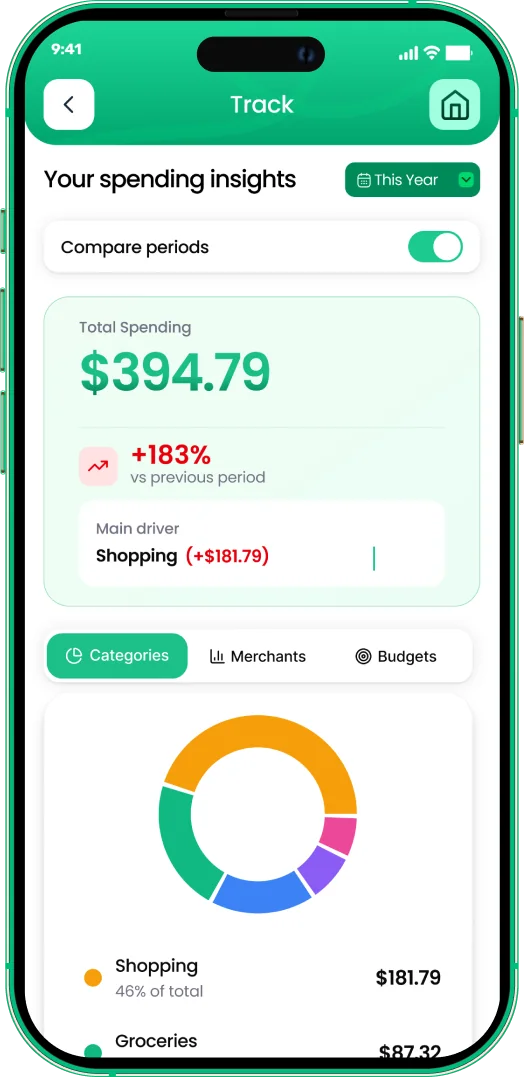
- Track what you actually spend for a month. EMOH Pay sorts transactions into categories so you can see where the money goes.
- Set a savings target as a share of income, then raise it each time your pay rises so lifestyle does not absorb every increase.
- Review once a year when new Statistics Canada figures and your own pay change.
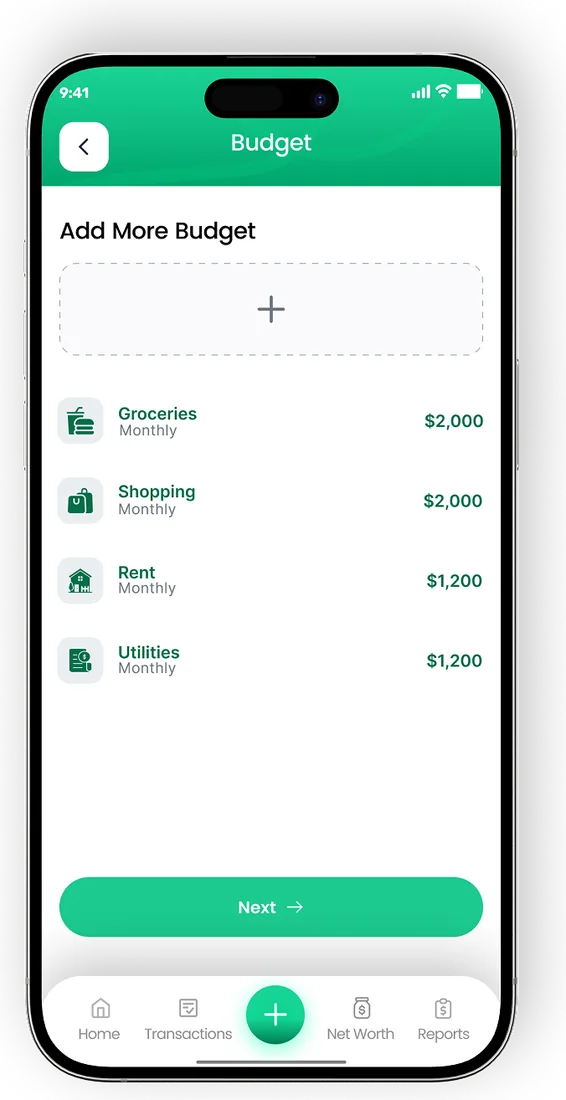
EMOH Pay is free to start on iPhone, Android and the web, with budgets, savings goals and reports that update as you spend. See the full list of features.
Figures checked September 2026; confirm current numbers with Statistics Canada, which publishes new payroll data monthly.
Your income in EMOH Pay
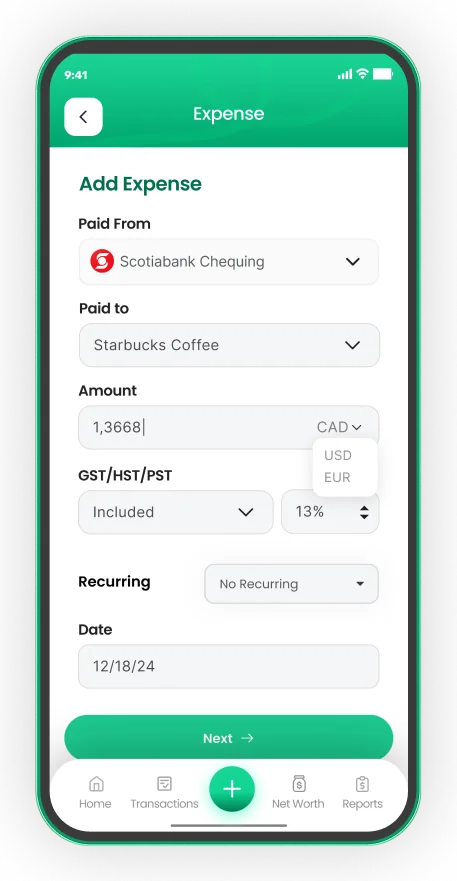

Put the numbers on autopilot
EMOH Pay tracks your spending, budgets and net worth on your phone and in the browser, always in sync. Free to start, made in Canada.
Get started free➜Average Salary in Canada (2026): frequently asked questions
Is $70,000 a good salary in Canada?
It is close to the national average of about $70,000 a year in 2026. Whether it feels comfortable depends on your city, housing costs and household size. It stretches further in Quebec City or Winnipeg than in Toronto or Vancouver.
What is the average hourly wage in Canada?
Statistics Canada publishes average hourly wages each month in the Labour Force Survey and average hourly earnings in its payroll survey. For your own pay, divide your weekly earnings by the hours you actually work, or use our salary to hourly calculator.
Which province has the highest average salary?
Among the provinces, Alberta had the highest average weekly earnings in July 2026, about $1,400, just ahead of Ontario at about $1,391. The territories are typically higher still.
How often is the average salary updated?
Statistics Canada releases payroll earnings data monthly, about two months after the reference month. The figures on this page are for July 2026.
Does the average salary include overtime and bonuses?
The SEPH average weekly earnings figure includes overtime. It reflects pay reported by employers for all employees, full-time and part-time together.
Sources and further reading
Related guides and tools
Average household income in Canada explained: median total and after-tax income from Statistics Canada, how it differs by…
Income Tax Calculator Canada 2026Estimate your 2026 Canadian income tax, CPP, EI and take-home pay in every province and territory, with federal and…
Hourly to Salary CalculatorFree hourly to salary calculator. Convert an hourly wage to annual, monthly, bi-weekly and weekly pay, with tables for…
What Is The Minimum Wage in Canada? Let's Find OutIs Canada’s minimum wage sufficient for covering basic living expenses? What are the challenges of living on minimum wage in…
Raise CalculatorFree raise calculator: enter your salary, raise percentage and inflation to see your new salary, extra pay per month and…
Canadian Spending Statistics 2026Canadian spending statistics from Statistics Canada and the Bank of Canada: how households split their budgets, what grew…
Start free today
Free on iPhone, Android and the web. Upgrade to EMOH Pro anytime for bank sync and advanced AI.
Download for iOS➜ Get it on Android➜