
Average Grocery Bill in Canada
A family of four in Canada typically spends about $1,200 to $1,500 a month on groceries. Here is what other households spend, what drives the bill and how to bring it down.
Get started free➜ Download the app➜
How much does a family spend on groceries?
A Canadian family of four typically spends about $1,200 to $1,500 a month on groceries, and a single adult about $350 to $450. Canada's Food Price Report projected that a family of four would spend about $16,800 on food in 2025, roughly $1,400 a month. Location, children's ages and diet move the number most.
What is the average grocery bill in Canada?
The average grocery bill in Canada for a family of four is about $1,200 to $1,500 a month in 2026, based on published food cost estimates and typical household spending. A single adult usually spends about $350 to $450, and a couple about $650 to $850.
The most widely quoted national estimate is Canada's Food Price Report, published each December by Dalhousie University and partner universities. Its 2025 edition projected about $16,800 in food spending for a family of four over the year. Statistics Canada tracks how food prices change through the Consumer Price Index, and how much households spend through its Survey of Household Spending.
How much do Canadians spend on groceries by household size?
Grocery spending does not rise in a straight line with each extra person. Bulk buying and shared staples make larger households cheaper per person, while teenagers can eat as much as adults.
| Household | Typical monthly range | Per person |
|---|---|---|
| Single adult | $350 to $450 | $350 to $450 |
| Couple | $650 to $850 | $325 to $425 |
| Single parent, one child | $550 to $750 | $275 to $375 |
| Family of three | $900 to $1,150 | $300 to $385 |
| Family of four | $1,200 to $1,500 | $300 to $375 |
| Family of five | $1,450 to $1,800 | $290 to $360 |
Want a number for your own household rather than a range? Our grocery budget calculator builds one from the ages of everyone at home and how you like to shop.
Why did grocery bills go up so much?
Prices for food bought from stores rose faster than overall inflation in 2022 and 2023. Statistics Canada reported year-over-year grocery inflation above 10% in late 2022, the fastest pace in about four decades. Growth has since slowed, but prices did not fall back, so the higher level is now built into every weekly shop.
Drivers included higher costs for energy, transport, fertilizer and labour, weather that hit crops, and a weaker Canadian dollar for imported fruit and vegetables. Our guide on how inflation affects household budgeting explains how to adjust a budget when prices jump.
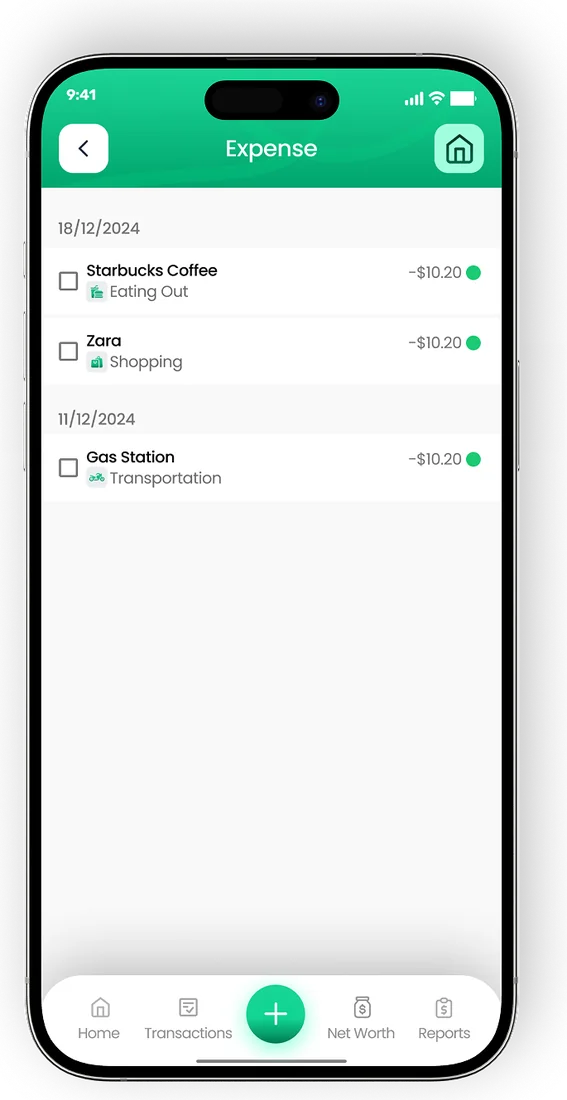
Log a purchase in two taps
- Smart categories sort every transaction
- Tag who spent what in a shared household
- Export PDF or Excel reports any month


What makes your grocery bill higher or lower?
- Where you live. Groceries cost far more in the territories and remote northern communities, where the Nutrition North Canada program subsidizes some foods. Prices also vary between provinces and between big cities and small towns.
- Children's ages. A toddler eats much less than a teenager. Families with teens often find their bill is at the top of the range or above it.
- Diet. Special diets, lots of fresh meat and fish, or organic food raise the bill. Plant proteins such as lentils and beans lower it.
- Where you shop. Discount grocers, bulk stores and store brands can cut the same basket by a meaningful amount compared with premium supermarkets.
- Waste. Food that is bought and thrown out still counts. Meal planning is one of the quickest ways to cut the bill.
How to lower your grocery bill
- Track one month of grocery receipts before changing anything, so you know your real starting point.
- Plan meals for the week around what is on sale and what is already in the fridge.
- Shop with a list and a firm limit, and avoid shopping hungry.
- Switch to store brands for staples such as rice, pasta, canned goods and cleaning products.
- Buy bulk only for items you use up before they spoil.
- Use price-matching and loyalty programs you would use anyway, but ignore offers that make you buy more.
- Cook double and freeze portions to replace takeaway nights.
For more ideas, see our 16 tips for saving money on groceries and grocery budget hacks for Canadian households.
How to set a realistic grocery budget
A good grocery budget is based on what you actually spend, trimmed by 5% to 10%, not on a national average. Groceries are also only one part of household spending. Our list of monthly expenses shows everything else to plan for, and Canadian spending statistics puts groceries in context with housing and transport.
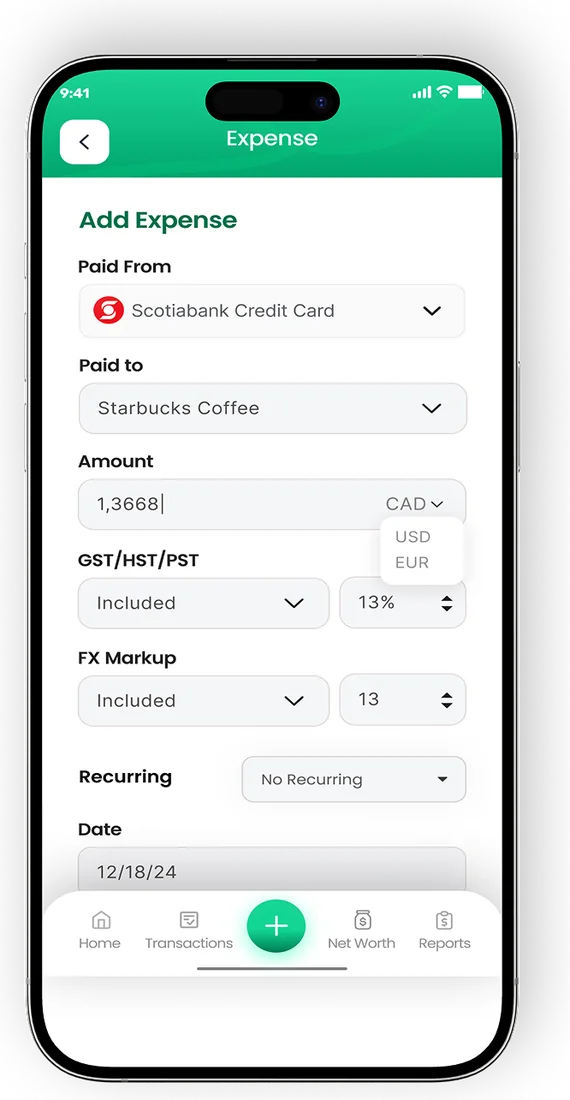
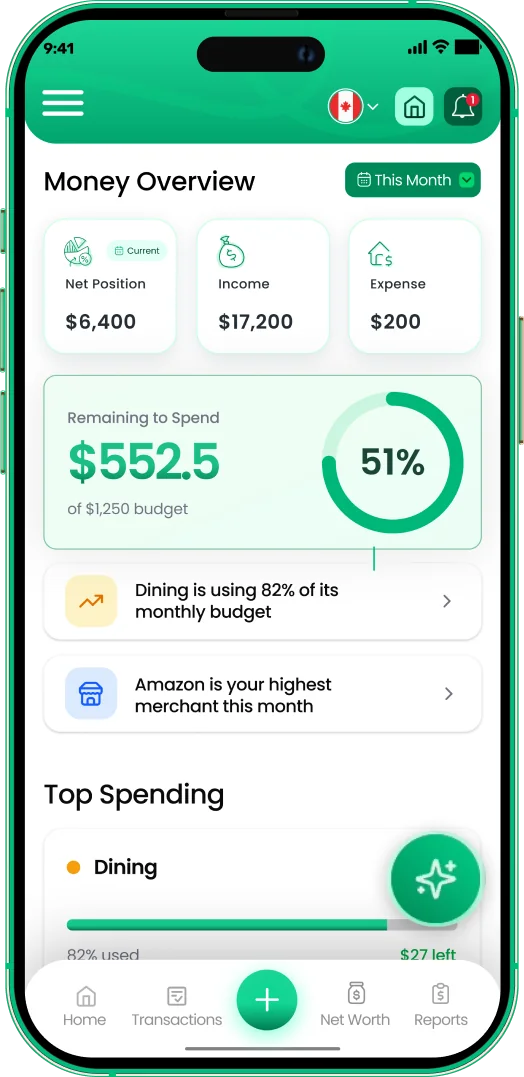
EMOH Pay makes this easy to keep. Set a monthly grocery budget and snap receipts as you shop; overspend alerts tell you when you are close to the limit. With family sharing, both partners see the same grocery budget on their own phones. For families, the cost of raising a child in Canada guide shows how food fits into the bigger picture.
Track every dollar

Put the numbers on autopilot
EMOH Pay tracks your spending, budgets and net worth on your phone and in the browser, always in sync. Free to start, made in Canada.
Get started free➜Average Grocery Bill in Canada: frequently asked questions
How much should a single person spend on groceries in Canada?
About $350 to $450 a month is typical for one adult cooking most meals at home. Buying mostly store brands and cooking in batches can bring it closer to $300.
Is $1,000 a month enough for groceries for a family of four?
It can be, with careful meal planning, store brands and little waste, especially with young children. Many families of four with older children spend $1,200 or more.
Do groceries include household items like toilet paper?
In most budgets, yes, if you buy them at the grocery store. For clearer tracking, some people split cleaning and personal care products into a separate household category.
Why are groceries more expensive in northern Canada?
Food has to travel long distances by truck, barge or air, and stores serve small populations. The federal Nutrition North Canada program lowers the price of some foods in eligible communities.
How often should I review my grocery budget?
Check it monthly and reset it every few months. Prices change, children grow and habits drift, so a budget set a year ago is often out of date.
Sources and further reading
Related guides and tools
A realistic Canadian grocery budget: roughly $350–$450/month per adult and $200–$280 per child in 2026. Enter your household…
16 Best Tips For Saving Money On GroceriesGrocery shopping is a part of daily life, but it can turn into a budget problem if one is not careful. When you shop for…
Canadian Spending Statistics 2026Canadian spending statistics from Statistics Canada and the Bank of Canada: how households split their budgets, what grew…
Monthly Expenses Checklist: The Full List of Monthly ExpensesA complete list of monthly expenses to build your budget: housing, bills, food, transport, debt, savings and the irregular…
Cost of Raising a Child in CanadaThe cost of raising a child in Canada by age and category, from child care to food and activities, plus the benefits and tax…
How to Make a Family BudgetA family budget works when everyone can see it and no one is the money police. Here's the setup that keeps peace and…
Start free today
Free on iPhone, Android and the web. Upgrade to EMOH Pro anytime for bank sync and advanced AI.
Download for iOS➜ Get it on Android➜