
Cost of Raising a Child in Canada
Raising a child in Canada typically costs about $1,000 to $1,700 a month, before benefits. Here is where the money goes at each age and which programs help pay for it.
Get started free➜ Download the app➜

How much does it cost to raise a child in Canada?
Raising a child in Canada typically costs about $12,000 to $20,000 a year, or roughly $1,000 to $1,700 a month, depending on child care, housing and activities. Over 18 years that adds up to very roughly $220,000 to $350,000 before inflation. The Canada Child Benefit and regulated child care fees can reduce the net cost considerably.
The cost of raising a child in Canada is typically about $12,000 to $20,000 a year for a middle-income family, before government benefits. Child care is the biggest swing factor in the early years. Food, activities and transport take over as children grow.
There is no current official Statistics Canada figure for the full cost of a child, so estimates are built from the cost of each category. The figures on this page are illustrative ranges assembled that way. Your own number depends mostly on where you live, whether you pay for child care and how many activities your child does.
Child cost per year in Canada by age
Costs change shape as children grow. Babies and preschoolers are expensive because of child care. School-age children cost less in care but more in food, clothes and activities. Teenagers eat like adults and often want phones, sports and travel.
| Category | Ages 0 to 5 | Ages 6 to 12 | Ages 13 to 17 |
|---|---|---|---|
| Child care or after-school care | $200 to $500 (regulated) | $150 to $450 | Usually none |
| Food | $150 to $250 | $250 to $350 | $300 to $450 |
| Extra housing space | $200 to $400 | $200 to $400 | $200 to $400 |
| Clothing and footwear | $50 to $100 | $60 to $110 | $80 to $150 |
| Diapers, gear, toys and personal care | $100 to $200 | $40 to $80 | $50 to $100 |
| Activities, sports and lessons | $30 to $100 | $100 to $250 | $100 to $300 |
| Transport | $50 to $100 | $60 to $120 | $80 to $150 |
| Health costs not covered by public plans | $20 to $60 | $30 to $80 | $40 to $100 |
| RESP savings | $0 to $210 | $0 to $210 | $0 to $210 |
| Total range | About $800 to $1,900 | About $900 to $2,050 | About $850 to $1,850 |
Few families hit every low or every high figure, so most land in the middle, around $1,000 to $1,700 a month per child. Families who cannot get a regulated child care space can pay far more, often well over $1,000 a month per child in large cities. Food ranges line up with our average grocery bill in Canada guide.
The first year: budgeting for a baby
The first year brings one-off costs such as a crib, car seat, stroller and clothes, plus ongoing diapers and possibly formula. Buying second-hand and accepting hand-me-downs can cut the set-up cost sharply, but a new car seat is worth buying new.
The bigger first-year cost is often lost income during parental leave. EI maternity and parental benefits replace only part of your pay. Estimate yours with the maternity leave calculator, and read how to budget for a baby for a month-by-month plan.
Benefits and tax breaks that reduce the cost
Several federal programs lower the net cost of raising a child. Together they can cover a large share of costs for lower- and middle-income families.
| Program | What it gives | Good to know |
|---|---|---|
| Canada Child Benefit | Up to $7,997 a year per child under 6 and $6,748 for ages 6 to 17 (July 2025 to June 2026) | Tax-free, income-tested and indexed each July |
| Canada-wide early learning and child care | Lower fees for regulated child care, with a national goal of $10 a day on average | Fees and progress vary by province |
| Child care expense deduction | Deduct up to $8,000 per child under 7 and $5,000 for ages 7 to 16 | Usually claimed by the lower-income spouse |
| Canada Education Savings Grant | 20% on the first $2,500 of RESP contributions a year, up to $7,200 per child | Unused grant room carries forward |
| Canada Learning Bond | Up to $2,000 in an RESP for children from low-income families | No contribution needed |
Estimate your CCB with our Canada Child Benefit calculator, and see CCB payment dates to plan around each deposit. Our guide to what an RESP is explains how to collect the education grants.
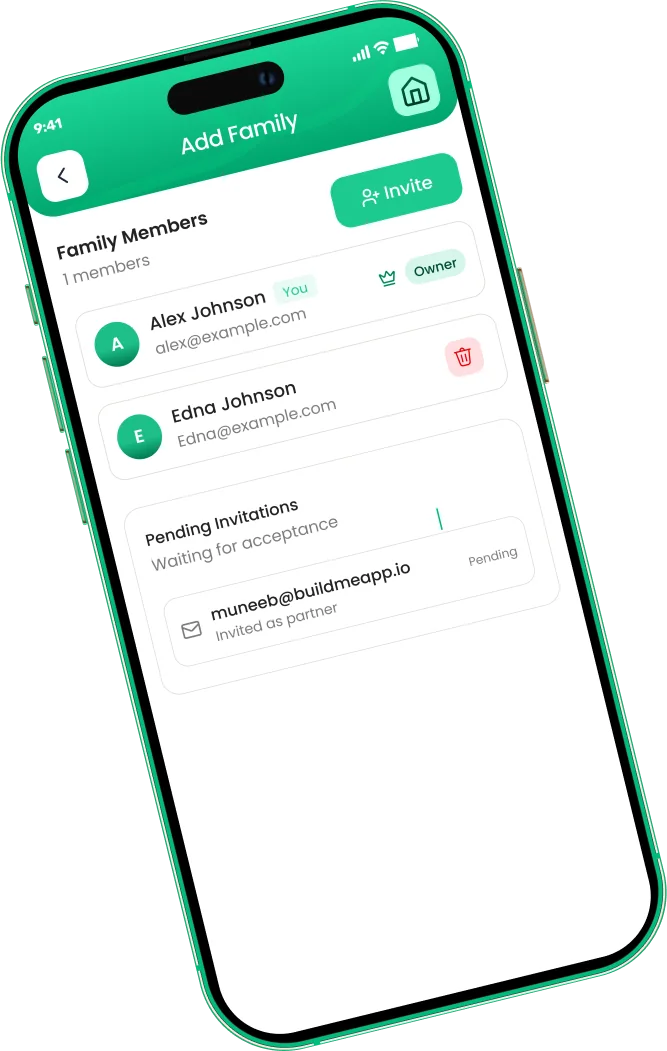
Budget together, with separate logins
- Invite a partner or family by email
- Everyone sees the same live budget
- Tag who spent what, free on every plan


How to budget for raising a child
- List every child-related cost for one month, including small ones such as snacks and school fundraisers.
- Give each child their own budget categories, so you can see what each age really costs.
- Put the Canada Child Benefit toward child costs first, such as child care or an RESP.
- Plan for lumpy costs such as back-to-school, birthdays, camps and sports registration with monthly sinking funds.
- Review the budget each September, when school and activity costs reset.
Our family budget guide shows how to build the whole household budget around these costs.
Tracking family costs together
Child costs are spread across two parents, several cards and many small purchases, which makes them easy to underestimate. EMOH Pay's family sharing gives each parent a separate login to the same budget, so both see child care, groceries and activities in real time.
Savings goals help with an RESP target or next summer's camp, and receipts keep proof of child care payments for the tax deduction. Browse all the EMOH Pay features to see what fits your family. It is free to start on iPhone, Android and the web.
Budget together
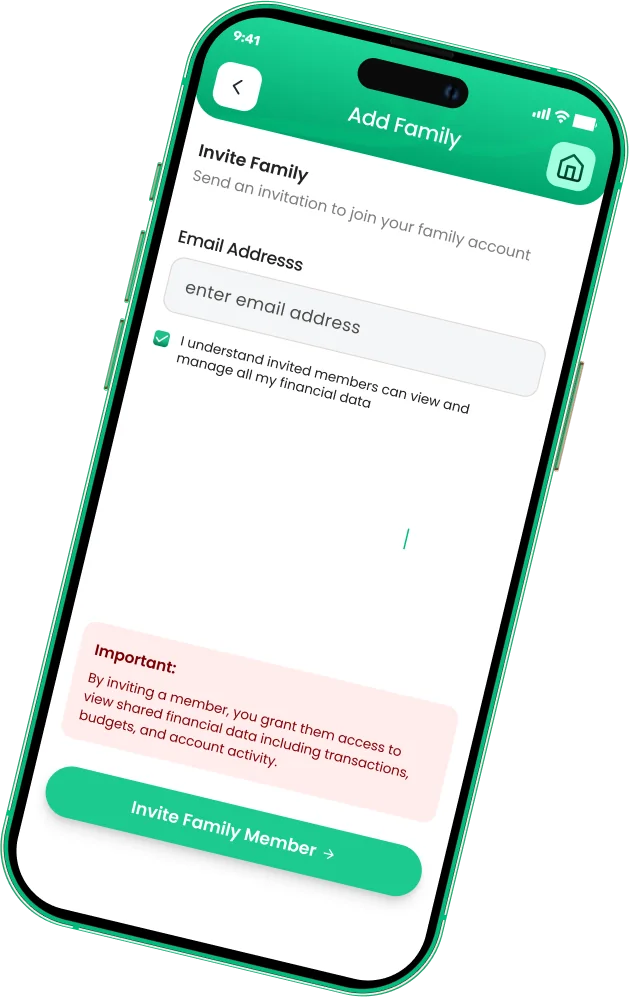
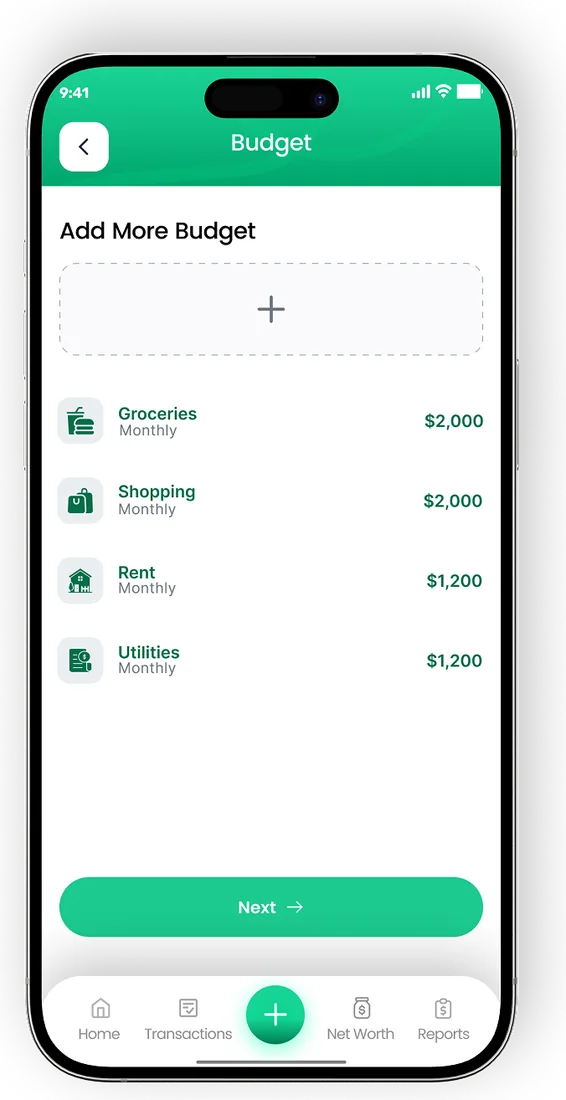

Put the numbers on autopilot
EMOH Pay tracks your spending, budgets and net worth on your phone and in the browser, always in sync. Free to start, made in Canada.
Get started free➜Cost of Raising a Child in Canada: frequently asked questions
What is the most expensive age to raise a child in Canada?
For many families the preschool years cost the most because of child care. Where regulated care is cheap, the teenage years can overtake them, as food, activities, phones and transport rise.
How much does child care cost in Canada?
Regulated full-time child care in many provinces now costs about $200 to $500 a month per child after fee reductions under the Canada-wide system. Unregulated or private care in large cities can cost well over $1,000 a month.
Does the Canada Child Benefit cover the cost of a child?
It covers part of it. A lower-income family can receive close to the maximum of $7,997 a year for a child under 6, while higher-income families receive much less or nothing.
Is it cheaper to have a second child?
Usually yes, per child. Clothes, gear and toys get reused, and housing costs do not double. Child care and activities are the costs that still multiply.
How much should I save in an RESP each year?
Contributing $2,500 a year per child collects the full $500 Canada Education Savings Grant. That works out to about $208 a month.
Related guides and tools
How to budget for a baby in Canada: first-year costs item by item, how parental leave changes income and a sample monthly…
Canada Child Benefit CalculatorCanada Child Benefit calculator: enter your family net income and your children's ages to estimate your monthly and yearly…
Canada Child Benefit Payment Dates 2026CCB payment dates 2026: the Canada Child Benefit is paid around the 20th of each month. See the full schedule, the next…
What Is an RESP?What is an RESP? A clear guide to Registered Education Savings Plans, how the Canada Education Savings Grant adds 20%, the…
How to Make a Family BudgetA family budget works when everyone can see it and no one is the money police. Here's the setup that keeps peace and…
Family Sharing — One Budget, Separate LoginsEMOH Pay Family Sharing: one household budget with separate logins for every member — everyone sees the same live numbers…
Start free today
Free on iPhone, Android and the web. Upgrade to EMOH Pro anytime for bank sync and advanced AI.
Download for iOS➜ Get it on Android➜