
USD to INR Converter + Budget Planner
Convert US dollars to Indian rupees, subtract the transfer fee and set a monthly amount to send to India that your US budget can support. Rates are indicative; check the live rate before you send.
Use the calculator➜ Try EMOH Pay free➜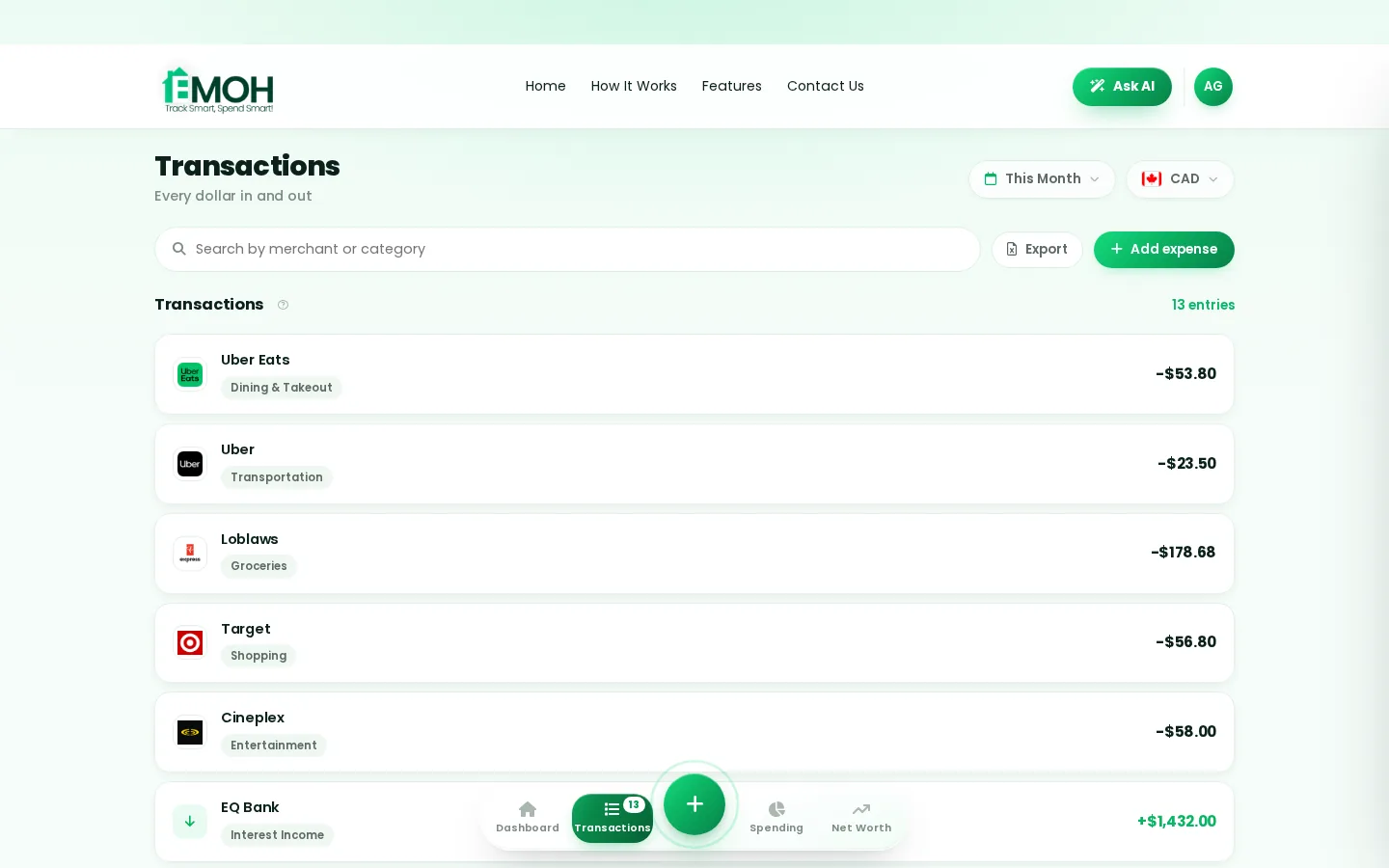
How do I budget in USD and INR?
To budget in USD and INR, pay your US rent, insurance and bills in dollars first, then set money for India as a fixed monthly dollar amount or share of take-home pay. Convert it to rupees after fees and exchange margin, agree that rupee figure with family, and keep a dollar buffer so rate swings never squeeze your US essentials.
Earn and spend in dollars, and decide the USD to INR transfer before discretionary spending starts. Many people in the US set a fixed amount for parents, a home loan EMI or savings in India, and treat it like any other bill. The rupee figure then follows from the rate on the day you send.
The calculator above handles the conversion and the plan. Amount in USD is what you intend to send. Transfer fee (%) is the provider's charge; convert a flat fee into a percentage by dividing it by the amount. Share of your USD income to send home and monthly income in USD are optional and show the monthly figure in both currencies.
The EMOH Pay features page explains how multi-currency tracking works in the app, and our currency converter covers other pairs, including dollars to other currencies for travel.
USD to INR today: mid-market rate versus the rate you get
The USD to INR rate in search results is the mid-market rate. Transfer providers usually add an exchange margin on top of it and may also charge a fee. A service that advertises zero fees can still deliver fewer rupees than one with a small fee and a tighter rate.
The fair comparison is the number of rupees that land for the same number of dollars. The rate built into this tool is an indicative 2026 figure for planning, so check a live USD to INR rate and your provider's quote before each transfer.
In India, Financial Benchmarks India publishes a daily reference rate for the rupee against the dollar. You cannot transact at it, but it helps you see how far a quote sits from the market.
USD to INR rate: what US$1,000 becomes after costs
The table uses an illustrative mid-market rate of 85 rupees per dollar and three hypothetical providers. It demonstrates the maths and is not a quote.
| Scenario | Fee | Exchange margin | Rupees received |
|---|---|---|---|
| Mid-market, no costs | $0 | 0% | ₹85,000 |
| Low margin, small fee | $5 | 0.4% | ₹84,237 |
| "Zero fee" offer | $0 | 1% | ₹84,150 |
| Bank wire with higher costs | $35 | 2% | ₹80,385 |
Between the best and worst provider, the gap is close to ₹3,900 on one transfer, or about ₹46,000 over a year of monthly transfers. Our guide to remittance fees explained shows how to compare total cost properly.
Sending money from the US to India: rules worth knowing
- Disclosures and cancellation. Under US consumer protection rules overseen by the CFPB, remittance providers must disclose the exchange rate, fees and amount to be received, and you generally have 30 minutes after paying to cancel for a full refund.
- Remittance excise tax. From 1 January 2026, the US applies a 1% federal excise tax to remittance transfers paid for with cash, money orders or similar physical instruments. Transfers funded from a bank account or a US-issued card are generally exempt. Confirm the details with the IRS.
- NRE and NRO accounts. Non-resident Indians can hold NRE accounts, which are fully repatriable with interest that is tax-free in India, and NRO accounts for income earned in India, whose interest is taxable in India.
- US tax reporting. US tax residents may need to report foreign accounts above certain thresholds. A cross-border tax adviser can confirm what applies to you.
Your home currency, any spending currency
- 148 currencies with automatic conversion
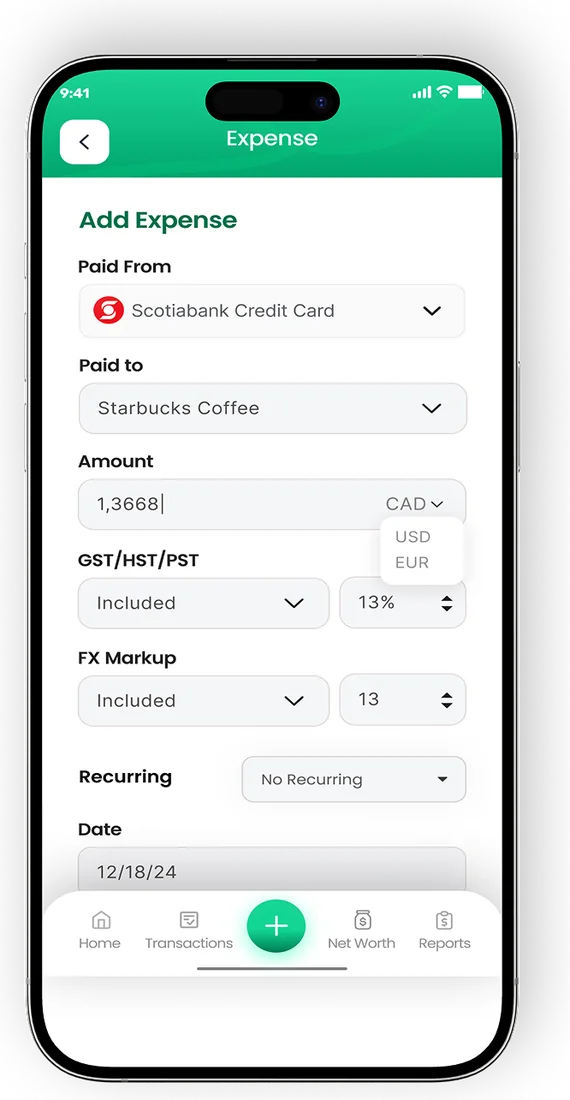
- Record FX markup on card purchases
- Phone and web always in sync


Sample budget: a US salary with money sent to India
This example assumes a single professional with $5,500 a month in take-home pay who sends 15% to India. It is illustrative, not a statistic, and your city will change the rent line more than anything else.
| Category | USD per month | Notes |
|---|---|---|
| Rent | $1,900 | One-bedroom or shared apartment |
| Groceries | $500 | Mostly cooking at home |
| Car or transit | $450 | Insurance, fuel or a transit pass |
| Utilities and internet | $200 | Varies by season |
| Phone | $60 | One line |
| Health costs | $150 | Premiums and out-of-pocket |
| Money sent to India | $825 | About ₹69,400 after costs |
| Savings and emergency fund | $700 | Beyond payroll retirement savings |
| Dining, personal, travel | $450 | Flexible |
| Buffer | $265 | Rate swings and surprises |
If the money covers an EMI in India, our EMI calculator shows the fixed rupee amount you need each month. For the household receiving it, the monthly budget planner for India splits income into needs, wants and savings, and budgeting app for India explains how to track spending in rupees.
Tips for a steady USD to INR plan
- Send on a fixed date after payday so the transfer is covered before other spending.
- Agree a rupee target with family and adjust dollars only when the rate moves meaningfully.
- Fund transfers from a bank account rather than cash to avoid the 2026 cash remittance tax.
- Compare rupees delivered across two or three providers for your usual amount.
- Plan early for Diwali, weddings and tuition so a large transfer does not land at a poor rate.
- Log each transfer in EMOH Pay in dollars. It converts across 148 currencies automatically, so your US budget and the rupees sent to India sit in one view.
Every currency in one app
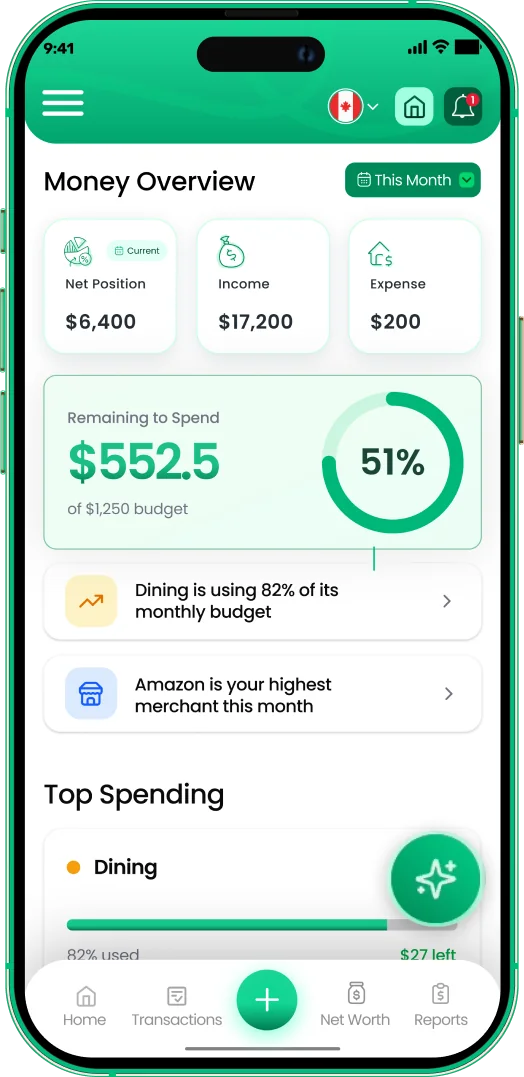
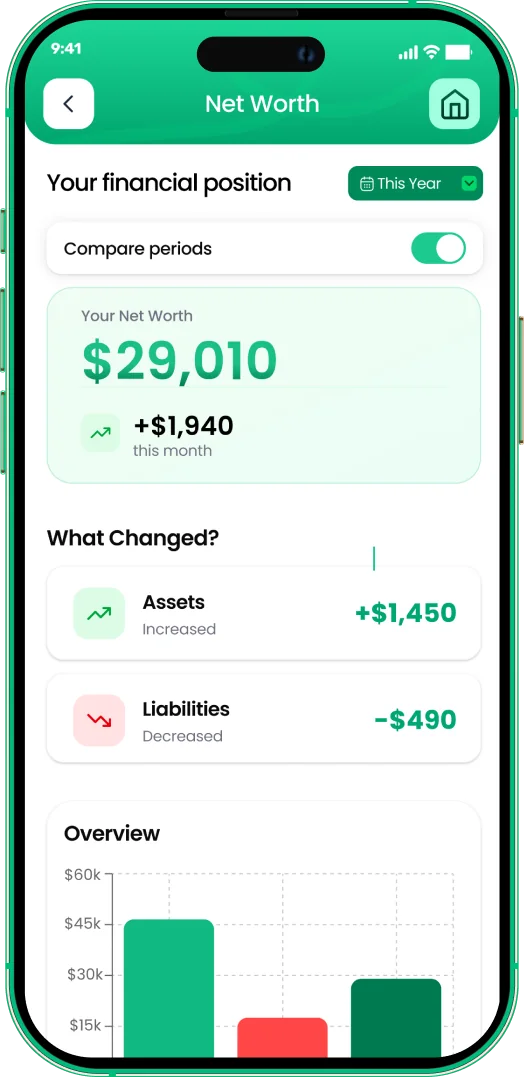

Put the numbers on autopilot
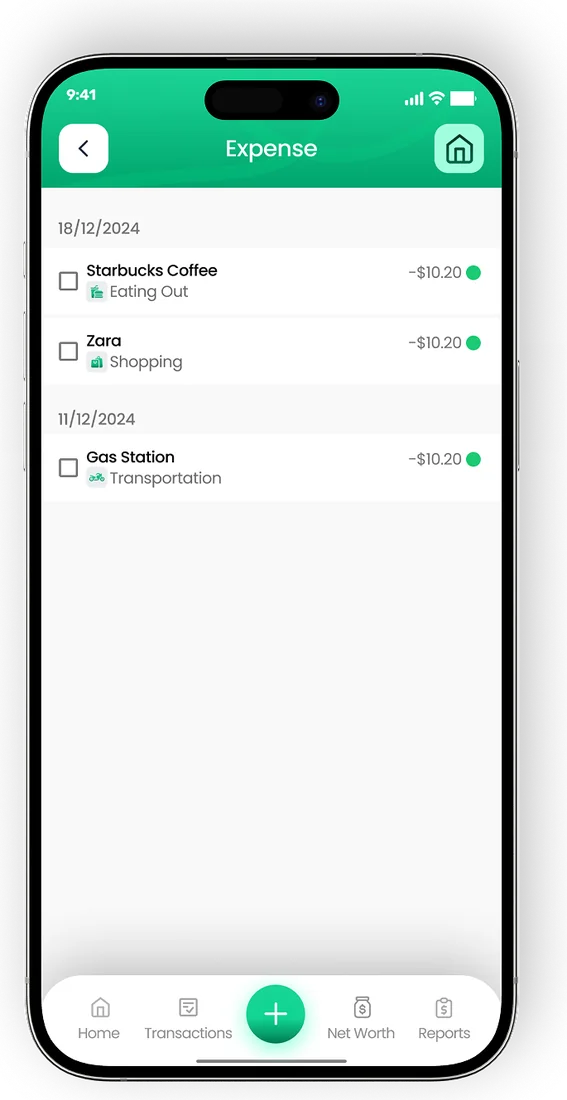
EMOH Pay tracks your spending, budgets and net worth on your phone and in the browser, always in sync. Free to start, made in Canada.
Get started free➜USD to INR Converter + Budget Planner: frequently asked questions
Is the USD to INR rate in this tool live?
No. It uses an indicative 2026 rate for planning. Rates move every day, so check a live rate and the provider's quote before sending.
What is the cheapest way to send money from the US to India?
Compare the rupees delivered for the same dollar amount across licensed providers. Bank-funded online transfers are often cheaper than wires or cash-funded transfers, but quotes change, so check each time.
Does the US tax money I send to India?
Transfers funded with cash, money orders or similar instruments carry a 1% federal excise tax from 2026. Transfers from a bank account or US card are generally exempt. Check the IRS guidance for current rules.
Should I send money to an NRE or NRO account?
Money earned abroad usually goes to an NRE account, which is repatriable and earns interest that is tax-free in India. NRO accounts are for income earned in India. Confirm with your bank.
Can my parents in India use the same budget?
Yes. EMOH Pay is free on iPhone, Android and the web, and family sharing gives each person a separate login to one shared budget, shown in the currency each of you prefers.
Sources and further reading
Related guides and tools
Quick conversion between major currencies (indicative 2026 rates — live rates inside the EMOH Pay app, with 148 currencies…
GBP to INR Converter + Budget PlannerConvert GBP to INR, see how fees and exchange margins change what arrives in India and plan a monthly transfer your UK…
How to Budget When Sending Money HomeBuild a remittance budget that supports family without draining your own savings: how much money to send home, handling…
Remittance Fees ExplainedRemittance fees explained simply: upfront fees, exchange margins and receiving charges, with a worked example and the…
Budgeting App for IndiaEMOH Pay works in India: budget in INR plus 147 other currencies, on your phone and the web. Budget in rupees with full…
Budgeting App for United StatesEMOH Pay works in United States: budget in USD plus 147 other currencies, on your phone and the web. EMOH Pay works fully in…
Start free today
Free on iPhone, Android and the web. Upgrade to EMOH Pro anytime for bank sync and advanced AI.
Download for iOS➜ Get it on Android➜