
How Much Should I Save Each Month?
The classic answer is 20% of take-home pay, but the right number depends on your debts, goals and costs. Here is how to find yours.
Get started free➜ Download the app➜
How much of my income should I save each month?
A common guideline is to save about 20% of your take-home pay each month, as in the 50/30/20 rule. If that is not possible yet, start with 5% to 10% and raise it over time. Build an emergency fund first, then split savings between retirement, shorter-term goals and paying down high-interest debt.
How much should I save each month? The short answer
How much you should save each month depends on your situation, but about 20% of take-home pay is a widely used target. It comes from the 50/30/20 rule, which puts half of your pay toward needs, 30% toward wants and 20% toward savings and extra debt payments. If 20% is out of reach, a smaller amount saved every month still builds a strong habit.
The number matters less than the consistency. Saving 8% automatically every payday beats aiming for 20% and managing it only in good months. Read more about the framework in our 50/30/20 rule guide.
How much to save per month at different incomes
Here is what common savings rates look like in dollars. Use your net pay, the amount that actually lands in your account after tax and deductions.
| Monthly take-home pay | 5% | 10% | 15% | 20% |
|---|---|---|---|---|
| $2,500 | $125 | $250 | $375 | $500 |
| $3,500 | $175 | $350 | $525 | $700 |
| $4,500 | $225 | $450 | $675 | $900 |
| $6,000 | $300 | $600 | $900 | $1,200 |
| $8,000 | $400 | $800 | $1,200 | $1,600 |
To see your own savings rate from your actual income and spending, try the savings rate calculator.
What to save for, in order
Once you know how much to save each month, decide where it goes. A simple priority order keeps you from saving for a vacation while a credit card charges 20% interest.
- A starter emergency fund. Aim for about $1,000 first so small surprises do not become debt.
- High-interest debt. Pay down credit cards and other expensive debt faster than the minimum.
- A full emergency fund. Build three to six months of essential expenses. The emergency fund calculator works out your target.
- Retirement. Take any employer pension or RRSP match in full, then add regular contributions. See how much to save for retirement in Canada.
- Shorter-term goals. A home down payment, a car, travel or education, often saved through sinking funds or a TFSA or FHSA.
- Longer-term investing. Extra savings beyond your goals, invested for growth.
Tips that help you save
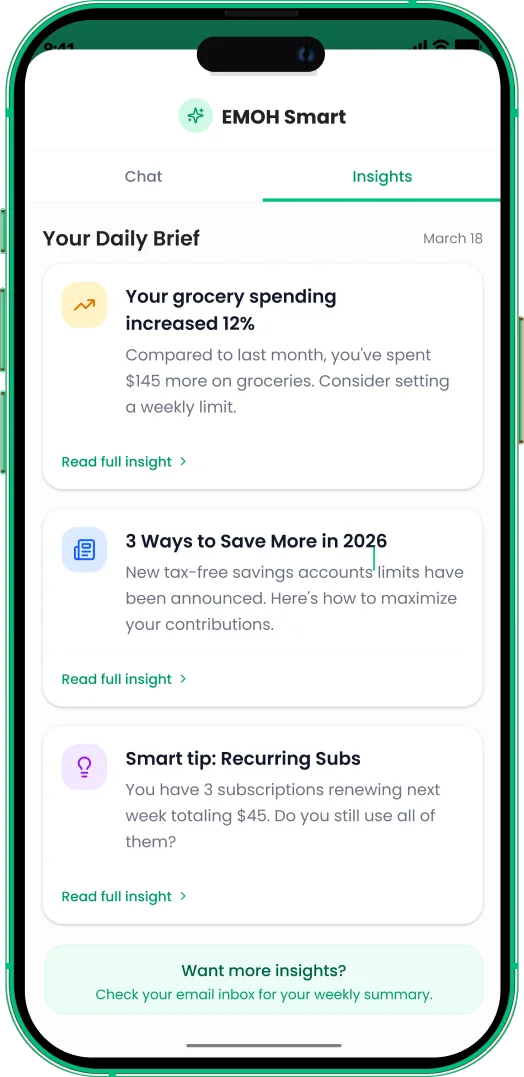
- A daily brief with practical ways to save
- Spot recurring subscriptions worth cutting
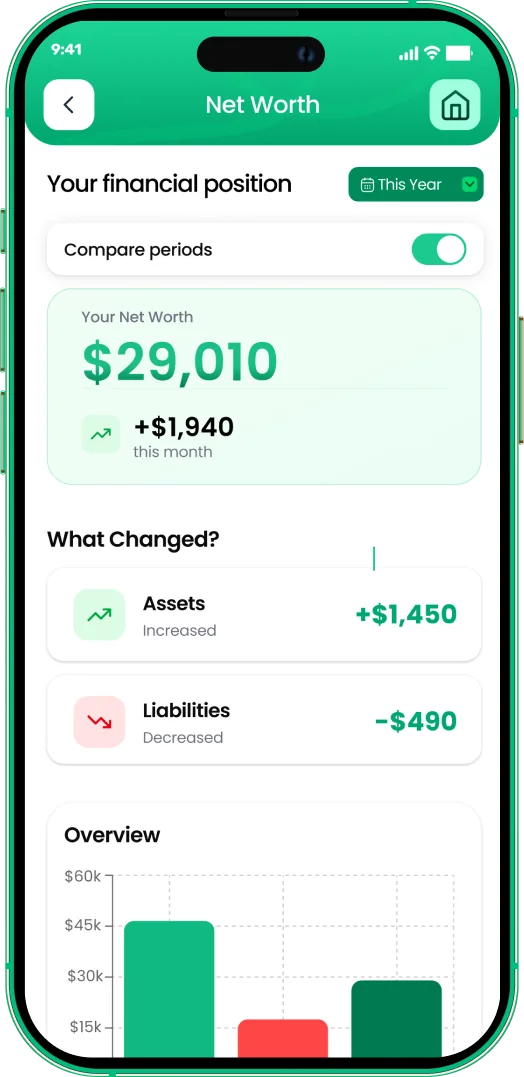
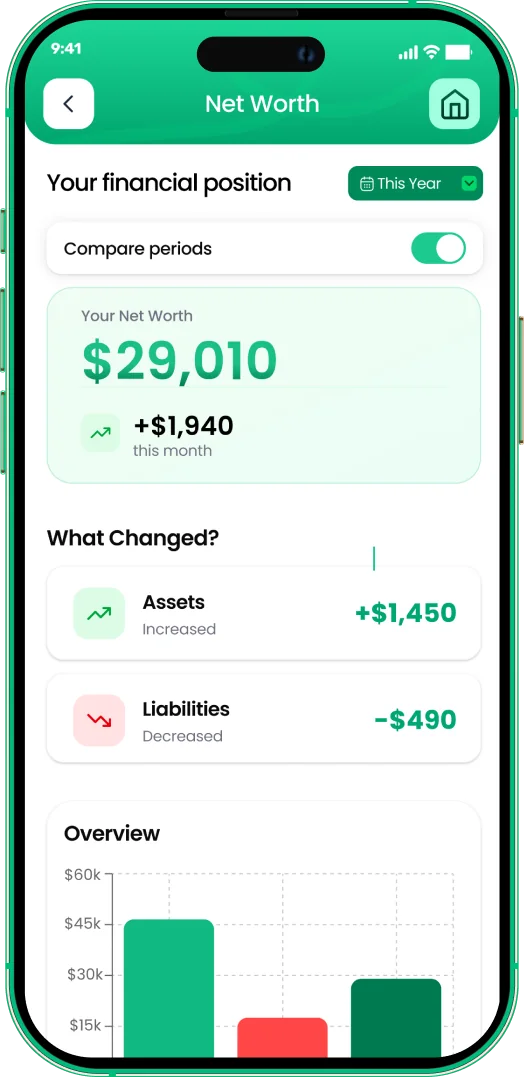
- Watch your savings show up in your net worth


When to save more or less than 20%
- Save less for now if your essentials already take most of your pay, you are paying off high-interest debt, or you are rebuilding after a job loss. Start at 5% and increase it by one or two percentage points every few months.
- Save more if you started saving later in life, want to retire early, are saving for a home within a few years, or have irregular income that needs a bigger cushion.
- Count debt payments carefully. Extra payments on high-interest debt can count toward your savings rate because they raise your net worth. Minimum payments do not.
How to work out your own monthly savings target
For a specific goal, the monthly amount is simple: divide what you need by the months until you need it. For example, $6,000 for a trip in 18 months is about $333 a month. The savings goal calculator does this for any target and date, and can include interest.
| Goal | Target | Time frame | Monthly amount |
|---|---|---|---|
| Starter emergency fund | $1,000 | 6 months | About $167 |
| Full emergency fund | $12,000 | 36 months | About $333 |
| Vacation | $3,000 | 12 months | $250 |
| Car replacement | $10,000 | 48 months | About $208 |
Add up the monthly amounts for your goals and compare the total with your savings rate. If the total is too high, stretch a time frame or put one goal on hold.
Where to keep your monthly savings in Canada
Match the account to the goal. Money you may need soon belongs somewhere safe and easy to reach, such as a high-interest savings account. Long-term money can go into registered accounts that shelter growth from tax.
- TFSA. Growth and withdrawals are tax-free, and withdrawals restore contribution room the following calendar year. See the current TFSA limit for 2026.
- RRSP. Contributions are deductible, up to 18% of the previous year's earned income to an annual maximum set by the CRA.
- FHSA. For first-time home buyers, with contributions of up to $8,000 a year and a $40,000 lifetime limit.
- High-interest savings account. Best for emergency funds and goals within a year or two.
Making monthly saving automatic
The most reliable way to hit your target is to save before you spend. Schedule an automatic transfer for payday, then budget with what is left. Raise the transfer whenever you get a raise or pay off a debt.
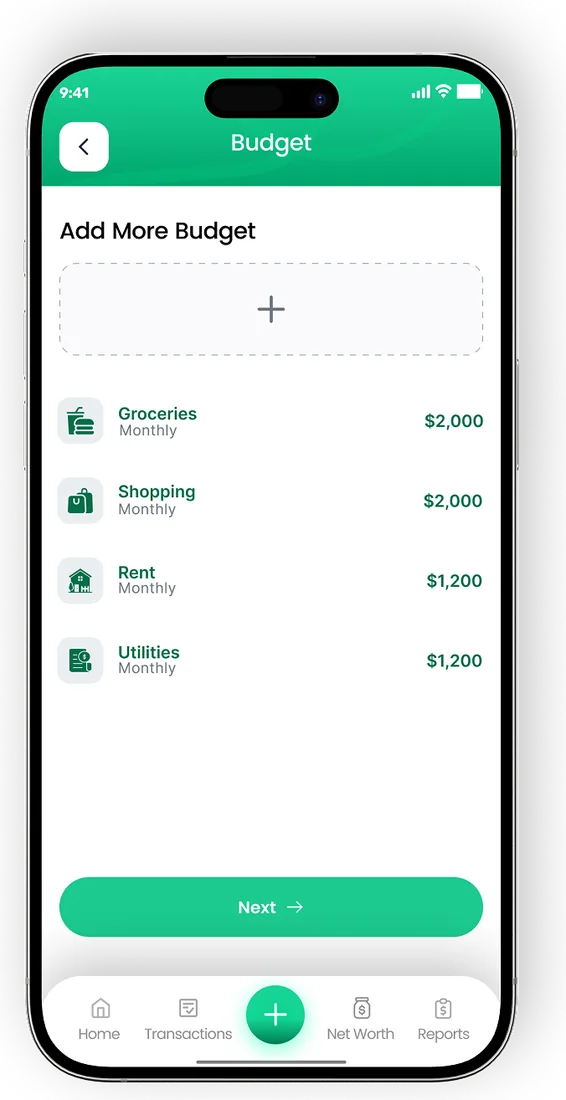
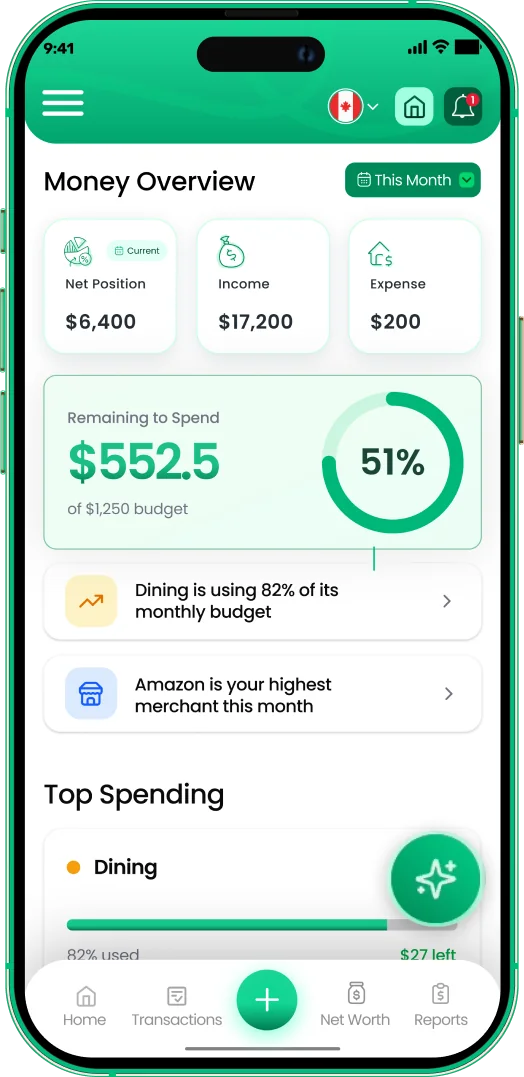
EMOH Pay helps you see whether the plan is working. It is free to start on iPhone, Android and the web, with savings goals, budgets with overspend alerts and net worth tracking in one place. See everything on the features page.
Save more with EMOH Pay

Put the numbers on autopilot
EMOH Pay tracks your spending, budgets and net worth on your phone and in the browser, always in sync. Free to start, made in Canada.
Get started free➜How Much Should I Save Each Month?: frequently asked questions
Is 20% savings realistic?
For many people it is a goal rather than a starting point, especially in high-rent cities. Start with what you can manage, even 5%, and increase it gradually.
Should I save based on gross or net income?
Most budgeting guidelines, including the 50/30/20 rule, use take-home pay. Retirement guidelines are sometimes expressed as a share of gross income, so check which one a rule uses.
Do RRSP or pension contributions count toward my savings?
Yes. Money you put toward retirement from your own pay counts. An employer match is a bonus on top of your own savings rate.
How much should I have in savings by age 30?
There is no single right figure. A practical target is a full emergency fund plus steady retirement contributions. Our average net worth by age guide shows how Canadians compare.
What if I cannot save anything right now?
Track spending for a month to find small leaks, and look at income options such as benefits you may qualify for. Even $25 a month builds the habit until you can do more.
Related guides and tools
How much to save per month? Enter your target amount and months until deadline — get your required monthly contribution…
Savings Rate CalculatorUse this free savings rate calculator to see what percent of your take-home pay you save, how it compares with the 20%…
The 50/30/20 Rule ExplainedThe 50/30/20 rule splits take-home pay into 50% needs, 30% wants and 20% savings. See what counts in each bucket, worked…
Emergency Fund Calculator — Free CalculatorYour emergency fund target is 3–6 months of essential expenses. Enter monthly essentials below for your range. Free…
Average Net Worth by AgeAverage net worth by age in Canada, using Statistics Canada median figures, why averages mislead, what drives the gap by age…
EMOH Pay Features — Budgets, Tracking, AI & MoreAll EMOH Pay features: expense tracking, budgets, net worth, Ask AI, family sharing, GST/HST, multi-currency and more. Free…
Start free today
Free on iPhone, Android and the web. Upgrade to EMOH Pro anytime for bank sync and advanced AI.
Download for iOS➜ Get it on Android➜