
Savings Rate Calculator
Enter your monthly take-home pay, what you save and invest, and any extra debt principal you pay. See your savings rate, how much you put away each year and how it compares with common benchmarks.
Use the calculator➜ Try EMOH Pay free➜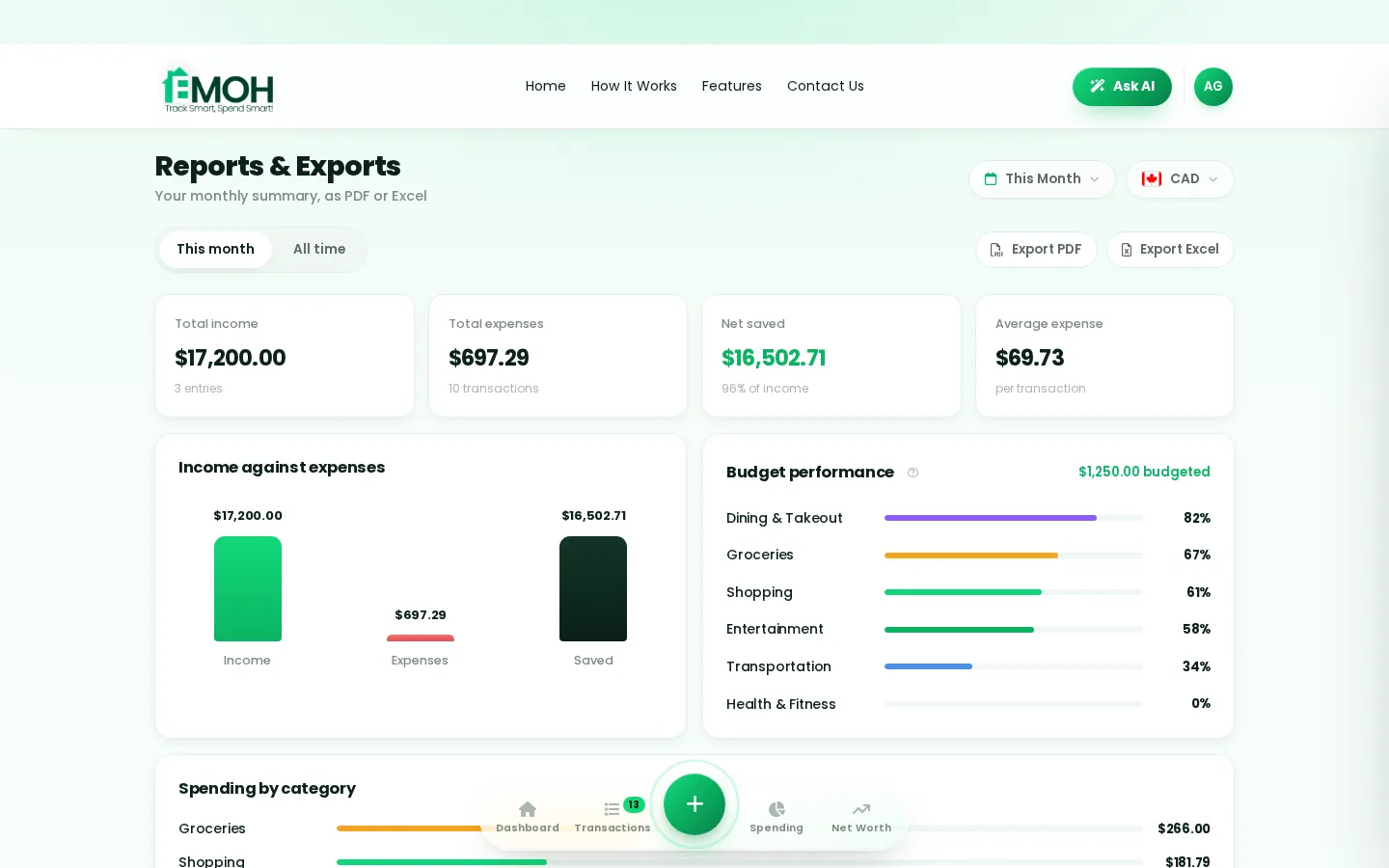
What is my savings rate?
Your savings rate is the share of your take-home pay that you save, invest or use to pay down debt principal each month. Divide monthly savings by monthly take-home income: $750 saved from $5,000 is a 15% savings rate. Many budgets aim for 20%, while 10% is a solid starting point.
How the savings rate calculator works
A savings rate calculator turns your monthly numbers into one percentage. It adds what you save and invest to any extra debt principal you pay, then divides by your monthly take-home income. The result is the share of every dollar you keep for your future self.
Extra debt principal counts because paying down a loan faster builds net worth just as saving does. Minimum payments do not count; they are part of your regular spending.
- Monthly take-home income. What lands in your account after tax and payroll deductions. Average it over a few months if your pay varies.
- Monthly savings and investments. Transfers to savings, a TFSA, an RRSP, an FHSA or any investment account.
- Extra debt principal (optional). Anything you pay on a loan, mortgage or card above the required minimum.
- Read the result. You see your savings rate, the amount saved per year and whether you are below 10%, between 10% and 20%, or above 20%.
What percent of income should I save?
A common guideline is to save 20% of take-home pay, which is the savings share in the 50/30/20 rule. If that is out of reach, 10% is a realistic start, and any rate above zero is progress. What matters most is that the rate is steady and rises as your income grows.
The right rate depends on your goals and timeline. Someone building an emergency fund, saving for a home and investing for retirement at the same time may need more than 20%. Someone paying off high-interest debt might put most of the 20% there first. To turn a goal into a monthly dollar figure, see how much to save each month.
| Savings rate | Saved per month | Saved per year |
|---|---|---|
| 5% | $250 | $3,000 |
| 10% | $500 | $6,000 |
| 15% | $750 | $9,000 |
| 20% | $1,000 | $12,000 |
| 30% | $1,500 | $18,000 |
Why your savings rate matters more than your income
Your savings rate controls two things at once: how much you add to savings, and how much you are used to spending. A higher rate means a bigger nest egg and a smaller lifestyle to fund later, which is why it shortens the road to financial independence so sharply.
The calculator estimates how long it takes to build savings equal to 25 times your annual spending, a common target for living off investments, assuming a 5% return after inflation and that you spend everything you do not save.
These are illustrations, not forecasts. Real returns vary, and government pensions such as CPP and OAS in Canada reduce how much you need to fund yourself. The pattern still holds: moving from 10% to 20% cuts the timeline by more than a decade.
Tips that help you save
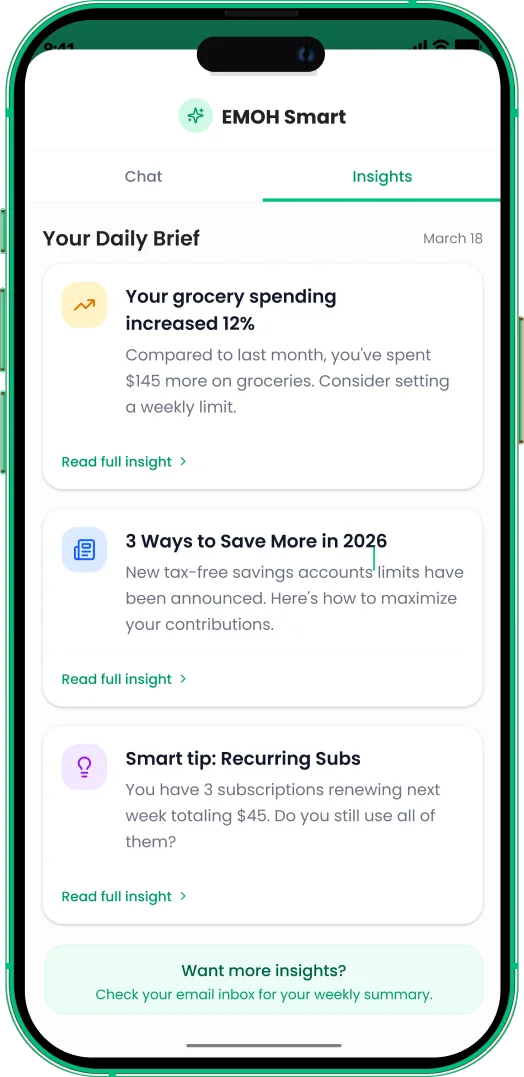
- A daily brief with practical ways to save
- Spot recurring subscriptions worth cutting
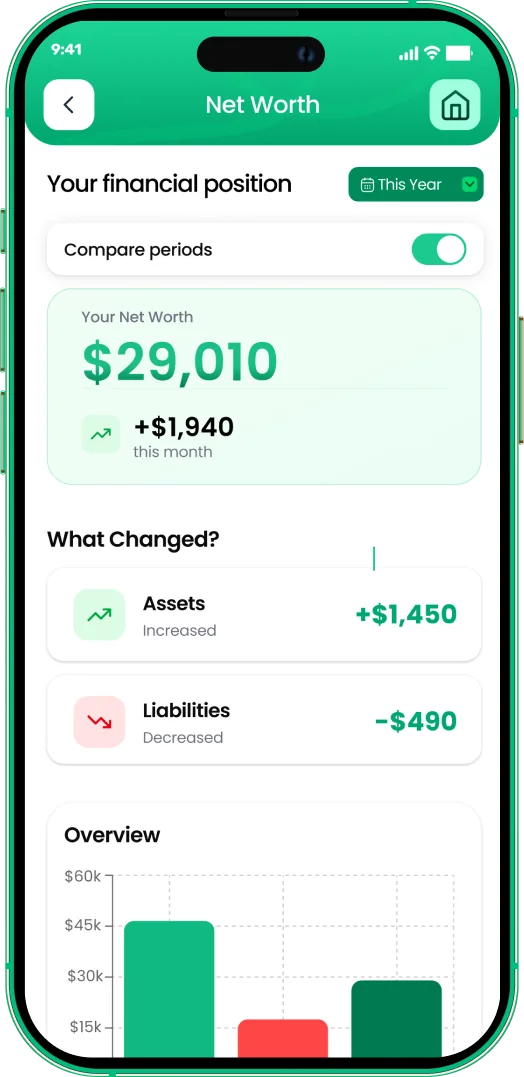
- Watch your savings show up in your net worth


Gross or net: which savings rate should I calculate?
This calculator uses take-home pay because that is the money you actually control and budget each month. It is the clearest way to compare against spending and to track progress month to month.
Some people calculate a gross savings rate instead, dividing savings by pre-tax income. That figure is lower for the same dollars, so be consistent. If your employer takes RRSP or pension contributions from your pay before it reaches you, add them to both your savings and your take-home income to get a complete picture, and note that employer matching is extra savings on top.
How to raise your savings rate
- Pay yourself first. Set an automatic transfer on payday so saving happens before spending. Our guide to paying yourself first shows how to set it up.
- Save part of every raise. Directing half of each pay increase to savings lifts your rate without cutting your current lifestyle.
- Cut one large cost. Housing, transportation and food are where most money goes. One change there usually beats many small cuts.
- Review recurring charges. Subscriptions and memberships add up quietly over a year.
- Build the emergency fund first. A cushion stops surprise bills from undoing months of saving. The emergency fund calculator sets a target.
EMOH Pay's savings goals and reports show how much of each month's income you kept, so your savings rate becomes a number you watch rather than one you calculate once a year. Budgets with overspend alerts help protect it. The features page walks through each tool.
Save more with EMOH Pay
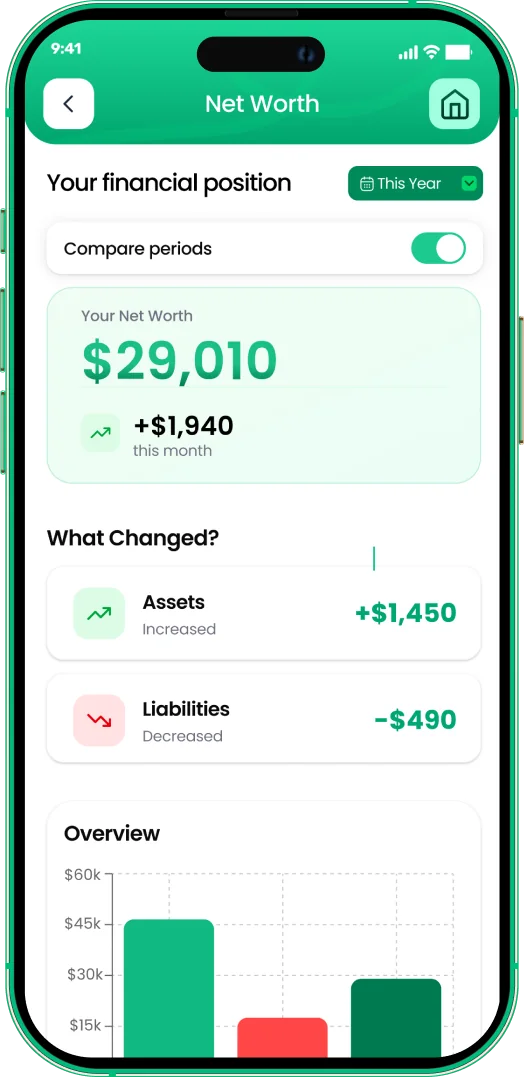
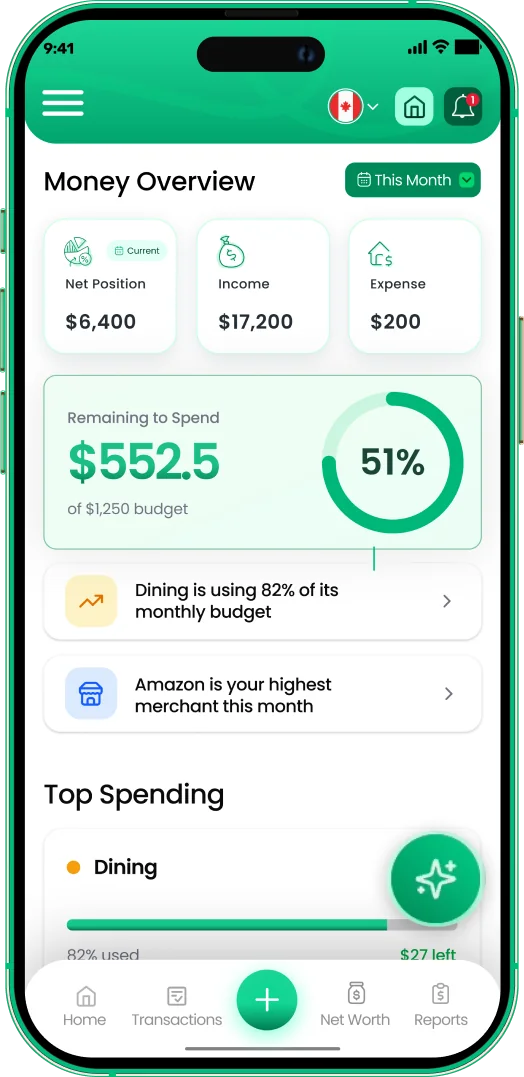

Put the numbers on autopilot
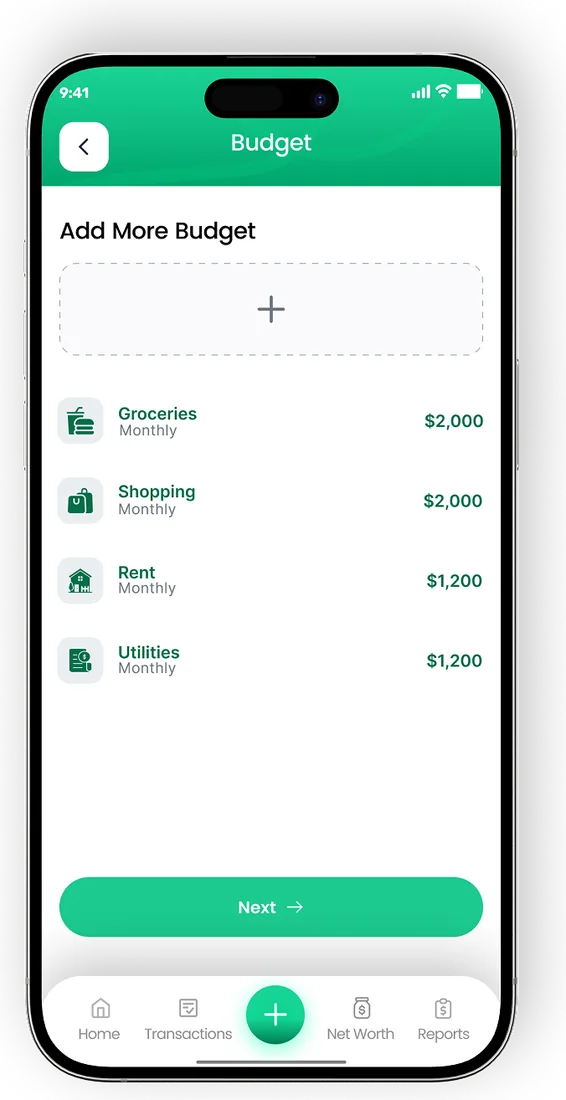
EMOH Pay tracks your spending, budgets and net worth on your phone and in the browser, always in sync. Free to start, made in Canada.
Get started free➜Savings Rate Calculator: frequently asked questions
Is a 10% savings rate good?
A 10% savings rate is a solid foundation, especially early in your career or while paying off debt. Many guidelines aim for 20%, so treat 10% as a floor to build from as income rises.
Does paying off debt count toward my savings rate?
Extra principal above the minimum payment counts, because it increases your net worth. Required minimum payments and interest do not; they are regular spending.
Should retirement contributions from my paycheque count?
Yes. If RRSP or workplace pension contributions are deducted before you are paid, add them to both savings and take-home income. Employer contributions are extra savings you can include as well.
How often should I check my savings rate?
Monthly is useful for spotting drift, and a yearly figure smooths out months with large bills or irregular income. Tracking both gives the clearest picture.
What is a good savings rate by age?
There is no official figure by age. Starting early matters most because of compound growth, so a steady 10% to 20% in your twenties and thirties often does more than a higher rate started later.
Sources and further reading
Related guides and tools
How much should I save each month? A common target is 20% of take-home pay. See how to adjust it for your income, goals and…
Emergency Fund Calculator — Free CalculatorYour emergency fund target is 3–6 months of essential expenses. Enter monthly essentials below for your range. Free…
Savings Goal Calculator — Free CalculatorHow much to save per month? Enter your target amount and months until deadline — get your required monthly contribution…
Pay Yourself FirstPay yourself first means saving before you spend. See what it means, a pay yourself first example on a Canadian paycheque…
The 50/30/20 Rule ExplainedThe 50/30/20 rule splits take-home pay into 50% needs, 30% wants and 20% savings. See what counts in each bucket, worked…
Compound Interest CalculatorFree compound interest calculator. Enter a starting amount, monthly contribution, return and years to see how your savings…
Start free today
Free on iPhone, Android and the web. Upgrade to EMOH Pro anytime for bank sync and advanced AI.
Download for iOS➜ Get it on Android➜