
CPP Retirement Calculator
Enter your CPP estimate at 65 and the age you plan to start to see your monthly pension, the percentage adjustment and the yearly total.
Use the calculator➜ Try EMOH Pay free➜
How much CPP will I receive?
How much CPP you receive depends on how much and for how long you contributed, and the age you start. The maximum at 65 was about $1,433 a month in 2025, but most people receive less. Starting at 60 cuts your pension by up to 36%, while waiting until 70 raises it by up to 42%.
How to use the CPP calculator
This CPP calculator shows how your Canada Pension Plan retirement pension changes with the age you start it. You enter the monthly amount Service Canada estimates you would get at 65, then the age you plan to start, anywhere from 60 to 70. The calculator applies the official adjustment for each month before or after 65.
It does not estimate your contributions from scratch. That calculation depends on your full earnings history, which only Service Canada holds, so the most accurate starting point is your own statement.
- Your CPP estimate at 65. Sign in to My Service Canada Account and open your CPP Statement of Contributions. It shows an estimated monthly pension at 65 based on your record so far.
- Age you plan to start. Enter a whole age from 60 to 70. Each year before 65 lowers the pension by 7.2%; each year after raises it by 8.4%.
- Read the results. You see your monthly pension at that age, the adjustment compared with 65 and the annual amount before tax.
How much CPP will I get at 60, 65 or 70?
Your CPP at 60 is 36% lower than at 65, and your CPP at 70 is 42% higher. The adjustments are permanent, and the pension is indexed to inflation every January whichever age you choose. The chart applies these rules to someone whose Service Canada estimate at 65 is $900 a month.
Ignoring inflation and tax, someone who waits from 65 to 70 needs to live to about 82 before the larger payments make up for the five years of pension they skipped. Starting at 60 instead of 65 comes out ahead only until about age 74. Health, other income and whether you need the money now all matter more than the break-even age alone.
How CPP retirement pension is calculated
Your CPP is based on how much you earned and contributed between age 18 and the age you start the pension. Earnings count up to the yearly maximum pensionable earnings, $74,600 in 2026. The more years you earned near that ceiling, the closer you get to the maximum pension.
- Base CPP replaces about 25% of your average earnings up to the ceiling.
- The CPP enhancement, phased in since 2019, gradually raises the replacement rate toward one third of average earnings, and adds a second earnings tier up to $85,000 in 2026. People who contribute for most of their career after 2019 benefit most.
- Drop-out provisions remove your lowest-earning years, up to 17% of your contributory period, from the average. Years spent at home raising children under seven can also be excluded.
- Maximum versus typical. Few people receive the maximum, because it needs about 39 years of earnings at or above the ceiling. Service Canada publishes the average amount for new pensioners, which has been well below the maximum in recent years.
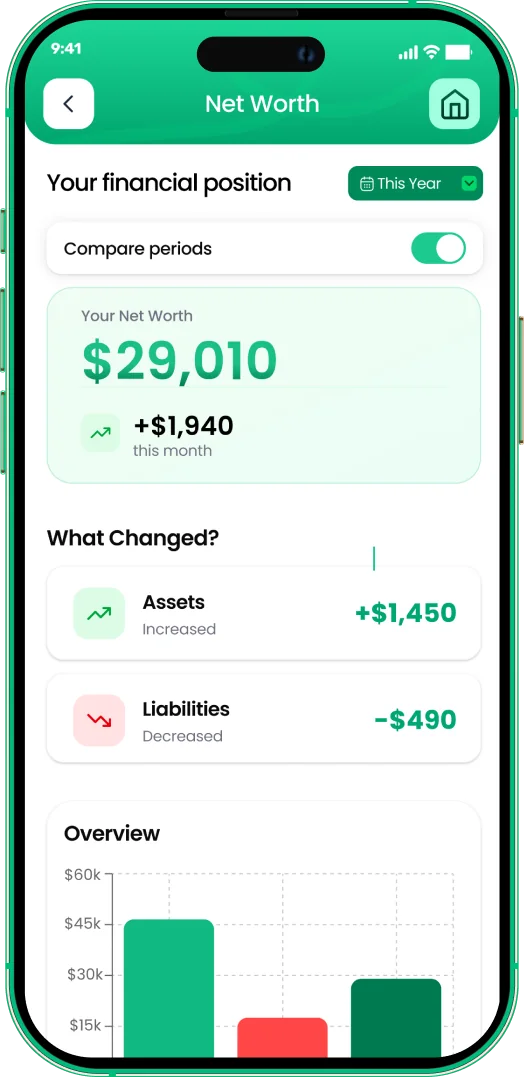
Watch your net worth grow
- Add assets and debts in any of 148 currencies
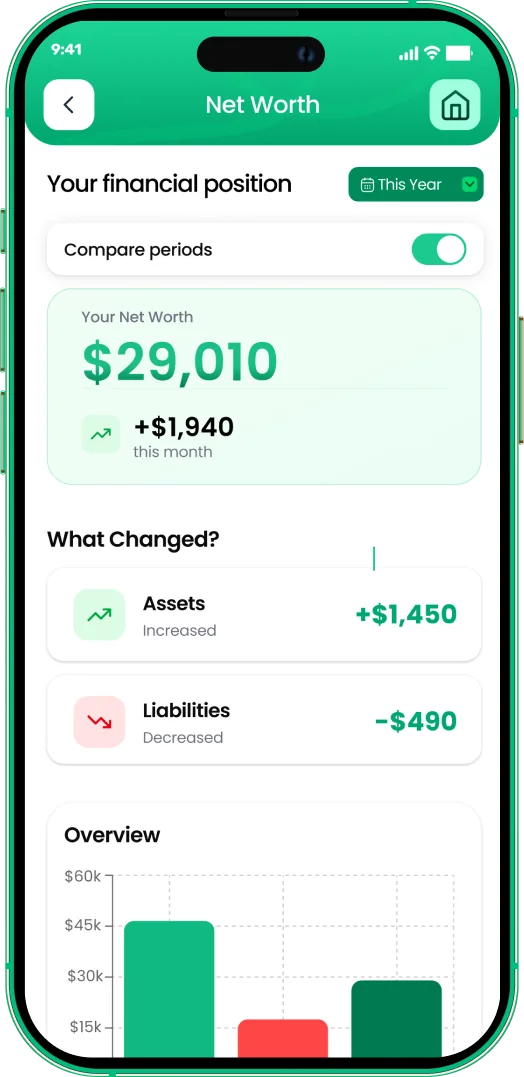
- See what changed month by month
- Set savings goals and track progress


CPP and OAS: two different pensions
CPP and Old Age Security are separate programs, and most retirees receive both. CPP depends on your work contributions. OAS depends on how long you have lived in Canada after age 18, is paid from 65 and can be deferred up to 70 for a larger payment.
| CPP retirement pension | Old Age Security | |
|---|---|---|
| Based on | Your contributions from work | Years of residence in Canada |
| Earliest start | 60 | 65 |
| Latest start | 70 | 70 |
| Deferral bonus | 0.7% per month after 65 | 0.6% per month after 65 |
| Reduced for high income | No | Yes, through the recovery tax |
| Taxable | Yes | Yes |
Both pay monthly on set dates. See CPP payment dates and OAS payment dates for the 2026 schedules.
When should I start CPP?
There is no single right age. Starting early can make sense if your health is poor, you have no other income, or you need to avoid high-interest debt. Delaying makes sense if you expect a long retirement, have savings to draw on first and want a larger inflation-protected income later.
Many people bridge the gap by drawing on an RRSP or TFSA in their early sixties and delaying CPP. Our retirement savings calculator and guide on how much you need to retire in Canada help you test that plan.
You must apply for CPP; it does not start automatically at 60 or 65. You can apply up to 12 months before you want payments to begin.
Budgeting on a CPP income
Retirement income usually arrives from several sources on different days: CPP, OAS, a workplace pension and RRIF withdrawals. Knowing exactly what lands each month makes it easier to cover fixed bills and plan for irregular costs such as home repairs and travel.
EMOH Pay is free to start on iPhone, Android and the web. Record each pension as income, track bills and set savings goals, and see how our retirement budget app helps couples manage one budget with separate logins.
Your net worth in EMOH Pay
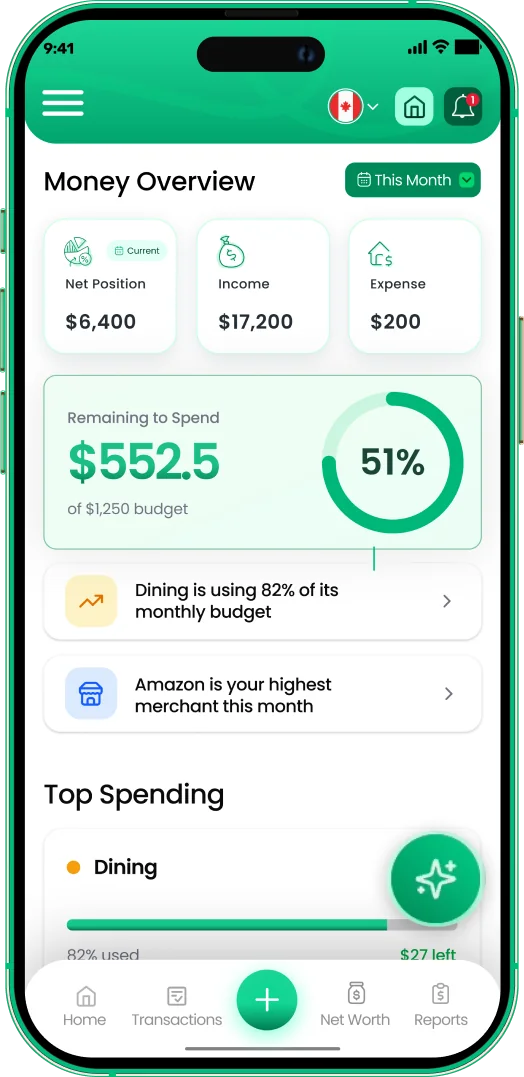
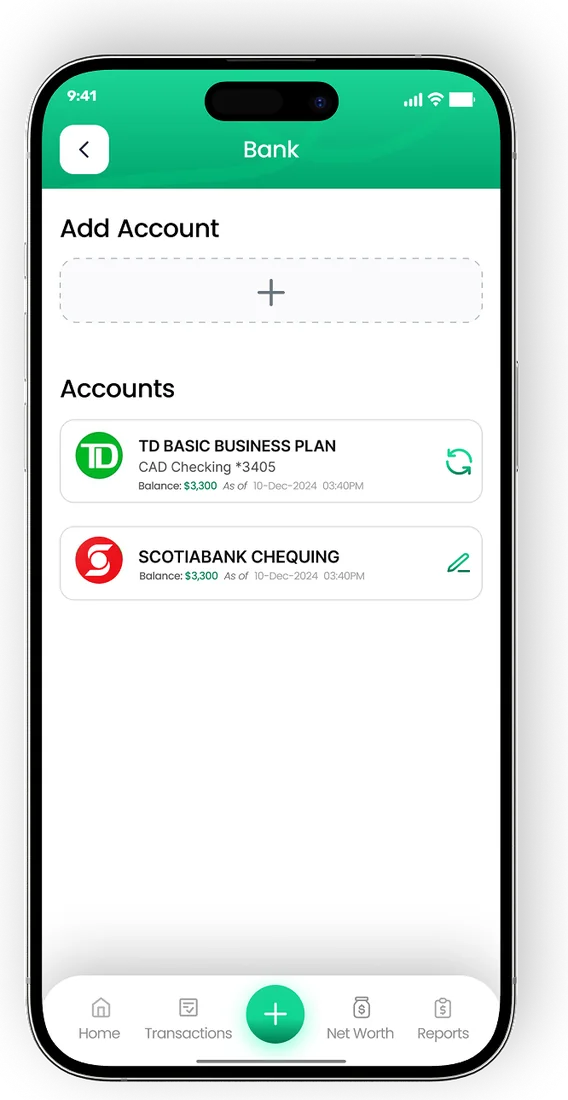
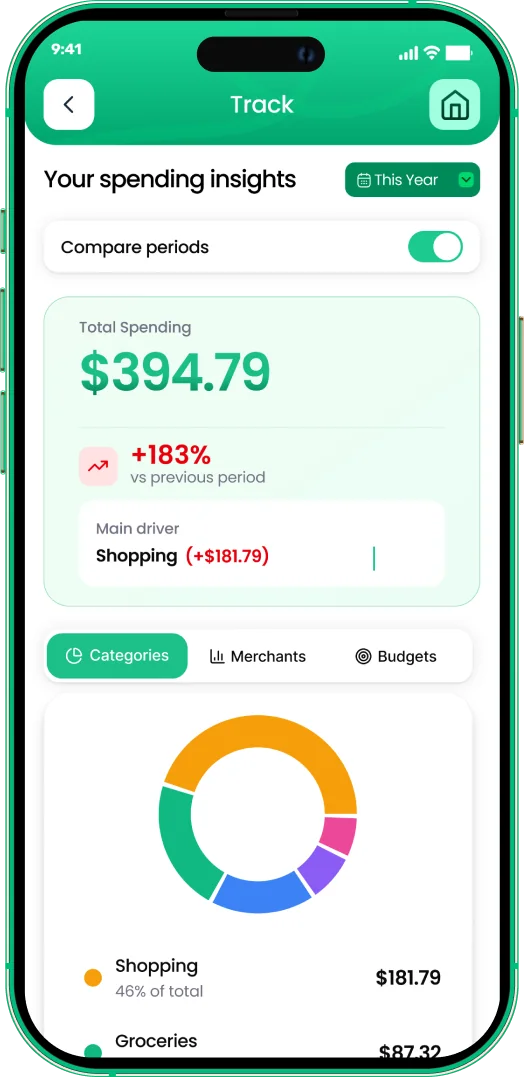

Put the numbers on autopilot
EMOH Pay tracks your spending, budgets and net worth on your phone and in the browser, always in sync. Free to start, made in Canada.
Get started free➜CPP Retirement Calculator: frequently asked questions
What is the maximum CPP payment?
For someone starting at 65, the maximum was about $1,433 a month in 2025. The figure is updated every January, so check the current amount on Canada.ca. Waiting until 70 can raise a maximum pension by 42%.
How do I find my CPP estimate?
Sign in to My Service Canada Account and view your Statement of Contributions. It lists your contributions by year and an estimated monthly pension at 65, which is the number to enter above.
Is CPP taxable?
Yes. CPP is taxable income. You can ask Service Canada to withhold tax from each payment so you do not face a large bill when you file.
Can I work and collect CPP?
Yes. If you are under 65 and working, you keep contributing and earn a post-retirement benefit that adds to your pension. From 65 to 70, contributing is optional.
Does CPP go up with inflation?
Yes. CPP payments are indexed to the Consumer Price Index every January, both before and after you start the pension.
Sources and further reading
Related guides and tools
CPP payment dates 2026 for every month, with the next deposit on 28 October. See when CPP is paid, what to do if it is late…
OAS Payment Dates 2026OAS payment dates 2026 for every month, plus current Old Age Security amounts, the recovery tax threshold and what to do if…
How Much to Save for Retirement in CanadaHow much do I need to retire in Canada? Estimate your retirement spending, subtract CPP and OAS, and find your savings…
Retirement Savings CalculatorFree retirement savings calculator: project your nest egg at retirement, compare it with a 25-times-spending target and see…
Confidence for the years aheadEMOH Pay helps retirees and near-retirees track spending against fixed income, watch net worth, and keep the retirement plan…
RRSP CalculatorFree RRSP calculator for 2026: see the tax refund on your contribution, what it really costs after tax, your new room and…
Start free today
Free on iPhone, Android and the web. Upgrade to EMOH Pro anytime for bank sync and advanced AI.
Download for iOS➜ Get it on Android➜