
Back-to-School Budget
September lands on the budget all at once. Here is what back to school typically costs per child, a checklist of every category, and a simple plan to save for it over the summer.
Get started free➜ Download the app➜
How much should I budget for back to school?
A back to school budget should allow about $300 to $700 per child in elementary grades and about $500 to $1,200 in high school, covering supplies, clothing, shoes, a backpack, lunch gear and school fees. A new laptop or tablet can add several hundred dollars more. These are illustrative estimates, not an official statistic.
How much should you budget for back to school?
A realistic back to school budget is about $300 to $700 per child in elementary school and $500 to $1,200 in high school, before any major technology purchase. Families with several children, a growth spurt, or a school that requires a device can spend considerably more.
The costs cluster in August and September, which is what makes them hard. Supplies, shoes, a jacket, activity registration and school fees can all arrive in the same three weeks.
These ranges are illustrative, built from typical 2026 Canadian retail prices. They are not a survey result. Start from your school's supply list, then price your own. Back to school is a yearly cost, so it deserves a line on your list of monthly expenses as a monthly set-aside.
Back to school budget breakdown by category
| Category | Elementary | High school |
|---|---|---|
| School supplies | $50 to $150 | $75 to $200 |
| Clothing | $100 to $250 | $150 to $400 |
| Shoes, including indoor shoes | $50 to $150 | $75 to $200 |
| Backpack and lunch gear | $40 to $100 | $40 to $100 |
| School fees and activity fees | $20 to $100 | $50 to $250 |
| Typical total, before technology | about $300 to $700 | about $500 to $1,200 |
| Laptop, tablet or calculator | $0 to $500 | $0 to $1,000 or more |
School fees vary a lot. Public schools in Canada may charge for some activities, trips, locks, agendas or specialty courses, and provincial rules on what schools can charge differ. Check your school's fee list before you finalize the budget.
Back to school checklist: what to include
Your back to school checklist should cover five groups: supplies, clothing, technology, fees and ongoing costs that restart in September. Listing all five stops the ongoing costs from surprising you in October.
- Supplies. Notebooks, pens, pencils, binders, art supplies, a calculator and anything on the teacher's list.
- Clothing and shoes. Fall clothes, indoor shoes, gym clothes and, in many provinces, a winter coat and boots before November.
- Technology. A laptop, tablet or headphones if the school requires them, plus any software.
- Fees. School, activity, field trip and yearbook fees, and sports or music registration.
- Recurring costs. Before- and after-school care, lunches, transit passes for older students and extracurricular lessons.
Budgets that update themselves
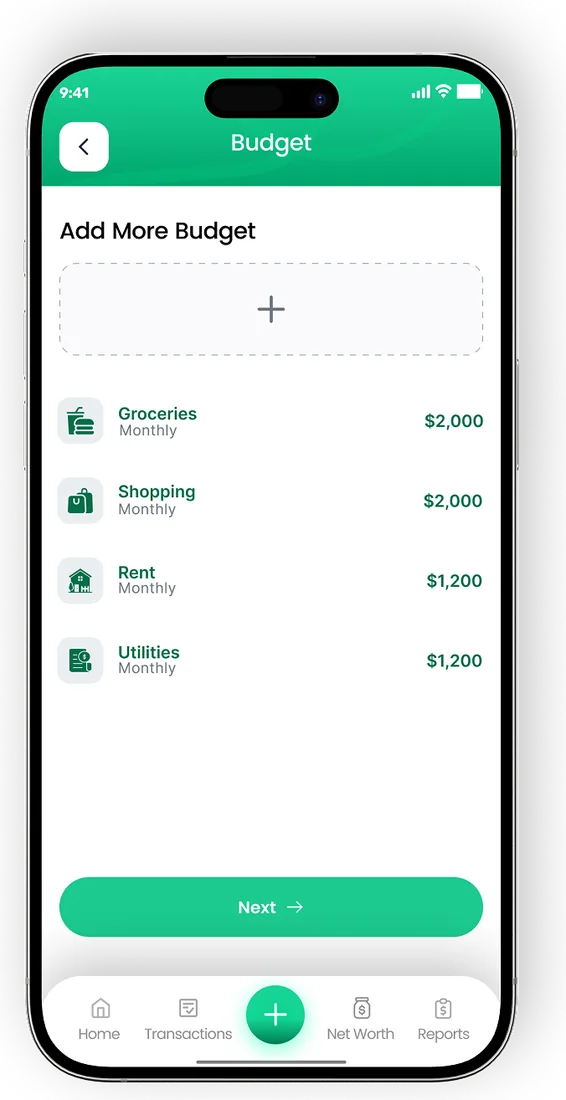
- Set monthly limits for every category
- See what is left to spend in real time
- Get a nudge before a category runs out


How to save for back to school
Start a back to school fund in June or earlier and save a fixed amount each month. For two children with an estimated $1,200 total, saving $300 a month from May to August covers the whole bill before September.
- Estimate the total using the table above and your school's supply list.
- Divide by the months until late August to get a monthly amount.
- Move that amount into a separate sinking fund each payday.
- Take stock of what you already own before buying anything new.
- Buy supplies during summer sales, and wait on items the teacher may not require.
- Track spending against the budget as you shop, so you know what is left for fall fees.
EMOH Pay makes this easy with a Back to School budget, an overspend alert and a savings goal you can watch fill up over the summer. With family sharing, both parents see the same budget from their own logins, so nobody buys the same backpack twice. The budget calculator can help you find room in the monthly budget.
Ways to lower back to school costs
The biggest savings come from not buying what you already have and from spreading larger purchases over time. Children outgrow clothes, but many supplies last more than one year.
- Reuse and hand down. Backpacks, lunch bags, binders and calculators often last several years.
- Buy clothing in stages. Get a few basics for September and buy the rest when you know what your child actually needs.
- Buy refurbished technology. A refurbished laptop from a reputable seller can cost much less than new.
- Pack lunches. Planning lunches with the weekly shop is cheaper than buying at school. Our grocery budget calculator helps you set a realistic food budget.
- Ask about fee support. Many schools and boards can reduce or waive some fees for families who need help. Ask the school office privately.
Planning for bigger school costs
Back to school is a yearly cost, but education costs grow as children get older. Two federal programs help Canadian families plan ahead.
The Canada Child Benefit is a tax-free monthly payment to eligible families with children under 18, based on family net income. Some families set aside part of the summer payments for September. The Canada Child Benefit calculator estimates what your family may receive.
For college, university or trades training, a registered education savings plan lets savings grow tax-sheltered, and the federal government adds a Canada Education Savings Grant of 20% on the first $2,500 contributed each year per child. Our guide to what an RESP is explains the details, and the cost of raising a child in Canada puts school costs into the bigger picture.
Plan your month in EMOH Pay

Put the numbers on autopilot
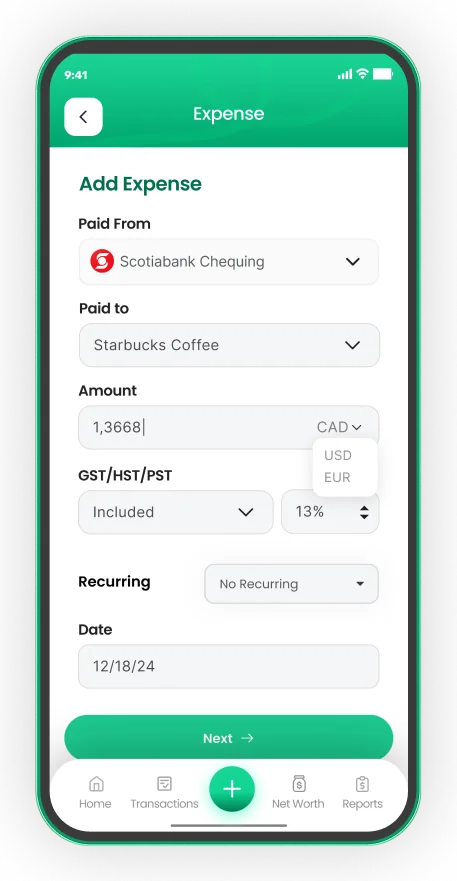
EMOH Pay tracks your spending, budgets and net worth on your phone and in the browser, always in sync. Free to start, made in Canada.
Get started free➜Back-to-School Budget: frequently asked questions
How much does back to school cost per child?
Most families spend about $300 to $700 per elementary student and $500 to $1,200 per high school student, before a laptop or tablet. Clothing, shoes and school fees are the largest variables.
When should I start saving for back to school?
June or earlier works well. Divide your estimated total by the months left before late August and save that amount each payday, so September bills are already covered.
What is usually forgotten in a back to school budget?
Activity and field trip fees, indoor shoes, winter clothing needed soon after school starts, before- and after-school care, and extracurricular registration are the costs families most often leave out.
Can I use the Canada Child Benefit for school costs?
Yes. The Canada Child Benefit is a tax-free monthly payment and you can spend it on any child-related costs, including school supplies and fees. Some families set aside part of each summer payment for September.
How do I budget for back to school with more than one child?
Price each child's list separately, because grade level changes the total. Add the totals, include a buffer of about 10%, and save the combined amount monthly in one back to school fund.
Sources and further reading
Related guides and tools
The cost of raising a child in Canada by age and category, from child care to food and activities, plus the benefits and tax…
Canada Child Benefit CalculatorCanada Child Benefit calculator: enter your family net income and your children's ages to estimate your monthly and yearly…
What Is an RESP?What is an RESP? A clear guide to Registered Education Savings Plans, how the Canada Education Savings Grant adds 20%, the…
Sinking Funds: What They Are and How to Use ThemSinking funds turn big irregular costs into small monthly savings. Learn how they work, common sinking fund categories, a…
Monthly Expenses Checklist: The Full List of Monthly ExpensesA complete list of monthly expenses to build your budget: housing, bills, food, transport, debt, savings and the irregular…
How to Make a Family BudgetA family budget works when everyone can see it and no one is the money police. Here's the setup that keeps peace and…
Start free today
Free on iPhone, Android and the web. Upgrade to EMOH Pro anytime for bank sync and advanced AI.
Download for iOS➜ Get it on Android➜