
Average Subscription Spending (2026)
Subscriptions are small on their own and large together. No official agency publishes a single average, so here is how to estimate a typical total and, more usefully, your own.
Get started free➜ Download the app➜
How much does the average person spend on subscriptions?
There is no official average, because Statistics Canada and similar agencies do not track subscriptions as one category. Adding up typical prices, a household with six to ten services such as streaming, music, cloud storage and apps often pays roughly $60 to $200 a month. The only reliable figure is your own, found by auditing statements.
How much do people spend on subscriptions?
How much people spend on subscriptions varies widely, and no government statistic gives a clean national average. Statistics Canada's household spending data groups subscriptions inside broader categories such as communications and recreation. Private surveys publish headline figures, but their methods and samples differ so much that the results are not comparable.
What we can do is estimate from typical prices. Most digital subscriptions cost somewhere between about $5 and $25 a month each. A household with six to ten of them, which is easy to reach once streaming, music, cloud storage, news and a few apps are counted, lands roughly between $60 and $200 a month. Add a gym or meal kit and the total climbs quickly.
The more important point is that people tend to underestimate their own number. Small charges on different cards and app stores are easy to forget, which is why an audit usually turns up at least one surprise.
Subscription spending by type: typical price ranges
The table below shows rough monthly price bands for common subscription types in Canada at the time of writing (September 2026). These are ranges built from typical plan prices, not survey averages. Prices change often, so check the provider's own site.
| Subscription type | Typical monthly range | Notes |
|---|---|---|
| Video streaming | $6 to $25 per service | Ad-supported tiers are cheapest; many households have two or three |
| Music streaming | $11 to $18 | Family plans cost more but cover several people |
| Cloud storage | $1 to $15 | Often forgotten because it renews quietly |
| News and magazines | $5 to $25 | Introductory prices often rise after a few months |
| Apps and games | $3 to $20 | Charged through app stores, so easy to miss |
| Gym or fitness | $25 to $80 | Usually the single largest subscription |
| Meal kits | $60 and up per week | Technically a subscription, though closer to groceries |
Foreign digital services such as streaming and app stores have charged GST/HST to Canadian customers since July 1, 2021, under the CRA's digital economy rules. That means the price on the plan page is often not the amount on your statement.
Why subscription spending creeps up
- Free trials that roll over. A trial started for one show becomes a paid plan when the reminder is missed.
- Price increases. Services raise prices with notice by email, and the email is easy to ignore.
- Split billing. Some charges hit a credit card, others an app store or PayPal, so no single statement shows the total.
- Annual renewals. A yearly plan paid once is invisible for eleven months, then lands all at once.
- Overlap. Two services with mostly the same content, or a bundle that duplicates something you already pay for.
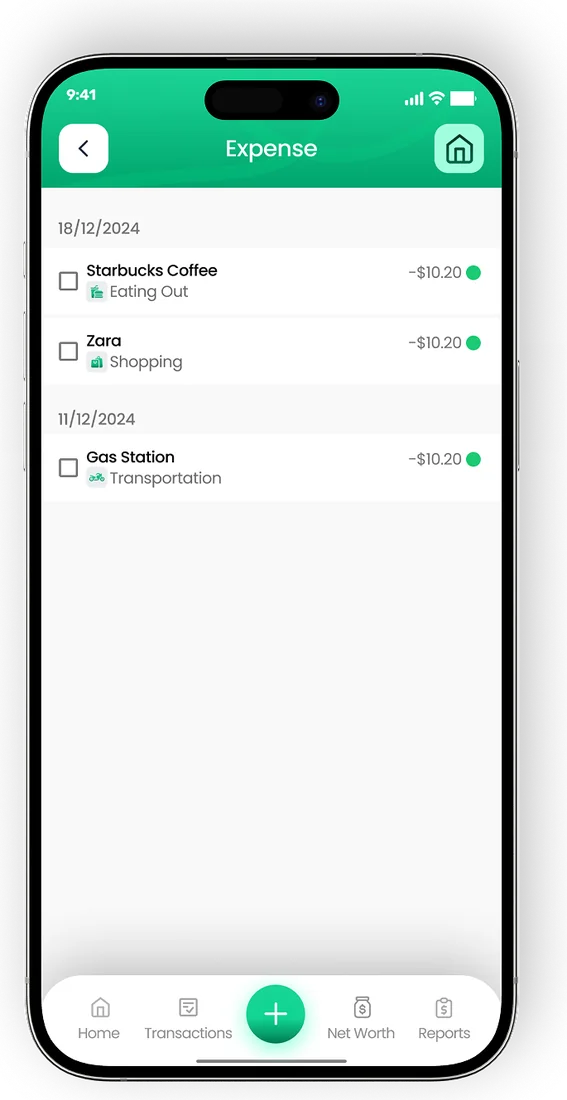
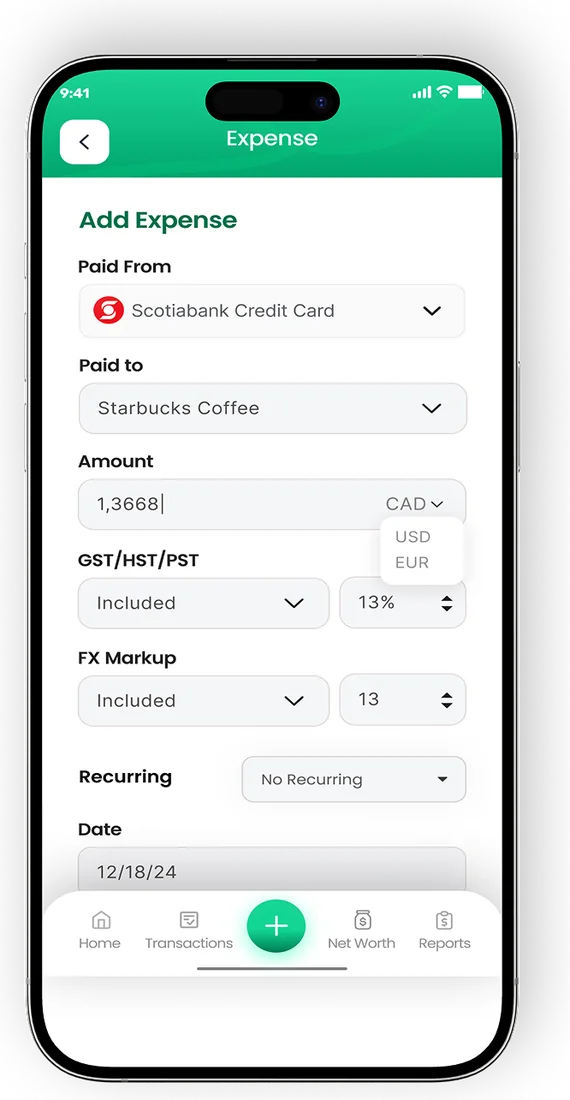
Log a purchase in two taps
- Smart categories sort every transaction
- Tag who spent what in a shared household
- Export PDF or Excel reports any month


How to work out your own subscription spending
The most accurate way to work out your subscription spending is a three-month statement audit. Three months catches charges billed every month and most quarterly ones. Add the yearly renewals you know about, divided by 12, to get a true monthly figure.
- Download the last three months of statements for every credit card, bank account and PayPal account.
- Check your Apple or Google account subscription list for app store charges.
- Highlight every recurring charge, including small ones under $5.
- Search your email for words such as "renewal", "receipt" and "your plan" to find annual subscriptions.
- Enter each one with its price and billing cycle into the subscription cost calculator to see the monthly, yearly and five-year cost.
- Mark each one keep, downgrade or cancel.
Subscription spending statistics versus your budget
Subscription spending statistics are interesting, but a national average does not tell you whether your own spending is too high. A better test is how subscriptions compare with your income and your goals. If they sit inside your wants budget and you use every one, the total may be fine.
One approach is to treat subscriptions as a single budget line inside the wants share of a 50/30/20 budget. Set a monthly cap, and when you want a new service, drop an old one. For how subscriptions fit next to rent, food and transport, see our summary of Canadian spending statistics.
How to keep subscriptions under control
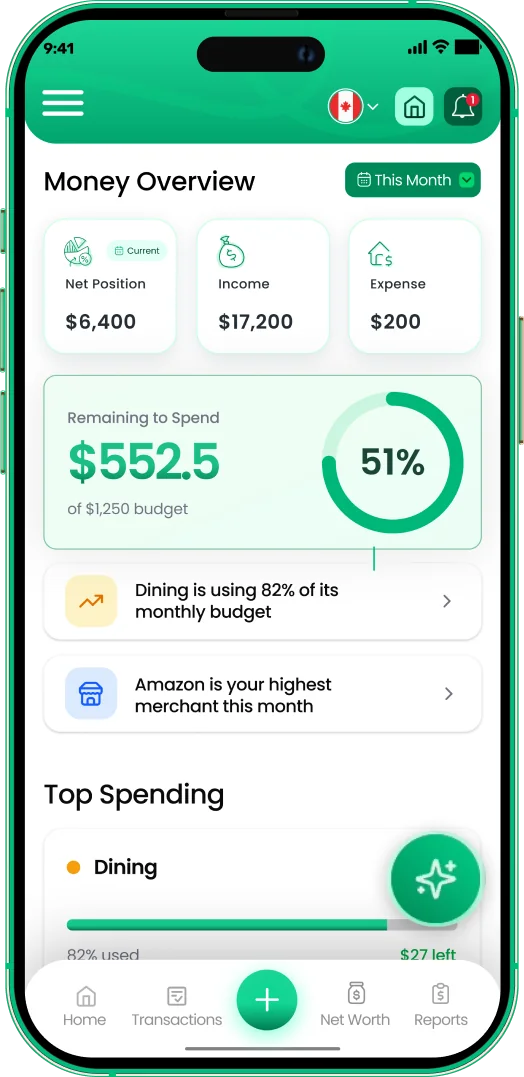
Keeping subscriptions under control is mostly about visibility. EMOH Pay's bill and subscription tracker lists recurring charges in one place, and budgets with overspend alerts tell you when the subscriptions line goes over its cap. On EMOH Pro, automatic bank sync for Canadian banks brings new charges in without manual entry. The full feature list is on the features page.
Before cancelling, check whether a cheaper tier exists, whether a family plan could replace several individual ones and whether you can pause instead. Rotating services, keeping one streaming service at a time and switching every few months, is another simple way to cut the total without losing much.
Track every dollar
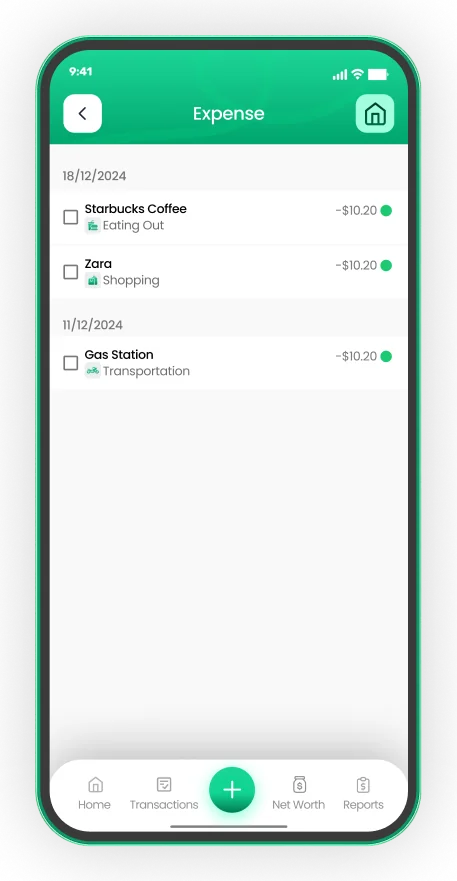

Put the numbers on autopilot
EMOH Pay tracks your spending, budgets and net worth on your phone and in the browser, always in sync. Free to start, made in Canada.
Get started free➜Average Subscription Spending (2026): frequently asked questions
What is the average amount spent on subscriptions per month?
No official agency publishes one. Based on typical prices, a household with six to ten common subscriptions often pays roughly $60 to $200 a month, but your own statements are the only reliable figure.
Do subscriptions in Canada include sales tax?
Yes. Canadian and most foreign digital services charge GST/HST, and some provinces add provincial sales tax. The amount billed is usually higher than the advertised price.
How many subscriptions does the average person have?
There is no reliable official count. Most people who audit their statements find more than they expected, often including one or two they had forgotten.
Are subscriptions a need or a want?
Most are wants. A phone plan or internet service is closer to a need, while streaming, music and apps usually belong in the wants part of your budget.
How do I find subscriptions I forgot about?
Check three months of card and bank statements, your app store subscription list and your email for renewal receipts. Small charges under $5 are the easiest to miss.
Related guides and tools
Free subscription cost calculator: see what your streaming, app and membership subscriptions cost per month, per year and…
Bill & Subscription TrackerEMOH Pay tracks recurring bills and subscriptions — rent, phone, Netflix, gym — with reminders before they hit and totals…
Canadian Spending Statistics 2026Canadian spending statistics from Statistics Canada and the Bank of Canada: how households split their budgets, what grew…
Monthly Expenses Checklist: The Full List of Monthly ExpensesA complete list of monthly expenses to build your budget: housing, bills, food, transport, debt, savings and the irregular…
The 50/30/20 Rule ExplainedThe 50/30/20 rule splits take-home pay into 50% needs, 30% wants and 20% savings. See what counts in each bucket, worked…
EMOH Pay Features — Budgets, Tracking, AI & MoreAll EMOH Pay features: expense tracking, budgets, net worth, Ask AI, family sharing, GST/HST, multi-currency and more. Free…
Start free today
Free on iPhone, Android and the web. Upgrade to EMOH Pro anytime for bank sync and advanced AI.
Download for iOS➜ Get it on Android➜