
Average Internet Bill in Canada
Canadian households spend about $87 a month on internet access. Here is how that varies by household and province, what affects the price and how to cut your bill without losing the speed you need.
Get started free➜ Download the app➜
How much is internet per month in Canada?
Internet costs the average Canadian household about $87 a month, based on Statistics Canada's 2023 Survey of Household Spending ($1,040 a year). A person living alone pays about $70 a month and a couple with children about $98. The CRTC reports internet prices fell about 6% from 2021 to 2025 while overall prices rose 19%.
What is the average internet bill in Canada?
The average internet bill in Canada is about $87 a month per household, according to Statistics Canada's 2023 Survey of Household Spending. That is $1,040 a year divided by 12. It covers internet access only, not TV, home phone or equipment you buy outright.
Internet is now one of the steadier household bills. Unlike heating or electricity, it does not change with the seasons, which makes it easy to budget for once you know your plan price and when any promotion ends.
Home internet sits alongside your other utilities. Our guide to the average utility bill in Canada covers heat, electricity and water, and the average phone bill in Canada covers cell service.
How much is internet per month in Canada by household?
Internet costs about $70 a month for a person living alone and about $98 for a couple with children, so the gap between household types is smaller than for most bills. One connection serves the whole home; bigger households mainly pay more for faster speeds and more data.
| Household type | Per year | Per month |
|---|---|---|
| One person | $845 | $70 |
| Couple without children | $1,081 | $90 |
| Lone parent | $1,117 | $93 |
| Couple with children | $1,172 | $98 |
| All households | $1,040 | $87 |
Sharing a connection is one of the easiest ways to save. Three roommates splitting a $90 plan pay $90 ÷ 3 = $30 each, compared with $70 to $90 for someone living alone. Our guide to splitting bills with roommates shows fair ways to divide shared costs.
Figures checked October 2026; confirm current numbers with Statistics Canada and the CRTC.
Internet cost in Canada by province
Prince Edward Island households spend the most on internet, about $102 a month, followed by Alberta and British Columbia at about $94 to $95. Saskatchewan and Quebec households spend the least, about $74 and $79. Most provinces sit between $84 and $92 a month.
| Province | Per year | Per month |
|---|---|---|
| Prince Edward Island | $1,218 | $102 |
| Alberta | $1,136 | $95 |
| British Columbia | $1,126 | $94 |
| Nova Scotia | $1,099 | $92 |
| New Brunswick | $1,071 | $89 |
| Manitoba | $1,048 | $87 |
| Ontario | $1,046 | $87 |
| Newfoundland and Labrador | $1,013 | $84 |
| Quebec | $942 | $79 |
| Saskatchewan | $890 | $74 |
| Canada (10 provinces) | $1,040 | $87 |
Province-wide averages hide big local differences. Competition in large cities is usually stronger than in small towns and rural areas, where fewer providers and technologies are available.
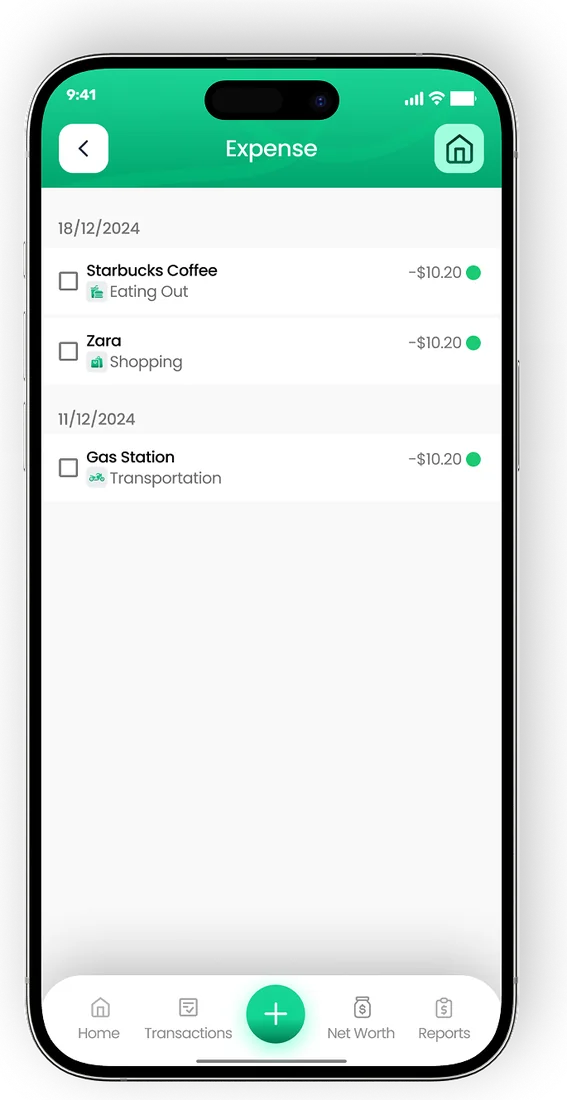
Log a purchase in two taps
- Smart categories sort every transaction
- Tag who spent what in a shared household
- Export PDF or Excel reports any month


Rural vs urban internet in Canada
Most Canadian households can now get high-speed internet, but rural and remote areas still lag behind cities. Federal figures for 2024 show 97.4% of households could get at least 50 Mbps download and 10 Mbps upload speeds, but only 87.4% of rural households, compared with 99.8% in urban areas. The federal target is 98% of Canadians by 2026 and 100% by 2030.
The remaining gaps are mostly in rural, remote and northern communities, where homes may rely on fixed wireless, satellite or older technology. These connections can cost more for less speed, and some plans still cap data. If you are moving outside a city, check which providers serve the exact address before you sign a lease or buy.
What affects your internet cost?
Your internet bill depends mostly on speed, the provider and technology at your address, whether you bundle, and whether you are on a promotional price. The CRTC's 2026 market report says internet prices rose only slightly in 2025 and that the internet price index fell about 6% between January 2021 and September 2025.
- Speed tier. Faster plans cost more. Many households need less speed than they pay for; a home with a few people streaming and video calling at once rarely needs the top tier.
- Technology. Fibre, cable, DSL, fixed wireless and satellite differ in speed and price, and availability depends on your address.
- Promotions. New-customer prices often rise after 12 or 24 months. Note the end date when you sign up.
- Equipment. Some providers charge for modem or Wi-Fi equipment rental; check whether it is included.
- Bundling. TV, home phone or mobile bundles can lower the total, but only if you would buy those services anyway.
How to find the cheapest internet in Canada
The cheapest internet in Canada usually comes from choosing only the speed you need, comparing every provider at your address, including smaller independent ones, and renegotiating when a promotion ends. Check your actual usage in your account before you decide what speed and data to buy.
- List every provider that serves your address, including independent internet providers that resell or build networks.
- Compare the regular price, not just the promotional one, and add any equipment fees.
- Work out the full-year cost of a bundle before you accept it.
- Set a reminder a month before your promotion ends and ask your provider for a better rate.
- Ask about low-cost internet programs if your household has a low income.
Worked example: internet at $85 plus TV at $40 costs $125 a month, or $1,500 a year. A bundle at $110 for the first year, rising to $130, costs $1,320 in year one ($110 × 12) but $1,560 in year two ($130 × 12). Over two years the bundle costs $2,880 against $3,000, a saving of only $120. These prices are illustrative.
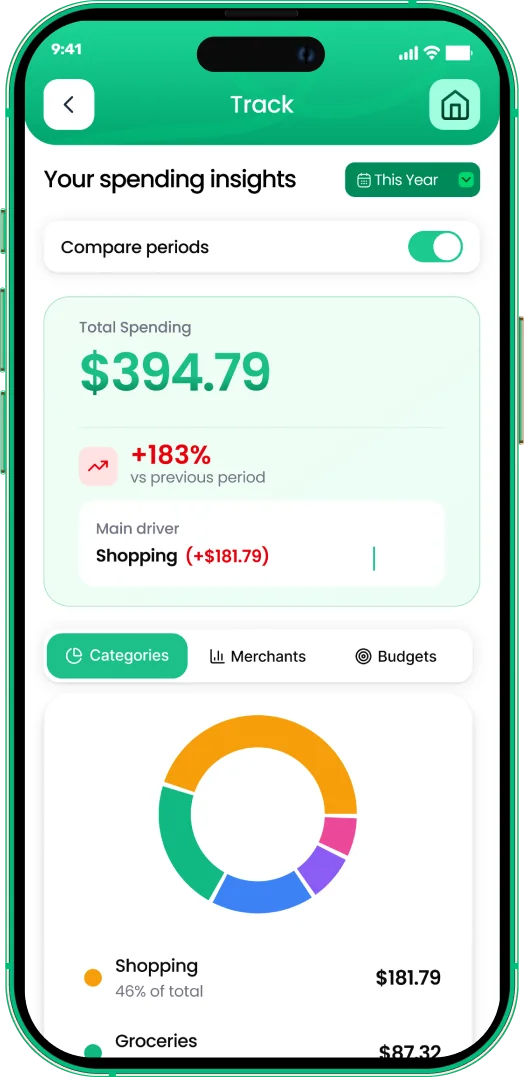
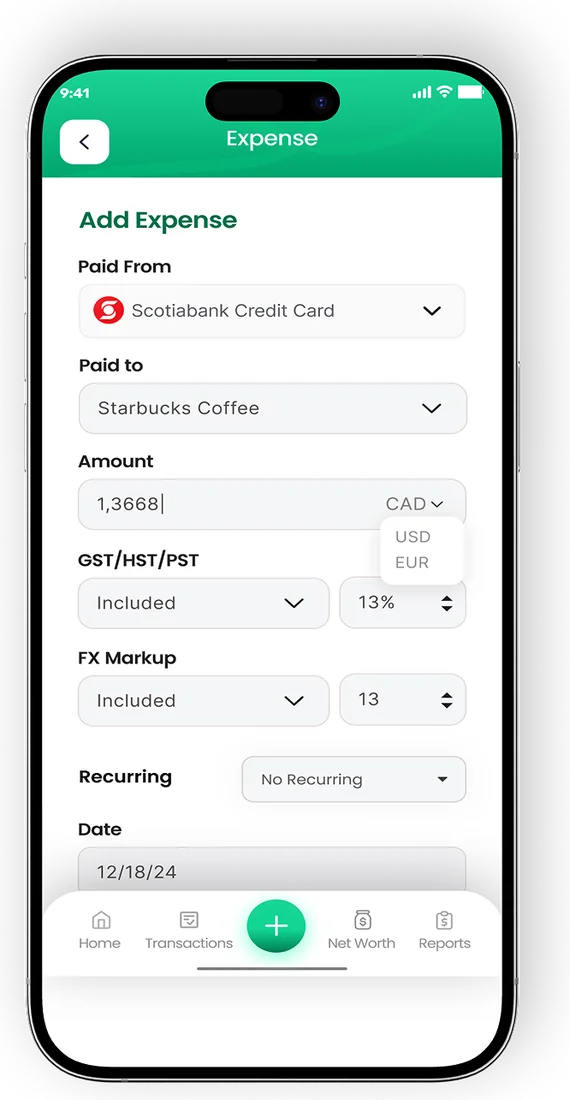
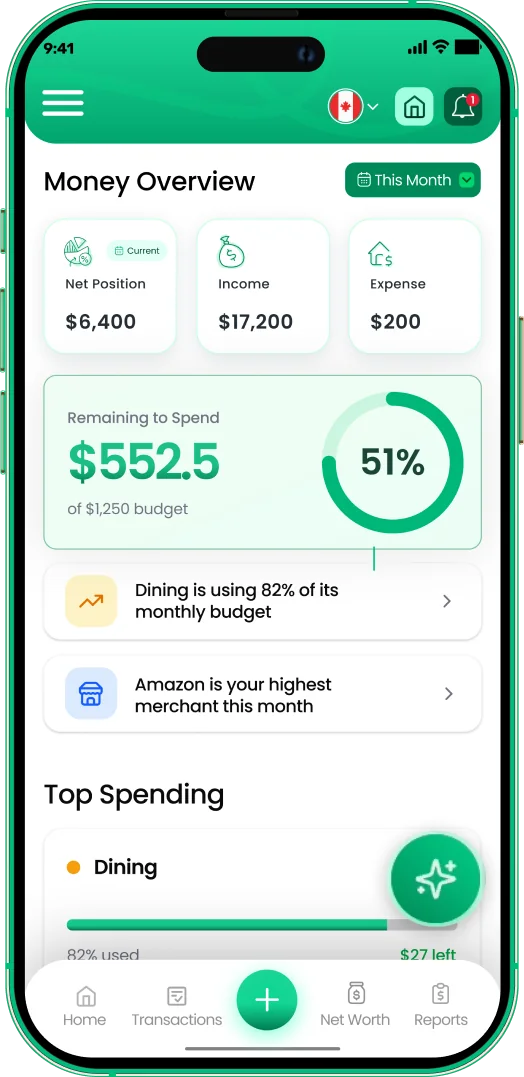
EMOH Pay's bill tracking can remind you before a promotional price ends, and its budgets show your internet, phone and streaming costs together. It is free on iPhone, Android and the web. See average monthly expenses in Canada for where internet fits in a typical budget, and the bill tracker app page for managing recurring bills.
Track every dollar
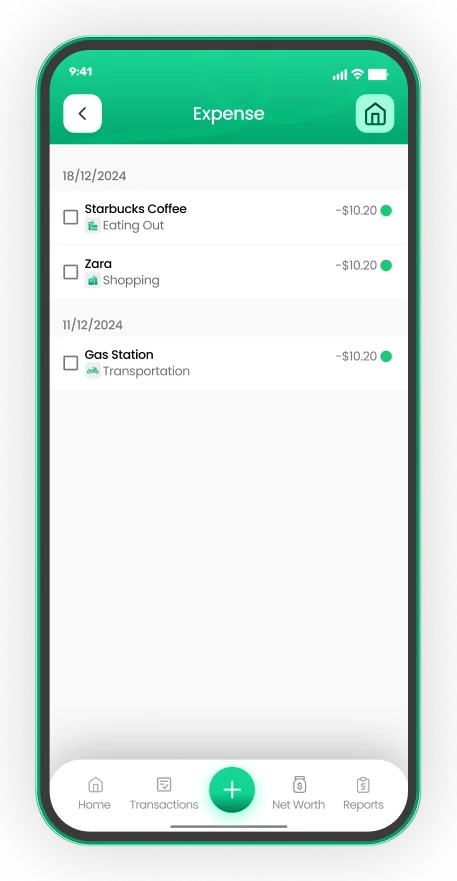

Put the numbers on autopilot
EMOH Pay tracks your spending, budgets and net worth on your phone and in the browser, always in sync. Free to start, made in Canada.
Get started free➜Average Internet Bill in Canada: frequently asked questions
How much is internet per month in Canada?
About $87 a month per household on average, based on Statistics Canada's 2023 data. A person living alone averaged about $70 a month and a couple with children about $98.
Which province has the most expensive internet?
Prince Edward Island households spent the most on internet in 2023, about $102 a month. Saskatchewan households spent the least, about $74 a month.
Is internet getting cheaper in Canada?
Slightly. The CRTC reports the internet price index fell about 6% between January 2021 and September 2025, while overall consumer prices rose 19%. Many households now pay for faster speeds, so bills have not always fallen.
Is internet a utility in Canada?
Many people budget for it as one, and the CRTC treats broadband as a basic telecommunications service. Landlords may include it in rent, but most tenants pay their own provider directly.
Is bundling internet and TV cheaper?
Sometimes. Bundles can save money if you would buy both services anyway, but promotional prices often rise after the first year. Compare the full cost over two years before you sign.
Sources and further reading
- Statistics Canada: Household spending, Canada, regions and provinces (table 11-10-0222-01)
- Statistics Canada: Household spending by household type (table 11-10-0224-01)
- CRTC: Canadian Telecommunications Market Report 2026
- Innovation, Science and Economic Development Canada: progress toward universal high-speed internet
Related guides and tools
Average phone bill in Canada from Statistics Canada and CRTC data: what households pay for cell service each month, by…
Average Utility Bill in CanadaAverage utility bill in Canada: typical monthly costs for electricity, heat, water and internet, why bills differ by…
Average Monthly Expenses in CanadaAverage monthly expenses in Canada from Statistics Canada data: what singles, couples and families spend each month, by…
How to Split Bills With RoommatesHow to split bills with roommates fairly: four methods for rent and utilities, worked examples, what to put in writing and…
Bill and Subscription Tracker App: Never Miss a BillEMOH Pay tracks recurring bills and subscriptions like rent, phone, Netflix and the gym, reminds you before they are due and…
Average Subscription Spending (2026)How much do people spend on subscriptions? What the numbers can and cannot tell you, typical costs by type and a 15-minute…
Start free today
Free on iPhone, Android and the web. Upgrade to EMOH Pro anytime for advanced AI and unlimited family sharing.
Download for iOS➜ Get it on Android➜