
52-Week Money Challenge (Free Tracker)
Save $1 in week one, $2 in week two and so on up to $52. By the end of the year you have $1,378. Use the tracker to double or triple it and see your full weekly schedule.
Use the calculator➜ Try EMOH Pay free➜
How does the 52-week money challenge work?
The 52-week money challenge works by saving an amount equal to the week number every week for a year: $1 in week one, $2 in week two, rising to $52 in week 52. The deposits add up to $1,378. You can multiply every amount, reverse the order or save a flat $26.50 weekly for the same total.
How to use the 52-week money challenge tracker
The 52 week money challenge tracker above has one input: a multiplier. Leave it at 1 for the classic version, where you save $1 in week one and $52 in week 52. Enter 2 to double every deposit, 5 for five times, or a decimal such as 1.5 if you want something in between.
The tracker then shows three results: your total after 52 weeks, your average deposit per week and your biggest single deposit. Below them is a week-by-week table with each deposit and your running total, so you always know what to set aside next and how far you have come.
| Multiplier | Week 1 deposit | Week 52 deposit | Average per week | Total after 52 weeks |
|---|---|---|---|---|
| 1 (classic) | $1 | $52 | $26.50 | $1,378 |
| 2 | $2 | $104 | $53 | $2,756 |
| 5 | $5 | $260 | $132.50 | $6,890 |
| 10 | $10 | $520 | $265 | $13,780 |
How the 52-week savings challenge builds up
Because each deposit grows by $1, the challenge starts gently and gets harder towards the end. The first quarter of the year saves only $91. The last quarter saves $598, and the final four weeks alone ask for $202, right when holiday spending peaks.
That back-loaded shape is the main reason people drop out in the autumn. The variations below fix it, and the tracker's table helps you see the harder weeks coming.
52-week challenge variations
The classic schedule is only one way to do it. These versions all reach the same total but spread the effort differently.
| Variation | How it works | Best for |
|---|---|---|
| Reverse | Start at $52 in week one and finish at $1 | Avoiding big deposits in December |
| Flat weekly | Save $26.50 every week | Steady budgets and automatic transfers |
| Bi-weekly | Combine two weeks per paycheque: $3, then $7, up to $103 | People paid every two weeks |
| Pick a week | Tick off any unused amount from 1 to 52 each week | Irregular income |
| Multiplied | Use the tracker to scale every amount | Bigger goals |
If a weekly habit does not suit you, other options live on our savings challenges hub, including the 100 envelope challenge and the 365 day savings challenge.

Tips that help you save
- A daily brief with practical ways to save
- Spot recurring subscriptions worth cutting
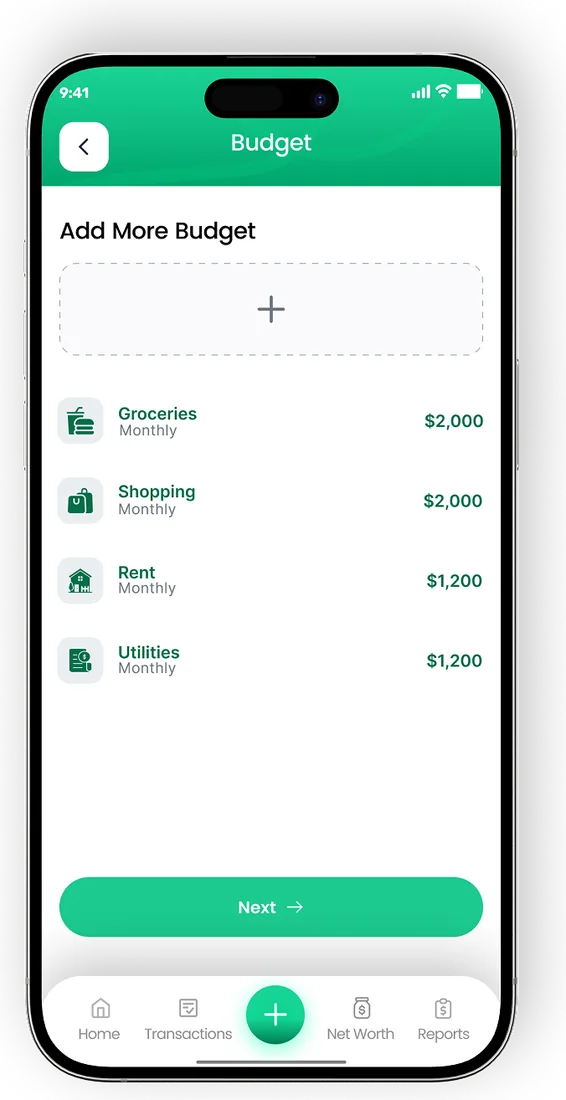
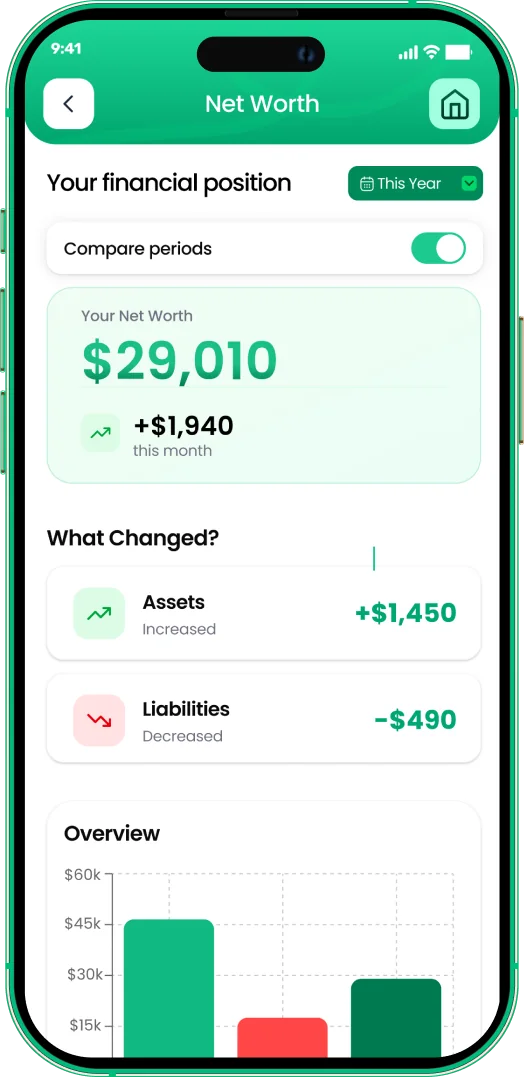
- Watch your savings show up in your net worth


Is there a 52 week savings challenge printable?
Yes. The week-by-week table in the tracker works as a 52 week savings challenge printable. Set your multiplier, then print the page and tick off each week as you go. Some people prefer to track progress digitally so it cannot get lost and syncs across devices.
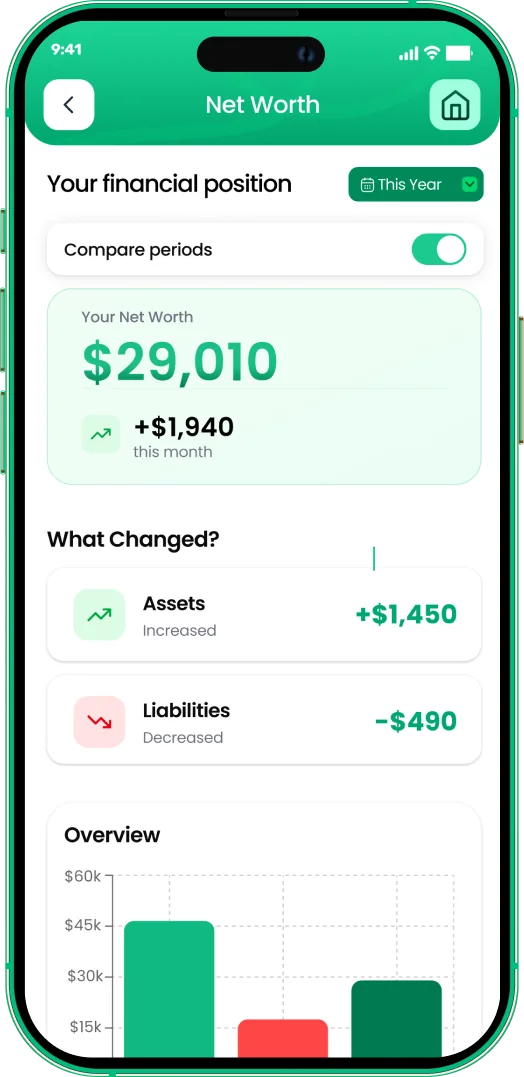
To track it in EMOH Pay, create a savings goal for your challenge total, log each weekly deposit and watch the progress bar fill. The app works on iPhone, Android and the web, so you can check in from any device. See all EMOH Pay features for what else is included.
How to start the 52-week money challenge
Many people start in January as part of a new year money checklist, but any week works. Your week one is simply the week you begin.
- Choose your version and multiplier using the tracker.
- Open a separate high-interest savings account or use a TFSA so the money is out of sight and earns interest.
- Pick a deposit day, ideally payday, and set a weekly reminder or automatic transfer.
- Make your first deposit today rather than waiting for January.
- Tick off each week on your printout or savings goal.
- Decide in advance what the money is for, such as an emergency fund, a trip or holiday gifts.
Where to keep your 52-week challenge savings
Keep the money somewhere separate from your chequing account, so it is not spent by accident. A high-interest savings account is simple and flexible. A TFSA shelters any interest from tax, and the classic total is well within the 2026 TFSA limit of $7,000; check your own room on the TFSA limit 2026 page.
If you are building an emergency fund for the first time, the classic $1,378 makes a solid starter cushion. The savings goal calculator can show how long a larger goal would take at your pace.
Save more with EMOH Pay
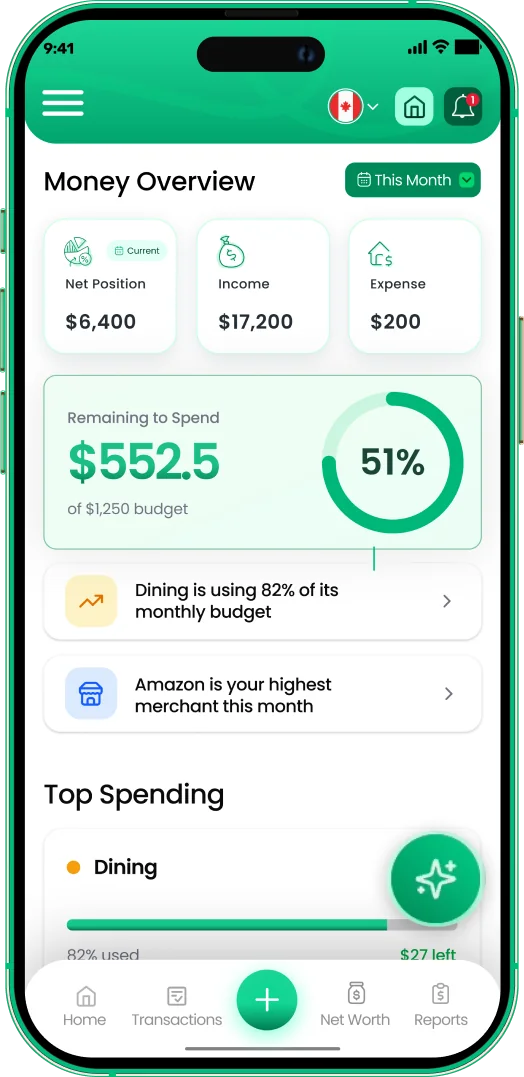

Put the numbers on autopilot
EMOH Pay tracks your spending, budgets and net worth on your phone and in the browser, always in sync. Free to start, made in Canada.
Get started free➜52-Week Money Challenge (Free Tracker): frequently asked questions
How much do you save with the 52-week money challenge?
The classic version saves $1,378: the sum of $1 through $52. Doubling every deposit saves $2,756, and ten times saves $13,780.
Can I start the 52-week challenge in the middle of the year?
Yes. Week one is whenever you start. You do not need to wait for January, and starting now builds the habit sooner.
What if I miss a week?
Catch up when you can, or switch to the pick-a-week version and choose smaller amounts on tight weeks. Missing one week is not a reason to quit.
Is the reverse 52-week challenge better?
For many people it is, because the biggest deposits come early when motivation is high, and December deposits drop to a few dollars when holiday costs peak.
Should I do the challenge in cash or a bank account?
A bank account is safer and can earn interest. Cash in a jar can feel more tangible, but it is easier to dip into and earns nothing.
Sources and further reading
Related guides and tools
Ten savings challenge ideas compared by total saved, length and difficulty, from the 52-week and 100 envelope challenges to…
100 Envelope ChallengeThe 100 envelope challenge saves $5,050 in 100 days. Use the free tracker and chart, pick a smaller or faster version, and…
365-Day Savings ChallengeThe 365 day savings challenge saves $667.95 by adding one cent a day for a year. Use the free tracker, compare versions and…
Savings Goal Calculator — Free CalculatorHow much to save per month? Enter your target amount and months until deadline — get your required monthly contribution…
No-Buy Challenge: How to Do ItA no-buy challenge means buying only essentials for a set time. Learn how to set rules, build a need list, try a low buy…
EMOH Pay Features — Budgets, Tracking, AI & MoreAll EMOH Pay features: expense tracking, budgets, net worth, Ask AI, family sharing, GST/HST, multi-currency and more. Free…
Start free today
Free on iPhone, Android and the web. Upgrade to EMOH Pro anytime for bank sync and advanced AI.
Download for iOS➜ Get it on Android➜