
100 Envelope Challenge
Number 100 envelopes from $1 to $100, fill one at random each day, and finish with $5,050. Use the tracker below to scale the challenge to your budget.
Use the calculator➜ Try EMOH Pay free➜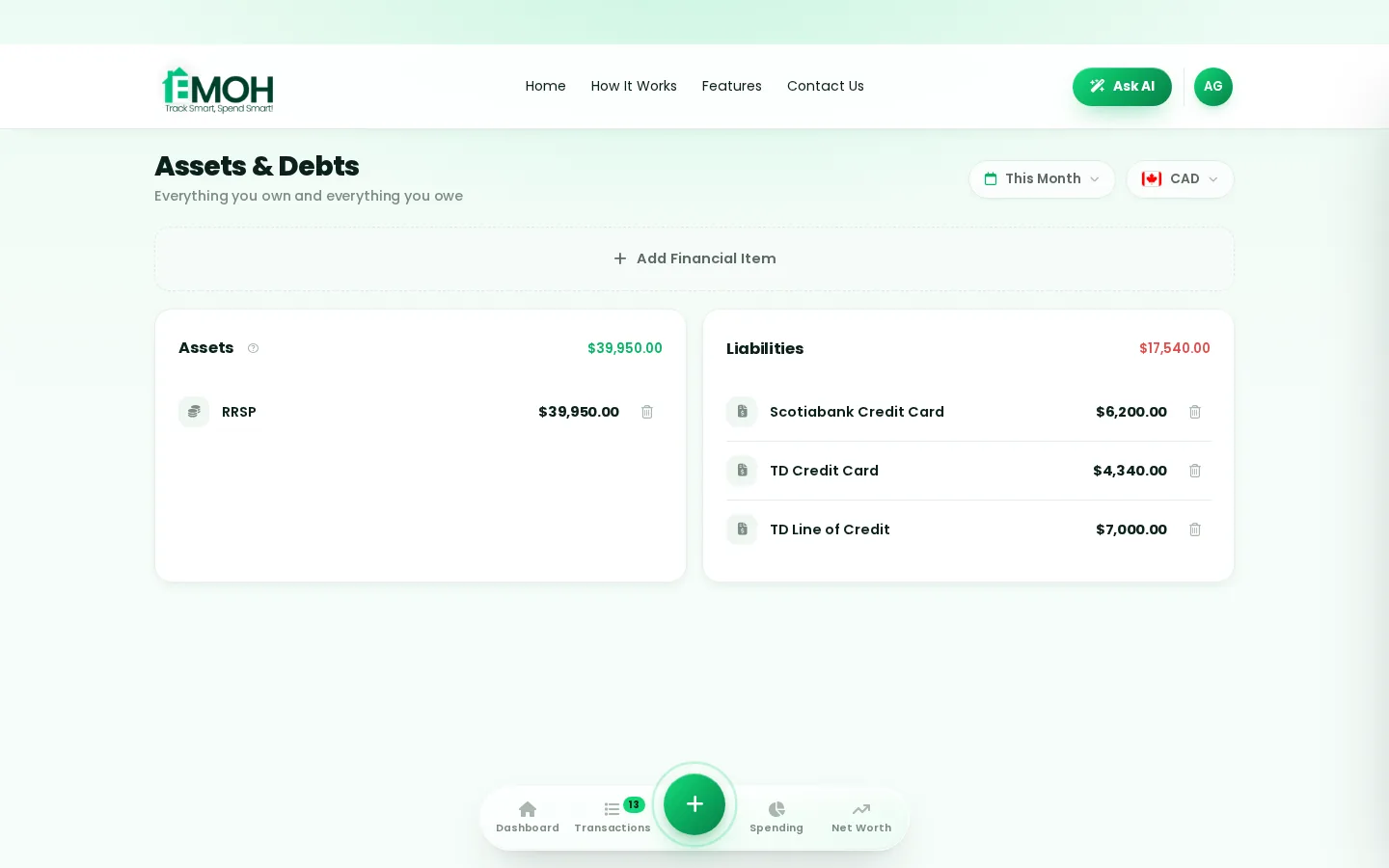
How much do you save with the 100 envelope challenge?
You save $5,050 with the classic 100 envelope challenge. The envelopes are numbered $1 to $100, and the sum of every whole number from 1 to 100 is 5,050. Done at one envelope a day, that averages $50.50 a day for 100 days. A half-size version saves $2,525, and doubling every amount saves $10,100.
How the 100 envelope challenge works
The 100 envelope challenge is a savings game with a fixed finish line. You label 100 envelopes from $1 to $100, shuffle them, and draw one each day. Whatever number you draw is the amount you put inside. When every envelope is full, you have $5,050.
The random draw is what makes it stick. Some days you pull $3 and it feels easy. Other days you pull $92 and have to find the money. Because the total is set in advance, you always know exactly how much is left to go.
The tracker above does the arithmetic for you. Enter a multiplier of 1 for the classic version, 0.5 for a half-size version or 2 for a double version, and it shows the total, the average envelope and a running total for every number.
- Get 100 envelopes, or a box of index cards if you plan to save digitally.
- Write the numbers 1 to 100 on them, one number each.
- Shuffle them and keep them in a box or binder.
- Draw one a day, or on a schedule that fits your pay.
- Put that dollar amount in the envelope, or move it to a savings account and mark the envelope done.
- Deposit the cash regularly so it is not sitting at home.
100 envelope savings challenge chart
The total grows faster than it feels, because the average envelope is $50.50. Here is where your running total lands if you happened to fill the envelopes in number order. With a random draw your path will be bumpier, but the finish is always $5,050.
| Envelopes filled | Last envelope | Running total |
|---|---|---|
| 10 | $10 | $55 |
| 25 | $25 | $325 |
| 50 | $50 | $1,275 |
| 75 | $75 | $2,850 |
| 90 | $90 | $4,095 |
| 100 | $100 | $5,050 |
Many people print a 10 by 10 grid of the numbers 1 to 100 and cross off each square as they go. It works just as well as a box of envelopes and takes up far less room.
Is $5,050 in 100 days realistic?
For most budgets, the 100 day version is ambitious. It works out to about $1,500 a month, which is more than many households can free up. The good news is that the challenge works at any pace, and the total does not change when you slow it down.
Pick the version that fits your cash flow rather than the one that trends online. Finishing a smaller challenge builds more confidence than abandoning a big one halfway.
| Version | Pace | Total | About per month |
|---|---|---|---|
| Classic, daily | 1 envelope a day for 100 days | $5,050 | $1,535 |
| Classic, twice a week | 2 envelopes a week for 50 weeks | $5,050 | $440 |
| Classic, weekly | 1 envelope a week for about 2 years | $5,050 | $220 |
| Half-size, daily | $0.50 to $50 for 100 days | $2,525 | $770 |
| Double, twice a week | $2 to $200 for 50 weeks | $10,100 | $880 |
If you get paid every two weeks, try drawing four envelopes on payday. That finishes in 25 pay periods, or just under a year, at about $200 a paycheque on average.
Tips that help you save
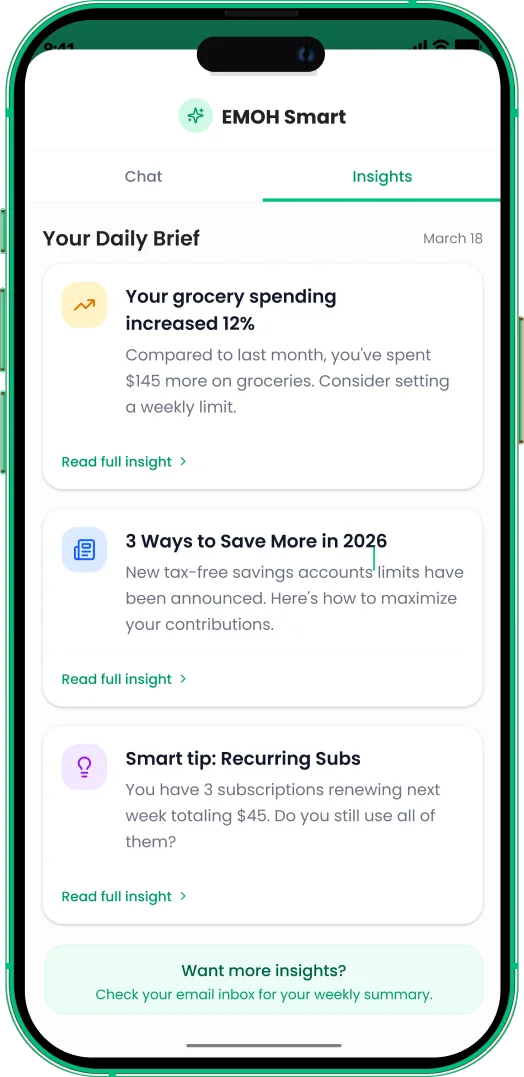
- A daily brief with practical ways to save
- Spot recurring subscriptions worth cutting
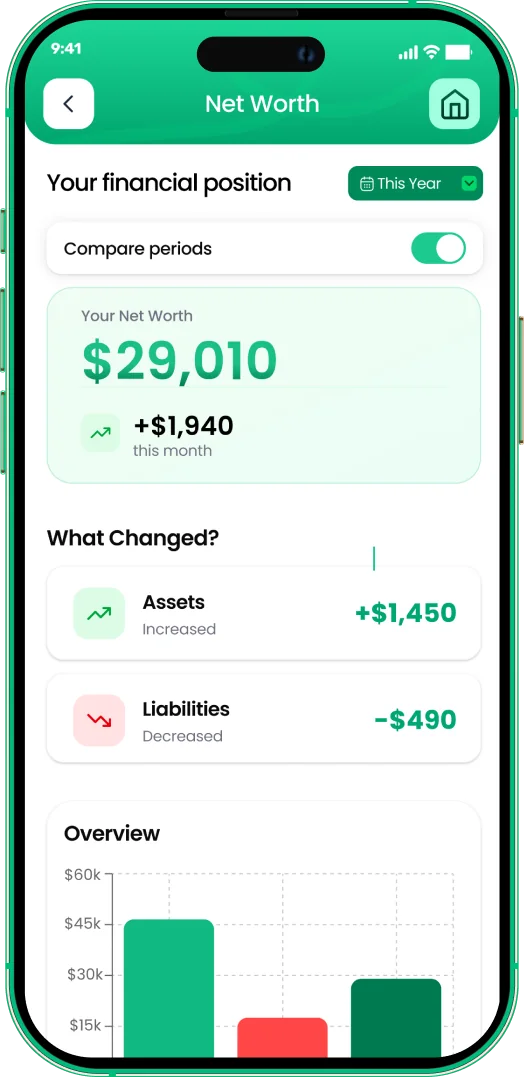
- Watch your savings show up in your net worth


Cash envelopes or a savings account?
Cash is what made the challenge popular, but it is not the safest place for $5,000. Cash at home can be lost, stolen or spent on impulse, and it earns nothing. A simple fix is to keep the envelopes as a tracker and move the money electronically.
Transfer each envelope's amount to a separate high-interest savings account or a TFSA on the day you draw it. You keep the ritual of the draw while the money is protected and, in a registered account, grows tax-free. Check the 2026 TFSA limit if you plan to use one.
- Cash suits you if physically handling money helps you feel the progress and you deposit it every week or two.
- Digital suits you if you rarely carry cash, want interest on the balance, or share the goal with a partner.
- A hybrid works too: pull the envelope, write the amount on it, then move that sum in your banking app.
How to keep going when you draw a big number
The hardest part of the 100 envelope challenge is a run of large draws in a tight week. Plan for that before it happens rather than skipping envelopes.
- Allow swaps. If you draw $85 the week rent is due, put it back and draw again. Every number still gets filled eventually.
- Pair big and small. Some people pull two envelopes at a time and always pair one over 50 with one under 50.
- Front-load the big ones in months with a bonus, tax refund or extra shift.
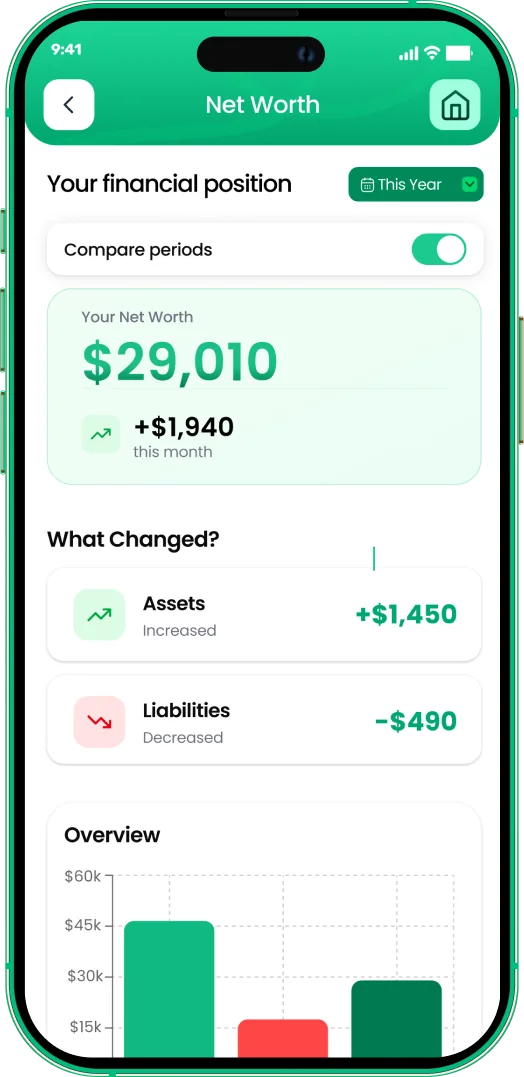
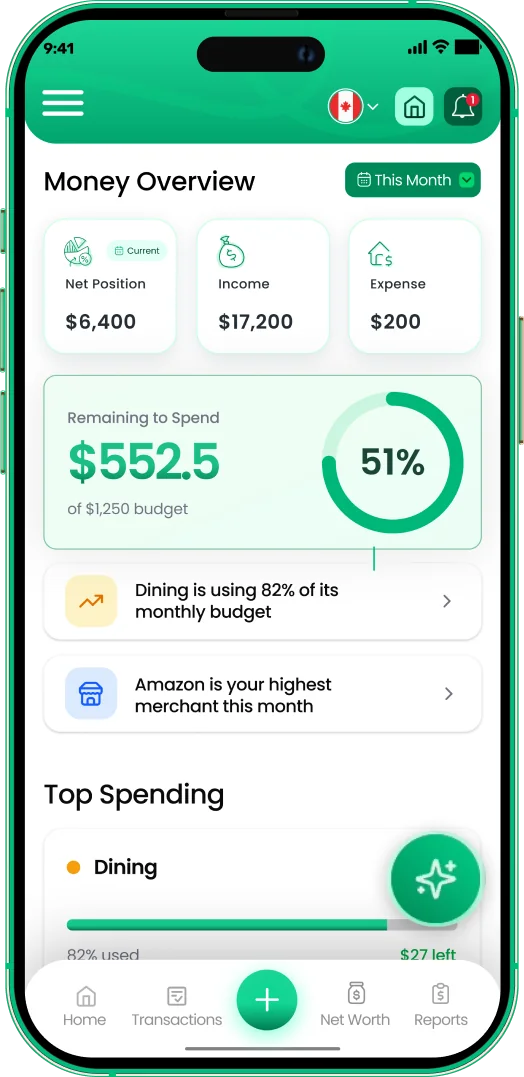
- Track it where you track spending. A savings goal in EMOH Pay set to $5,050 shows the progress bar filling as you log each envelope, next to your budgets and bills.
- Know what it is for. Money with a job, such as an emergency fund or a trip, is easier to keep putting away. The emergency fund calculator can help you set the target.
How it compares with other savings challenges
The 100 envelope challenge saves more than most popular challenges, which is why it needs a longer timeline for many people. The 52-week money challenge saves $1,378 by adding a dollar each week, and the 30-day challenge saves $465. See all of them side by side in our guide to savings challenge ideas.
It is also a cousin of envelope budgeting, where every spending category gets its own envelope. The challenge uses envelopes for saving rather than spending, but the idea is the same: give each dollar a place before it can drift away. EMOH Pay's features cover both, with budgets and goals in one app on iPhone, Android and the web.
Save more with EMOH Pay

Put the numbers on autopilot
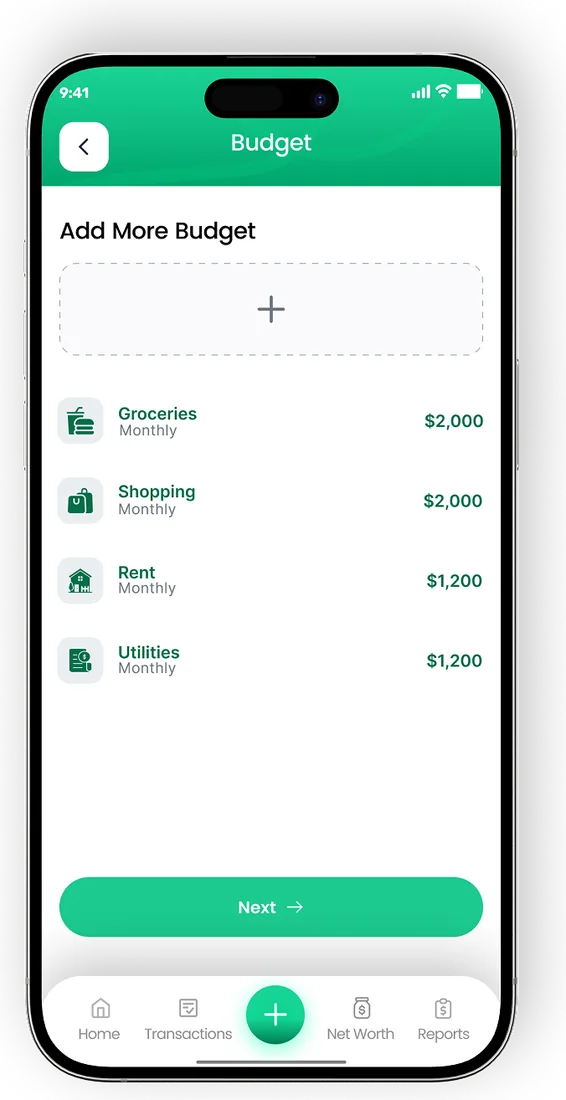
EMOH Pay tracks your spending, budgets and net worth on your phone and in the browser, always in sync. Free to start, made in Canada.
Get started free➜100 Envelope Challenge: frequently asked questions
How long does the 100 envelope challenge take?
The classic version takes 100 days at one envelope a day. You can stretch it to 50 weeks by filling two envelopes a week, or to about two years at one a week. The total is $5,050 whichever pace you choose.
How much is the 100 envelope challenge per week?
It depends on pace. At one envelope a day it averages about $354 a week. At two envelopes a week it averages $101 a week, and at one envelope a week it averages $50.50.
Can I do a smaller version?
Yes. Halve every number for a total of $2,525, or use 50 envelopes numbered 1 to 50 for a total of $1,275. Enter 0.5 as the multiplier in the tracker to see the half-size chart.
Do I have to use cash?
No. Many people keep numbered cards or a printed grid and transfer each amount to a savings account instead. That keeps the money safer and lets it earn interest.
What should I do with the $5,050?
Give it a job before you start. Common choices are an emergency fund, paying down a high-interest credit card, a trip or a down-payment fund. Money with a clear purpose is easier to keep saving.
Sources and further reading
Related guides and tools
Ten savings challenge ideas compared by total saved, length and difficulty, from the 52-week and 100 envelope challenges to…
52-Week Money Challenge (Free Tracker)The 52 week money challenge saves $1,378 in a year by adding $1 more each week. Use the free tracker to scale it, see every…
365-Day Savings ChallengeThe 365 day savings challenge saves $667.95 by adding one cent a day for a year. Use the free tracker, compare versions and…
Envelope Budgeting MethodEnvelope budgeting gives every spending category a fixed pot of money. See how the cash envelope system works, a worked…
Savings Goal Calculator — Free CalculatorHow much to save per month? Enter your target amount and months until deadline — get your required monthly contribution…
Emergency Fund Calculator — Free CalculatorYour emergency fund target is 3–6 months of essential expenses. Enter monthly essentials below for your range. Free…
Start free today
Free on iPhone, Android and the web. Upgrade to EMOH Pro anytime for bank sync and advanced AI.
Download for iOS➜ Get it on Android➜