
What Is Inflation?
Inflation is the rate at which prices rise over time, which means each dollar buys a little less. Here is how it is measured, why it happens and how to protect your budget.
Get started free➜ Download the app➜
What Is Inflation?
Inflation is the general rise in the prices of goods and services over time, which reduces what each unit of money can buy. In Canada it is measured by Statistics Canada's Consumer Price Index, and the Bank of Canada aims to keep it at 2% a year. At 2% inflation, a $100 purchase costs about $102 a year later.
What is inflation? The definition in plain language
Inflation is the pace at which the overall level of prices rises. When inflation is 3%, a typical basket of goods and services that cost $100 last year costs about $103 now. Your money has not disappeared, but its purchasing power, the amount it can buy, has shrunk.
Inflation describes prices in general, not any single item. Groceries might rise 5% while electronics fall, and the headline rate blends them together according to how much households typically spend on each.
This page covers the definition. To see how much prices have changed between two specific years, use the inflation calculator for Canada.
How is inflation measured in Canada?
Inflation in Canada is measured by the Consumer Price Index, which Statistics Canada publishes every month. The CPI tracks the prices of a fixed basket of goods and services that Canadian households buy, including shelter, food, transportation, clothing, health care and recreation. The yearly percentage change in the CPI is the headline inflation rate.
Statistics Canada updates the basket's weights regularly to reflect how spending habits change. The Bank of Canada also watches core measures that strip out volatile items, such as gasoline, to see the underlying trend.
Inflation jumped after the pandemic as supply chains struggled, energy prices spiked and demand recovered. Monthly inflation peaked at 8.1% in June 2022, the highest in about four decades, before easing back toward the 2% target by 2024.
What causes inflation?
- Demand-pull inflation. When households, businesses and governments want to buy more than the economy can produce, prices rise. Low interest rates and strong job markets can fuel this.
- Cost-push inflation. When the cost of producing goods rises, for example because of higher energy prices, wages or supply shortages, businesses pass some of it on to customers.
- Expectations. If people expect prices to keep rising, workers ask for bigger raises and businesses raise prices in advance, which can make inflation self-reinforcing.
- Currency moves. A weaker Canadian dollar makes imports such as fruit, vegetables and electronics more expensive.
Money news, explained
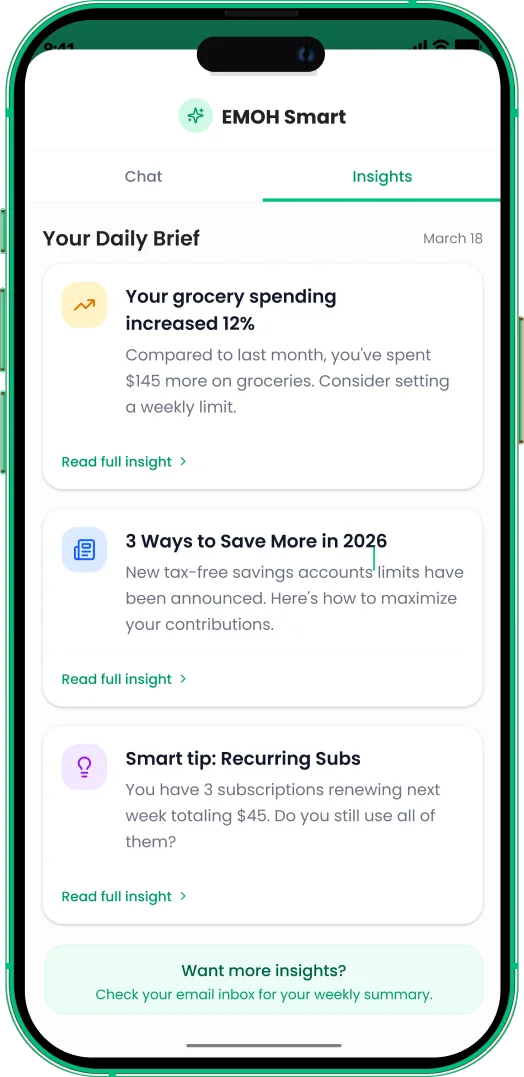
- Plain-language updates when rates change
- What it means for your mortgage and savings
- Insights based on your own spending


Why does the Bank of Canada target 2% inflation?
The Bank of Canada targets 2% inflation because low, stable and predictable inflation helps households and businesses plan. The target is the midpoint of a 1% to 3% range set in an agreement with the federal government that is reviewed every five years.
The main tool is the policy interest rate. When inflation runs too high, the Bank raises the rate, which makes borrowing more expensive and cools spending. When inflation runs too low, it cuts the rate. Changes to the policy rate flow through to variable-rate mortgages, lines of credit and savings account rates.
| Term | Meaning |
|---|---|
| Inflation | Prices rising overall |
| Disinflation | Prices still rising, but more slowly than before |
| Deflation | Prices falling overall |
| Hyperinflation | Extremely rapid inflation, often above 50% a month |
| Real return | Your return after subtracting inflation |
How does inflation affect your money?
Inflation quietly erodes cash. At 2% a year, $1,000 kept under the mattress buys only about $820 worth of today's goods after 10 years. At 3% a year, a $100 grocery shop becomes about $134 over the same period. Like compound interest, inflation compounds, so small annual rates add up.
It also affects debt. Fixed debts become slightly easier to repay in real terms as wages rise with inflation, but central banks usually raise interest rates to fight high inflation, which increases the cost of variable-rate debt.
For a practical look at what this means week to week, read our article on how inflation affects household budgeting, and compare your food costs with the average grocery bill in Canada.
How to protect your budget from inflation
- Review your budget at least twice a year and raise category limits where prices have genuinely risen, rather than letting overspending pile up.
- Keep emergency savings in a high-interest savings account or GIC so the interest offsets at least part of inflation.
- Invest long-term money in a diversified mix, ideally inside a TFSA or RRSP, aiming for returns above inflation over time.
- Ask for raises based on inflation. A raise below the inflation rate is a pay cut in real terms.
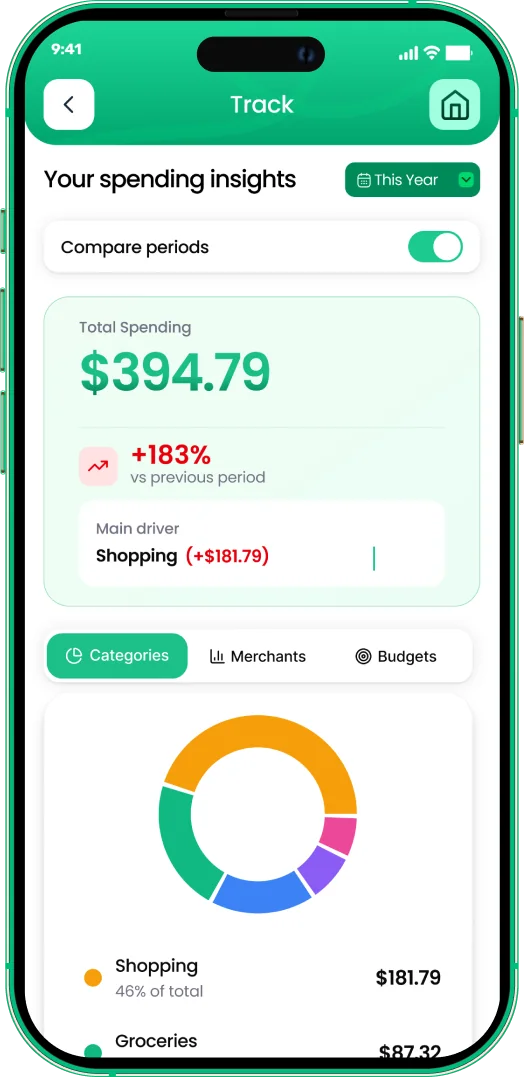
- Track categories that rise fastest for you. EMOH Pay's reports show month-by-month spending by category, so you can see whether groceries or utilities are creeping up before they break your budget.
Stay ahead of rate changes
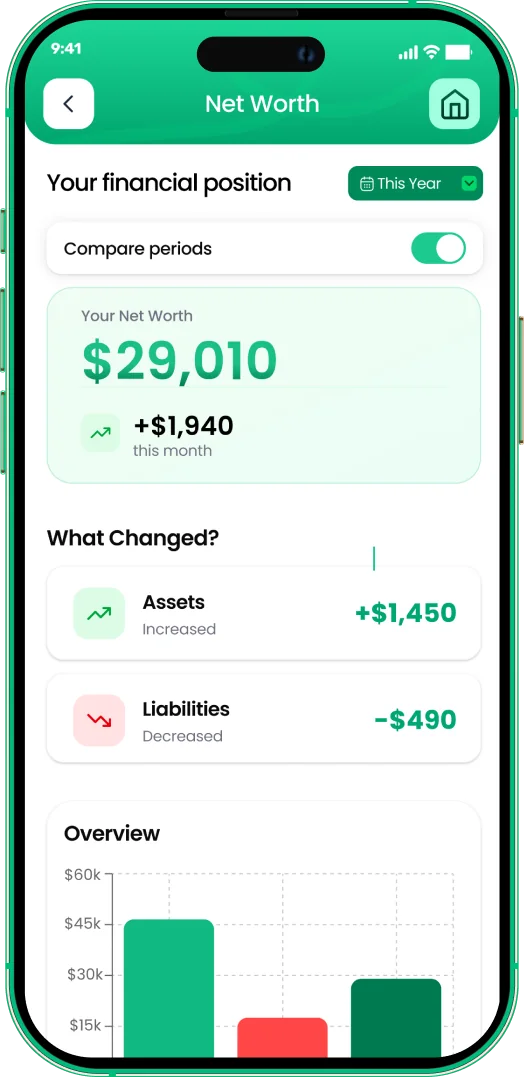
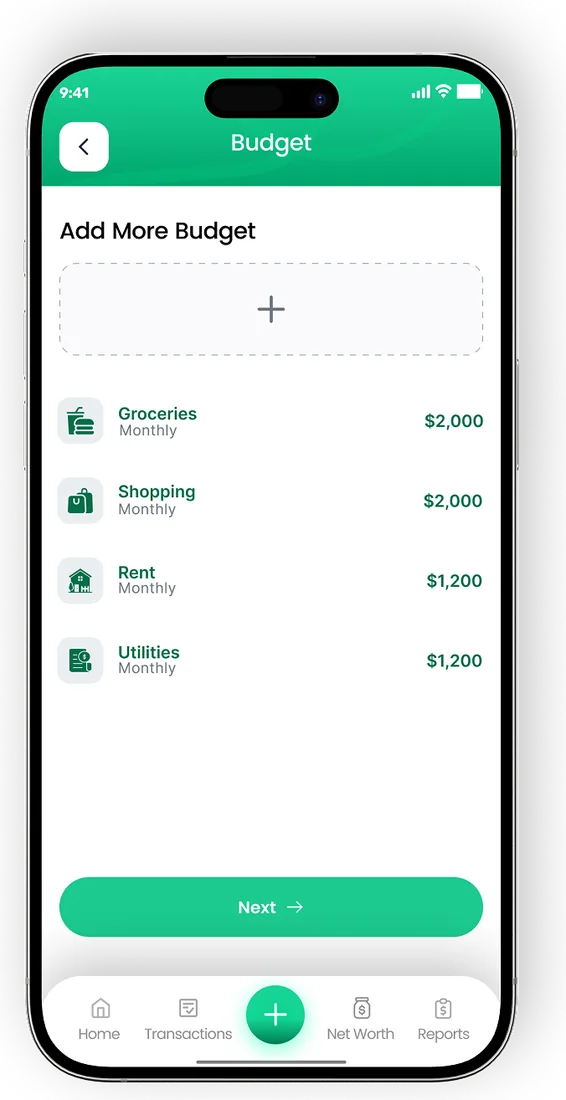
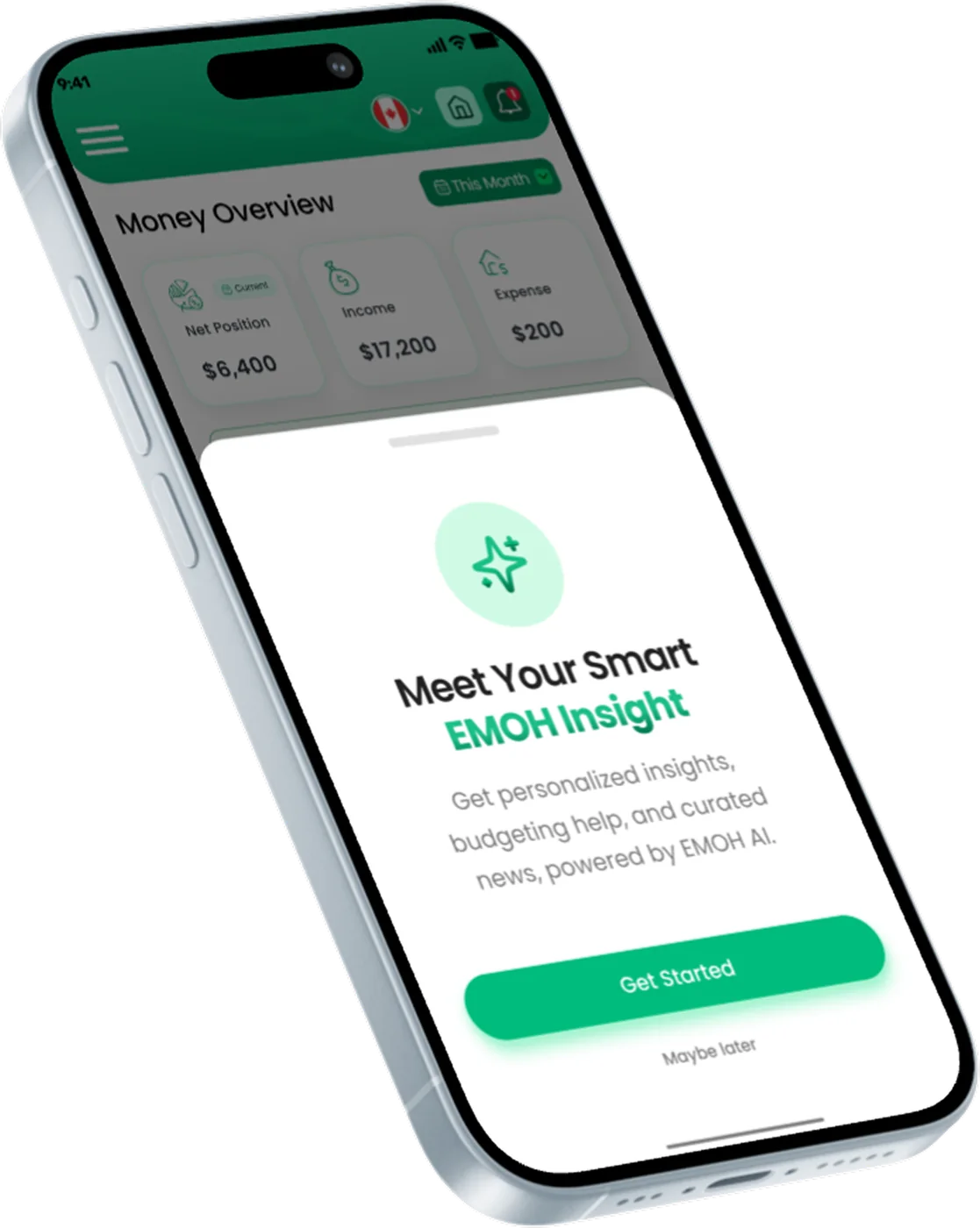
Put the numbers on autopilot
EMOH Pay tracks your spending, budgets and net worth on your phone and in the browser, always in sync. Free to start, made in Canada.
Get started free➜What Is Inflation?: frequently asked questions
What is a normal inflation rate?
In Canada, the Bank of Canada aims for 2% a year and considers 1% to 3% acceptable. Most advanced economies' central banks target about 2%.
Is inflation good or bad?
Low, stable inflation is considered healthy because it encourages spending and investment and gives central banks room to cut rates in a downturn. High inflation hurts savers and people on fixed incomes, while deflation can discourage spending and deepen recessions.
What is the difference between inflation and the cost of living?
Inflation measures how fast average prices change. The cost of living is how much money you need for your own lifestyle in a particular place. Your personal cost of living can rise faster or slower than inflation depending on what you buy.
Does inflation affect everyone equally?
No. Households that spend more of their budget on food, rent and energy feel price increases in those categories more. A renter facing a large rent increase, or a borrower on a variable rate, can feel inflation more sharply than the headline rate suggests.
Where can I find the latest inflation rate in Canada?
Statistics Canada publishes the Consumer Price Index monthly, usually in the third week of the following month. The Bank of Canada also publishes core inflation measures and its own inflation outlook.
Sources and further reading
Related guides and tools
Inflation calculator for Canada: see what a dollar amount from any year since 2000 is worth today, using Statistics Canada…
How Inflation Affects Your Household Budget in CanadaInflation has become a major challenge for many Canadian households, especially as food, rent, gas, and utilities continue…
What Is Compound Interest?What is compound interest? A plain definition, the formula, how compounding frequency changes results, simple vs compound…
Average Grocery Bill in CanadaThe average grocery bill in Canada by household size, from singles to families of five, why food prices rose, and practical…
Canadian Spending Statistics 2026Canadian spending statistics from Statistics Canada and the Bank of Canada: how households split their budgets, what grew…
Money GlossaryA plain-language money glossary: 36 personal finance terms from APR to TFSA, each defined in a sentence or two with links to…
Start free today
Free on iPhone, Android and the web. Upgrade to EMOH Pro anytime for bank sync and advanced AI.
Download for iOS➜ Get it on Android➜