
How to Save Money Fast: 25 Proven Ways
Need cash in weeks, not years? Start with the moves that free up money this month, then lock in the savings so they last.
Get started free➜ Download the app➜
What is the fastest way to save money?
The fastest way to save money is to cut recurring costs you no longer value, pause non-essential spending for a set period and move the money you free up into savings on payday. Cancelling unused subscriptions, renegotiating phone and insurance bills and planning meals usually free up cash within the first month.
How to save money fast: start with recurring costs
Knowing how to save money fast starts with one idea: cut costs that repeat. A subscription cancelled today saves money every month after, while skipping one coffee saves money once. Recurring bills and subscriptions are where fast savings usually hide.
Before you cut anything, look at the last two months of bank and credit card statements. Highlight every charge that repeats and every category that surprised you. That list becomes your plan.
1. Cancel subscriptions you do not use
Streaming, apps, boxes and memberships add up quietly. Cancel anything you have not used in the last month. The subscription cost calculator shows what they cost you per year.
2. Call your phone and internet provider
Ask about current promotions or a cheaper plan. Providers often have better offers for existing customers who ask, and switching is another option.
3. Shop around for car and home insurance
Get quotes before renewal and ask about bundling or a higher deductible if you have an emergency fund to cover it.
4. Review bank fees
If you pay monthly account fees, compare no-fee or lower-fee accounts, or check whether a minimum balance waives the fee.
5. Rotate streaming services
Keep one or two at a time and switch every few months instead of paying for all of them at once.
Ways to save money on food
Food is one of the largest flexible categories in most budgets, so small changes add up quickly. See smart spending on groceries for more detail.
6. Plan meals for the week
Decide what you will cook before you shop. A plan cuts impulse buys and food waste.
7. Shop with a list and a limit
Write the list from your meal plan and set a spending cap before you walk in.
8. Cook once, eat twice
Batch cook on the weekend and pack leftovers for lunches.
9. Cut delivery apps first
Delivery fees, service charges and tips can make a meal far more expensive than picking it up or cooking.
10. Compare unit prices
Check the price per 100 g or per litre on shelf labels. Store brands and larger sizes are often cheaper per unit.
11. Use what is already in the pantry
Spend one week eating from the freezer and cupboards before buying more.
Ways to save money on shopping and everyday spending
12. Try a no-buy month
Pause all non-essential purchases for 30 days. The no buy challenge guide explains the rules.
13. Use a 48-hour rule
Wait two days before any unplanned purchase over a set amount. Many urges pass.
14. Unsubscribe from store emails
Fewer sale alerts means fewer reasons to shop.
15. Remove saved cards from shopping sites
Typing your card number each time adds just enough friction to make you think twice.
16. Sell what you do not use
Clothes, electronics and furniture can raise quick cash through online marketplaces.
17. Borrow before you buy
Libraries lend books, films and often tools or passes. Friends may lend occasional-use items.
18. Set a weekly fun budget
A fixed weekly amount for treats makes spending guilt-free and keeps it capped.
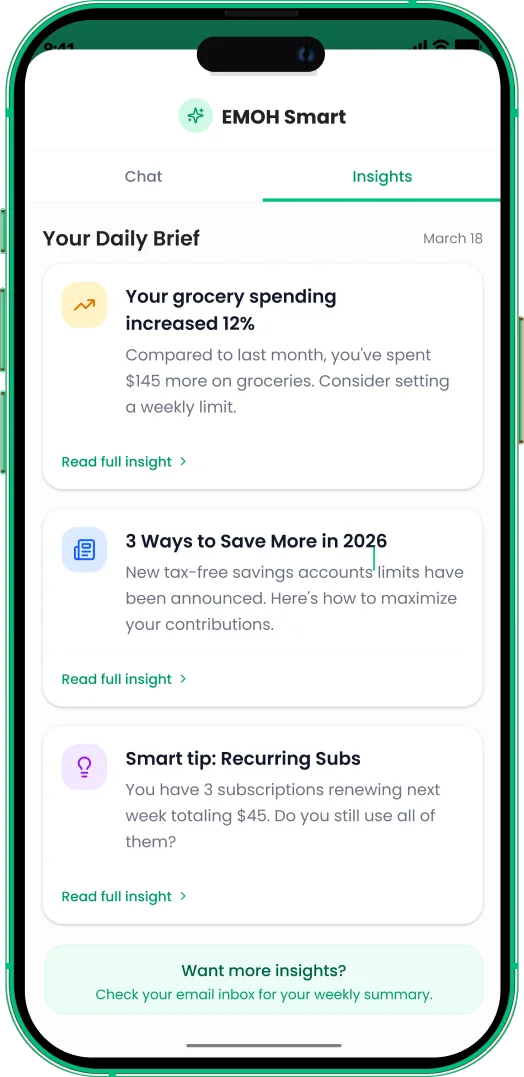
Tips that help you save
- A daily brief with practical ways to save
- Spot recurring subscriptions worth cutting
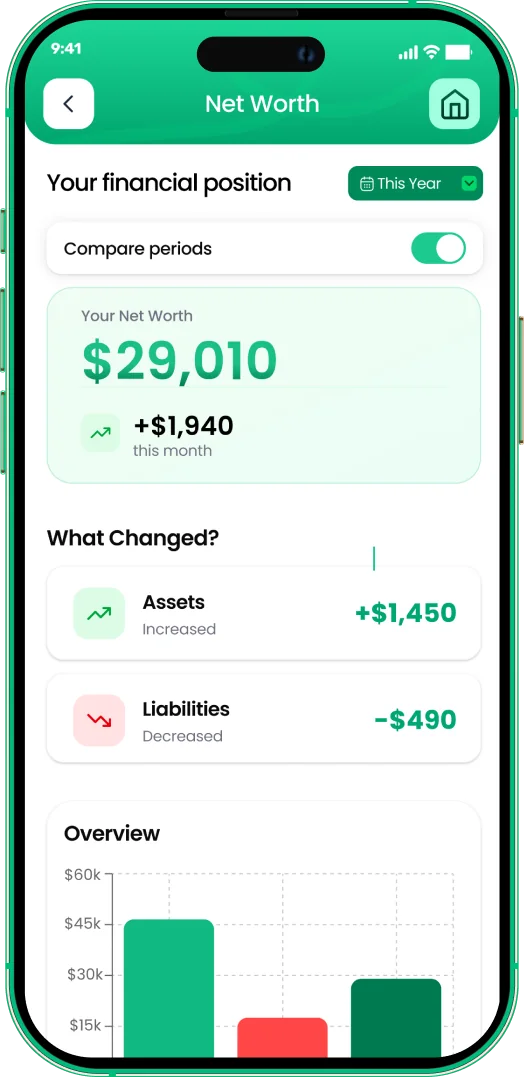
- Watch your savings show up in your net worth


Ways to save money on transport and home costs
19. Combine trips and drive smoothly
Fewer short trips and gentle acceleration use less fuel.
20. Compare transit and car costs
For some commutes a monthly transit pass is far cheaper than fuel and parking.
21. Lower your energy use
Adjust the thermostat, seal drafts and run full loads of laundry and dishes.
22. Negotiate or share big costs
Ask about rent payment options, or split costs such as internet with roommates where it makes sense.
Make the savings stick
23. Move savings out on payday
Set an automatic transfer to a separate savings account the day you are paid, so the money is gone before you can spend it.
24. Give each dollar a goal
Money saved for a named goal, such as an emergency fund or a trip, is harder to spend. A savings challenge can add structure.
25. Track spending weekly
A five-minute weekly check shows whether the cuts are holding. Without it, spending tends to drift back.
A 30-day plan to save money fast
Trying all 25 ideas at once rarely lasts. This plan spreads them over a month so each week builds on the last.
- Week 1: find the leaks. Review two months of statements, list every recurring charge and cancel what you do not use.
- Week 2: cut the big bills. Call your phone, internet and insurance providers. Set up an automatic savings transfer for payday.
- Week 3: fix food spending. Plan meals, shop with a list and delete one delivery app.
- Week 4: lock it in. Start a no-buy rule for non-essentials, set category budgets and schedule a weekly check-in.
- Day 30: count the result. Compare this month's spending with last month's and move the difference into savings.
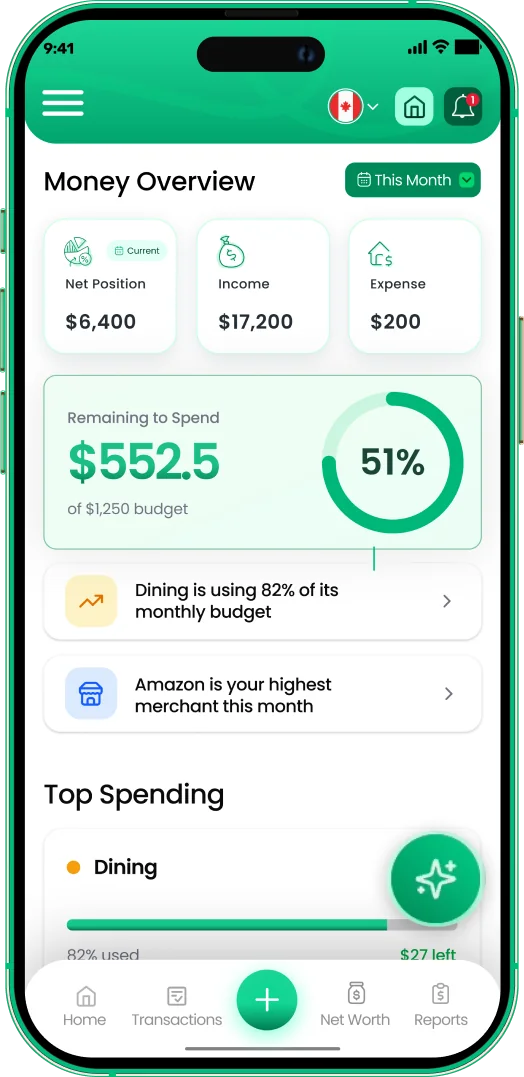
EMOH Pay makes the tracking part easier. It is free to start on iPhone, Android and the web, with budgets that alert you before you overspend, bill tracking to catch recurring charges and savings goals to show your progress. See the full list on the features page.
For longer-term habits beyond the first month, our save money tips and how to save money in Canada guides go further.
Save more with EMOH Pay
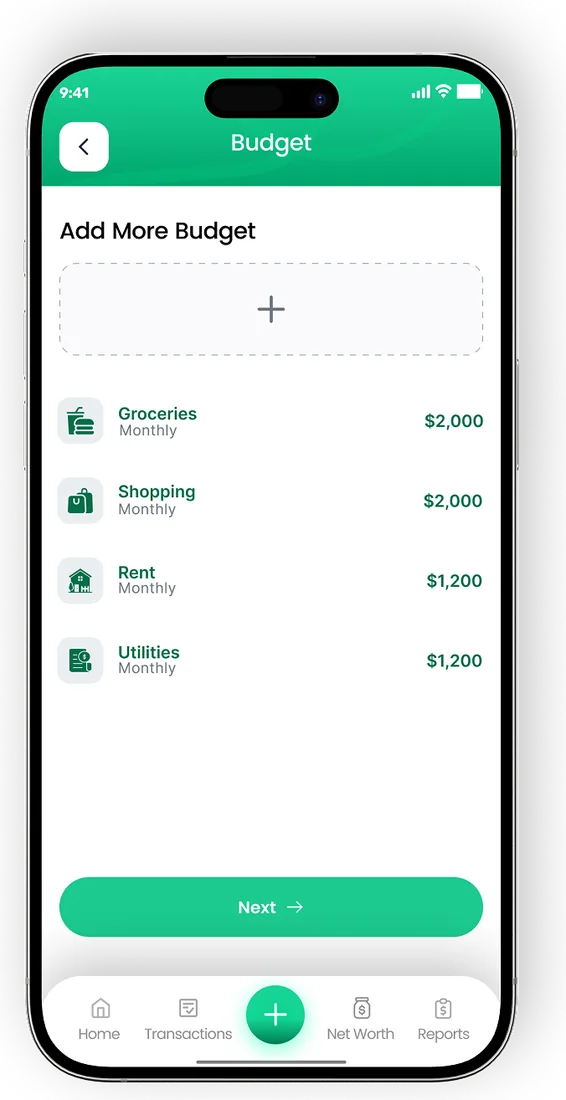

Put the numbers on autopilot
EMOH Pay tracks your spending, budgets and net worth on your phone and in the browser, always in sync. Free to start, made in Canada.
Get started free➜How to Save Money Fast: 25 Proven Ways: frequently asked questions
How can I save $1,000 fast?
Combine a few moves: cancel unused subscriptions, cut delivery and dining out for a month, sell items you no longer use and pause non-essential shopping. Move each saving into a separate account as it happens so you can see the total grow.
What should I cut first to save money?
Start with recurring charges you do not value, because each cut saves money every month. Then look at food spending, which is large and flexible for most households.
Is it better to save money or pay off debt?
Build a small emergency fund first, then put extra money toward high-interest debt such as credit cards. Interest on card debt usually costs more than a savings account earns.
How do I stop spending money on things I do not need?
Add friction: wait 48 hours before unplanned purchases, remove saved cards from shopping sites and unsubscribe from store emails. A weekly spending limit also helps.
How much can I save in a month?
It depends on your income and costs. Track what you free up in the first month, then set that amount as an automatic monthly transfer so it becomes a habit.
Sources and further reading
Related guides and tools
All EMOH Pay features: expense tracking, budgets, net worth, Ask AI, family sharing, GST/HST, multi-currency and more. Free…
Money-Saving Tips That Actually Work in 2026Building wealth and achieving financial freedom often feels like a distant dream, but it starts with simple, actionable…
How to Save Money in CanadaPractical Canadian savings moves, from taxes to groceries — ranked by effort versus payoff. Free budgeting app made in…
No-Buy Challenge: How to Do ItA no-buy challenge means buying only essentials for a set time. Learn how to set rules, build a need list, try a low buy…
Savings Challenges: 10 Ideas to TryTen savings challenge ideas compared by total saved, length and difficulty, from the 52-week and 100 envelope challenges to…
Subscription Cost CalculatorFree subscription cost calculator: see what your streaming, app and membership subscriptions cost per month, per year and…
Start free today
Free on iPhone, Android and the web. Upgrade to EMOH Pro anytime for bank sync and advanced AI.
Download for iOS➜ Get it on Android➜