
How to Improve Your Credit Score in Canada
Your score moves when your credit report changes. Here is what lenders look at, which changes show up within a month or two, and which ones only time can fix.
Get started free➜ Download the app➜
How can I raise my credit score quickly?
The fastest way to improve your credit score in Canada is to pay down credit card balances so you use well under a third of your limits, and to pay every bill on time. Lower balances usually show up within one or two statement cycles. Correcting errors on your Equifax or TransUnion report can also lift a score quickly.
How to improve your credit score in Canada: what actually moves it
To improve your credit score in Canada, focus on the two factors that carry the most weight: paying on time and keeping balances low compared with your limits. Both are visible on your credit report within weeks, and both are fully in your control. Everything else, such as the age of your accounts, improves slowly on its own.
Canada has two national credit bureaus, Equifax and TransUnion. Each builds a report from what lenders send them, and each calculates scores on a scale from 300 to 900. Your two scores can differ because not every lender reports to both bureaus.
If you have little or no credit history yet, start with our guide on how to build credit in Canada. This page is for people who already have a file and want a better number. For a plain definition of the score itself, see what is a credit score.
What affects your credit score?
Credit scores in Canada are built from five broad factors: your payment history, how much of your available credit you use, how long you have had credit, the mix of credit types, and how often you apply for new credit. The bureaus do not publish exact formulas, so the weights below are general guidance rather than precise percentages.
| Factor | What it means | How fast it can change |
|---|---|---|
| Payment history | Whether you pay at least the minimum by the due date | New on-time payments help each month; a late payment hurts for years |
| Credit utilization | Balances as a share of your credit limits | Fast: often one or two statement cycles |
| Length of history | Age of your oldest and average accounts | Slow: improves only with time |
| Credit mix | Having both revolving credit (cards) and instalment loans | Slow; never borrow just to improve your mix |
| New credit | Hard inquiries and recently opened accounts | Inquiries fade over a few years |
How to raise your credit score fast: seven steps
There is no instant fix, but a few steps can raise your credit score within one to three months. Lowering card balances and correcting report errors work fastest. Setting up automatic payments stops new damage while older problems fade.
- Get both credit reports. Request your reports from Equifax and TransUnion. Both offer free access online, and checking your own report never lowers your score.
- Dispute errors. Look for accounts that are not yours, wrong late payments or debts listed twice. Each bureau has a free dispute process.
- Pay down card balances. The Financial Consumer Agency of Canada suggests using less than about 35% of your available credit. Lower is better, and many people aim for under 30% or even 10%.
- Pay before the statement date. Lenders usually report the balance on your statement. Paying part of it a few days earlier means a lower number gets reported.
- Automate minimum payments. Set every card and loan to pay at least the minimum automatically, then pay the rest manually. One missed payment can undo months of progress.
- Ask for a limit increase carefully. A higher limit lowers your utilization if your spending stays the same. Ask whether the request triggers a hard inquiry first.
- Pause new applications. Each application for new credit usually creates a hard inquiry. Several in a short period can make lenders cautious.
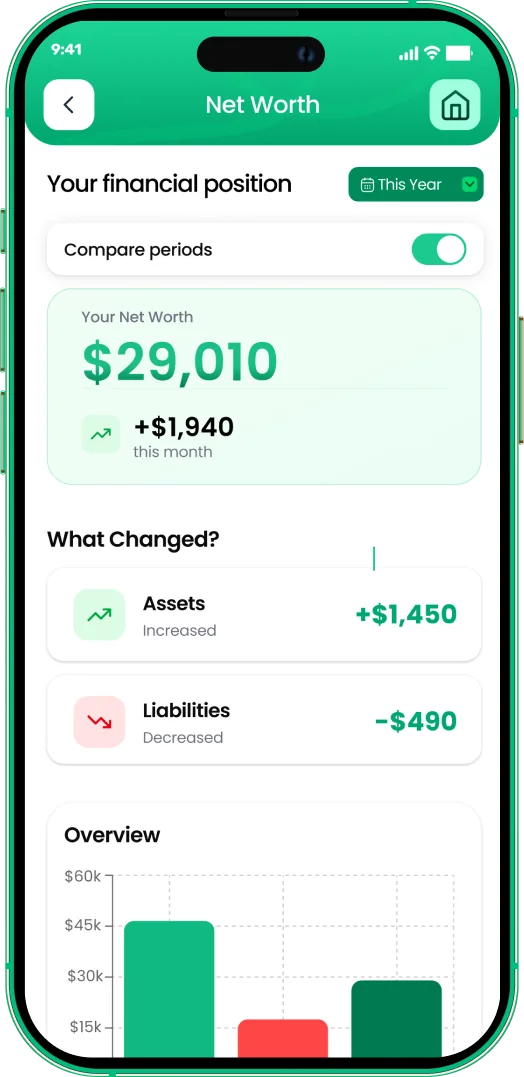
Watch your debt shrink
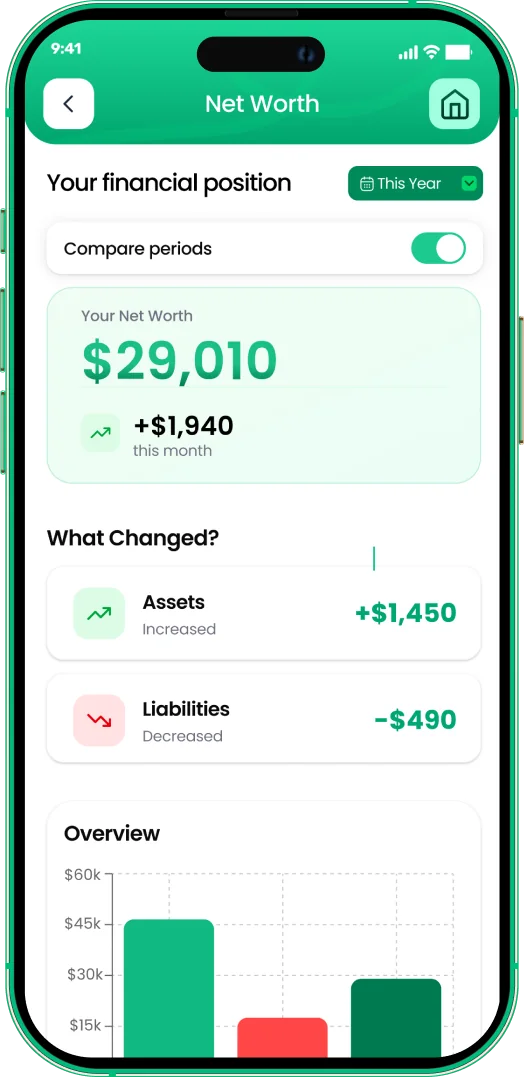
- Track loans, cards and your mortgage as liabilities
- See what changed each month
- Budget an extra payment into every month


How long does it take to improve a credit score?
Lower balances and corrected errors can show up in one or two months. Rebuilding after late payments, collections or a consumer proposal takes longer, often several years, because negative items stay on your report for a set period. Most late payments remain for about six years, though rules differ by bureau and province.
The good news is that negative items matter less as they age. A late payment from four years ago, surrounded by years of on-time payments, weighs much less than one from last month.
If you have collections or a consumer proposal
Keep paying the plan exactly as agreed, and add one small, well-managed account such as a secured card. Your score improves gradually as the negative item ages and positive history builds around it.
If your file is thin
A thin file with only one card is sensitive to small changes. Keep that card open, use it lightly every month and pay it in full. See how to build credit in Canada for secured cards and other starter options.
Credit score mistakes that pull your number down
- Closing your oldest card. It shortens your history and removes available credit, which raises your utilization.
- Maxing out one card. Even if your total utilization is fine, a single card near its limit can hurt.
- Paying only the minimum for years. It protects your payment history, but the interest keeps balances high. Our debt payoff calculator shows how much faster extra payments work.
- Ignoring small bills. An unpaid phone or utility bill sent to collections can appear on your report.
- Paying for credit repair. Nobody can legally remove accurate information from your report. You can dispute real errors yourself for free.
Use your budget to protect your score
Most credit problems start as cash flow problems: a bill arrives in a month when money is short. A simple budget with a small buffer prevents most late payments. Our guide on how to pay off debt in Canada covers the snowball and avalanche methods for clearing balances.
EMOH Pay's bill tracking lists every due date in one place, and budget alerts warn you before a category runs over, so card balances stay under control. It is free to start on iPhone, Android and the web. A small emergency fund is the other half of the plan, because it stops surprise costs from landing on a credit card.
Pay it down with EMOH Pay
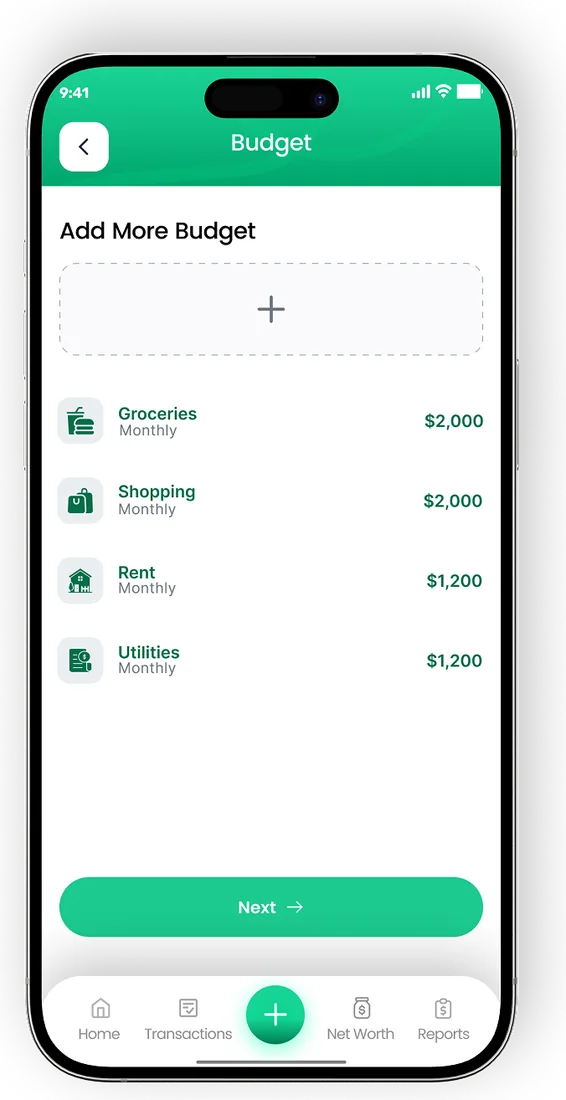


Put the numbers on autopilot
EMOH Pay tracks your spending, budgets and net worth on your phone and in the browser, always in sync. Free to start, made in Canada.
Get started free➜How to Improve Your Credit Score in Canada: frequently asked questions
What is a good credit score in Canada?
Scores run from 300 to 900. Lenders generally see scores in the high 600s and above as good, and scores above about 760 as very good to excellent, but each lender sets its own cut-offs for approvals and rates.
Does checking my own credit score lower it?
No. Checking your own score or report is a soft inquiry and has no effect. Only hard inquiries, which happen when you apply for credit, can lower it slightly.
Can I raise my credit score by 100 points in a month?
It is possible if your score is low because of very high card balances or a clear reporting error, since both can change quickly. If the cause is recent late payments or collections, expect a slower recovery over months or years.
Should I close credit cards I do not use?
Usually not, especially your oldest card. Closing it reduces your available credit and can shorten your history. If a card charges an annual fee, ask the issuer to switch it to a no-fee card instead.
Does paying rent or a phone bill build credit?
Regular rent and phone payments are not always reported to the bureaus, so they may not help. They can hurt if an unpaid bill goes to collections. Some rent-reporting services exist; check which bureau they report to before paying.
Sources and further reading
Related guides and tools
How to build credit in Canada from zero: secured cards, on-time payments, low utilization and checking your Equifax and…
What Is a Credit Score?What is a credit score? A plain-language definition, how the number is calculated, what a good score looks like in Canada…
Debt Payoff Calculator — Free CalculatorSee your debt-free date: enter balance, interest rate and monthly payment to calculate payoff time and total interest. Free…
How to Pay Off Debt in CanadaTwo proven orders of attack — avalanche saves the most interest, snowball keeps you motivated. Pick one and automate it.…
Credit Card Interest CalculatorFree credit card interest calculator. Enter your balance, APR and monthly payment to see the total interest you will pay and…
Reasons Why Canadians Prefer Credit Cards Over DebitCanadians prefer credit cards over debit cards for various reasons. Whether it is the benefits of credit cards in Canada…
Start free today
Free on iPhone, Android and the web. Upgrade to EMOH Pro anytime for bank sync and advanced AI.
Download for iOS➜ Get it on Android➜