
Credit Card Interest Calculator
Enter your card balance, APR and monthly payment to see how much interest you will pay in total, how much this month costs and how long the balance lasts.
Use the calculator➜ Try EMOH Pay free➜
How much interest will my credit card cost?
Your credit card interest cost depends on the balance, the APR and how much you pay each month. A $3,000 balance at 20.99% costs about $52 in interest in the first month. Paying $150 a month, you would pay about $724 in total interest over 25 months. Paying $300 a month cuts that to about $327.
How the credit card interest calculator works
The credit card interest calculator works month by month. It charges one month of interest on your balance, subtracts your payment and repeats until the balance reaches zero. It then adds up every interest charge to show your total interest cost.
You enter three numbers:
- Card balance: what you owe today. Use the balance on your latest statement.
- APR (%): the annual interest rate for purchases, shown on your statement. If part of your balance is a cash advance at a higher rate, run that part separately.
- Monthly payment: the fixed amount you plan to pay each month. If it is less than the monthly interest, the calculator warns you that the balance will never be paid off.
The results show total interest paid, this month's interest charge and the number of months the balance will take to clear. The calculator assumes you stop using the card for new purchases. Any new spending adds to the interest.
How is credit card interest calculated?
Credit card interest is calculated from your annual percentage rate, usually applied to your daily balance and charged once a month. For a quick estimate, multiply your balance by the APR and divide by 12. A $3,000 balance at 20.99% costs about $52 a month in interest.
In Canada, if you pay your full statement balance by the due date, you pay no interest on new purchases. The law requires a grace period of at least 21 days on new purchases for cards issued by federally regulated institutions. Cash advances and balance transfers usually start charging interest right away.
Once you carry a balance, interest compounds: this month's interest is added to what you owe, and next month you pay interest on it. Read more about what APR means and how it differs from other rates.
How your monthly payment changes the total interest
The single biggest lever is your payment. Here is what a $3,000 balance at 20.99% costs at different monthly payments. Doubling the payment from $150 to $300 more than halves the interest.
| Monthly payment | Months to clear | Total interest |
|---|---|---|
| $90 | 51 | $1,541 |
| $100 | 43 | $1,290 |
| $150 | 25 | $724 |
| $200 | 18 | $510 |
| $300 | 12 | $327 |
| $500 | 7 | $198 |
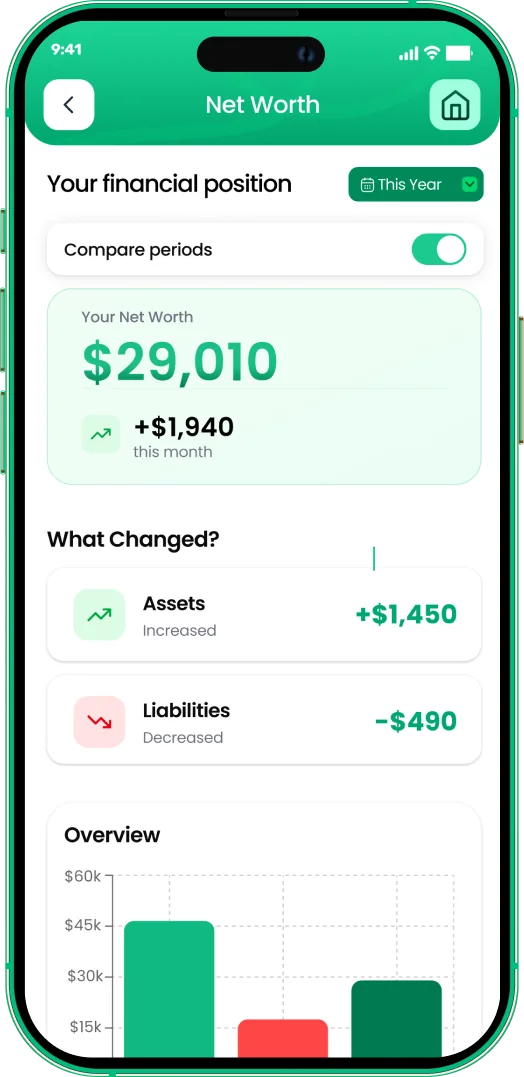
Watch your debt shrink
- Track loans, cards and your mortgage as liabilities
- See what changed each month
- Budget an extra payment into every month


How much does the APR matter?
Many standard Canadian credit cards charge an APR of around 20% on purchases, and cash advance rates are often higher. Low-rate cards charge noticeably less. Check your own statement for the exact rates, because they vary by card and can change.
Here is the same $3,000 balance with a $150 monthly payment at different APRs.
| APR | Months to clear | Total interest |
|---|---|---|
| 12.99% | 23 | $399 |
| 19.99% | 25 | $679 |
| 20.99% | 25 | $724 |
| 22.99% | 26 | $819 |
| 29.99% | 29 | $1,210 |
Moving a balance from a 20.99% card to a 12.99% card saves about $325 in this example, before any balance transfer fee. Compare the fee with the interest saved before you switch.
Credit card interest cost versus payoff date
This page focuses on what a balance costs you. If your main question is when you will be debt-free across several cards or loans, the debt payoff calculator is built for that. It plans a payoff date and order for multiple debts.
For choosing which card to pay first, our guide to debt snowball versus avalanche compares the two main methods. The avalanche method, which targets the highest APR first, saves the most interest.
Ways to cut your credit card interest
- Stop adding new purchases to the card while you pay it down.
- Pay more than the minimum. Your statement shows how long the minimum alone would take, and it is usually years.
- Pay early or twice a month. Because interest is usually charged on your daily balance, paying sooner lowers the interest a little.
- Ask your issuer about a lower rate, or compare low-rate cards and balance transfer offers, including their fees.
- Pay the full statement balance once the debt is cleared, so new purchases never attract interest.
- Track it. EMOH Pay's budgets with overspend alerts help keep new card spending in check, and bill tracking reminds you before each due date.
Paying down card balances can also help your credit score over time. See our guide to improving your credit score in Canada, and our step-by-step plan for how to pay off debt. You can explore all EMOH Pay features for tracking spending and goals.
Pay it down with EMOH Pay
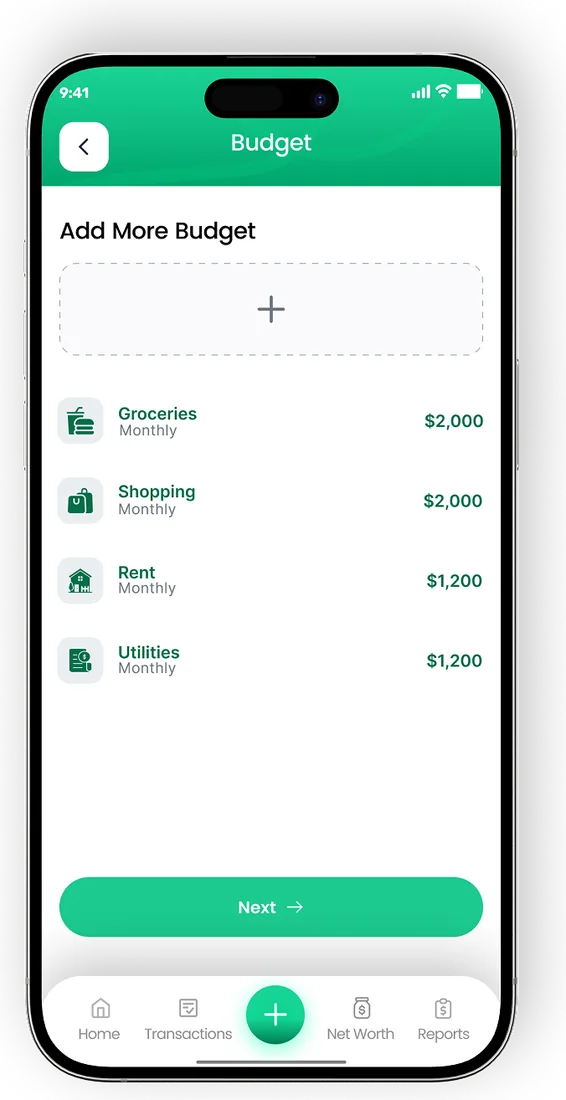

Put the numbers on autopilot
EMOH Pay tracks your spending, budgets and net worth on your phone and in the browser, always in sync. Free to start, made in Canada.
Get started free➜Credit Card Interest Calculator: frequently asked questions
How do I calculate monthly credit card interest?
For a quick estimate, multiply your balance by the APR and divide by 12. A $2,000 balance at 20% costs about $33 in interest for the month. Your issuer may calculate it daily, so your statement can differ slightly.
Do I pay interest if I pay my balance in full?
Not on new purchases. If you pay the full statement balance by the due date, Canadian cards give you a grace period with no interest on purchases. Cash advances usually charge interest from the day you take them.
What if my payment is less than the interest?
Your balance will grow instead of shrinking. The calculator shows a warning when your payment does not cover the monthly interest, so you can see the minimum needed to make progress.
Does the calculator include new purchases or fees?
No. It assumes a fixed balance with no new spending, annual fees or late fees. Add those separately if they apply, or stop using the card while you pay it off.
Does this work for cards outside Canada?
Yes. The maths is the same anywhere. Enter your balance in your own currency and the APR from your statement.
Sources and further reading
Related guides and tools
See your debt-free date: enter balance, interest rate and monthly payment to calculate payoff time and total interest. Free…
What Is APR?What is APR? A plain definition of annual percentage rate, how it differs from an interest rate and APY, how credit card APR…
Debt Snowball vs Debt AvalancheDebt snowball vs avalanche: see how each debt payoff method works, a worked example with real numbers, which saves more…
How to Pay Off Debt in CanadaTwo proven orders of attack — avalanche saves the most interest, snowball keeps you motivated. Pick one and automate it.…
Compound Interest CalculatorFree compound interest calculator. Enter a starting amount, monthly contribution, return and years to see how your savings…
How to Improve Your Credit Score in CanadaHow to improve your credit score in Canada: the factors Equifax and TransUnion weigh, which fixes work fastest, what takes…
Start free today
Free on iPhone, Android and the web. Upgrade to EMOH Pro anytime for bank sync and advanced AI.
Download for iOS➜ Get it on Android➜