GST vs HST: What's the Difference?
GST and HST are the same federal tax system at different rates. Here is how they differ, which provinces use each, what is exempt and what it means for shoppers and small businesses.
Get started free➜ Download the app➜
GST vs HST: What's the Difference?
The difference between GST and HST is that GST is the 5% federal Goods and Services Tax charged across Canada, while HST, the Harmonized Sales Tax, combines that 5% with a provincial portion into one tax. HST applies in Ontario at 13%, Nova Scotia at 14%, and New Brunswick, Newfoundland and Labrador and Prince Edward Island at 15%.
GST vs HST: what's the difference in plain language?
GST is the Goods and Services Tax, a 5% federal sales tax on most goods and services sold in Canada. HST is the Harmonized Sales Tax, which is the same 5% federal tax blended with a provincial sales tax into a single rate. Shoppers see one line on the receipt instead of two.
Both are collected under the same federal rules and run by the Canada Revenue Agency. The same items are taxable, zero-rated or exempt under both, and businesses file one GST/HST return. The only real difference for most people is the rate, which depends on the province where the sale takes place.
Provinces that did not harmonize either charge GST alone, as in Alberta and the territories, or charge GST plus a separate provincial sales tax, as in British Columbia, Saskatchewan, Manitoba and Quebec. Our broader guide to GST, HST and PST covers the separate provincial taxes in more depth.
Which provinces charge GST and which charge HST?
Five provinces charge HST and the rest of Canada charges GST, sometimes with a provincial sales tax on top. The table shows the 2026 rates. Nova Scotia lowered its HST from 15% to 14% on 1 April 2025.
| Province or territory | Tax type | Total rate |
|---|---|---|
| Ontario | HST | 13% |
| Nova Scotia | HST | 14% |
| New Brunswick | HST | 15% |
| Newfoundland and Labrador | HST | 15% |
| Prince Edward Island | HST | 15% |
| British Columbia | GST + 7% PST | 12% |
| Manitoba | GST + 7% RST | 12% |
| Saskatchewan | GST + 6% PST | 11% |
| Quebec | GST + 9.975% QST | 14.975% |
| Alberta, Yukon, NWT, Nunavut | GST only | 5% |
To work out the tax on any amount, or back it out of a total, use the GST/HST calculator. Quebec's separate tax has its own QST calculator.
Why do some provinces have HST?
HST exists to simplify sales tax. Instead of two taxes with different rules, a harmonized province lets the federal system collect its portion, then passes that share back to the province. Businesses file one return and claim input tax credits on the provincial part too.
New Brunswick, Nova Scotia and Newfoundland and Labrador harmonized in 1997, Ontario followed in 2010 and Prince Edward Island in 2013. British Columbia adopted HST in 2010 but returned to GST plus PST in 2013 after a provincial referendum. The GST itself started in 1991 at 7% and was cut to 5% by 2008.
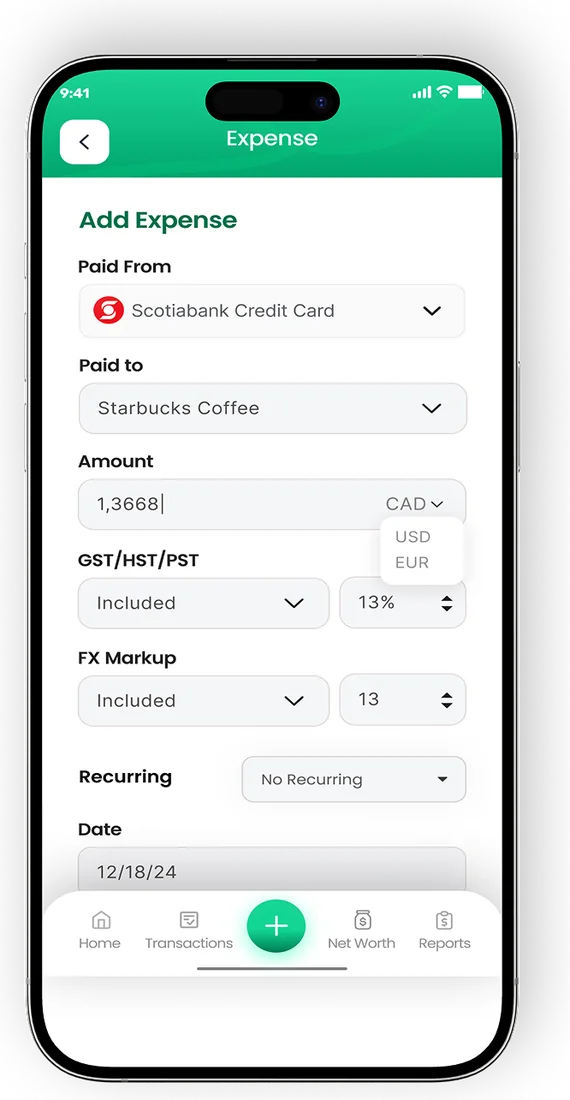
GST/HST on every expense
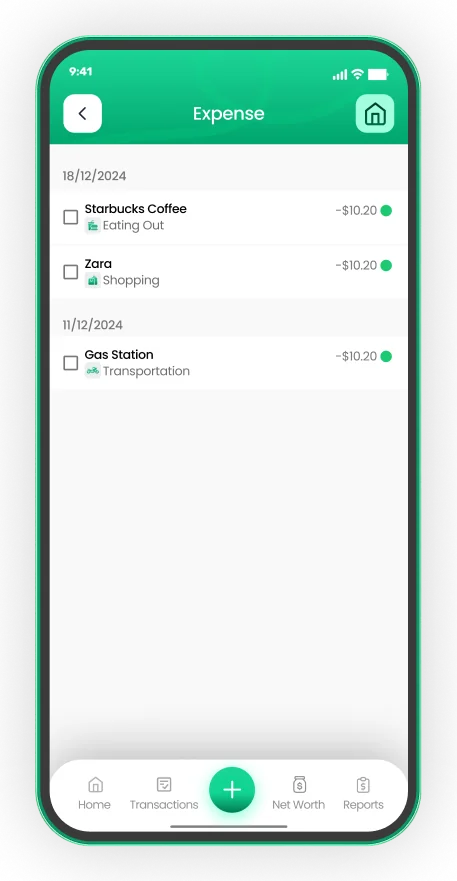
- Record GST/HST as you log each purchase
- Mark recurring bills once
- Export tax-ready PDF or Excel reports


Examples: GST vs HST on the same purchase
The same $100 item costs a different amount at the till depending on the province. Here is how the tax works out on a taxable $100 purchase.
| Where you buy | Tax charged | Total paid |
|---|---|---|
| Calgary, Alberta | $5.00 GST | $105.00 |
| Toronto, Ontario | $13.00 HST | $113.00 |
| Halifax, Nova Scotia | $14.00 HST | $114.00 |
| Vancouver, BC | $5.00 GST + $7.00 PST | $112.00 |
| St. John's, Newfoundland and Labrador | $15.00 HST | $115.00 |
Online and phone orders are taxed at the rate of the province where the item is delivered, not where the seller is based. A Toronto shop shipping to Edmonton charges 5% GST, and an Alberta shop shipping to Moncton charges 15% HST.
Curious how much sales tax your household pays in a year? Logging receipts in EMOH Pay with the tax recorded on each one gives you a running total.
What is exempt from GST and HST?
Because GST and HST share one set of rules, the same goods and services escape tax under both. They fall into two groups: zero-rated supplies, taxed at 0% so businesses can still claim credits, and exempt supplies, which carry no tax at all.
- Zero-rated: basic groceries such as milk, bread, fresh fruit and vegetables, prescription drugs, many medical devices and most exports.
- Exempt: long-term residential rent, most health and dental services, child care, educational services and most financial services.
- Provincial rebates: some HST provinces refund their share on selected items. Ontario, for example, rebates its 8% portion on items such as books, children's clothing and footwear, diapers and children's car seats.
Snacks, soft drinks, restaurant meals and prepared foods are generally taxable. Check the CRA's guidance for specific items.
What GST vs HST means for small businesses
For a business, GST and HST work the same way. Once your taxable sales pass $30,000 over four consecutive calendar quarters, you must register and charge the tax. The small supplier threshold page explains the test, and our guide shows how to register for a GST/HST number.
- Charge the rate for the province where your customer receives the goods or services.
- Record the GST or HST you pay on business purchases, since you can claim it back as input tax credits.
- File your GST/HST return by the deadline for your reporting period and remit the difference.
- Keep receipts for at least six years in case the CRA reviews your claims.
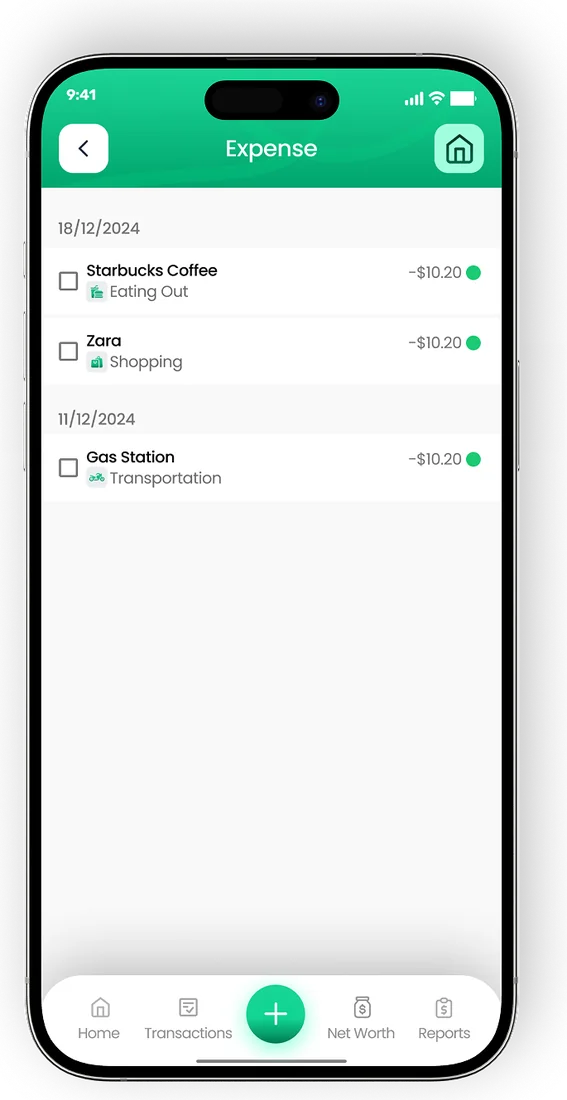
EMOH Pay's GST/HST tracking separates the tax portion of each expense, and its PDF and Excel exports help at filing time. Freelancers can read more in self-employed taxes in Canada.
Tax-ready tracking

Put the numbers on autopilot
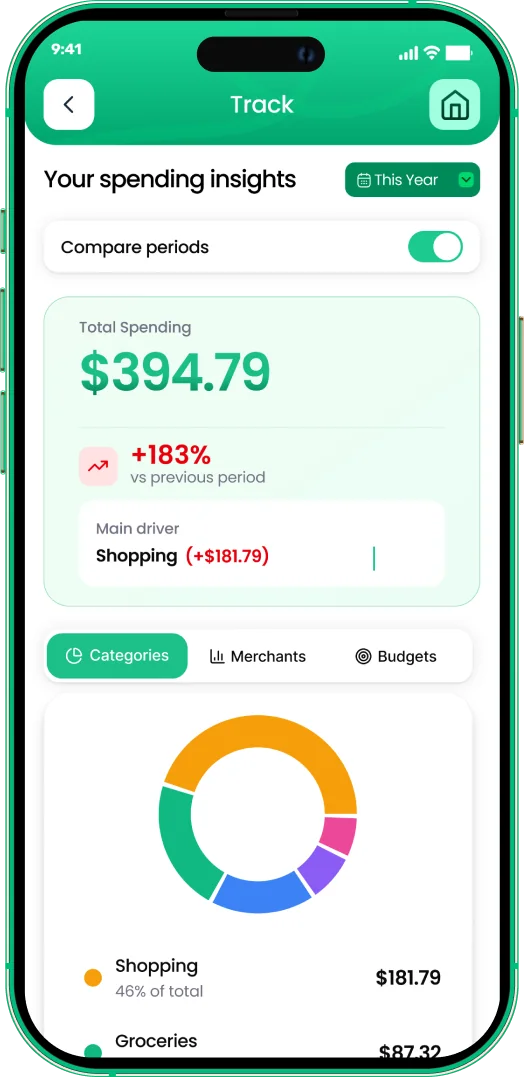
EMOH Pay tracks your spending, budgets and net worth on your phone and in the browser, always in sync. Free to start, made in Canada.
Get started free➜GST vs HST: What's the Difference?: frequently asked questions
Is HST the same as GST?
Not quite. HST includes the 5% GST plus a provincial portion, so it is the same tax system at a higher rate. Both follow the same federal rules on what is taxable and are administered by the CRA.
Does Alberta have HST?
No. Alberta charges only the 5% GST and has no provincial sales tax, as do Yukon, the Northwest Territories and Nunavut.
Why is Ontario HST 13%?
Ontario's HST combines the 5% federal GST with an 8% provincial portion. The province replaced its old retail sales tax with the harmonized tax in July 2010.
Do I charge GST or HST to a customer in another province?
Charge the rate of the province where the customer receives the goods or services. A business in Alberta selling to a customer in Ontario charges 13% HST, not 5% GST.
What is the GST/HST credit?
It is a tax-free quarterly payment to lower and modest-income households that offsets some of the GST or HST they pay. It is based on your tax return, so filing every year keeps it flowing. See the GST/HST credit payment dates page for the schedule.
Sources and further reading
Related guides and tools
Calculate Canadian sales tax for any province instantly: enter an amount, pick your province, and see GST, PST/QST and total…
GST, HST & PST ExplainedCanada's sales taxes, decoded: GST is federal (5%), PST is provincial, HST merges the two. What you pay depends entirely on…
GST/HST Credit Payment Dates 2026GST payment dates 2026: the GST/HST credit lands on 5 January, 2 April, 3 July and 5 October. See how the dates are set, who…
Small Supplier GST Threshold ($30,000 Rule)The small supplier threshold is $30,000 in taxable sales. Learn when you must register for GST/HST, how the four-quarter…
How to Register for a GST/HST NumberHow to register for a GST number in Canada: when registration is required, what you need, the three ways to apply to the CRA…
GST/HST Expense TrackerEMOH Pay tracks the GST/HST portion of your expenses automatically — a lifesaver for Canadian freelancers, contractors and…
Start free today
Free on iPhone, Android and the web. Upgrade to EMOH Pro anytime for bank sync and advanced AI.
Download for iOS➜ Get it on Android➜