
Debt Snowball vs Debt Avalanche
Snowball pays the smallest balance first. Avalanche pays the highest interest rate first. Both work. Here is how to choose, with a worked example.
Get started free➜ Download the app➜
Is the snowball or avalanche method better?
In the debt snowball vs avalanche debate, the avalanche method is better mathematically because paying the highest interest rate first costs the least interest. The snowball method, which clears the smallest balance first, gives quicker wins that help many people stay motivated. The best method is the one you will stick with until every debt is gone.
Debt snowball vs avalanche: how each method works
The debt snowball and debt avalanche methods follow the same basic routine. You pay the minimum on every debt, then put every extra dollar toward one target debt. When that debt is gone, its payment rolls into the next target. The only difference is how you choose the order.
With the debt snowball, you list debts from smallest balance to largest and attack the smallest first. With the debt avalanche, you list debts from highest interest rate to lowest and attack the most expensive first. Interest rates, not balances, drive the avalanche.
| Debt snowball | Debt avalanche | |
|---|---|---|
| Order of payoff | Smallest balance to largest | Highest interest rate to lowest |
| Total interest | Usually higher | Lowest possible for the same payment |
| First debt cleared | Usually sooner | Can take longer |
| Motivation | Frequent early wins | Slower visible progress at first |
| Best for | People who need momentum | People motivated by saving money |
A worked example with four debts
Here is one household with $17,200 of debt and $900 a month to put toward it. Minimum payments add up to $616, leaving $284 extra each month for the target debt. Interest is calculated monthly and payments are the same under both methods.
| Debt | Balance | Interest rate | Minimum payment |
|---|---|---|---|
| Car loan | $2,500 | 6.99% | $220 |
| Retail card | $3,200 | 19.99% | $96 |
| Line of credit | $4,500 | 9.5% | $90 |
| Credit card | $7,000 | 20.99% | $210 |
The snowball targets the car loan first because it has the smallest balance. The avalanche targets the credit card first because it has the highest rate.
Which debt payoff method is best in this example?
In this example the avalanche saves about $411 in interest, while the snowball clears its first debt six months sooner. Both finish in 23 months, because the same $900 goes out every month. That trade-off, lower cost versus faster early wins, is the heart of the choice.
| Method | Car loan | Retail card | Line of credit | Credit card |
|---|---|---|---|---|
| Debt snowball | Month 6 | Month 11 | Month 17 | Month 23 |
| Debt avalanche | Month 12 | Month 19 | Month 23 | Month 15 |
The gap grows when rates are far apart or balances are large. When your debts have similar rates, the two methods cost almost the same, and the snowball's quicker wins may be worth more. Try your own numbers in the debt payoff calculator.
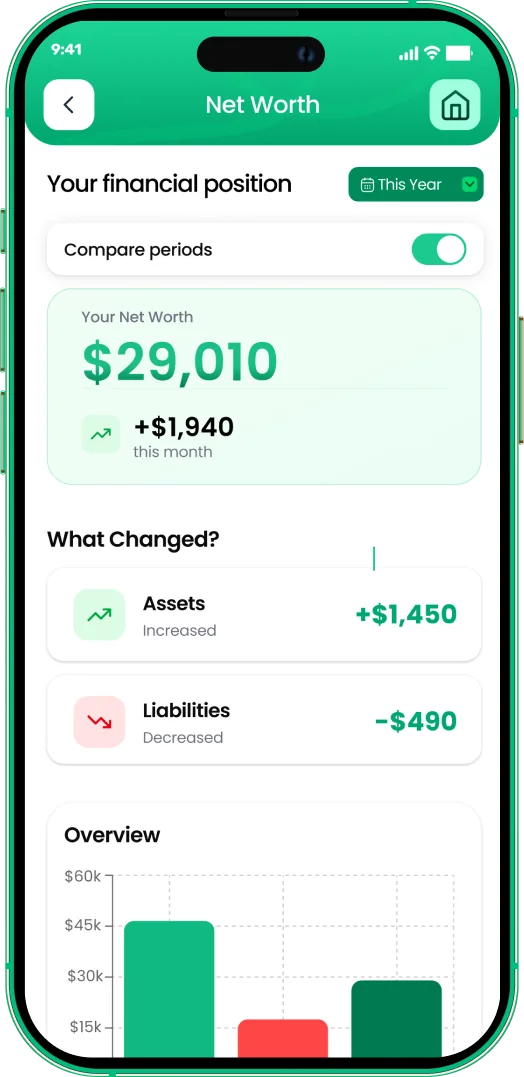
Watch your debt shrink
- Track loans, cards and your mortgage as liabilities
- See what changed each month
- Budget an extra payment into every month


Why the snowball works for many people
The snowball is not the cheapest option, but it has a strong behavioural case. Closing an account completely feels like progress in a way that a slightly smaller balance does not. Research by Gal and McShane, published in the Journal of Marketing Research in 2012, found that consumers who closed out individual debt accounts were more likely to eliminate their overall debt.
If you have tried to pay off debt before and lost steam, the snowball may be the better choice for you, even if it costs a little more interest.
How to choose and get started
A hybrid also works: start with one quick snowball win to build momentum, then switch to the avalanche for the rest. For a wider plan, including consolidation and negotiation, see how to pay off debt.
- List every debt with its balance, interest rate and minimum payment. The credit card interest calculator helps if you are unsure what a balance is costing you.
- Set a fixed monthly amount for debt that is above your total minimums.
- Pick a method. Choose the avalanche if rates differ a lot and you are disciplined. Choose the snowball if you need early wins.
- Automate the minimum payments on every debt so none are missed.
- Send all extra money to the target debt each month.
- When a debt is paid off, add its full payment to the next target.
- Keep a small emergency fund so a surprise bill does not go straight back on a card.
Tracking your payoff plan
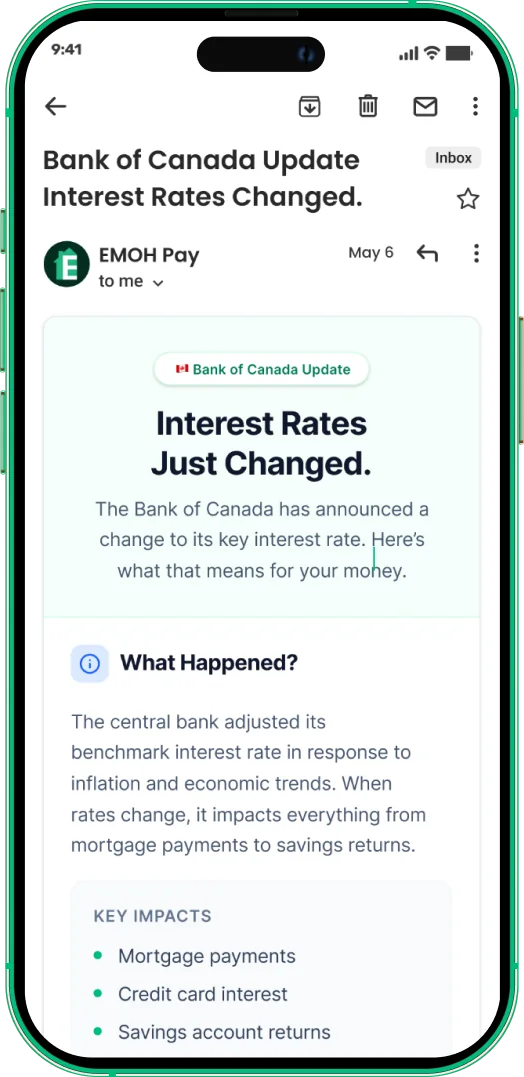
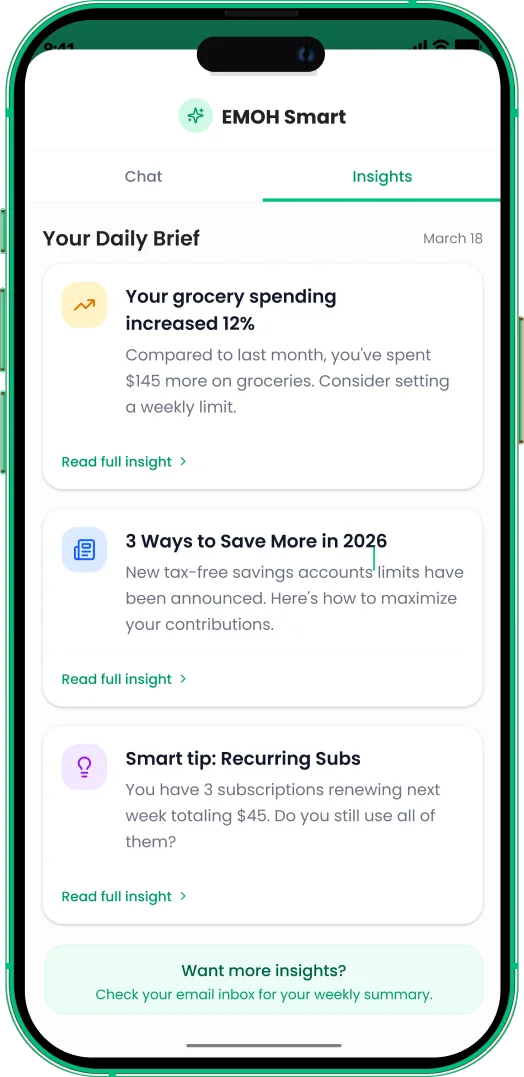
Whichever method you choose, progress is easier to sustain when you can see it. EMOH Pay tracks debts as part of your net worth, sets budgets that protect your debt payment each month and shows the balance falling over time. It is free to start on iPhone, Android and the web. See what else is included on the features page.
If you want to understand how card interest is calculated in the first place, the what is APR guide explains it in plain language.
Pay it down with EMOH Pay
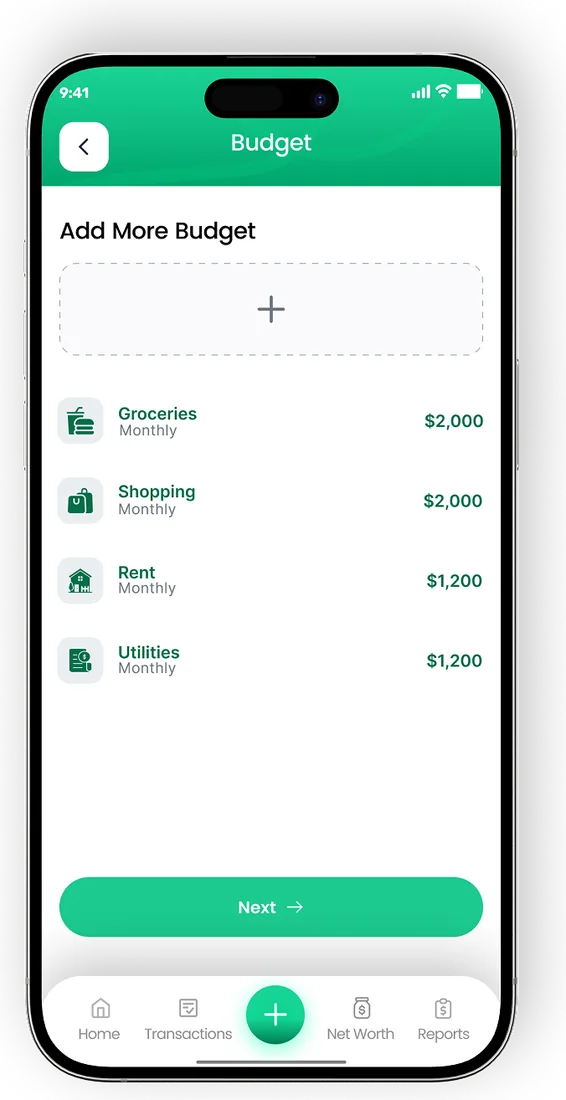

Put the numbers on autopilot
EMOH Pay tracks your spending, budgets and net worth on your phone and in the browser, always in sync. Free to start, made in Canada.
Get started free➜Debt Snowball vs Debt Avalanche: frequently asked questions
Does the avalanche method always save more money?
For the same monthly payment, paying the highest rate first gives the lowest total interest or ties with the snowball. The savings can be small when your debts have similar rates.
Should I include my mortgage in the snowball or avalanche?
Most people leave the mortgage out because it is large, long term and usually has a lower rate. Focus these methods on consumer debts such as cards, lines of credit and car loans.
What if two debts have the same interest rate?
Pay the smaller balance first. You get the same interest cost with a quicker win, which combines the best of both methods.
Can I switch methods partway through?
Yes. Many people start with the snowball for momentum and switch to the avalanche once they feel confident. What matters is keeping the extra payment going.
Should I save or pay off debt first?
Keep a small emergency fund while paying off debt. Without one, an unexpected cost often ends up on a credit card and undoes your progress.
Sources and further reading
Related guides and tools
See your debt-free date: enter balance, interest rate and monthly payment to calculate payoff time and total interest. Free…
How to Pay Off Debt in CanadaTwo proven orders of attack — avalanche saves the most interest, snowball keeps you motivated. Pick one and automate it.…
Credit Card Interest CalculatorFree credit card interest calculator. Enter your balance, APR and monthly payment to see the total interest you will pay and…
What Is APR?What is APR? A plain definition of annual percentage rate, how it differs from an interest rate and APY, how credit card APR…
Emergency Fund GuideAn emergency fund is 3–6 months of essential expenses in cash — the buffer that turns a crisis into an inconvenience. Free…
EMOH Pay Features — Budgets, Tracking, AI & MoreAll EMOH Pay features: expense tracking, budgets, net worth, Ask AI, family sharing, GST/HST, multi-currency and more. Free…
Start free today
Free on iPhone, Android and the web. Upgrade to EMOH Pro anytime for bank sync and advanced AI.
Download for iOS➜ Get it on Android➜