
Cost of Living in Riyadh (2026)
Riyadh has no personal income tax on salaries, but rent, school fees and expat dependent fees can take a large share of a pay packet. Here is what things typically cost in riyals and two sample monthly budgets.
Get started free➜ Download the app➜
How much does it cost to live in Riyadh?
A single person renting a one-bedroom apartment in Riyadh typically needs about SAR 7,000 to 14,000 a month, and an expat family of four about SAR 16,000 to 34,000, depending on the district, schooling and whether housing is provided. Rent and school fees dominate, while the absence of income tax on salaries helps offset them.
The cost of living in Riyadh depends on three things: your housing, your children's schooling and whether your employer covers either. A single renter usually spends about SAR 7,000 to 14,000 a month on a one-bedroom apartment, transport, food and modest extras. An expat family of four with children in private school typically needs about SAR 16,000 to 34,000.
These are illustrative ranges built from typical asking rents, published fees and common household costs. They are not official statistics. Riyadh's rents rose quickly between 2022 and 2025 as the city grew, which is why housing now drives most budgets.
If you are comparing Gulf cities, see the cost of living in Dubai and the cost of living in Abu Dhabi. Our expat money guide covers banking, saving and sending money home while working abroad.
Average rent in Riyadh by district
Rent in Riyadh is usually quoted as an annual amount and paid in instalments, often every three, six or twelve months, through the government's Ejar platform. Northern districts such as Al Malqa, Hittin, Al Yasmin and Al Narjis are popular with expats and cost more. Central and southern districts cost less but may be older.
| Home type | Popular northern districts | Other districts |
|---|---|---|
| Studio or small one-bedroom | SAR 2,800 to 4,500 | SAR 1,800 to 3,000 |
| One-bedroom apartment | SAR 3,500 to 6,000 | SAR 2,500 to 4,000 |
| Three-bedroom apartment | SAR 5,500 to 9,500 | SAR 3,800 to 6,500 |
| Villa or compound house | SAR 9,000 to 20,000+ | SAR 6,000 to 12,000 |
In September 2025 the government announced a five-year freeze on annual rent increases for residential and commercial properties in Riyadh. Check how the rules apply to your contract on Ejar before you renew. Because rent is paid in large instalments, divide each payment by the months it covers and set that aside every month.
Taxes and fees that affect a Riyadh budget
- No income tax on salaries. Saudi Arabia does not tax employment income. Saudi nationals contribute to GOSI social insurance from their salary; expat employees generally do not pay pension contributions.
- VAT at 15%. Most goods and services carry 15% value added tax, collected by the Zakat, Tax and Customs Authority (ZATCA). It has been at this rate since July 2020.
- Dependent fees for expats. Expat workers pay a monthly fee of SAR 400 for each dependent sponsored in Saudi Arabia, usually settled in advance when the residence permit (iqama) is renewed. A spouse and two children add SAR 1,200 a month.
- Iqama and visa costs. Many employers pay work permit and residence fees, but check your contract. Exit and re-entry visas for travel carry their own fees.
Transport, utilities and schools
Riyadh has long been a car city, and most households still drive. Fuel is cheap by international standards, but a car loan or lease, insurance and maintenance add up. The Riyadh Metro opened its six lines in stages from December 2024, which gives some residents a real alternative, and ride-hailing apps are widely used.
Electricity from the Saudi Electricity Company rises sharply in summer, when air conditioning runs almost constantly and temperatures regularly pass 45°C. A one-bedroom apartment might pay about SAR 150 to 300 a month in winter and SAR 400 to 900 in peak summer. Water is inexpensive. Fibre internet and a mobile plan usually cost about SAR 300 to 500 a month combined.
Schooling is the largest cost for many expat families. Public schools teach in Arabic and are mainly for Saudi children, so most expats choose private or international schools. Annual fees range from roughly SAR 15,000 to more than SAR 60,000 per child, plus transport, uniforms and registration fees.
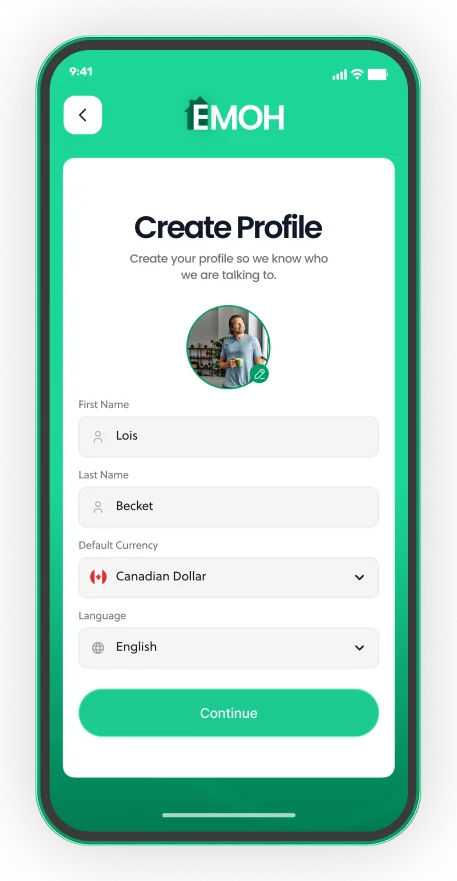
Your home currency, any spending currency
- 148 currencies with automatic conversion
- Record FX markup on card purchases
- Phone and web always in sync


Sample monthly budget for Riyadh
These budgets are illustrative ranges, not official statistics. The single budget assumes a one-bedroom apartment and a leased car or ride-hailing. The family budget assumes an expat couple with two children in private school, a three-bedroom apartment and one car, with no employer housing allowance.
| Category | Single person | Expat family of four |
|---|---|---|
| Rent | SAR 3,000 to 5,500 | SAR 5,000 to 10,000 |
| Electricity and water (yearly average) | SAR 250 to 700 | SAR 600 to 1,500 |
| Internet and mobile | SAR 300 to 500 | SAR 400 to 700 |
| Groceries | SAR 1,000 to 1,600 | SAR 2,500 to 4,000 |
| Transport | SAR 800 to 1,800 | SAR 1,500 to 3,000 |
| School fees (monthly equivalent) | None | SAR 2,500 to 7,000 |
| Dependent fees | None | SAR 1,200 |
| Health costs not covered by insurance | SAR 0 to 200 | SAR 0 to 400 |
| Household help and supplies | SAR 300 to 600 | SAR 500 to 1,500 |
| Eating out and entertainment | SAR 600 to 1,400 | SAR 800 to 1,800 |
| Savings | SAR 750 to 1,700 | SAR 1,000 to 2,900 |
| Total | About SAR 7,000 to 14,000 | About SAR 16,000 to 34,000 |
Employer health insurance is mandatory for private sector workers and usually covers family members, so out-of-pocket health costs are often low. If you send part of your salary home, add it as a fixed line. The SAR to PKR converter and SAR to INR converter show indicative rates, and our guide to budgeting for money sent home covers timing and fees.
Figures checked September 2026; confirm current fees and rules with ZATCA, the General Authority for Statistics and the Ejar platform.
How to budget in Riyadh
- Convert annual costs into monthly amounts. Rent, school fees, dependent fees and iqama renewals are all large, infrequent payments.
- Set aside the monthly share of each one in a separate savings goal so the bill is covered when it arrives.
- Budget electricity for summer and save the difference in the cooler months.
- Decide how much to send home each month before you spend, not after.
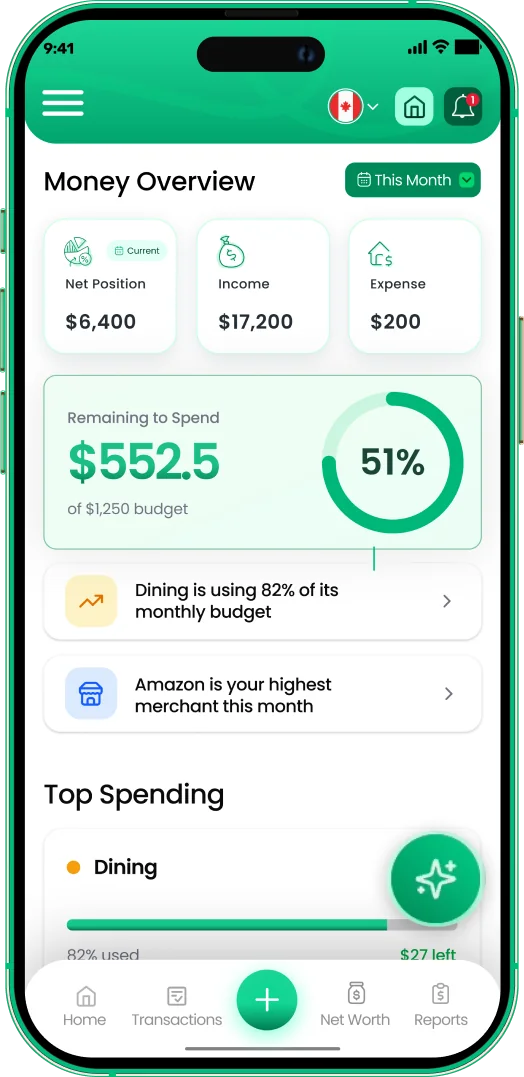
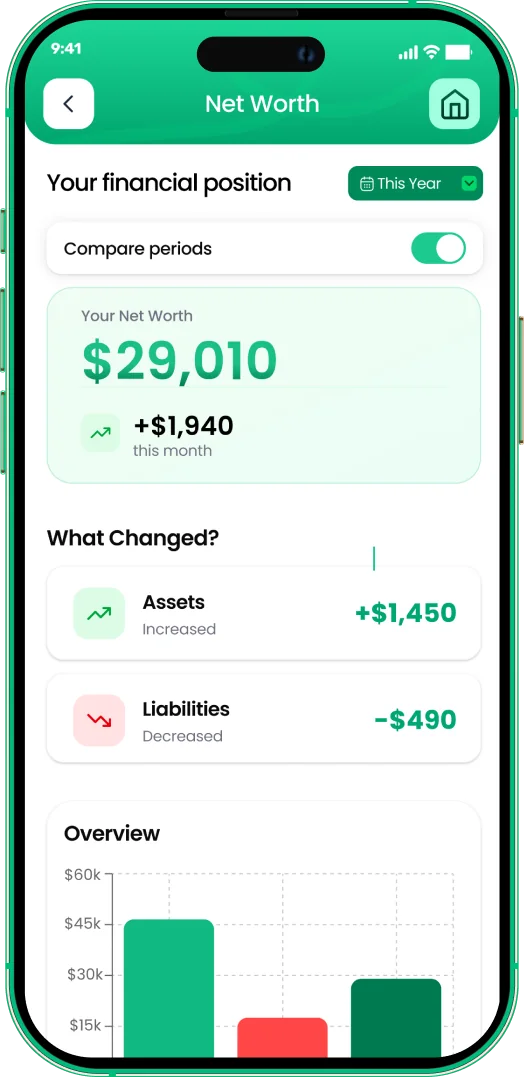
- Track spending in riyals and in your home currency. EMOH Pay is free on iPhone, Android and the web and supports SAR among 148 currencies with automatic conversion. Bank sync is not available in Saudi Arabia, so you add transactions manually. See our worldwide budgeting app page for how it works abroad.
Every currency in one app
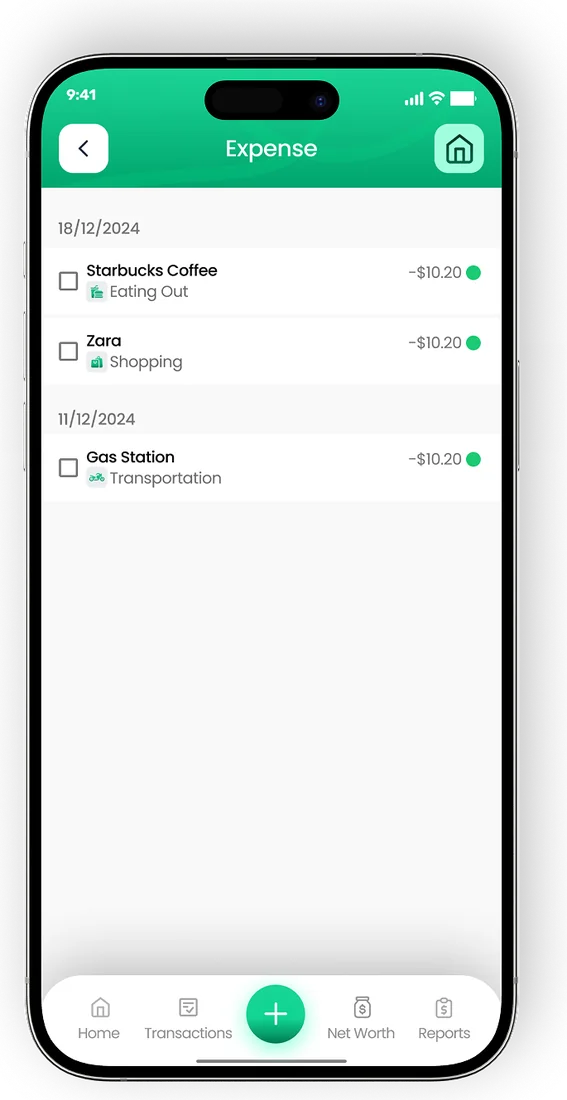

Put the numbers on autopilot
EMOH Pay tracks your spending, budgets and net worth on your phone and in the browser, always in sync. Free to start, made in Canada.
Get started free➜Cost of Living in Riyadh (2026): frequently asked questions
Is Riyadh cheaper than Dubai?
Often, yes, particularly for rent outside the most popular northern districts and for everyday items. Both cities have no income tax on salaries, but Saudi VAT is 15% compared with 5% in the UAE, and expat dependent fees add a cost that families in Dubai do not pay in the same form.
What is a good salary in Riyadh?
A single person can live comfortably and save on about SAR 12,000 a month or more. An expat family with children in private school usually needs SAR 25,000 or more unless housing and school allowances are provided. Allowances matter as much as base salary, so compare total packages.
Do expats pay income tax in Saudi Arabia?
No. Saudi Arabia does not tax employment income for expats or nationals. You still pay 15% VAT on most purchases, and expats pay dependent fees for family members they sponsor. Your home country may tax you depending on its residency rules.
How is rent paid in Riyadh?
Rent is usually agreed as an annual amount and paid in instalments, often every three, six or twelve months, with the contract registered on the Ejar platform. A security deposit and agent commission are common at the start of a lease.
Can I use EMOH Pay in Saudi Arabia?
Yes. EMOH Pay works on iPhone, Android and the web in Saudi Arabia and supports riyals with automatic conversion to 147 other currencies. Bank sync is only available for Canadian banks, so you log transactions manually.
Sources and further reading
Related guides and tools
Cost of living in Dubai for 2026: yearly rent and cheques, DEWA bills, school fees, transport and sample monthly budgets for…
Cost of Living in Abu Dhabi (2026)Cost of living in Abu Dhabi for 2026: typical rent by area, utilities, school fees, transport and sample monthly budgets in…
Budgeting App Worldwide — 148 CurrenciesEMOH Pay works in every country: 148 currencies, phone + web sync, bank connections in CA/US/UK. Free budgeting app made in…
Expat Money GuideA practical guide to expat finances: tax residency, banking in two countries, currency, emergency funds and a monthly money…
SAR to PKR Converter + Budget PlannerConvert SAR to PKR, see how fees and exchange margins change what your family receives, and plan a monthly amount to send…
SAR to INR Converter + Budget PlannerConvert SAR to INR, see what fees and exchange margins take from each transfer, and plan a steady monthly amount to send…
Start free today
Free on iPhone, Android and the web. Upgrade to EMOH Pro anytime for bank sync and advanced AI.
Download for iOS➜ Get it on Android➜