
Expat Money Guide
Living abroad means two banking systems, two tax systems and at least two currencies. This guide covers managing money as an expat without losing track of any of them.
Get started free➜ Download the app➜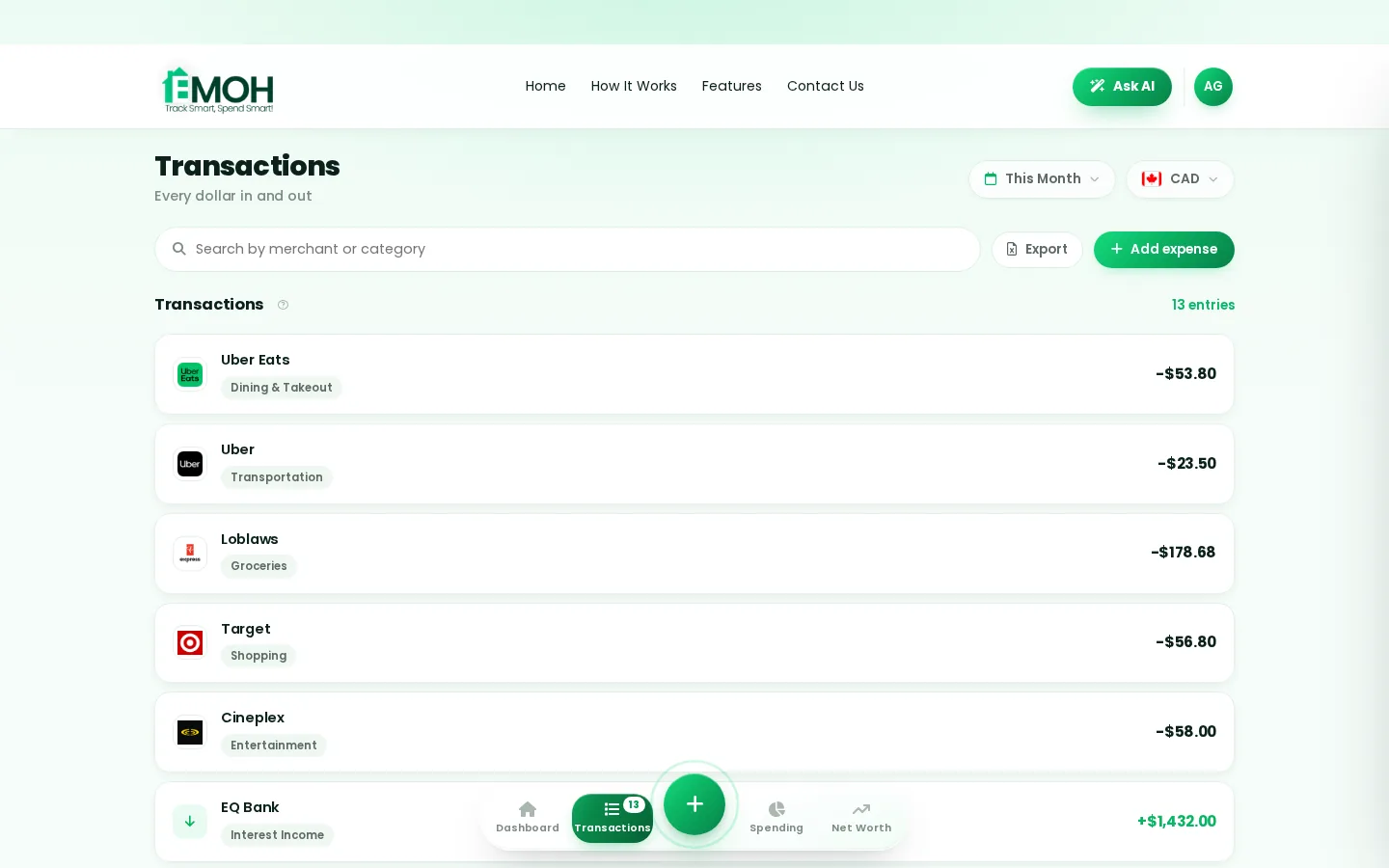
How should expats manage money across countries?
Expats should manage money across countries by confirming where they are tax resident, keeping at least one bank account open in each country, budgeting in one home currency, and holding an emergency fund that covers a flight home. Track every account in one place and review exchange costs before each transfer so fees do not quietly erode savings.
What makes expat finances different?
Expat finances differ from ordinary personal finance because your money, obligations and rules are split across borders. Income may arrive in one currency while rent, family support and savings sit in others. Tax depends on residency rather than citizenship in most countries, and banks rarely share credit history. A simple system that tracks everything in one currency prevents most problems.
This guide covers the full picture. If you mainly want a tool to track spending abroad, our page on the expat budgeting app focuses on that, and expat budgeting in Canada covers people who have moved to Canada.
Tax residency comes first
Most countries tax you based on where you are resident, not where you hold a passport. Canada taxes its residents on worldwide income, and the CRA decides residency based on ties such as a home, a spouse or dependants, and social and economic connections. The United States is an exception: it taxes its citizens wherever they live.
Leaving a country can trigger rules of its own. When you stop being a resident of Canada, you may be treated as having sold certain property at fair market value on the day you leave, and new TFSA contributions made while non-resident are taxed at 1% a month. Canada has tax treaties with many countries to prevent the same income being taxed twice, but you usually have to claim the relief.
This is general information, not tax advice. Residency rules are fact-specific; confirm your situation with the CRA or a cross-border tax professional.
Banking in two countries
- Keep one account open at home. It receives any pension, rental or government payments and keeps your banking relationship alive if you return.
- Open a local account quickly. Rent, salary and utilities are much easier with a local account. Our guide to banking in Canada for newcomers covers the Canadian side.
- Expect to rebuild credit. Credit history rarely moves across borders. A secured card or a small limit used and paid in full each month starts a new file.
- Update your address and residency status with every bank and investment provider so they apply the right tax treatment.
- Watch the fees. Monthly account fees in two countries add up. Downgrade the home account to a low-fee plan if you only need it for occasional use.
Your home currency, any spending currency
- 148 currencies with automatic conversion
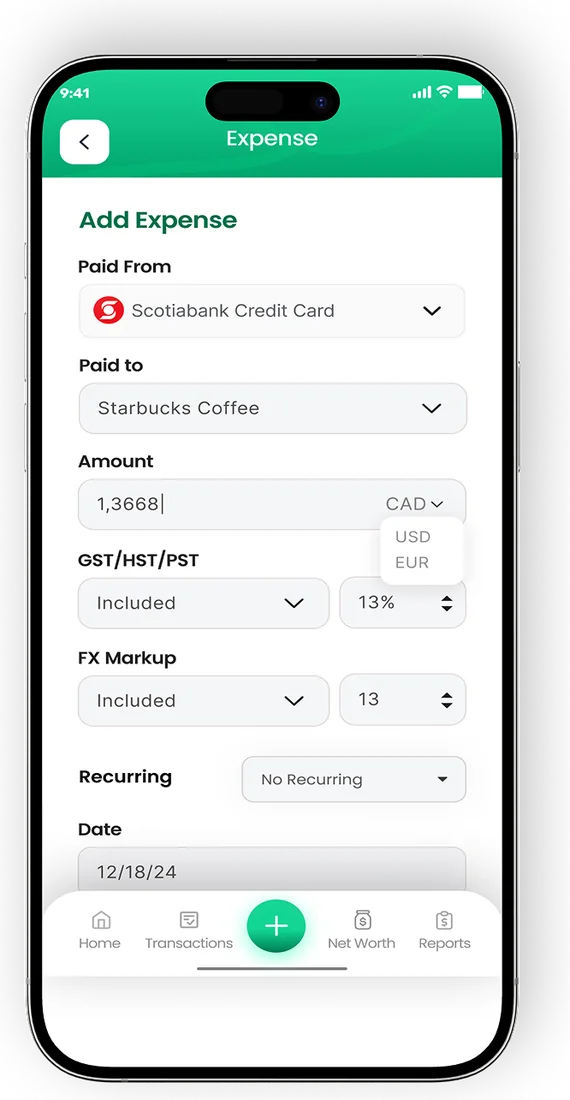
- Record FX markup on card purchases
- Phone and web always in sync


Managing money as an expat: currency and transfers
Pick one home currency for planning, usually the one you are paid in, and convert everything else into it. That gives you one monthly total and one net worth figure. Our multi-currency budgeting guide explains conversion methods and how to size an exchange-rate buffer.
Transfers are where expats lose the most money without noticing. The cost is the upfront fee plus the margin hidden in the exchange rate. Compare the amount that actually arrives, check the mid-market rate on a currency converter, and read our guide to remittance fees before choosing a provider.
Emergency funds and insurance abroad
An expat emergency fund should cover more than the usual three to six months of expenses. Add the cost of a last-minute flight home for a family emergency and a deposit on new housing if a job ends. Keep part of it in the currency where you would need it most.
Health coverage is the other gap. Public health plans usually cover residents only, and some Canadian provinces have a waiting period before new residents are covered. Check your coverage before you move and buy private insurance for any gap. Our emergency fund guide shows how to build the fund step by step.
An expat money checklist
| When | Task |
|---|---|
| Before you move | Check tax residency rules in both countries and what leaving triggers |
| Before you move | Tell banks and investment providers; switch the home account to a low-fee plan |
| Before you move | Price health insurance for any waiting period |
| First month | Open a local bank account and a starter credit card |
| First month | Set a home currency and track every account in one app |
| First three months | Build an emergency fund that covers a flight home |
| Every year | File tax returns where required and claim treaty relief |
| Every year | Review foreign property reporting, such as Form T1135 in Canada |
| Every year | Check pension entitlements and social security agreements |
A monthly money routine for expats
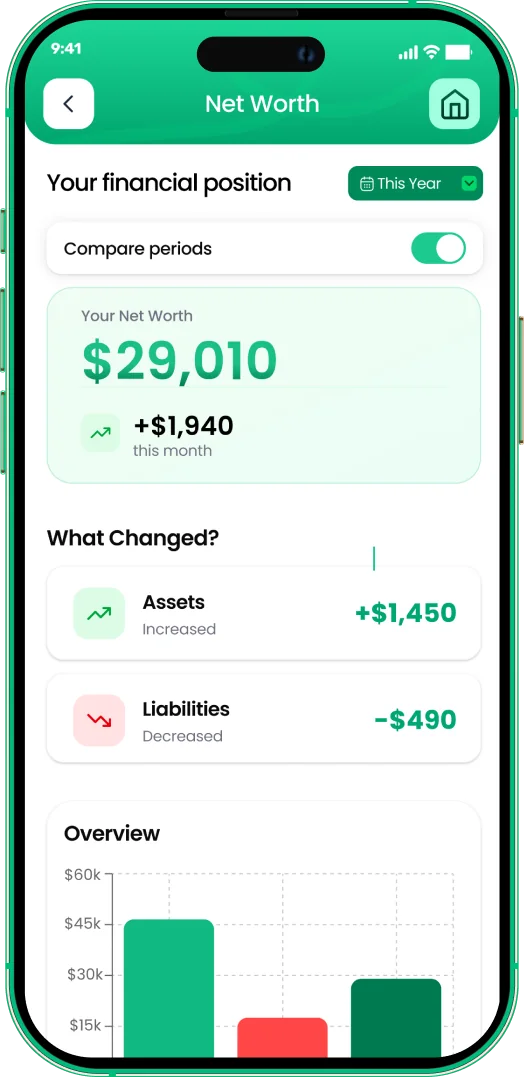
EMOH Pay handles 148 currencies with automatic conversion, so accounts in several countries roll up into one budget and one net worth figure on iPhone, Android or the web. Automatic bank sync is available for Canadian banks on EMOH Pro; accounts elsewhere can be tracked by entering transactions. Family sharing gives a partner their own login, which helps when one of you manages the home-country side.
- On payday, move savings and family support out first, in your home currency.
- Record any foreign transfers at the amount that actually arrived.
- Review each category against budget, including exchange buffers.
- Update balances for accounts in every country so net worth stays accurate.
- Note any bills due abroad next month so a transfer does not arrive late.
Every currency in one app
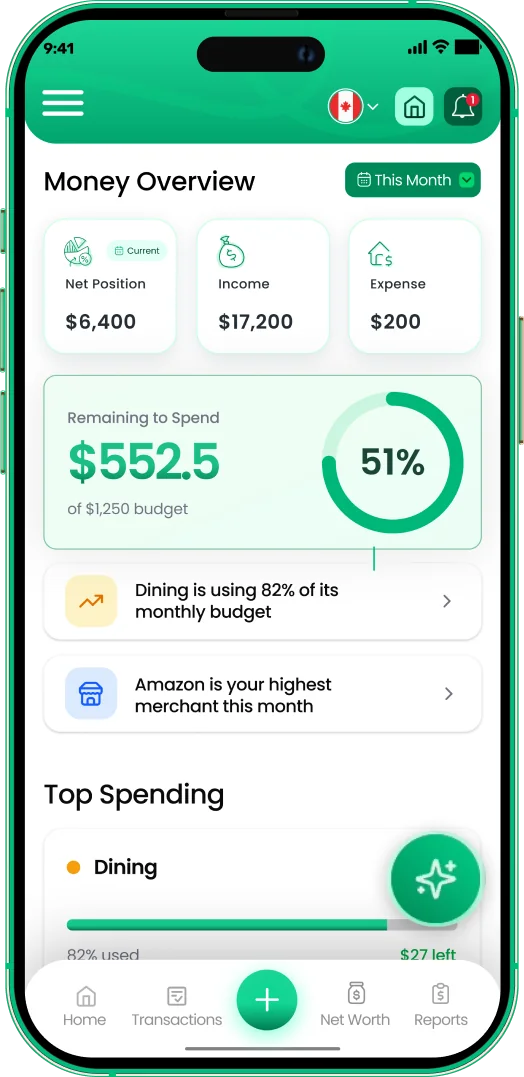

Put the numbers on autopilot
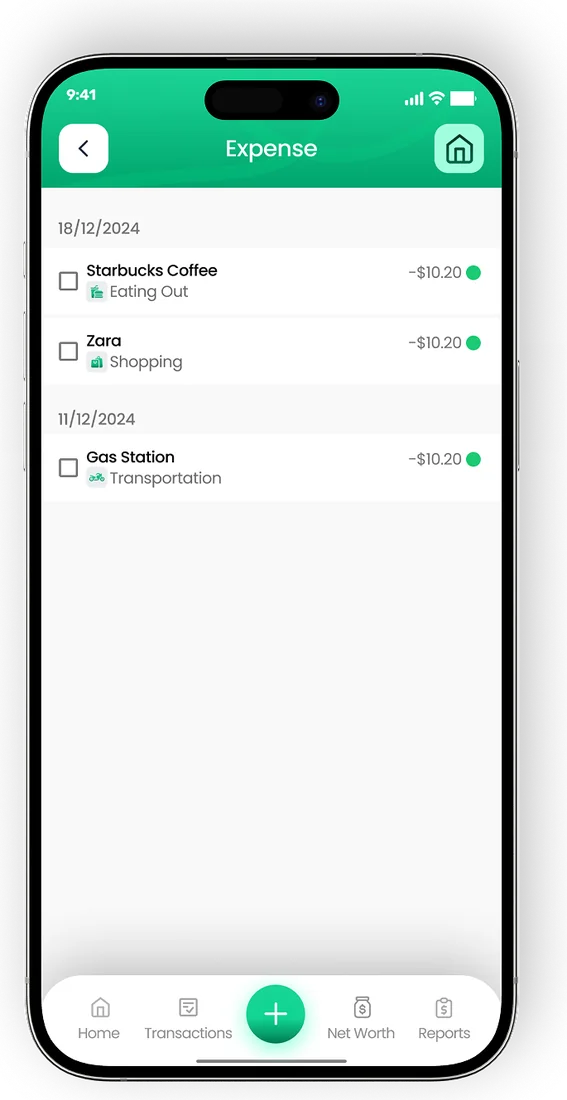
EMOH Pay tracks your spending, budgets and net worth on your phone and in the browser, always in sync. Free to start, made in Canada.
Get started free➜Expat Money Guide: frequently asked questions
Do expats have to pay tax in two countries?
Sometimes, but tax treaties usually prevent the same income being fully taxed twice. You may need to file in both countries and claim a credit or exemption. US citizens file with the US wherever they live.
Should I close my Canadian bank account when I move abroad?
Most expats keep at least one account open. Tell the bank you are becoming a non-resident so it applies the right tax treatment, and move to a low-fee plan.
Can I keep contributing to my TFSA as an expat?
You can keep an existing TFSA, but contributions made while you are a non-resident of Canada are taxed at 1% a month until withdrawn. Check the CRA's TFSA guidance before contributing.
How big should an expat emergency fund be?
Aim for three to six months of expenses plus the cost of a short-notice flight home and a rental deposit. Keep part of it in the currency where you would need it.
What is the easiest way to track money in several countries?
Choose one home currency and use an app or spreadsheet that converts every account into it. EMOH Pay supports 148 currencies with automatic conversion.
Sources and further reading
Related guides and tools
Accounts in two countries? EMOH Pay tracks balances in 148 currencies and rolls everything into one net worth, one budget…
A Practical Guide to Expat Budgeting in CanadaMoving to a new country is an exciting chapter filled with new opportunities and experiences. For those relocating to the…
Multi-Currency Budgeting: A Complete GuideBuild a multi currency budget that works: pick a home currency and a conversion method, and plan for fees and rate swings…
Banking in Canada for NewcomersYour first Canadian bank account, credit card and credit score — the practical getting-started guide. Free budgeting app…
Remittance Fees ExplainedRemittance fees explained simply: upfront fees, exchange margins and receiving charges, with a worked example and the…
Digital Nomad Budget GuideBuild a digital nomad budget that works: monthly cost ranges by destination type, hidden costs like insurance, visas and…
Start free today
Free on iPhone, Android and the web. Upgrade to EMOH Pro anytime for bank sync and advanced AI.
Download for iOS➜ Get it on Android➜