
Cost of Living in Bangalore (2026)
Bengaluru pays some of India's highest tech salaries, and rent and commuting take a big share of them. Here is what housing, transport, bills and school fees cost, with two sample monthly budgets in rupees.
Get started free➜ Download the app➜
How much does it cost to live in Bangalore?
The cost of living in Bangalore for a single person renting a 1BHK is typically about ₹42,500 to ₹85,500 a month, and for a family of four about ₹1,00,500 to ₹2,06,000, including savings. Rent, school fees and commuting are the biggest costs, and they vary sharply between areas such as Whitefield, Koramangala and Electronic City.
The cost of living in Bangalore is among the highest in India for rent, but food, domestic help and local transport remain affordable by global standards. A single renter usually spends about ₹42,500 to ₹85,500 a month including savings. A family of four typically needs about ₹1,00,500 to ₹2,06,000, with school fees making the biggest difference.
Location drives almost everything. Living close to your office saves hours in traffic and often cuts transport costs, but central and tech-corridor neighbourhoods charge a premium. Many people trade a slightly higher rent for a shorter commute and find it pays off.
Plan the split with our monthly budget planner for India, which divides your take-home pay into needs, wants and savings.
Average rent in Bangalore by area
Rents rose quickly in the tech corridors after offices reopened, and newer gated communities charge more than older independent buildings. The ranges below are illustrative, based on typical listed rents in 2025 and 2026, and are not an official statistic.
| Home | Outer and developing areas | Central and prime tech areas |
|---|---|---|
| PG or shared room | ₹8,000 to ₹14,000 | ₹12,000 to ₹20,000 |
| 1BHK | ₹15,000 to ₹22,000 | ₹22,000 to ₹30,000 or more |
| 2BHK | ₹22,000 to ₹35,000 | ₹35,000 to ₹55,000 |
| 3BHK | ₹32,000 to ₹50,000 | ₹50,000 to ₹90,000 or more |
Outer and developing areas include parts of Electronic City, Sarjapur Road, Hebbal's outer edges and Yelahanka. Central and prime areas include Koramangala, Indiranagar, HSR Layout and newer gated projects in Whitefield. Security deposits in Bangalore have traditionally been several months' rent, higher than in many Indian cities, so budget for that upfront. Society maintenance usually adds ₹1,500 to ₹6,000 a month.
Transport and commuting costs in Bangalore
Namma Metro keeps expanding and is the fastest way across much of the city. Fares were revised in 2025, so check BMRCL for current prices. BMTC buses cover the rest, and women travel free on state-run non-AC buses under Karnataka's Shakti scheme.
Many residents use a two-wheeler, which usually costs about ₹3,000 to ₹5,000 a month for fuel, parking and servicing, plus any vehicle EMI. Daily cab rides to work can easily cost ₹8,000 or more a month. Before financing a car or bike, check the monthly payment with our EMI calculator.
Taxes, bills and school fees in Bangalore
- Income tax. Under the new regime for FY 2025-26, income up to ₹12 lakh carries no tax after the rebate, and salaried people also get a ₹75,000 standard deduction. Above that, TDS reduces take-home pay, so budget from your in-hand salary, not your CTC.
- Professional tax. Karnataka charges professional tax of ₹200 a month on salaries of ₹25,000 or more, deducted by your employer.
- GST. From 22 September 2025, most goods and services fall into two main GST rates of 5% and 18%, with many daily essentials at 5% or exempt.
- Electricity and water. BESCOM supplies electricity and BWSSB supplies water. Eligible households get free electricity up to 200 units a month under the Gruha Jyothi scheme, based on their average use. Most apartments pay about ₹1,500 to ₹5,500 a month for electricity, water and cooking gas.
- School fees. Private CBSE, ICSE and international schools vary enormously, from under ₹1 lakh to several lakh a year per child, plus transport, books and uniforms.
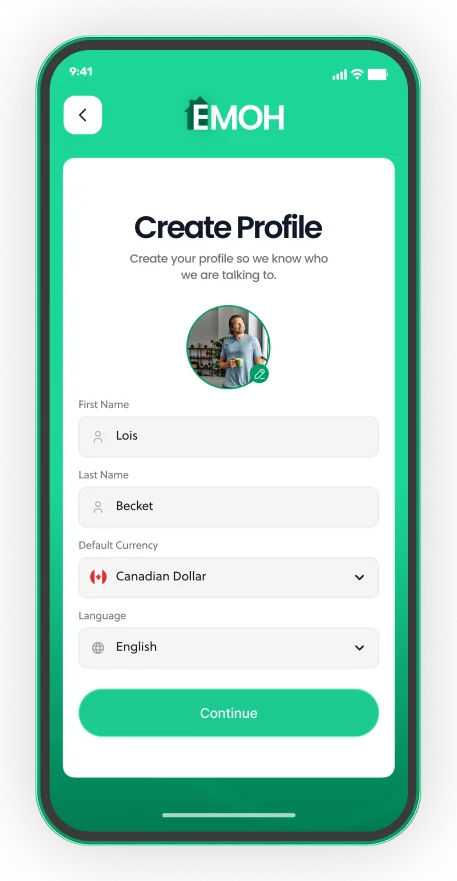
Your home currency, any spending currency
- 148 currencies with automatic conversion
- Record FX markup on card purchases
- Phone and web always in sync


Sample monthly budget for Bangalore
These budgets are illustrative ranges built from typical rents, bills and household costs. They are not an official statistic. The family budget assumes two working adults, two school-age children, one car or two-wheeler and part-time domestic help.
| Category | Single person | Family of four |
|---|---|---|
| Rent | 15,000 to 30,000 (1BHK) | 28,000 to 55,000 (2BHK or 3BHK) |
| Society maintenance | 1,500 to 4,000 | 3,000 to 6,000 |
| Electricity, water and gas | 1,500 to 3,000 | 3,000 to 5,500 |
| Internet and mobile | 1,000 to 1,500 | 1,500 to 2,500 |
| Groceries | 5,000 to 8,000 | 12,000 to 18,000 |
| Eating out and delivery | 4,000 to 8,000 | 5,000 to 10,000 |
| Transport | 1,500 to 5,000 | 8,000 to 15,000 |
| School fees and transport | None | 12,000 to 40,000 |
| Domestic help | 2,000 to 5,000 | 6,000 to 12,000 |
| Health insurance | 1,000 to 2,000 | 2,000 to 4,000 |
| Personal and shopping | 2,000 to 4,000 | 5,000 to 8,000 |
| Savings and SIPs | 8,000 to 15,000 | 15,000 to 30,000 |
| Total | About 42,500 to 85,500 | About 1,00,500 to 2,06,000 |
Figures checked September 2026; confirm current numbers with the Income Tax Department, the Government of Karnataka, BESCOM and your landlord or school.
Budgeting tips for living in Bangalore
- Choose where to live based on your commute, then compare rents within that radius.
- Keep rent under about 30% of in-hand salary so school fees and savings still fit.
- Save for the security deposit and annual school fees in separate funds.
- Track small UPI payments for food delivery and cabs. They are where Bangalore budgets leak most.
- Automate SIPs on salary day so savings happen before spending.
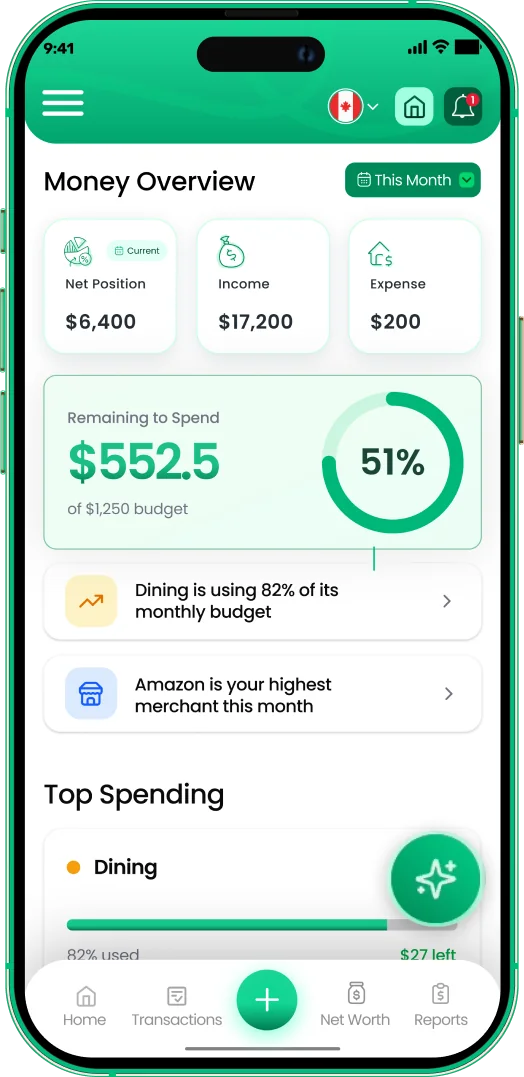
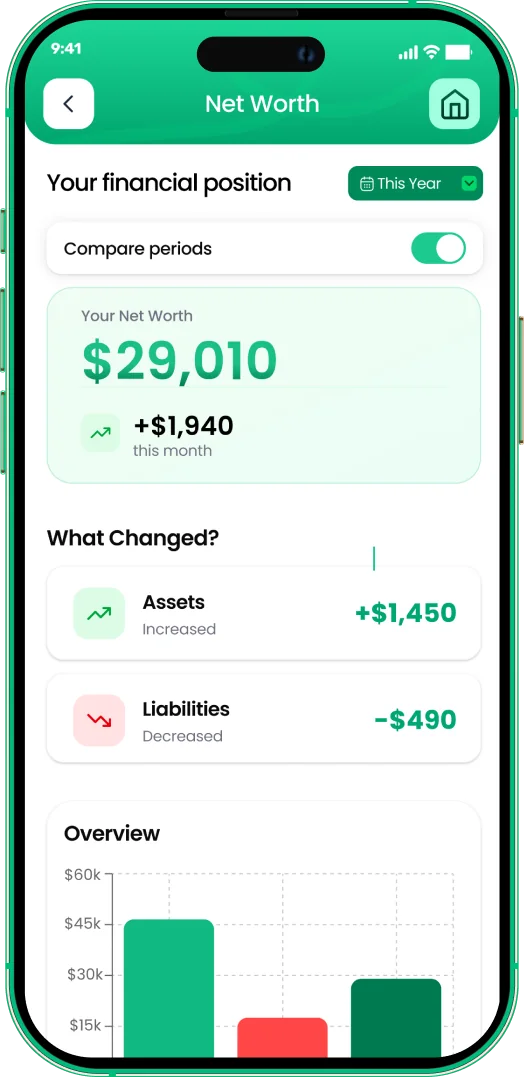
EMOH Pay is free on iPhone, Android and the web and works in rupees. Bank sync is only available for Canadian banks, so in India you add expenses manually or from receipts, and budgets with overspend alerts do the rest. Families abroad sending support can check indicative rates with the USD to INR converter or CAD to INR converter. See our budgeting app for India page and the budgeting worldwide guide.
Every currency in one app
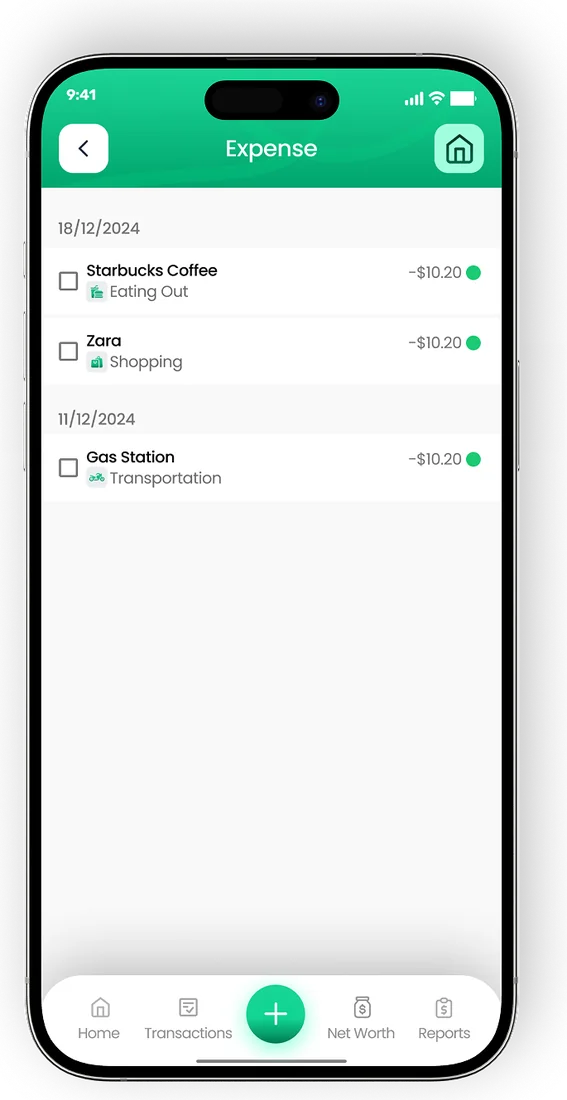

Put the numbers on autopilot
EMOH Pay tracks your spending, budgets and net worth on your phone and in the browser, always in sync. Free to start, made in Canada.
Get started free➜Cost of Living in Bangalore (2026): frequently asked questions
Is Bangalore expensive to live in?
It is one of India's more expensive cities for rent, especially near major tech parks, but food, domestic help and local transport are still affordable. Your area and commute make the biggest difference to your total.
What salary is enough to live comfortably in Bangalore?
A single person can live comfortably and save on an in-hand salary of about ₹60,000 to ₹90,000 a month, depending on rent. A family of four with children in private school usually needs ₹1.5 lakh a month or more in household take-home pay.
How much is a 1BHK in Bangalore?
A 1BHK typically rents for about ₹15,000 to ₹22,000 a month in outer areas and ₹22,000 to ₹30,000 or more in central and prime tech areas, plus maintenance. Deposits are often several months' rent.
Is Bangalore cheaper than Mumbai?
Generally yes, mainly because rent per square foot is lower in most Bangalore neighbourhoods than in comparable parts of Mumbai. Everyday costs such as groceries are broadly similar.
Can EMOH Pay connect to Indian bank accounts?
No. Automatic bank sync is only available for Canadian banks. In India you add expenses manually or from receipts, and the app tracks budgets, savings goals and reports in rupees.
Sources and further reading
Related guides and tools
Free monthly budget planner for India: enter take-home pay and rent or EMI to split your salary into needs, wants and…
Budgeting App for IndiaEMOH Pay works in India: budget in INR plus 147 other currencies, on your phone and the web. Budget in rupees with full…
Budgeting App Worldwide — 148 CurrenciesEMOH Pay works in every country: 148 currencies, phone + web sync, bank connections in CA/US/UK. Free budgeting app made in…
EMI CalculatorFree EMI calculator for home, car and personal loans. Enter amount, interest rate and tenure to see your monthly EMI, total…
USD to INR Converter + Budget PlannerConvert USD to INR, see what fees and exchange margins cost in rupees and plan how much of your US salary to send to India…
CAD to INR Converter + Budget PlannerConvert CAD to INR, see what arrives after transfer fees and plan a monthly budget for sending money to India. Indicative…
Start free today
Free on iPhone, Android and the web. Upgrade to EMOH Pro anytime for bank sync and advanced AI.
Download for iOS➜ Get it on Android➜