
How to Budget in Dubai as an Expat
A tax-free salary goes further only with a plan. This step-by-step budget planner for Dubai covers yearly rent cheques, school fees, money sent home and how to save in two currencies at once.
Get started free➜ Download the app➜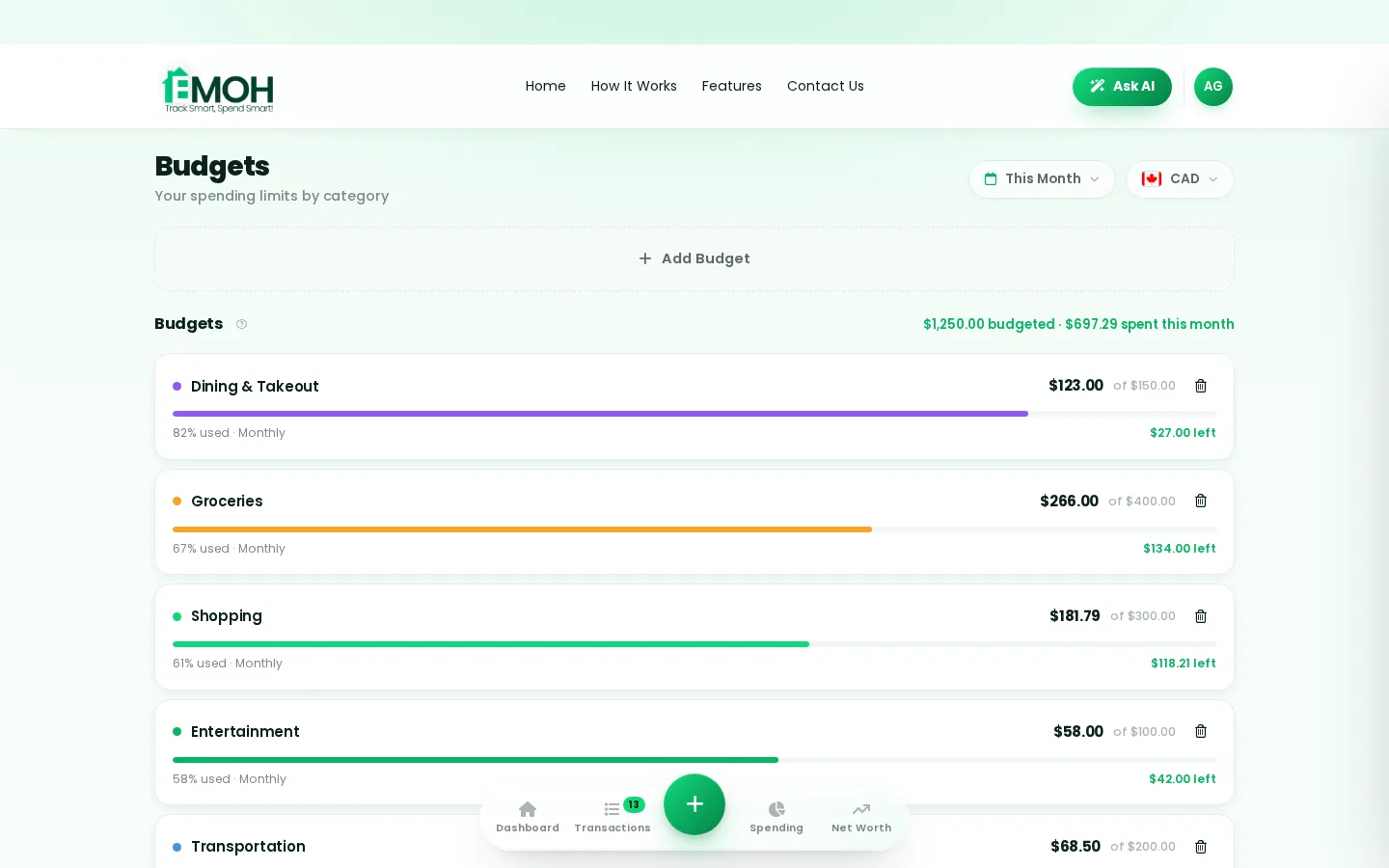
How do expats budget in Dubai?
Expats budget in Dubai by planning in dirhams first: set aside savings and money sent home on payday, then divide yearly costs such as rent cheques, school fees and flights by 12 and save that amount monthly. What remains covers everyday spending. Tracking dirham spending alongside home-currency goals keeps both sides of life on target.
A good budget planner for Dubai starts from the fact that many big costs arrive once or twice a year, not monthly. Rent is paid by cheque, school fees are paid by term and flights home cluster around holidays. Expats who budget well turn those lumps into monthly amounts and set them aside, so a cheque never becomes a crisis.
The second difference is currency. Most expats earn in dirhams but have goals at home: family support, a house, a pension or a return one day. Your budget needs to show both the dirham reality and the home-currency goal.
For what things actually cost, see our cost of living in Dubai guide. This page is about the method.
A step-by-step budget planner for Dubai
- Write down your monthly take-home pay in AED. With no income tax, this is usually your contract package, but include only guaranteed pay, not bonuses.
- Decide your fixed priorities first: savings and any money sent home. A common starting point is 15% to 30% combined, adjusted once you have tracked a month.
- List every yearly or termly cost, divide each by 12 and treat the result as a monthly bill.
- Add your monthly essentials: DEWA and the 5% housing fee, internet, phone, groceries and transport.
- Give what is left to flexible spending such as dining out, shopping and weekends away.
- Review after one full month of tracking and move money between categories until the plan matches reality.
If your salary is still to be negotiated, our guide to average salary in Dubai explains basic pay, allowances and gratuity.
Planning for rent cheques, school fees and other yearly costs
Yearly costs are where most Dubai budgets break. The table below shows an illustrative household turning its big annual bills into monthly set-asides. These are example amounts, not typical or official figures.
| Yearly cost | Amount per year | How it is paid | Set aside monthly |
|---|---|---|---|
| Rent | 90,000 | 2 cheques of 45,000 | 7,500 |
| School fees (one child) | 50,000 | 3 terms | 4,167 |
| Flights home (family of four) | 8,000 | Once a year | 667 |
| Car insurance and registration | 3,500 | Once a year | 292 |
| Festivals and gifts | 3,000 | Several times a year | 250 |
Keep these set-asides in a separate account or labelled savings goal so they are not spent by accident. Our guide to sinking funds explains the method in detail. Moving to more cheques can also smooth rent, sometimes at a slightly higher price.
Budgeting in AED and your home currency
The dirham is pegged to the US dollar at 3.6725, so its value against your home currency moves with the dollar. If your goals are in rupees, pesos or pounds, a transfer can buy more in one month than the next.
A simple approach is to fix your home-currency goal, such as a monthly amount for family, and let the dirham figure move a little. Keep a small buffer so a weaker rate does not squeeze your UAE essentials. Our AED to INR converter and AED to PKR converter show how fees and exchange margins change what arrives.
The multi-currency budgeting guide goes deeper on tracking money across currencies.
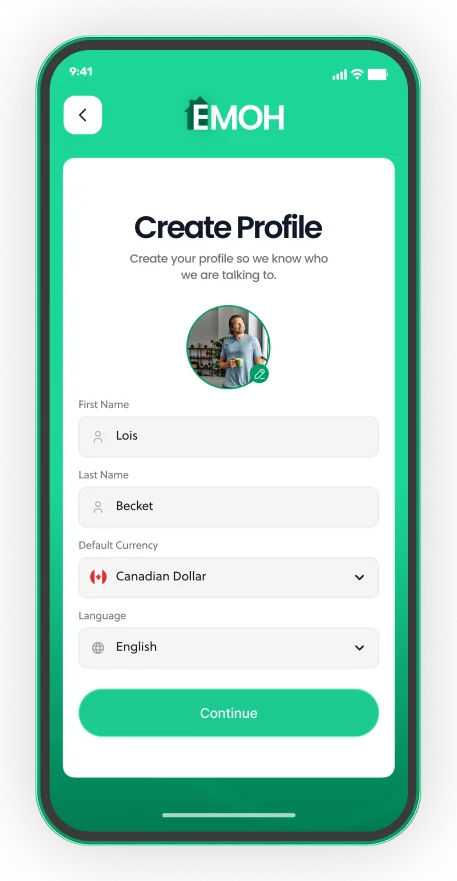
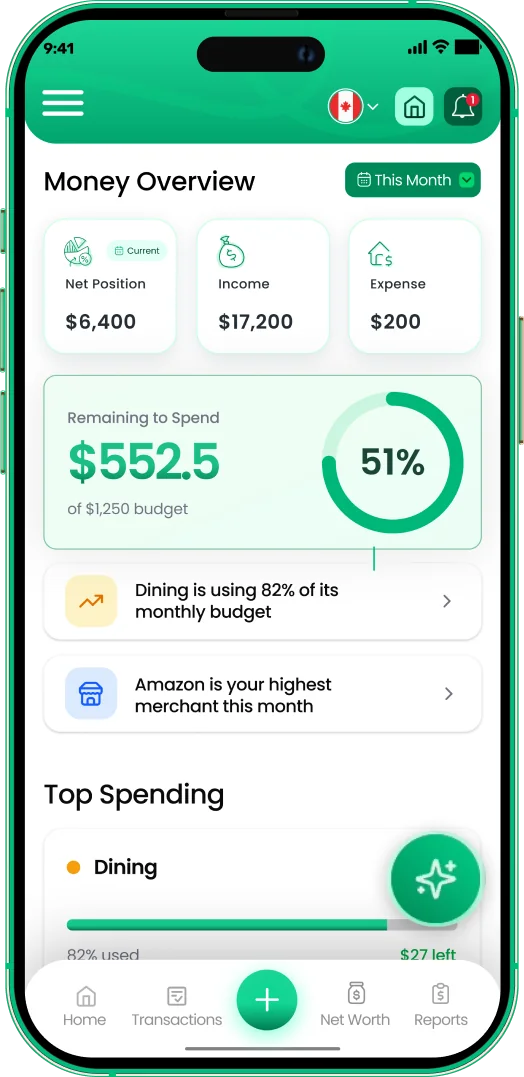
EMOH Pay is free on iPhone, Android and the web and converts across 148 currencies automatically, so dirham spending, money sent home and savings goals in another currency sit in one budget. In the UAE you add transactions manually or scan receipts. See our budgeting app for the UAE page, or how EMOH Pay works as a budgeting app worldwide.
Your home currency, any spending currency
- 148 currencies with automatic conversion
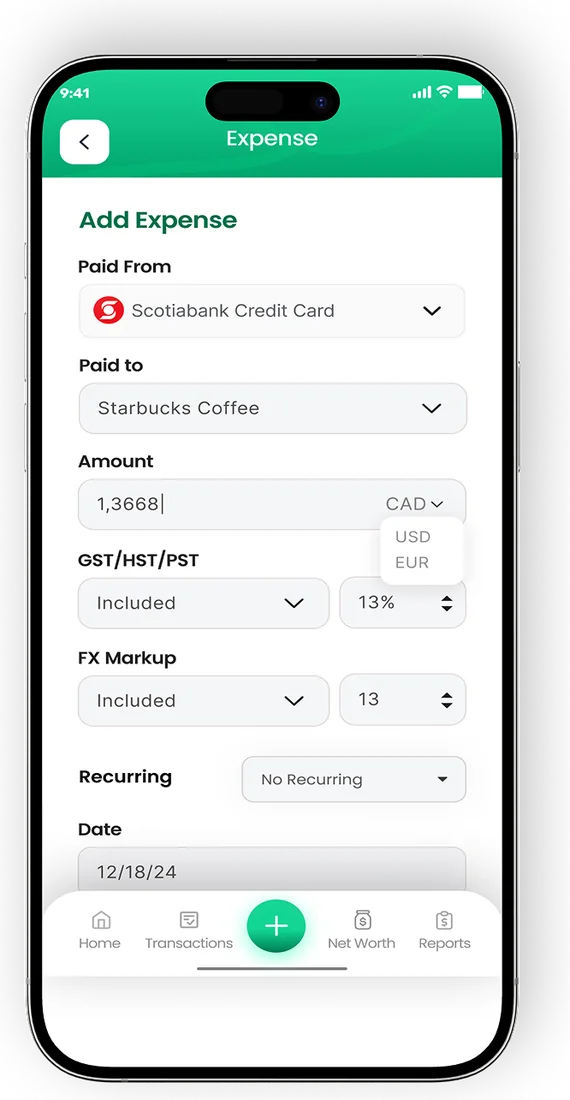
- Record FX markup on card purchases
- Phone and web always in sync


Sample budget split on an AED 20,000 salary
This example assumes a couple without children living on one AED 20,000 monthly salary in a two-bedroom apartment. It is an illustration of structure, not an official figure.
| Category | AED per month | Share |
|---|---|---|
| Rent and 5% housing fee | 7,400 | 37% |
| DEWA, cooling, internet and phones | 1,100 | 5.5% |
| Groceries | 1,600 | 8% |
| Transport, fuel and Salik | 1,300 | 6.5% |
| Eating out and entertainment | 1,200 | 6% |
| Personal and household | 800 | 4% |
| Money sent home | 2,500 | 12.5% |
| Savings and investments | 3,000 | 15% |
| Yearly costs fund | 1,100 | 5.5% |
How to save money in Dubai
- Pay yourself first. Move savings and remittances out on payday, before lifestyle spending starts.
- Treat pay rises carefully. Put at least half of any raise into savings so a bigger salary does not simply become a bigger apartment.
- Check the total cost of an area. Cheaper rent far from the Metro can cost more once fuel, Salik and parking are added.
- Ask about cooling charges. District cooling bills can add hundreds of dirhams a month in some buildings.
- Plan summer and holidays early. Flights home in peak season cost more, so book and save ahead.
- Build your own safety net. Gratuity is paid only when you leave, and most expats have no state pension, so keep an emergency fund of three to six months' essentials.
Every currency in one app

Put the numbers on autopilot
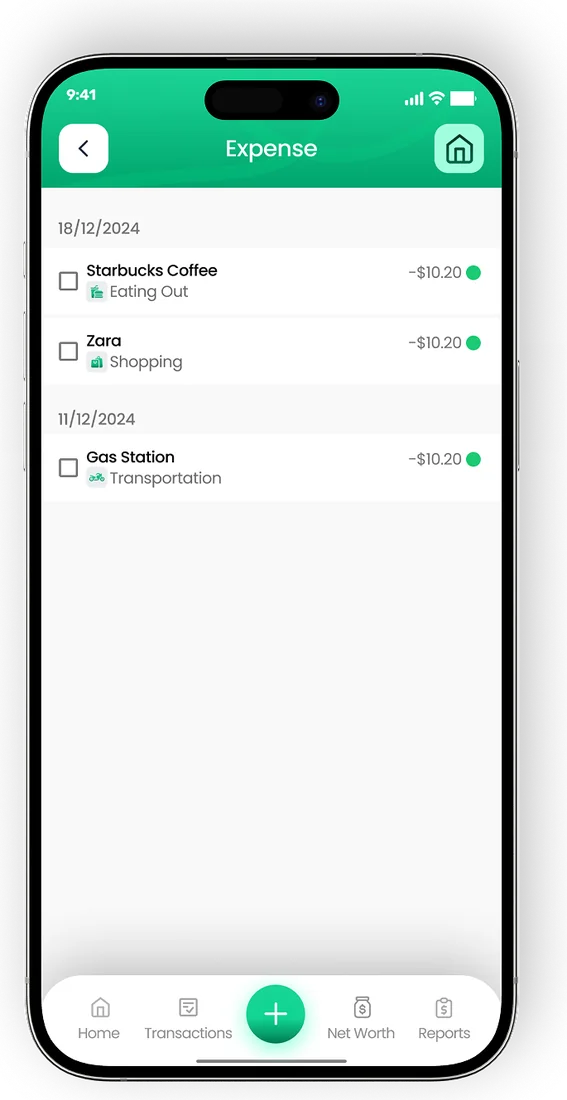
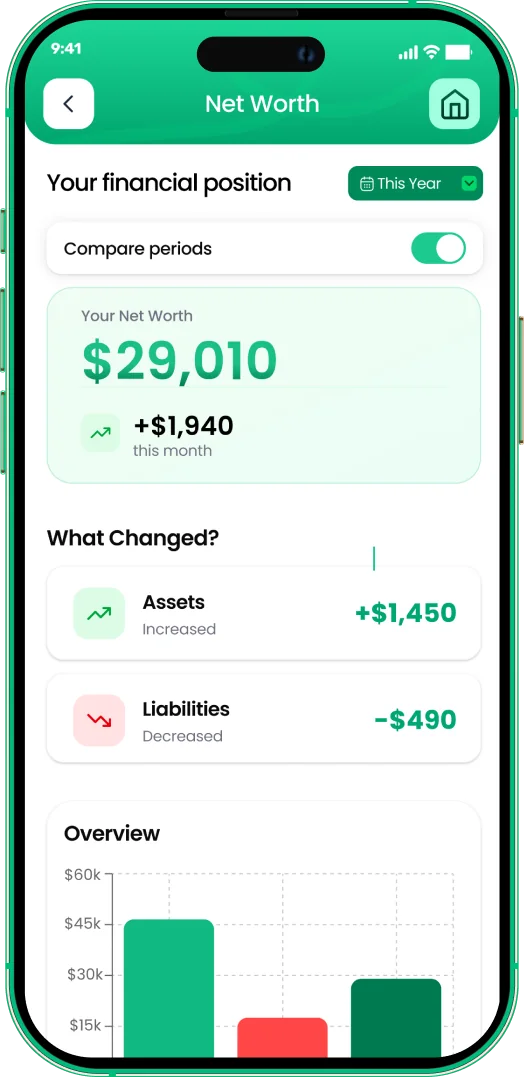
EMOH Pay tracks your spending, budgets and net worth on your phone and in the browser, always in sync. Free to start, made in Canada.
Get started free➜How to Budget in Dubai as an Expat: frequently asked questions
How much should I save from a Dubai salary?
A reasonable target is 15% to 30% of take-home pay in savings and money sent home combined. Start with what you can sustain, then raise it as rent and yearly costs settle.
Should I pay rent in one cheque or several?
One cheque can secure a lower rent but needs a large lump sum. More cheques smooth your cash flow. Either way, save the monthly equivalent so each cheque is covered.
Is gratuity enough to retire on?
No. Gratuity is a lump sum worth a few weeks of basic pay for each year worked. It helps, but most expats need their own savings or investments for retirement.
Can I track spending in both AED and my home currency?
Yes. EMOH Pay supports 148 currencies with automatic conversion, so dirham spending and home-currency goals sit in one budget.
Does EMOH Pay connect to UAE banks?
Not automatically. Automatic bank sync is available for Canadian banks only. In the UAE you add transactions manually or scan receipts, which also keeps every purchase visible as you go.
Sources and further reading
Related guides and tools
EMOH Pay works in UAE / Dubai: budget in AED plus 147 other currencies, on your phone and the web. Perfect for expats: AED…
Budgeting App Worldwide — 148 CurrenciesEMOH Pay works in every country: 148 currencies, phone + web sync, bank connections in CA/US/UK. Free budgeting app made in…
Cost of Living in Dubai (2026)Cost of living in Dubai for 2026: yearly rent and cheques, DEWA bills, school fees, transport and sample monthly budgets for…
Average Salary in DubaiAverage salary in Dubai explained: why there is no single official figure, how packages split into basic pay and allowances…
Sinking Funds: What They Are and How to Use ThemSinking funds turn big irregular costs into small monthly savings. Learn how they work, common sinking fund categories, a…
Expat Money GuideA practical guide to expat finances: tax residency, banking in two countries, currency, emergency funds and a monthly money…
Start free today
Free on iPhone, Android and the web. Upgrade to EMOH Pro anytime for bank sync and advanced AI.
Download for iOS➜ Get it on Android➜