
Average Utility Bill in Ontario
Ontario households spend about $266 a month on electricity, heating fuel and water. Here is how that breaks down, what the Ontario Energy Board's new electricity prices mean for your hydro bill and which price plan suits you.
Get started free➜ Download the app➜
How much are utilities per month in Ontario?
Utilities in Ontario cost the average household about $266 a month for electricity, natural gas and other heating fuel, and water, based on Statistics Canada's 2023 spending survey ($3,193 a year). Electricity averaged about $108, natural gas about $85 and water about $58. Adding internet and cell phone service brings the total to about $484.
The average utility bill in Ontario is about $266 a month per household for electricity, heating fuel and water, according to Statistics Canada's 2023 Survey of Household Spending. That is slightly above the national average of about $242. Ontario households spend less on electricity than most provinces but more than the national average on natural gas, because gas is the main heating fuel.
These averages include renters whose heat or water is included in rent, which pulls the figures down. A homeowner heating a detached house with gas will usually pay more than the average, especially from December to February. For how Ontario compares with other provinces, see our guide to the average utility bill in Canada.
| Utility | Ontario per year | Ontario per month | Canada per month |
|---|---|---|---|
| Electricity | $1,299 | $108 | $125 |
| Natural gas | $1,016 | $85 | $57 |
| Water and sewage | $697 | $58 | $45 |
| Other heating fuel (oil, propane, wood) | $180 | $15 | $15 |
| Total energy and water | $3,193 | $266 | $242 |
| Internet | $1,046 | $87 | $87 |
| Cell phone service | $1,574 | $131 | $125 |
Internet and phone are not always counted as utilities, but most budgets treat them as fixed monthly bills. Our guides to the average internet bill and the average phone bill cover them in detail.
Figures checked October 2026; confirm current prices with the Ontario Energy Board and your local utility.
What is the average hydro bill in Ontario?
The average hydro bill in Ontario for a typical residential customer using 700 kWh a month is roughly $146 before the Ontario Electricity Rebate, which the Ontario Energy Board says takes about $23 a month off that bill from November 1, 2026. Your total depends on your usage and your local distributor's delivery charges.
Here is the arithmetic. The rebate is 15.7% of the bill, so a $23 rebate implies a bill of about $23 ÷ 0.157 = $146 before the rebate, or about $123 after it. The rebate fell from 23.5% because the OEB's regulated prices went down.
Statistics Canada's household average is lower, about $108 a month in 2023, because it includes tenants whose electricity is part of their rent and smaller homes that use less than 700 kWh.
Ontario electricity rates from November 1, 2026
Ontario electricity rates under the Regulated Price Plan dropped on November 1, 2026. Time-of-use prices are now 9.1¢, 14.6¢ and 18.9¢ per kWh for off-peak, mid-peak and on-peak, down from 9.8¢, 15.7¢ and 20.3¢. Most households can choose time-of-use, ultra-low overnight or tiered pricing.
| Plan and period | Hours | Price per kWh |
|---|---|---|
| Time-of-use: off-peak | Weekdays 7 p.m. to 7 a.m., weekends and holidays | 9.1¢ |
| Time-of-use: mid-peak | Weekdays 11 a.m. to 5 p.m. | 14.6¢ |
| Time-of-use: on-peak | Weekdays 7 a.m. to 11 a.m. and 5 p.m. to 7 p.m. | 18.9¢ |
| Ultra-low overnight | Every day 11 p.m. to 7 a.m. | 3.7¢ |
| Ultra-low: weekend off-peak | Weekends and holidays 7 a.m. to 11 p.m. | 9.1¢ |
| Ultra-low: mid-peak | Weekdays 7 a.m. to 4 p.m. and 9 p.m. to 11 p.m. | 14.6¢ |
| Ultra-low: on-peak | Weekdays 4 p.m. to 9 p.m. | 37.7¢ |
| Tiered: tier 1 | First 1,000 kWh a month in winter (residential) | 11.2¢ |
| Tiered: tier 2 | Use above the tier 1 threshold | 13.2¢ |
The energy charge is only part of the bill. Delivery charges set by your local distributor, such as Toronto Hydro or Hydro One, plus regulatory charges and HST are added before the rebate is taken off. The OEB sets regulated prices each year, with changes taking effect on November 1.
Which Ontario electricity plan is cheapest?
The cheapest Ontario electricity plan depends on when you use power. Tiered pricing often suits households that cannot shift usage, time-of-use suits most others, and ultra-low overnight pays off for heavy overnight users such as electric vehicle owners. The worked example compares energy charges for 700 kWh in a winter month.
| Plan | 700 kWh home | Plus 300 kWh overnight EV charging |
|---|---|---|
| Tiered | 700 × 11.2¢ = $78.40 | $78.40 + 300 × 11.2¢ = $112.00 |
| Time-of-use (450 off, 125 mid, 125 on-peak) | $40.95 + $18.25 + $23.63 = $82.83 | $82.83 + 300 × 9.1¢ = $110.13 |
| Ultra-low overnight (280 overnight, 175 weekend, 140 mid, 105 on-peak) | $10.36 + $15.93 + $20.44 + $39.59 = $86.32 | $86.32 + 300 × 3.7¢ = $97.42 |
Without the car, tiered pricing is cheapest in this example because nothing goes above the 1,000 kWh winter threshold. With overnight EV charging, ultra-low overnight saves about $13 to $15 a month. The ultra-low plan's 37.7¢ on-peak price makes it costly if you run heavy appliances between 4 p.m. and 9 p.m. on weekdays. Check your own hourly usage in your utility's online account before you switch.
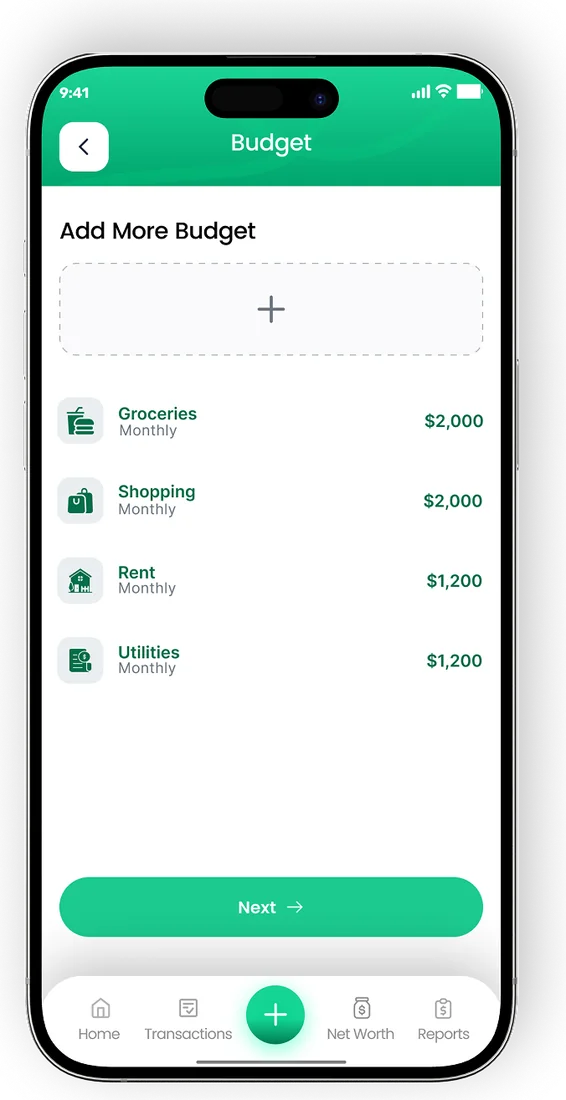
Budgets that update themselves
- Set monthly limits for every category
- See what is left to spend in real time
- Get a nudge before a category runs out


Natural gas and water bills in Ontario
Natural gas is Ontario's biggest heating cost after electricity for most homeowners, averaging about $85 a month per household in 2023. Enbridge Gas serves most of the province, and its rates are approved by the Ontario Energy Board, with the gas supply price usually reviewed every quarter. Bills peak in winter, so equal monthly billing can smooth them out.
Water and sewage averaged about $58 a month per Ontario household. Your city or town sets water rates, and many bill homeowners every two or three months rather than monthly. Most apartment renters pay nothing directly because water is included in rent; check your lease.
Apartment vs house: budgeting for Ontario utilities
An apartment renter in Ontario often pays only electricity and internet, while a homeowner pays electricity, gas, water and sometimes a hot water tank rental. Before you sign a lease, ask which utilities are included, whether the unit has electric baseboard heat and what the previous winter's bills were.
- Add up last year's bills for each utility and divide by 12 to find your monthly average.
- Set that amount aside every month so summer surpluses cover winter bills.
- Ask your gas and electricity providers about equal monthly billing.
- Move laundry, dishwashing and EV charging to off-peak hours, and review your price plan once a year.
- If money is tight, ask about the Ontario Electricity Support Program and your utility's payment arrangements. Utilities cannot disconnect residential customers for non-payment from November 15, 2026 to April 30, 2027.
The Ontario Trillium Benefit includes an energy and property tax credit for eligible residents; see our Ontario Trillium Benefit payment dates guide. For the province's other costs, read budgeting in Ontario and budgeting in Toronto. EMOH Pay's bill tracking reminds you before each utility bill is due, and a utilities budget with overspend alerts shows when a cold month is pushing you over. It is free on iPhone, Android and the web.
Plan your month in EMOH Pay
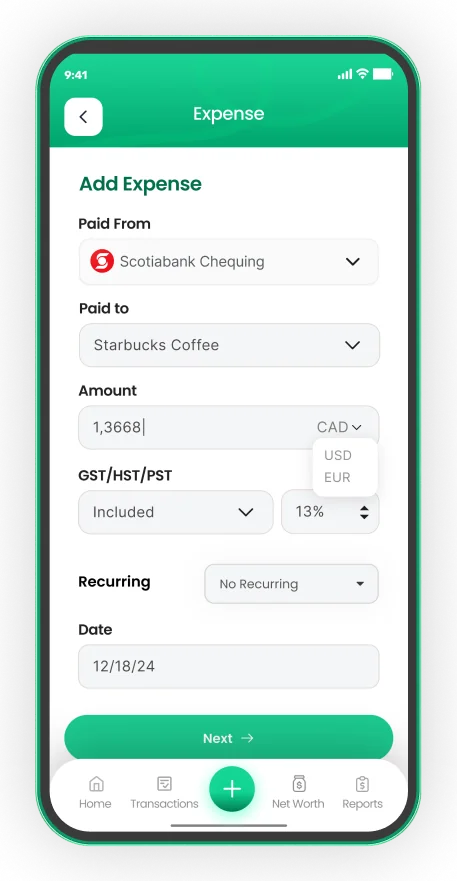
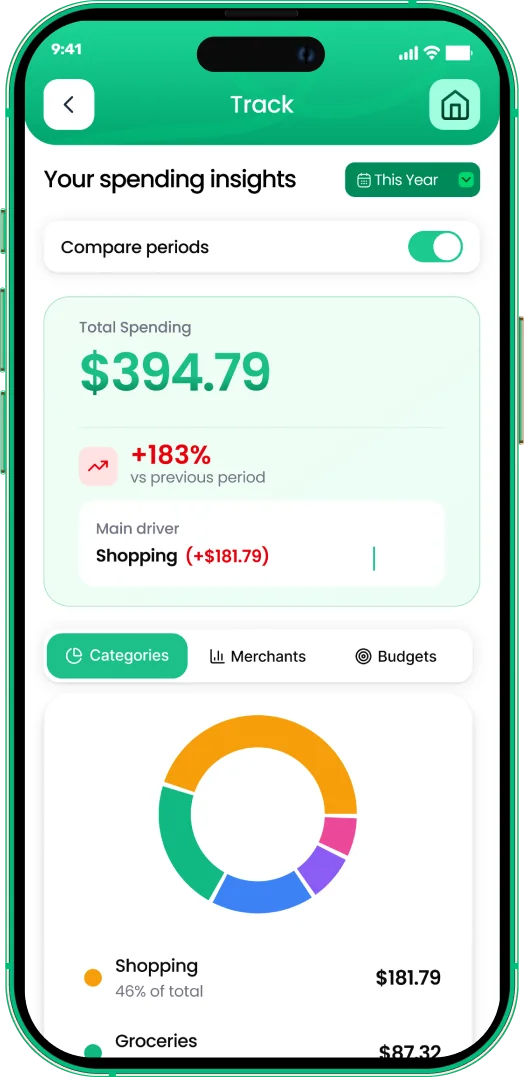
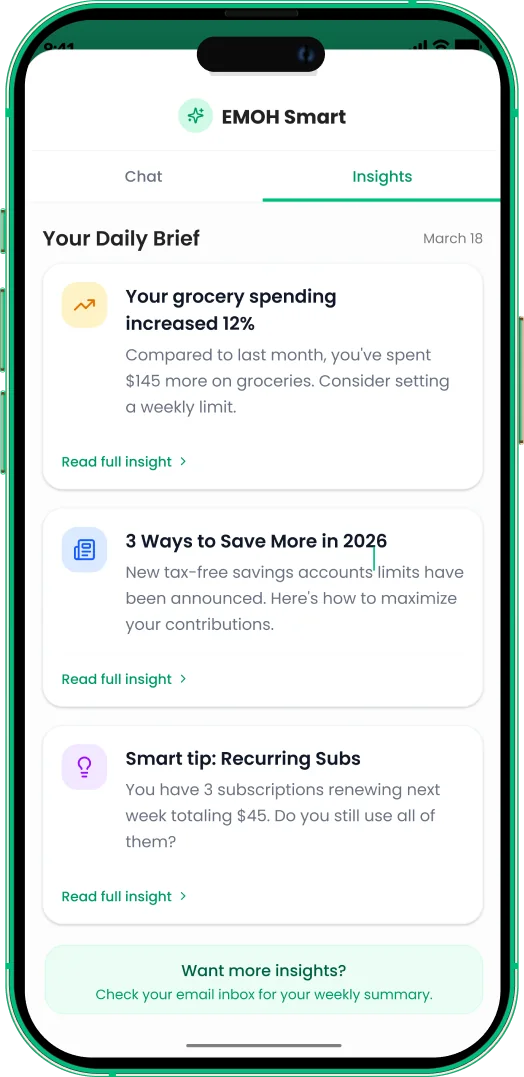

Put the numbers on autopilot
EMOH Pay tracks your spending, budgets and net worth on your phone and in the browser, always in sync. Free to start, made in Canada.
Get started free➜Average Utility Bill in Ontario: frequently asked questions
How much is hydro per month in Ontario?
A typical customer using 700 kWh a month pays roughly $146 before the Ontario Electricity Rebate and about $123 after it, based on the OEB's estimate that the rebate saves about $23 a month from November 1, 2026. Delivery charges vary by distributor.
What are Ontario's time-of-use electricity rates?
From November 1, 2026: 9.1¢ per kWh off-peak, 14.6¢ mid-peak and 18.9¢ on-peak. Ultra-low overnight pricing charges 3.7¢ from 11 p.m. to 7 a.m. and 37.7¢ on weekday afternoons from 4 p.m. to 9 p.m.
How much is the gas bill in Ontario?
Ontario households averaged about $85 a month on natural gas in 2023, according to Statistics Canada. Homes heated by gas pay much more in winter than in summer, so equal billing can help.
Are utilities included in rent in Ontario?
Sometimes. Many older apartment buildings include heat and water, while newer buildings and houses often bill tenants for electricity or all utilities. Your lease should state which utilities are included.
Can my utility disconnect me in winter in Ontario?
No, not for non-payment of a residential account between November 15, 2026 and April 30, 2027. The ban covers electricity and natural gas utilities. You still owe the balance, so ask about a payment arrangement.
Related guides and tools
Average utility bill in Canada: typical monthly costs for electricity, heat, water and internet, why bills differ by…
Budgeting in Ontario 2026: $2,000+ Rent, 13% HSTOntario in 2026: one-bedroom rent around $2,000+, a $17.20/hr minimum wage and 13% HST. Aim to keep housing at or below 35%…
Cost of Living in Toronto 2026: $2,400+ RentToronto in 2026: a one-bedroom rents around $2,400+ a month, Canada's priciest market with Vancouver. Sales tax is 13% HST…
Average Internet Bill in CanadaAverage internet bill in Canada from Statistics Canada and CRTC data: what households pay per month, how provinces compare…
Ontario Trillium Benefit Payment Dates (2026)Ontario Trillium Benefit payment dates for 2026, how the monthly 10th-of-the-month rule works, who gets a lump sum and what…
Average Monthly Expenses in CanadaAverage monthly expenses in Canada from Statistics Canada data: what singles, couples and families spend each month, by…
Start free today
Free on iPhone, Android and the web. Upgrade to EMOH Pro anytime for advanced AI and unlimited family sharing.
Download for iOS➜ Get it on Android➜