
Average Car Insurance Cost in Canada
Canadian households spend about $130 a month on vehicle insurance and registration. Here is how that differs by province, why public and private systems cost different amounts and how to budget for your own premium.
Get started free➜ Download the app➜
How much is car insurance in Canada?
Canadian households spent about $1,570 a year on vehicle insurance premiums and registration in 2023, roughly $130 a month, according to Statistics Canada. That average includes households without a car, so one insured vehicle often costs more. Alberta households spent the most, about $172 a month, and Quebec households the least, about $91.
The average car insurance cost in Canada is about $130 a month per household once registration is included, based on Statistics Canada's 2023 Survey of Household Spending. Premiums alone averaged $1,123 a year nationally, and registration fees $448. In British Columbia, Saskatchewan and Manitoba, insurance is bought with registration, so Statistics Canada reports the two together.
These are averages across all households, including people who do not own a car and families with two or three vehicles. If you insure one car, your premium could be well above or below the average, depending on where you live, your driving record and the coverage you choose.
Insurance is only one part of driving. For depreciation, fuel, maintenance and parking as well, see the full cost of owning a car.
Car insurance cost by province
Car insurance costs the most in Alberta, where households spent about $2,060 a year on insurance and registration in 2023, and the least in Quebec, at about $1,090. Ontario, British Columbia and Saskatchewan sit close together at about $1,700. The table shows each province's household average.
| Province | How basic insurance is sold | Per year | Per month |
|---|---|---|---|
| Alberta | Private insurers | $2,062 | $172 |
| Saskatchewan | Public (SGI) with registration | $1,725 | $144 |
| Ontario | Private insurers | $1,703 | $142 |
| British Columbia | Public (ICBC) with registration | $1,697 | $141 |
| Manitoba | Public (MPI) with registration | $1,630 | $136 |
| Newfoundland and Labrador | Private insurers | $1,448 | $121 |
| New Brunswick | Private insurers | $1,428 | $119 |
| Nova Scotia | Private insurers | $1,372 | $114 |
| Prince Edward Island | Private insurers | $1,355 | $113 |
| Quebec | Public injury cover (SAAQ) plus private | $1,092 | $91 |
| Canada | $1,571 | $131 |
Because these are household averages, provinces where more households own several vehicles, or drive longer distances, show higher numbers. Use the table to compare provinces, not to predict a single quote.
Figures checked October 2026; confirm current numbers with Statistics Canada and your provincial insurer or regulator.
Public vs private car insurance provinces
Four provinces have a public insurer for some or all mandatory coverage. British Columbia (ICBC), Saskatchewan (SGI) and Manitoba (MPI) sell basic coverage through a government insurer when you register a vehicle. Quebec's SAAQ covers bodily injury for everyone, while private insurers sell the required property damage liability coverage.
- British Columbia. ICBC sells Basic insurance, and you can buy optional coverage from ICBC or a private insurer. The province says the average customer saved $496, about 28%, after its Enhanced Care model began, and that basic rates will not rise through spring 2027.
- Saskatchewan and Manitoba. Basic coverage comes from SGI or MPI with your registration. Rate changes are reviewed by provincial bodies, such as Manitoba's Public Utilities Board.
- Quebec. The SAAQ's public plan pays injury compensation regardless of fault. You buy liability coverage for property damage from a private insurer.
- Ontario, Alberta and Atlantic Canada. Private insurers sell all coverage, under rules and rate approvals set by each province's regulator.
Alberta is changing its system. Its Care-First model starts January 1, 2027, with more injury benefits delivered through private insurers. In 2026, rate increases for qualifying good drivers are capped at 7.5%, and the province says insurers will not be able to raise average rates by more than 5% in 2027. Our guide to budgeting in Alberta covers the province's other costs.
Average auto insurance in Ontario
Ontario households spent an average of $1,643 a year on vehicle insurance premiums in 2023, about $137 a month. Among provinces where premiums are reported separately from registration, only Alberta was higher. Every Ontario vehicle must carry at least $200,000 of third-party liability coverage, and the province's regulator, FSRA, suggests considering $1 million or $2 million.
Ontario changed its standard policy on July 1, 2026. For new policies bought from that date, only medical, rehabilitation and attendant care accident benefits are mandatory. Benefits such as income replacement, caregiver and housekeeping coverage became optional, so a lower quote may simply mean less coverage. Existing policies renew with the same coverage unless you agree in writing to change it.
Premiums also vary within the province, because private insurers rate by location as well as driver and vehicle. See budgeting in Ontario for other provincial costs.
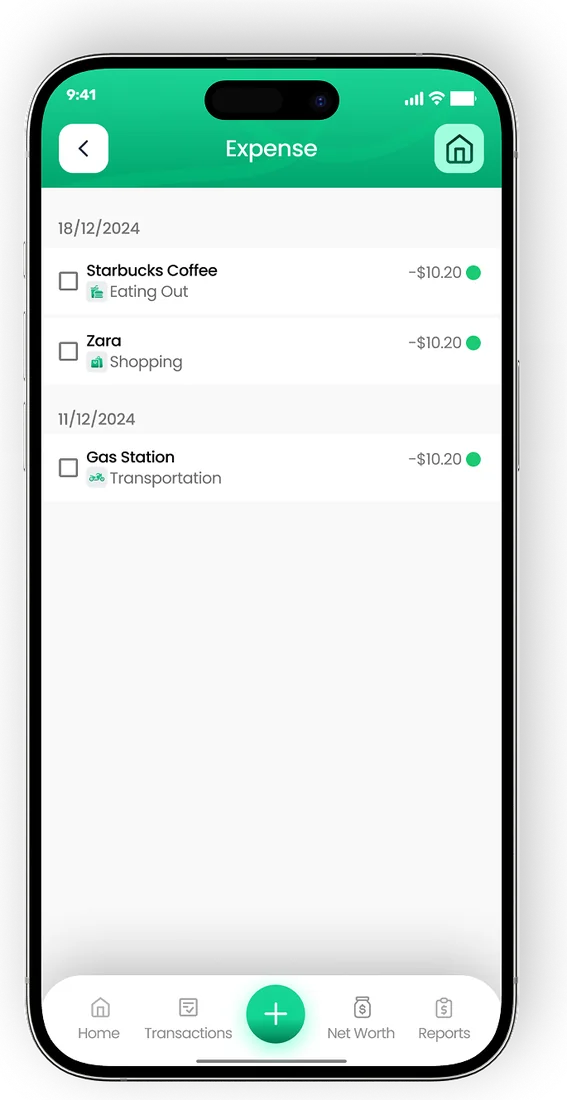
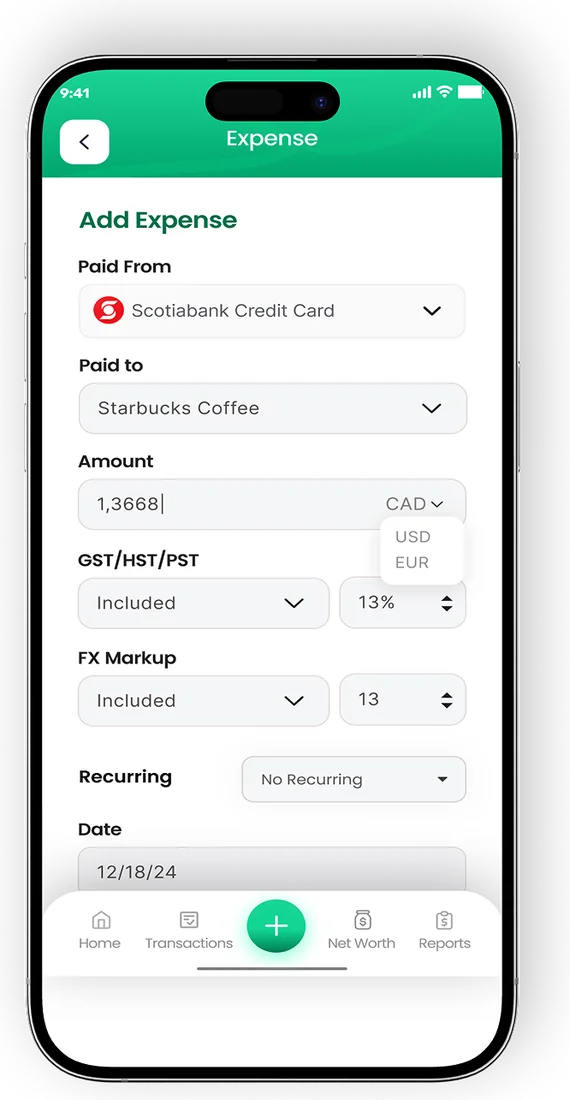
Log a purchase in two taps
- Smart categories sort every transaction
- Tag who spent what in a shared household
- Export PDF or Excel reports any month


What affects how much you pay for car insurance?
Your premium depends mainly on where you live, your driving record, the vehicle and the coverage you choose. Insurers and public plans weigh these differently, but the same factors appear almost everywhere in Canada.
- Location. Postal code matters in private provinces because claims, theft and collision rates differ by area.
- Driving record and experience. At-fault claims and convictions raise premiums; new drivers usually pay more.
- Vehicle. Repair costs, theft risk and value all affect collision and comprehensive coverage.
- Use. Commuting distance, business use and annual kilometres can change the rate.
- Coverage and deductibles. Higher liability limits and optional benefits cost more; higher deductibles cost less.
How to budget for car insurance
Budget for car insurance by converting your annual premium into a monthly amount and setting aside your deductible separately. Monthly payment plans are convenient, but some insurers add a fee, so compare the annual and monthly totals before choosing.
- Get your renewal or quote and note the annual premium.
- Divide by 12. A $2,280 premium is $2,280 ÷ 12 = $190 a month.
- Save toward your collision deductible. A $1,000 deductible saved over a year is $1,000 ÷ 12 = about $83 a month.
- Add both to your transportation budget: $190 + $83 = $273 a month in the first year, then $190 once the deductible fund is built.
- Shop around or review coverage 30 to 60 days before each renewal.
If you are buying a car, include insurance before you settle on a price. Our car loan calculator for Canada shows the payment, and financing vs leasing a car in Canada explains how each affects your costs. EMOH Pay's bill tracking reminds you before each insurance payment, and its budgets show your full monthly cost of driving.
Track every dollar
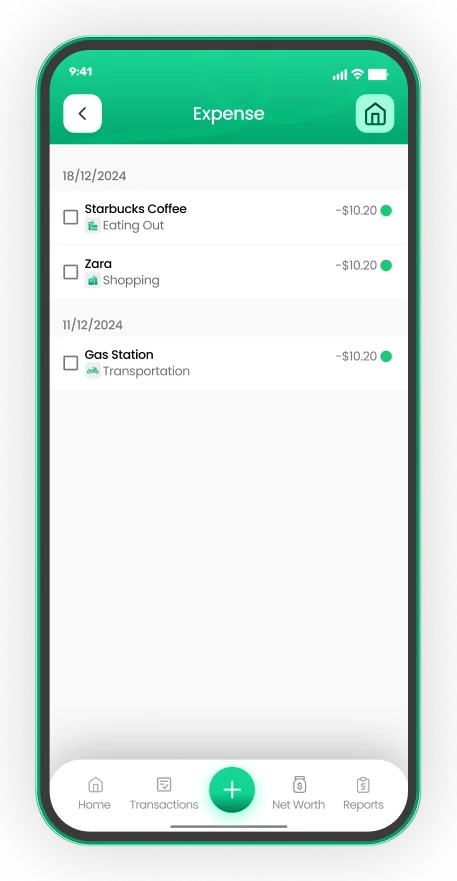

Put the numbers on autopilot
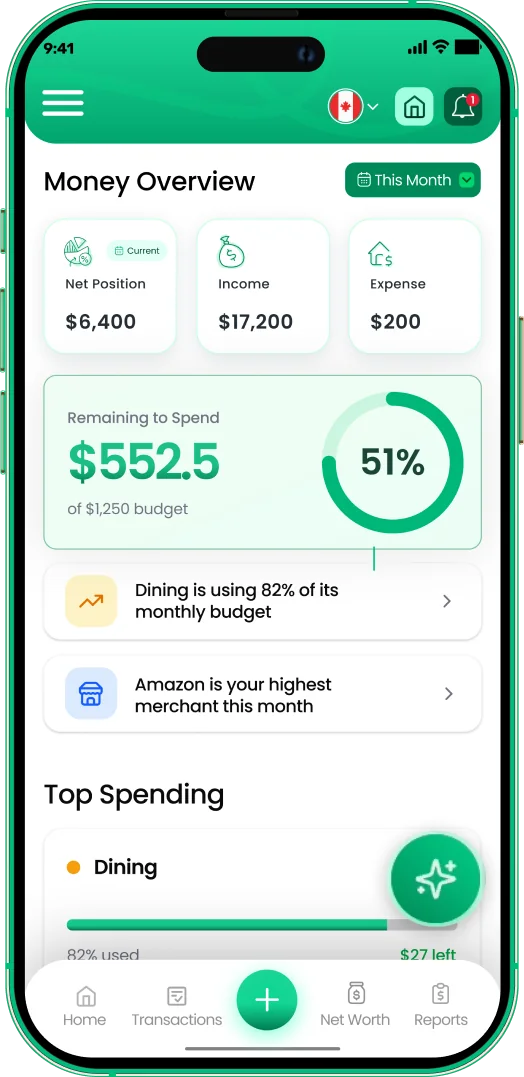
EMOH Pay tracks your spending, budgets and net worth on your phone and in the browser, always in sync. Free to start, made in Canada.
Get started free➜Average Car Insurance Cost in Canada: frequently asked questions
What is the average car insurance cost per month in Canada?
About $131 a month per household for insurance and registration combined in 2023, according to Statistics Canada. Premiums alone averaged about $94 a month nationally. Your own cost depends on your province, record and coverage.
Which province has the most expensive car insurance?
Alberta households spent the most on vehicle insurance and registration in 2023, about $2,060 a year. Among provinces that report premiums separately, Ontario came next, at about $1,640 a year in premiums alone.
Which province has the cheapest car insurance?
Quebec households spent the least, about $1,090 a year on private premiums and registration in 2023. The SAAQ's public plan covers bodily injury, so private policies there mainly cover property damage and vehicle coverage.
Is car insurance mandatory in Canada?
Yes. Every province requires third-party liability insurance on registered vehicles. In Ontario the minimum is $200,000, and many drivers buy $1 million or $2 million for more protection.
Why did my Ontario quote change after July 2026?
From July 1, 2026, most accident benefits became optional on new Ontario policies. Only medical, rehabilitation and attendant care benefits remain mandatory, so quotes can differ depending on which optional benefits you keep.
How can I lower my car insurance?
Compare quotes at renewal, raise your deductible if you have savings to cover it, bundle home and auto if offered, drop coverage you do not need on an older car and keep a clean driving record.
Related guides and tools
The true cost of owning a car goes far past the payment. See a yearly breakdown of depreciation, insurance, fuel…
Car Loan Calculator CanadaFree car loan calculator for Canada. Add price, sales tax, down payment, rate and term to see your monthly payment, total…
Financing vs Leasing a Car in Canada: Pros, Cons and CostsLeasing brings lower payments, a new car every few years and 16,000 to 24,000 km yearly limits. Financing costs more each…
Car Affordability Calculator: How Much Car Can I Afford?How much car can I afford? Enter your take-home pay, down payment, rate and term to see a comfortable car price that keeps…
Budgeting in Ontario 2026: $2,000+ Rent, 13% HSTOntario in 2026: one-bedroom rent around $2,000+, a $17.20/hr minimum wage and 13% HST. Aim to keep housing at or below 35%…
Average Monthly Expenses in CanadaAverage monthly expenses in Canada from Statistics Canada data: what singles, couples and families spend each month, by…
Start free today
Free on iPhone, Android and the web. Upgrade to EMOH Pro anytime for advanced AI and unlimited family sharing.
Download for iOS➜ Get it on Android➜