
Study Abroad Budget Calculator
Enter tuition, rent, everyday costs and flights to see what a year abroad really costs, what that means per month and a proof-of-funds guide for your visa application.
Use the calculator➜ Try EMOH Pay free➜
How much money do I need to study abroad?
A study abroad budget is tuition plus about 12 months of rent and living costs plus flights. For an international undergraduate in Canada that often totals $55,000 to $70,000 CAD a year, depending on program and city. Visa rules also set minimums: Canada asks for $22,895 in living funds for a single student, plus first-year tuition and travel.
You need enough to cover tuition, a full year of rent and living costs, and travel, plus a buffer. For international undergraduates in Canada, a study abroad budget commonly lands between $55,000 and $70,000 CAD a year. Graduate programs, professional degrees and expensive cities push it higher.
Tuition is usually the largest line. Statistics Canada's tuition survey puts average international undergraduate tuition at roughly $40,000 a year in recent years, with wide differences by program and school. Rent is the second biggest cost and varies more by city than by country.
Visa rules set a floor, not a comfortable budget. Proof-of-funds minimums are what immigration authorities accept as enough to live on; most students spend more once phones, winter clothing and occasional trips home are counted.
How to use the international student budget calculator
- Annual tuition and fees. Use the figure from your offer letter, including compulsory fees such as health insurance or a transit pass if your school bundles them.
- Monthly rent. Use a realistic local figure for the housing you will actually choose, whether residence, a shared apartment or a homestay.
- Monthly food, transit and phone. Groceries, a transit pass and a phone plan are the core. Add personal spending here too.
- Months in the country per year. Keep 12 if you pay rent year-round, which most students do even if they travel home in summer.
- Flights home per year. Include at least one return trip, or the cost of your arrival flight in the first year.
The calculator returns your annual budget, total living costs, the all-in cost per month and a proof-of-funds guide that adds tuition to living costs. Visa rules differ, so check the official minimum for your destination alongside it. To track the plan once you arrive, see our international student budget app.
Study abroad budget example: an international student in Canada
This worked example uses the calculator's own inputs for a student in a mid-sized Canadian city. It is illustrative; your offer letter and local rents will differ.
| Line | Input | Annual cost |
|---|---|---|
| Tuition and fees | $38,000 a year | $38,000 |
| Rent | $1,100 a month × 12 | $13,200 |
| Food, transit and phone | $700 a month × 12 | $8,400 |
| Flights home | One return trip | $1,800 |
| Annual budget | $61,400 | |
| Per month all-in | About $5,117 | |
| Proof-of-funds guide (tuition plus living) | $59,600 |
Canada's study permit rules ask for $22,895 in living funds for a single applicant, plus first-year tuition and travel costs, so this student would need to show at least about $62,700 including the flight. For a detailed breakdown of Canadian student spending, read our student budget for Canada guide and the cost of moving to Canada.
Proof of funds by country
Each country sets its own minimum. The figures below were published by the relevant immigration authority at the time of writing and are updated regularly, so always confirm on the official page before you apply.
| Country | Living funds required | On top of |
|---|---|---|
| Canada | $22,895 CAD a year (applications from 1 September 2025) | First-year tuition and travel |
| United Kingdom | £1,483 a month in London or £1,136 elsewhere, for up to 9 months | Unpaid first-year fees |
| Australia | A$29,710 a year | Tuition and travel |
| United States | Set by each school on the Form I-20 | Tuition is included in the school's estimate |
Figures checked September 2026. Confirm current amounts with IRCC, UK Visas and Immigration, the Australian Department of Home Affairs or your US school.
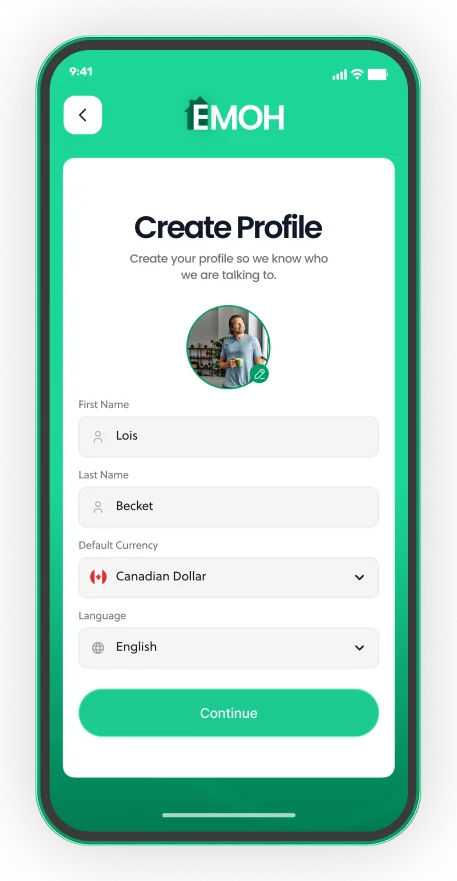
Your home currency, any spending currency
- 148 currencies with automatic conversion
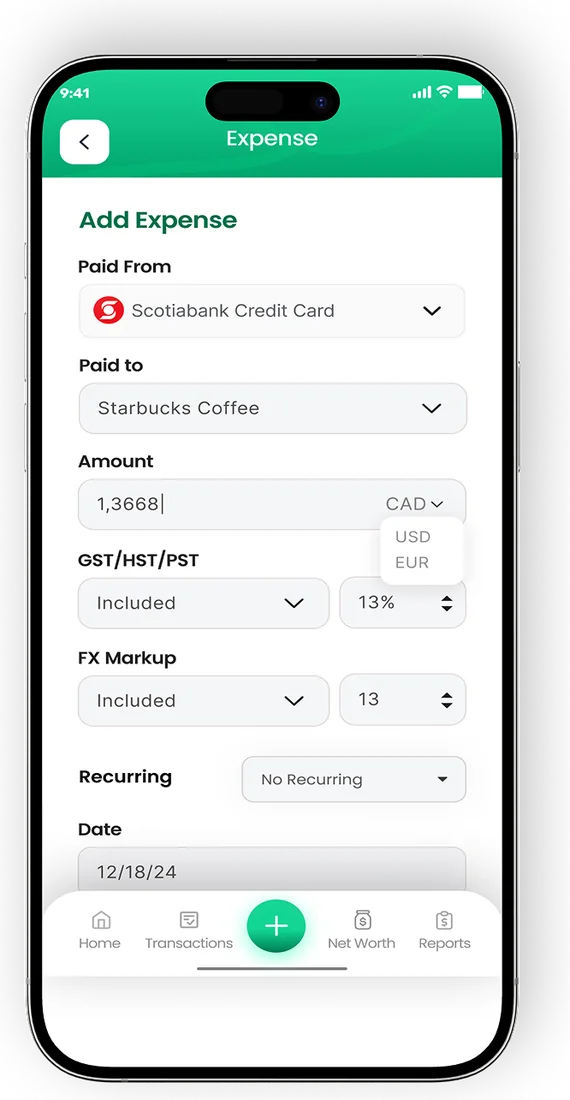
- Record FX markup on card purchases
- Phone and web always in sync


Ways to lower the cost of studying abroad
- Share housing. A room in a shared apartment is usually far cheaper than a studio or a private residence room.
- Work within the rules. At the time of writing, Canada allows eligible students to work up to 24 hours a week off campus during academic sessions, the UK typically 20 hours a week in term for degree students, and Australia 48 hours a fortnight. Do not plan tuition around job income you have not secured.
- Apply for scholarships early. University entrance awards and government scholarships often close months before the program starts.
- Watch transfer costs. Money from home loses value to fees and exchange margins. Our currency converter shows the before-and-after amounts.
- Cut everyday costs. Our guide to how to save money as a student in Canada covers groceries, phones and textbooks.
Tracking your study abroad budget once you arrive
A budget that lives in a spreadsheet at home rarely survives the first month abroad. Track spending as it happens and compare it against the monthly figure from the calculator.
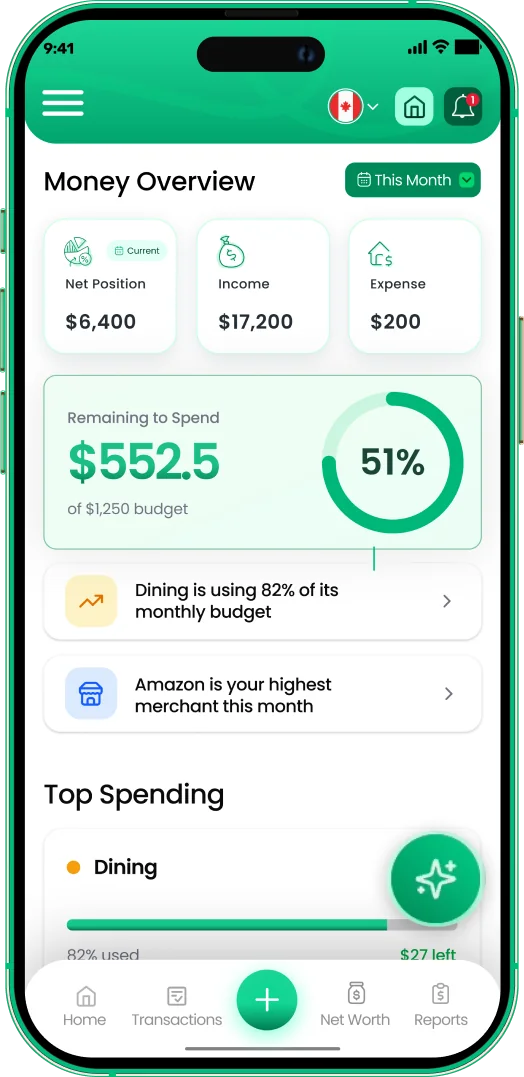
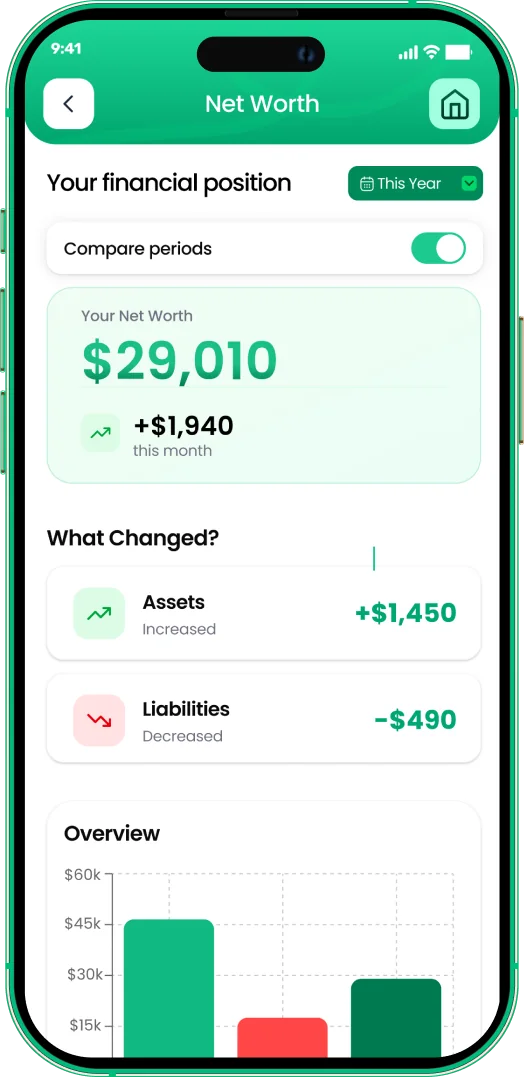
EMOH Pay is free on iPhone, Android and the web. You can set budgets with overspend alerts, keep savings goals for tuition instalments and log money from family in their currency, since the app converts across 148 currencies automatically. Parents can join through family sharing with their own login. See all EMOH Pay features, or the student budgeting app page for student-specific tips.
Every currency in one app
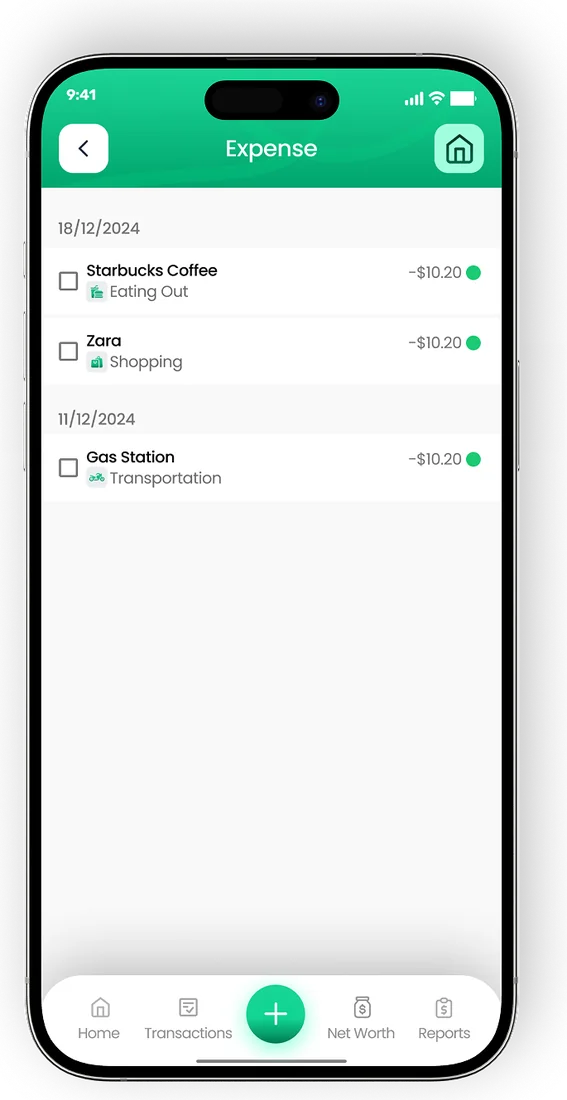

Put the numbers on autopilot
EMOH Pay tracks your spending, budgets and net worth on your phone and in the browser, always in sync. Free to start, made in Canada.
Get started free➜Study Abroad Budget Calculator: frequently asked questions
How much money do I need to study in Canada?
Plan for tuition, often about $40,000 a year for international undergraduates, plus about $1,500 to $2,000 a month for rent and living costs, depending on the city. The study permit requires proof of $22,895 in living funds for a single student, plus first-year tuition and travel.
Is the proof-of-funds amount enough to live on?
It is a minimum, not a comfortable budget. Most students spend more once phones, winter clothing, books and trips home are included.
Should I count part-time work income in my budget?
Only once you have a job. Visa applications generally look at funds you already hold, and work hours are limited during term.
How do I handle money coming from home?
Record transfers in your home currency and in the local currency after fees. Comparing providers on the amount received, not the advertised fee, stretches family support further.
Does the calculator work for any country?
Yes. Enter all amounts in one currency, usually the local currency of the country where you will study, and the totals will be in that currency.
Related guides and tools
Tuition in CAD, support from home in another currency — EMOH Pay handles both, tracks your Canadian spending and keeps the…
Student Budget Canada: A Guide to Financial SuccessNavigating post-secondary life is an exciting journey filled with new experiences, friendships, and learning opportunities.…
Cost of Moving to CanadaThe real cost of moving to Canada in 2026: IRCC fees, proof of funds, flights, rental deposits and a first three months…
The free student budgeting app that makes OSAP last.The free budgeting app for students in Canada: stretch OSAP and part-time pay, track tuition, rent and food, and stop…
How to Save Money As a Student in CanadaStudying in Canada is an exciting experience, but it can also be financially challenging. The major expenses for students…
Currency ConverterQuick conversion between major currencies (indicative 2026 rates — live rates inside the EMOH Pay app, with 148 currencies…
Start free today
Free on iPhone, Android and the web. Upgrade to EMOH Pro anytime for bank sync and advanced AI.
Download for iOS➜ Get it on Android➜