
Debt-to-Income Ratio Calculator
Enter your gross monthly income, housing costs and other debt payments. See your debt-to-income ratio, your housing ratio and whether lenders are likely to see it as healthy.
Use the calculator➜ Try EMOH Pay free➜
What is a good debt-to-income ratio?
A good debt-to-income ratio is 36% or less of gross monthly income going to housing and debt payments combined. In Canada, lenders use two versions: housing costs alone (GDS) should stay under about 39% and all debt payments including housing (TDS) under about 44% for an insured mortgage. Lower ratios leave more room to save.
How the debt to income ratio calculator works
This debt to income ratio calculator adds your monthly housing costs to your other debt payments and divides the total by your gross monthly income, before tax. It also shows your housing ratio on its own, because Canadian mortgage lenders check both numbers.
For a plain-language definition of the term and how it differs from your credit score, see what debt-to-income ratio means. This page focuses on calculating yours and deciding what to do with the result.
- Gross monthly income. Your income before tax and deductions. Divide your annual salary by 12, and add other regular income such as a pension or support payments you can document.
- Rent or mortgage, taxes and heat. Your mortgage principal and interest, property taxes and heating costs. Renters can enter rent to get a rough picture. If you own a condo, lenders usually add half of the condo fees.
- Other monthly debt payments. Car loans, student loans, personal loans, lines of credit and required credit card payments.
- Read the result. You see your total debt-to-income ratio, your housing ratio (GDS) and a quick read on how lenders are likely to view it.
| Item | Monthly amount | Ratio |
|---|---|---|
| Gross monthly income | $6,000 | |
| Housing costs | $1,800 | 30.0% (GDS) |
| Other debt payments | $500 | |
| Total debt payments | $2,300 | 38.3% (DTI) |
What is a good debt-to-income ratio for a mortgage in Canada?
In Canada, lenders look at the gross debt service ratio (GDS) and the total debt service ratio (TDS). For a mortgage insured through CMHC, GDS should be no more than 39% and TDS no more than 44% of gross income. Lenders may set their own, stricter limits, and they calculate the ratios at a qualifying rate that is higher than your actual rate.
That qualifying rate comes from the mortgage stress test: you must qualify at the higher of 5.25% or your contract rate plus two percentage points. A ratio that looks fine at today's rate can fail the test, which is why the mortgage affordability calculator for Canada builds it in.
| Total DTI | What it usually means |
|---|---|
| 36% or less | Healthy. Room to save and to absorb a rate rise or new expense. |
| 37% to 44% | Acceptable to most lenders, but the budget is getting tight. |
| Over 44% | Too high for most lenders. Reduce debt before applying for more credit. |
Front-end vs back-end ratio: GDS and TDS explained
The front-end ratio, called GDS in Canada, counts housing costs only. The back-end ratio, called TDS, counts housing plus every other debt payment. Lenders use GDS to judge whether the home itself is affordable and TDS to judge whether your whole debt load is.
Outside Canada the same idea appears under different names. In the United States, lenders usually talk about front-end and back-end DTI, and a total ratio around 36% or below is widely treated as comfortable. The math is the same everywhere: monthly debt payments divided by gross monthly income.
Watch your debt shrink
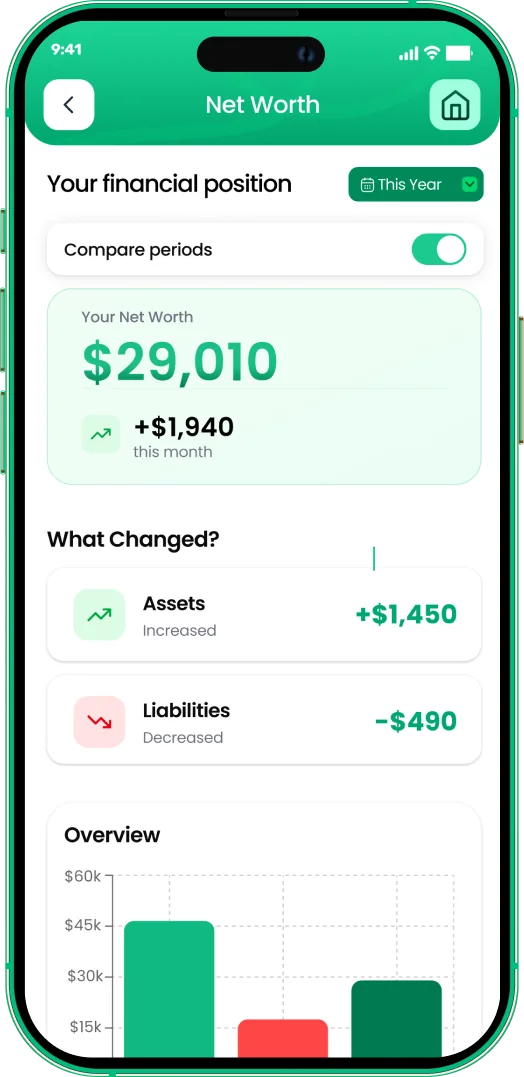
- Track loans, cards and your mortgage as liabilities
- See what changed each month
- Budget an extra payment into every month


How to lower your debt-to-income ratio
There are only two levers: reduce monthly debt payments or increase gross income. Paying off a whole debt usually has a faster effect than paying a little off several, because it removes a payment entirely.
- Clear the smallest payments first if you need a quick drop before a mortgage application. The debt payoff calculator shows how long each balance will take.
- Target high-interest debt if your goal is saving the most money over time. Our guide to the debt snowball vs avalanche compares the two approaches.
- Avoid new credit in the months before you apply for a mortgage or car loan.
- Refinance carefully. A lower rate or longer term can reduce a payment, but a longer term often costs more interest in total.
- Add documented income. A raise, a second job or rental income can help, but lenders usually want a track record.
Whichever approach you choose, recheck your ratio after each debt is cleared. Recording every loan and card payment as a bill in EMOH Pay keeps the total monthly figure current, so you know when you have reached the level you need.
Track your ratio before you apply
Lenders see your ratio at one moment. You can see it every month. Adding each loan and card payment as a bill makes it easy to know your total monthly debt at a glance, and watching balances fall is motivating.
EMOH Pay tracks bills, budgets and net worth in one place, so the numbers this calculator needs are always up to date. Before taking on a new payment, run it through the loan payment calculator and add the result here to see your new ratio.
Pay it down with EMOH Pay

Put the numbers on autopilot
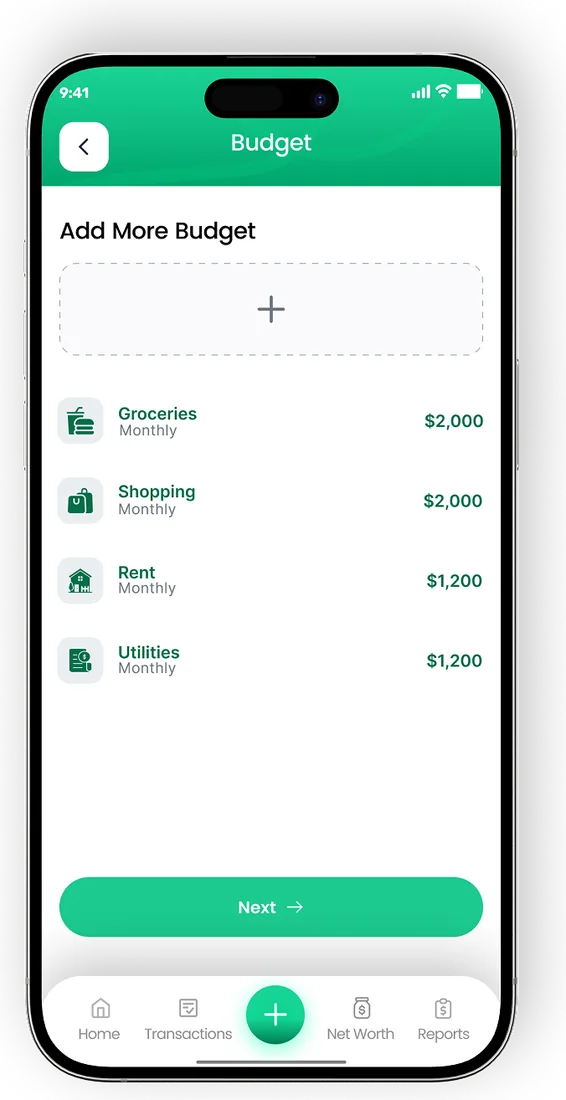
EMOH Pay tracks your spending, budgets and net worth on your phone and in the browser, always in sync. Free to start, made in Canada.
Get started free➜Debt-to-Income Ratio Calculator: frequently asked questions
Is debt-to-income ratio based on gross or net income?
Gross income, before tax and deductions. That is how lenders calculate it, so a ratio based on take-home pay will look higher than the figure a lender uses.
What counts as debt in a debt-to-income ratio?
Housing payments, car loans, student loans, personal loans, lines of credit and required credit card payments. Everyday bills such as groceries, phone and utilities other than heat are not usually included.
What is the maximum debt-to-income ratio for a mortgage in Canada?
For a CMHC-insured mortgage, the limits are 39% for GDS and 44% for TDS, calculated at the stress-test rate. Individual lenders can set lower limits.
Does my debt-to-income ratio affect my credit score?
Not directly. Credit scores are based on your credit report, which does not include income. High balances relative to your credit limits do affect your score, though.
How quickly can I lower my debt-to-income ratio?
As soon as a debt is paid off or a payment drops, your ratio falls. Paying off a small loan or card in full is often the fastest way to make a noticeable change.
Related guides and tools
See your debt-free date: enter balance, interest rate and monthly payment to calculate payoff time and total interest. Free…
What Is Debt-to-Income Ratio?What is debt to income ratio? A clear definition, the simple formula, a worked example and how lenders in Canada use GDS and…
Mortgage Affordability Calculator CanadaMortgage affordability calculator for Canada: see the home price you could qualify for under the stress test, then check…
Loan Payment CalculatorFree loan payment calculator: enter the amount, interest rate and term to see your monthly payment, total interest and total…
How to Pay Off Debt in CanadaTwo proven orders of attack — avalanche saves the most interest, snowball keeps you motivated. Pick one and automate it.…
Debt Snowball vs Debt AvalancheDebt snowball vs avalanche: see how each debt payoff method works, a worked example with real numbers, which saves more…
Start free today
Free on iPhone, Android and the web. Upgrade to EMOH Pro anytime for bank sync and advanced AI.
Download for iOS➜ Get it on Android➜