
Cost of Owning a Dog
A dog costs far more than the adoption fee. Here is a line-by-line breakdown of food, vet care, insurance and grooming, what the first year adds, and how to budget for it month by month.
Get started free➜ Download the app➜
How much does a dog cost per year?
The cost of owning a dog in Canada is typically about $1,500 to $4,500 a year once the first year is over, and often $3,000 to $7,000 in the first year when adoption, spaying or neutering, vaccines and supplies are added. Size, breed, insurance and grooming move the total most. These are illustrative estimates, not an official statistic.
How much does it cost to own a dog?
The cost of owning a dog in Canada usually lands between about $125 and $375 a month once your dog is settled, or roughly $1,500 to $4,500 a year. A small, healthy dog with a short coat sits near the bottom of that range. A large or giant breed with grooming needs and insurance sits near the top, and can reach $6,000 or more.
The first year costs more because you pay once for adoption or purchase, spaying or neutering, a microchip, the puppy vaccine series and basic gear. Many owners spend $3,000 to $7,000 in year one. After that, spending settles into a predictable pattern with occasional large vet bills.
These figures are illustrative ranges built from typical Canadian prices in 2026. They are not a survey result. Prices vary a lot by city, clinic and breed, so use them as a starting point and replace each line with your own quotes. A dog belongs on your list of monthly expenses the same way rent and groceries do.
Cost of owning a dog: breakdown by category
Most of the yearly cost comes from four lines: food, routine vet care, insurance or an emergency fund, and grooming. Everything else is smaller but adds up. Few owners hit the top of every line, which is why most dogs land in the middle of each total.
| Category | Small dog | Medium dog | Large dog |
|---|---|---|---|
| Food and treats | $400 to $800 | $600 to $1,100 | $900 to $1,800 |
| Routine vet care and vaccines | $300 to $700 | $350 to $800 | $400 to $900 |
| Flea, tick and heartworm prevention | $150 to $350 | $200 to $450 | $250 to $600 |
| Pet insurance (optional) | $360 to $720 | $420 to $900 | $600 to $1,300 |
| Grooming | $0 to $900 | $0 to $900 | $0 to $1,000 |
| Toys, beds, leashes, waste bags | $100 to $250 | $150 to $300 | $200 to $400 |
| Licence | varies by city | varies by city | varies by city |
| Total, all low to all high | about $1,300 to $3,700 | about $1,700 to $4,450 | about $2,350 to $6,000 |
Dog walking, daycare and boarding are not in the table because many owners never use them. If you work long days or travel often, they can easily become the largest line, so price them separately before you commit.
First-year costs of getting a dog
The first year of dog ownership usually costs about $1,200 to $3,000 more than later years, before any purchase price. That covers one-time vet work, setup gear and training. Buying from a breeder rather than adopting can add several thousand dollars on top.
- Adoption or purchase. Shelter and rescue fees often include spaying or neutering, a microchip and first vaccines. Breeder prices vary widely by breed.
- Spay or neuter surgery. If it is not included, this is often the biggest single vet bill of the first year.
- Puppy vaccines and checkups. Puppies need a series of visits in their first months, not one.
- Setup gear. A crate, bed, bowls, collar, leash, harness, gates and cleaning supplies.
- Training. Group classes are cheaper than private sessions and are worth budgeting for in the first six months.
- Licence. Most Canadian municipalities require a dog licence, renewed each year. Many charge less for dogs that are spayed or neutered.
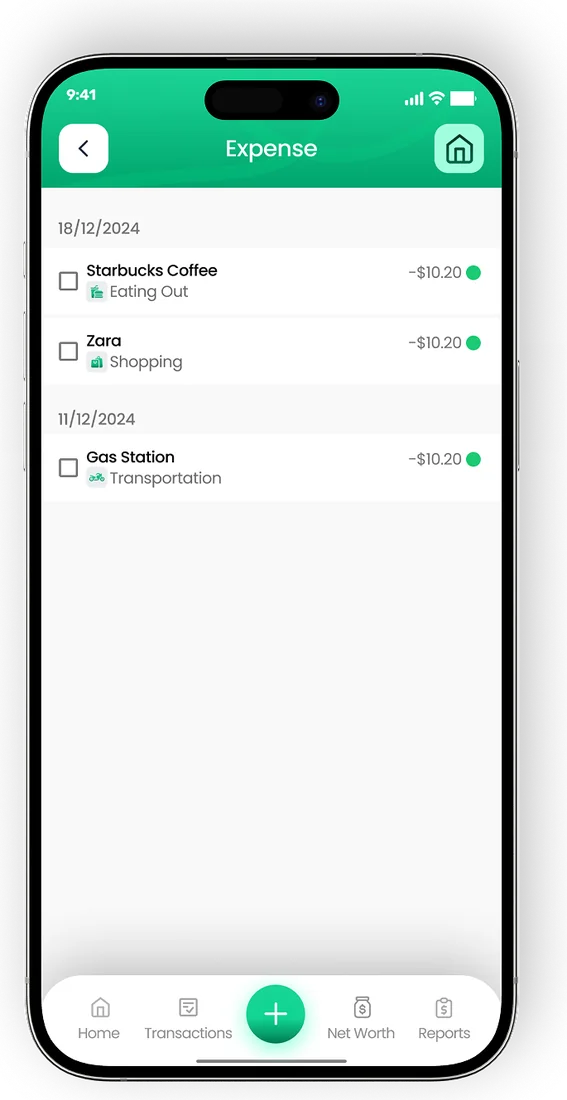
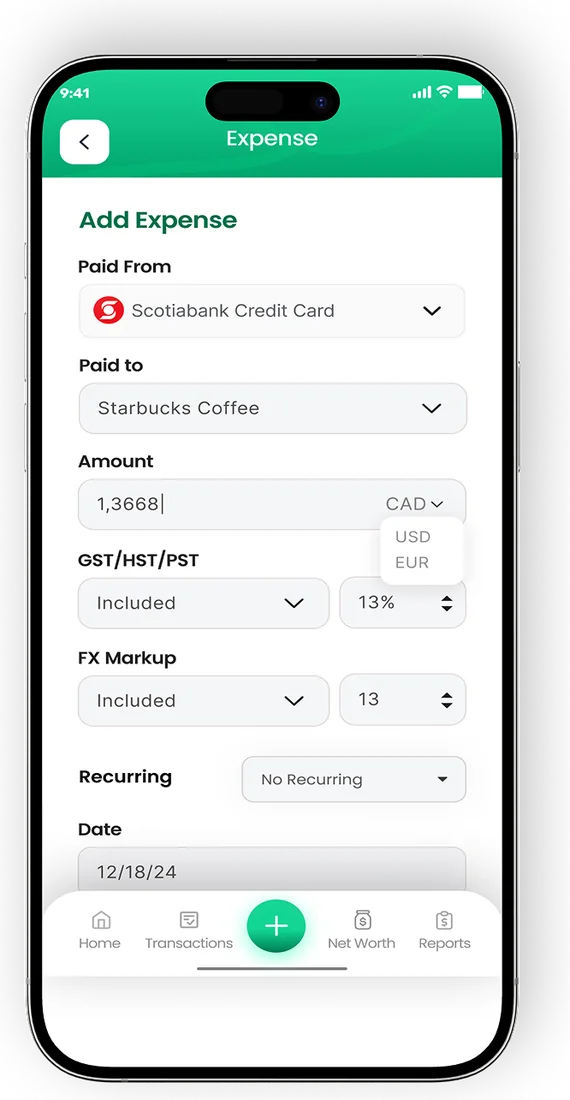
Log a purchase in two taps
- Smart categories sort every transaction
- Tag who spent what in a shared household
- Export PDF or Excel reports any month


What makes a dog more or less expensive?
Size, breed and your lifestyle decide most of the cost. A large dog eats more, needs larger doses of preventive medication and costs more to insure and board. Some breeds are prone to hip, eye, skin or breathing problems that raise both insurance premiums and vet bills.
Coat and grooming
Dogs with continuously growing coats, such as poodles and many doodle crosses, usually need professional grooming every six to eight weeks. Short-coated dogs may need only home brushing and nail trims.
Age
Puppies cost more in the first year. Senior dogs often need blood work, dental cleanings and daily medication, so costs rise again later in life.
Where you live
Vet fees, grooming, daycare and licence fees are usually higher in large cities. Renters may also face pet rules or pet deposits where provincial law allows them.
Your schedule
A dog left alone for a full workday may need a walker or daycare. That one decision can double the yearly cost.
Is pet insurance worth it, or should you save instead?
Pet insurance is worth considering if one large, unexpected vet bill would go on a credit card. If you could cover a bill of a few thousand dollars from savings, a dedicated pet emergency fund can work instead. Either way, plan for the risk rather than ignoring it.
Policies differ in deductibles, reimbursement rates, annual limits and exclusions for pre-existing conditions. Premiums usually rise as your dog ages. Read the exclusions before comparing prices, because a cheap policy that excludes common problems may pay very little.
If you self-insure, set a target and build it steadily. Our emergency fund calculator can help you size a general cushion, and a separate pet line keeps vet money from being spent on something else.
How to budget for a dog
Turn the yearly estimate into a monthly amount, then track what you actually spend for three months and adjust. Irregular costs, such as the annual checkup, licence renewal and grooming, are easiest to handle with a monthly set-aside.
- Price your own dog. Call a local vet for exam and vaccine fees, check the food your dog will eat, and look up your city's licence fee.
- Add the lines together and divide by 12 to get a monthly figure.
- Create a dog category in your budget for everyday spending such as food and treats.
- Set up a sinking fund for the checkup, licence and grooming so they never land as a surprise.
- Build a separate pet emergency fund, or buy insurance, for large vet bills.
- Review the budget each year, and again when your dog becomes a senior.
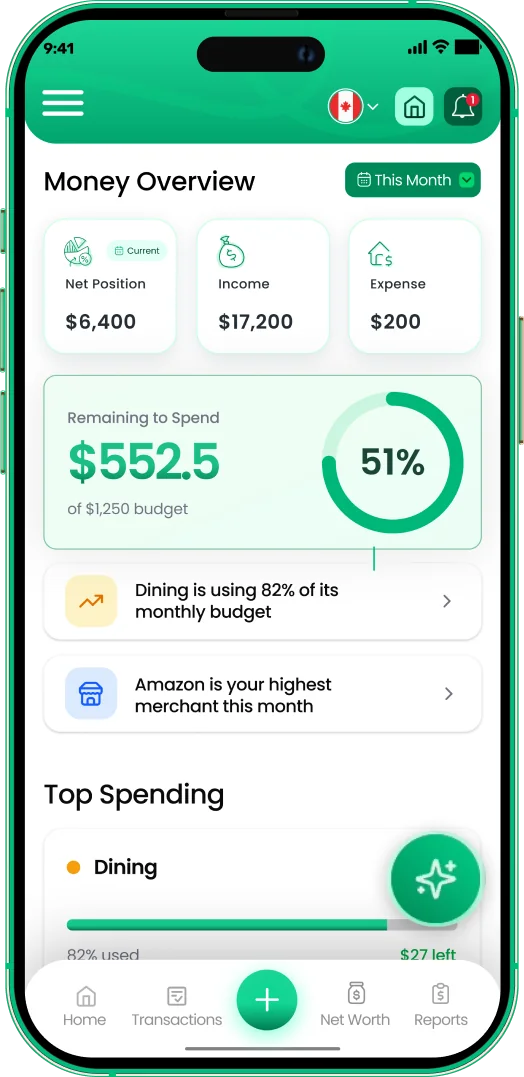
EMOH Pay makes this simple. Create a Pet budget with an overspend alert, add a savings goal for the vet fund, and snap receipts from the clinic so you have them if you make an insurance claim. It is free to start on iPhone, Android and the web. For the wider picture, our guide on how to budget walks through setting up every category.
Dog versus cat: which costs more?
Dogs usually cost more than cats over a year. They eat more, especially larger breeds, and are more likely to need training, walking, daycare or boarding. Cats have their own costs, such as litter, and are not free to keep. See the full breakdown in our guide to the cost of owning a cat.
Track every dollar
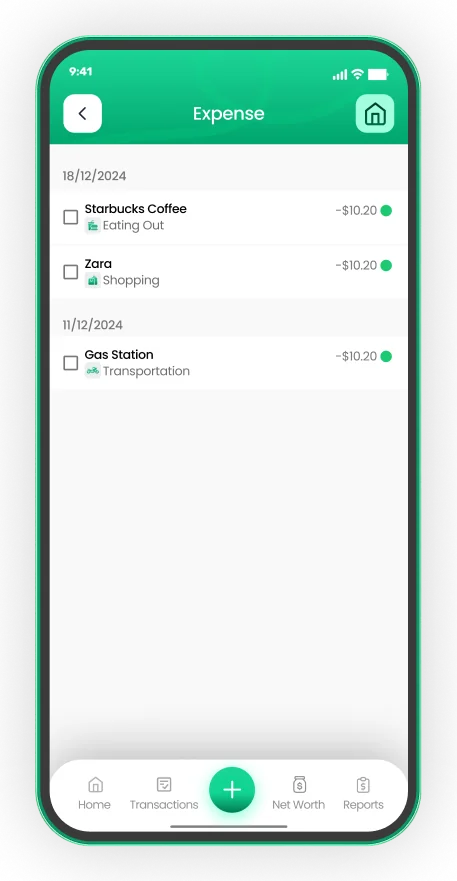

Put the numbers on autopilot
EMOH Pay tracks your spending, budgets and net worth on your phone and in the browser, always in sync. Free to start, made in Canada.
Get started free➜Cost of Owning a Dog: frequently asked questions
How much does a dog cost per month?
Most dogs cost about $125 to $375 a month once the first year is over, covering food, routine vet care, prevention, supplies and often insurance. Grooming, daycare or a dog walker can push the monthly cost much higher.
How much should I have saved before getting a dog?
Aim to cover the first-year setup costs from savings, plus a cushion for an unexpected vet visit. Many owners keep at least a few thousand dollars set aside, or buy pet insurance, before bringing a dog home.
Is adopting a dog cheaper than buying from a breeder?
Usually, yes. Shelter and rescue fees often include spaying or neutering, a microchip and first vaccines, which you would otherwise pay for separately. The ongoing yearly costs are similar either way.
Do I need a licence for my dog in Canada?
Most Canadian cities and towns require a dog licence, renewed every year. Fees are set by your municipality, and many offer a lower rate for spayed or neutered dogs. Check your city's website.
What is the most expensive part of owning a dog?
For most owners, food is the largest regular cost. Over a dog's lifetime, unplanned vet care for illness or injury is often the largest single expense, which is why insurance or an emergency fund matters.
Sources and further reading
Related guides and tools
The cost of owning a cat, broken down: food, litter, vet care, insurance and first-year costs, with yearly ranges and a…
Monthly Expenses Checklist: The Full List of Monthly ExpensesA complete list of monthly expenses to build your budget: housing, bills, food, transport, debt, savings and the irregular…
Sinking Funds: What They Are and How to Use ThemSinking funds turn big irregular costs into small monthly savings. Learn how they work, common sinking fund categories, a…
Emergency Fund Calculator — Free CalculatorYour emergency fund target is 3–6 months of essential expenses. Enter monthly essentials below for your range. Free…
How to Budget: The Complete GuideBudgeting is deciding where money goes before it leaves. This guide covers the 4 steps: know your income, list fixed costs…
50/30/20 Budget CalculatorThe 50/30/20 rule splits after-tax income: 50% to needs, 30% to wants, 20% to savings. Enter your monthly take-home pay to…
Start free today
Free on iPhone, Android and the web. Upgrade to EMOH Pro anytime for bank sync and advanced AI.
Download for iOS➜ Get it on Android➜