
Cost of Living in Victoria (2026)
Victoria has Canada's mildest winters and some of its highest rents. Here is what housing, transit, utilities and taxes cost in BC's capital, with two sample monthly budgets.
Get started free➜ Download the app➜
How much does it cost to live in Victoria?
The cost of living in Victoria for a single person renting a one-bedroom is typically about $2,900 to $3,800 a month, and about $6,500 to $9,400 for a family of four, based on CMHC rent data and typical household costs. Rent is by far the biggest expense, while the mild climate keeps heating bills unusually low.
The cost of living in Victoria is high for its size. A single renter usually spends about $2,900 to $3,800 a month on essentials and modest extras, and a family of four about $6,500 to $9,400. Housing takes the largest share by a wide margin, and rents for a one-bedroom are closer to Vancouver levels than to most other mid-sized Canadian cities.
The trade-offs work in both directions. Victoria has short commutes inside the core, a strong cycling network and the lowest heating needs of any major Canadian city. On the other side are tight rental vacancy, BC's combined 12% sales tax on many purchases and extra travel costs when you need to reach the mainland.
For the provincial picture, read our guide to budgeting in British Columbia. If you are weighing a move from the mainland, budgeting in Vancouver shows how the two cities compare.
Average rent in Victoria
Average rent in Victoria for a purpose-built one-bedroom was in the range of about $1,650 to $1,900 a month in CMHC's recent Rental Market Surveys (October 2024 and 2025). Vacancy in the Victoria area has stayed low for years, so newly listed units usually ask more than the survey average, which includes long-term tenants.
| Unit type | Typical range | What to expect |
|---|---|---|
| Bachelor | $1,300 to $1,550 | Older walk-ups in James Bay, Fernwood and downtown |
| One bedroom | $1,650 to $1,900 | Widest choice; newer towers ask the most |
| Two bedroom | $2,150 to $2,550 | Popular with roommates and couples |
| Three bedroom | $2,700 to $3,300 | Limited supply; mostly townhouses and houses |
The Westshore communities of Langford and Colwood usually offer more space for the money than the core, but the commute along Highway 1 can be slow at rush hour. Secondary suites in Saanich houses are another common option. BC limits annual rent increases for existing tenants to a rate the province sets each year. Check a listing against your income with our rent affordability calculator, and see average rent in Canada for national context.
Transit and getting around Victoria
BC Transit runs the Victoria Regional Transit System, including RapidBus routes to the Westshore. An adult monthly pass has cost roughly $85 to $100 at recent fares, and children 12 and under ride free on BC Transit. Post-secondary students at the University of Victoria and Camosun College generally get a U-Pass through their fees.
The core is compact, flat enough in many areas and well served by bike lanes, so many residents manage with a bike and a bus pass. A car adds insurance through ICBC, fuel, parking and maintenance, which commonly runs $600 to $900 a month for a financed vehicle. Budget separately for BC Ferries if you travel to Vancouver often, since return trips with a car add up quickly.
Taxes in Victoria: income tax and sales tax
- Sales tax. BC charges 7% PST on top of the 5% GST, so many purchases carry 12% in total. Groceries, children's clothing and some other basics are exempt from PST.
- Provincial income tax. BC uses progressive brackets that start among the lowest in Canada for modest incomes and rise for high earners. Our BC salary calculator turns a gross salary into take-home pay.
- Federal income tax. The lowest federal rate is 14% for 2026, applied on top of the provincial amount.
- Renter's tax credit. Eligible BC renters with lower and moderate incomes can claim up to $400 a year on their tax return.
- No health premiums. BC eliminated Medical Services Plan premiums in 2020, so provincial health coverage has no monthly charge.
Budgets that update themselves
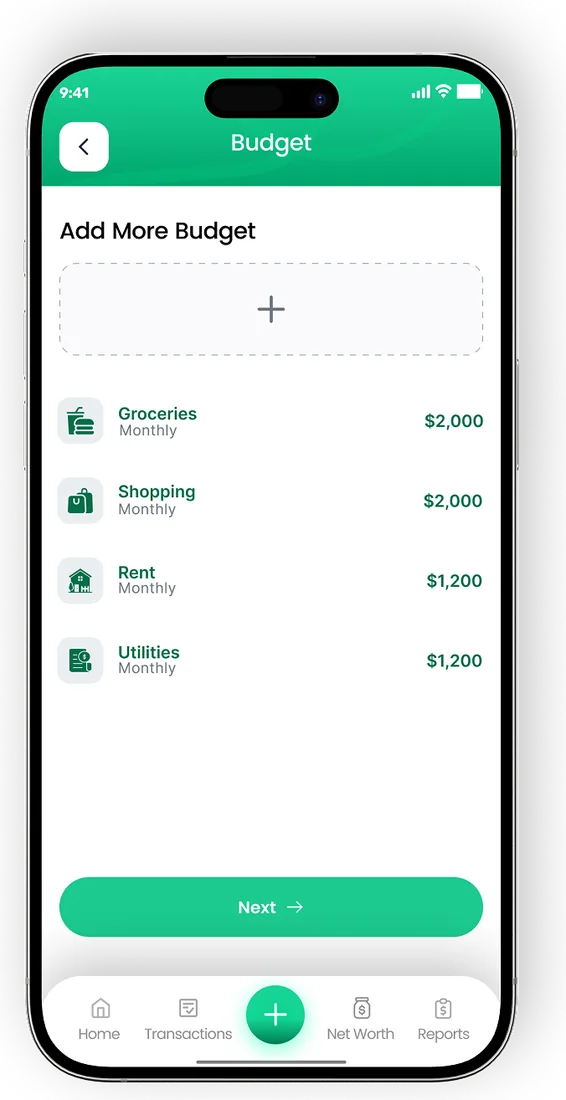
- Set monthly limits for every category
- See what is left to spend in real time
- Get a nudge before a category runs out


Utilities, phone and internet in Victoria
Electricity comes from BC Hydro and natural gas, where available, from FortisBC. Many apartments use electric baseboard heat, and the mild winters mean heating demand is modest compared with the Prairies or Ontario. Water is billed through the local municipality.
For a one-bedroom apartment, electricity and water usually total about $90 to $160 a month. A detached house commonly runs $200 to $330 in winter, depending on insulation and whether it heats with gas, electric baseboards or a heat pump. Add about $120 to $170 for home internet and one phone plan.
Sample monthly budget for Victoria
These budgets are illustrative ranges built from CMHC rents, BC Transit fares and typical household costs. They are not an official statistic. The family budget assumes two adults, two children, one car and one transit pass.
| Category | Single person | Family of four |
|---|---|---|
| Rent | $1,650 to $1,900 (1-bed) | $2,800 to $3,400 (3-bed) |
| Utilities | $90 to $160 | $200 to $330 |
| Internet and phones | $120 to $170 | $180 to $250 |
| Groceries | $400 to $500 | $1,300 to $1,600 |
| Transportation | $85 to $100 (transit pass) | $750 to $1,100 (car plus pass) |
| Child care | None | About $200 to $1,000 |
| Insurance (tenant, life) | $20 to $40 | $60 to $120 |
| Personal, clothing, household | $150 to $250 | $350 to $500 |
| Entertainment and dining | $150 to $300 | $250 to $450 |
| Savings | $250 to $400 | $400 to $700 |
| Total | About $2,900 to $3,800 | About $6,500 to $9,400 |
Child care varies widely. Families with a spot at a $10 a day ChildCareBC centre pay far less than those at centres that only receive the provincial fee reduction, and waitlists are long. For the full picture of raising kids, see the cost of raising a child in Canada.
Figures checked September 2026; confirm current numbers with CMHC, BC Transit and the Government of British Columbia.
Budgeting in Victoria: practical tips
- Keep rent near a third of take-home pay. In Victoria that often means a roommate, a secondary suite or a Westshore address.
- Claim the BC renter's tax credit when you file if your income qualifies.
- Price out car-free living. A bus pass, a bike and occasional car-share can save several hundred dollars a month compared with owning a car.
- Set a sinking fund for ferry trips and travel off the island so they do not surprise you.
- Track every category for a month before setting limits. EMOH Pay is free on iPhone, Android and the web, and its budgets warn you before a category overspends.
- Compare your plan with the national picture in our guide to budgeting in Canada.
Plan your month in EMOH Pay
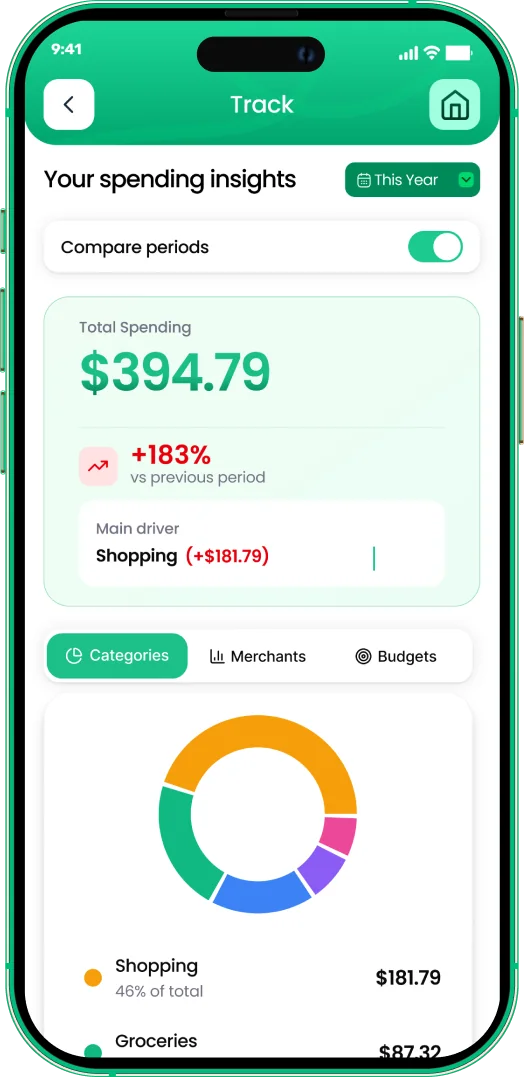
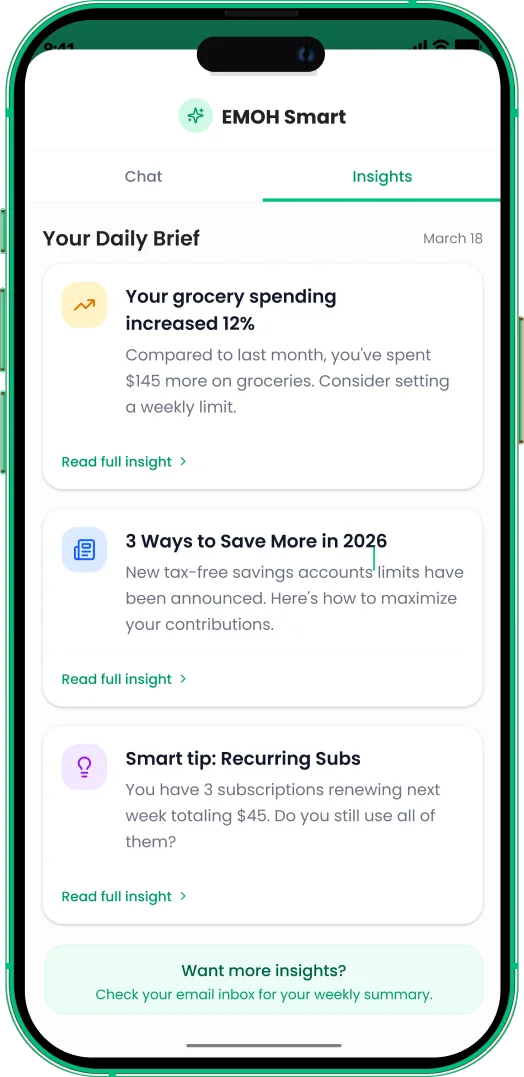

Put the numbers on autopilot
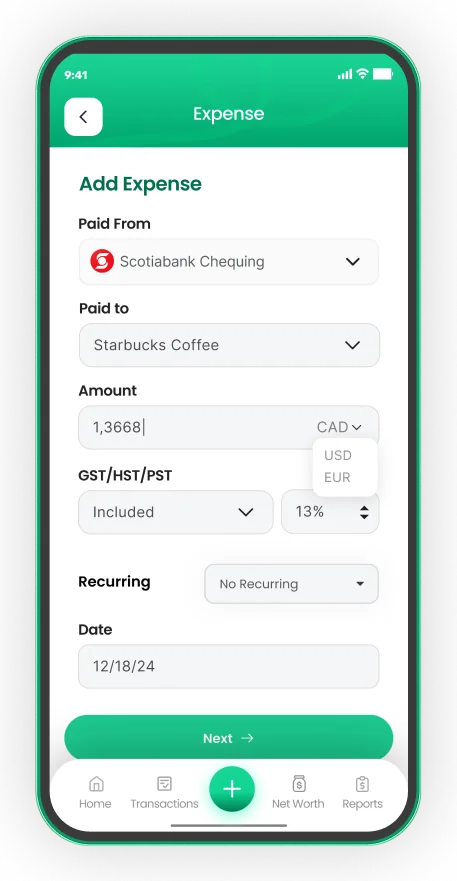
EMOH Pay tracks your spending, budgets and net worth on your phone and in the browser, always in sync. Free to start, made in Canada.
Get started free➜Cost of Living in Victoria (2026): frequently asked questions
Is Victoria more expensive than Vancouver?
Rent in Victoria is usually a little lower than in the City of Vancouver but close to many Metro Vancouver suburbs. Both share BC's taxes. Victoria saves on heating and commuting within the core, while Vancouver offers more jobs and transit options.
What salary do you need to live comfortably in Victoria?
A single renter spending about $3,300 a month needs roughly $55,000 to $65,000 a year before tax to cover costs and still save. A family of four with one car usually needs a combined household income of about $110,000 or more. Rent moves this figure more than anything else.
Why is rent so high in Victoria?
Demand from government workers, students, retirees and people moving from elsewhere in Canada meets a limited land supply on the south end of Vancouver Island. Vacancy has stayed low for years, which keeps new listings well above the survey average.
How much are utilities in Victoria?
Expect about $90 to $160 a month for electricity and water in a one-bedroom apartment and $200 to $330 for a house in winter. Victoria's mild climate means lower heating costs than most Canadian cities.
Can I budget in Victoria with an app?
Yes. EMOH Pay is free to start on iPhone, Android and the web and syncs across devices. It tracks expenses, sets budgets with overspend alerts and lets a household share one budget with separate logins.
Sources and further reading
Related guides and tools
Budgeting in British Columbia: sales tax is 5% GST + 7% PST, minimum wage $17.85/hr, typical rent $2,100+/month. Vancouver…
Budgeting in Canada — Province GuideCost of living, sales tax and budgeting guidance for every Canadian province and territory. Free budgeting app made in…
Cost of Living in Vancouver (2026): Budget GuideBudgeting in Vancouver in 2026: sales tax 5% GST + 7% PST, typical one-bedroom rent $2,500+/month. The steepest housing in…
BC Salary CalculatorFree BC salary calculator for 2026: see federal and BC income tax, CPP and EI on your salary, then your take-home pay per…
Average Rent in Canada by City (2026)Average rent in Canada for 2026: typical one-bedroom ranges in 20 cities, why survey and asking rents differ, and how to…
Rent Affordability CalculatorThe classic rule: keep rent at or under 30% of gross monthly income (35% of take-home in expensive cities). Enter your…
Start free today
Free on iPhone, Android and the web. Upgrade to EMOH Pro anytime for bank sync and advanced AI.
Download for iOS➜ Get it on Android➜