
Average Vacation Cost
What does a week away really cost? Here are typical ranges by trip type for Canadian travellers, what goes into the total, and how to save for it without a credit card hangover.
Get started free➜ Download the app➜
How much does a vacation cost?
The average cost of a vacation for one week is about $800 to $1,800 per person for a Canadian road trip, $1,500 to $3,500 for a flight-based trip or an all-inclusive in the sun, and $3,000 to $5,500 for Europe. Flights, accommodation and food drive the total. These are illustrative estimates, not an official statistic.
What is the average cost of a vacation?
The average cost of a vacation for a Canadian traveller ranges from under $1,000 per person for a week-long road trip to $5,000 or more for a week or more in Europe. There is no single number, because destination, season and travel style change the total more than anything else.
Statistics Canada tracks trip spending through its National Travel Survey, which is the place to look for official averages by trip type. The ranges on this page are practical budgeting figures built from typical 2026 prices. They are illustrative and not an official statistic.
Whatever the destination, a trip is a planned expense rather than a monthly bill. It belongs next to your regular costs on your list of monthly expenses as a savings line, so the money is ready before you book.
Average vacation cost by trip type
These per-person ranges assume a one-week trip, mid-range accommodation shared by two adults, and flights from a major Canadian city where flights apply.
| Trip type | Typical cost per person | What moves the price |
|---|---|---|
| Road trip within Canada | $800 to $1,800 | Fuel, hotels versus camping, eating out |
| Domestic trip with flights | $1,500 to $3,000 | Airfare, city hotel rates, car rental |
| All-inclusive resort in the sun | $1,500 to $3,500 | Season, resort rating, departure city |
| United States city break | $1,800 to $3,500 | Exchange rate, hotel prices, flights |
| Europe | $3,000 to $5,500 | Airfare, number of cities, travel season |
| Asia or long-haul | $3,000 to $6,000 | Airfare, trip length, internal travel |
Travelling in shoulder season, just before or after peak months, can lower flight and hotel costs noticeably. School holidays, long weekends and the winter sun season around the holidays are usually the most expensive times to go.
Average cost of a vacation: breakdown by category
Flights and accommodation usually make up half or more of a vacation's cost. Food, activities and local transport make up most of the rest, with insurance, fees and souvenirs at the end.
- Flights or fuel. Book early for peak dates and compare nearby airports. For road trips, estimate distance, fuel use and price per litre.
- Accommodation. Price per night times nights. Check cleaning fees and local taxes, which are often added at checkout.
- Food. Set a daily amount per person. Groceries and one restaurant meal a day cost far less than eating every meal out.
- Activities and tours. List the ones you care about and price them in advance.
- Local transport. Transit passes, taxis, ride-share, car rental and parking.
- Travel insurance. Provincial health plans cover very little outside Canada, so the Government of Canada advises buying travel health insurance before you leave.
- Currency costs. Card foreign transaction fees and exchange margins add a few percent to every purchase abroad.
- Extras. Checked bags, seat selection, pet or plant care at home, souvenirs and tips.
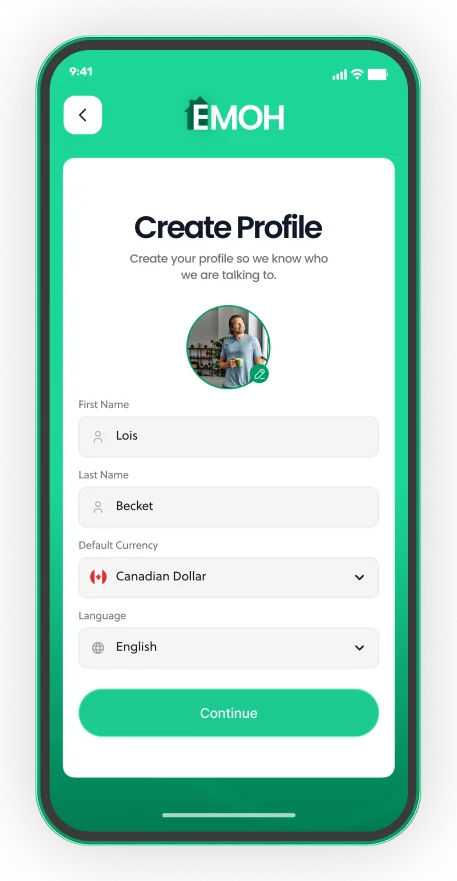
Your home currency, any spending currency
- 148 currencies with automatic conversion
- Record FX markup on card purchases
- Phone and web always in sync


Example: a family vacation budget
A one-week all-inclusive trip for a family of four often costs about $6,000 to $12,000 all in. The example below shows how a mid-range total comes together. It is an illustration, not a quote.
| Item | Estimated cost |
|---|---|
| Flight and resort package, four people | $7,000 |
| Travel health insurance | $250 |
| Airport parking or rides | $150 |
| Excursions and activities | $600 |
| Tips, souvenirs and extras | $400 |
| Buffer, about 10% | $840 |
| Total | about $9,240 |
To test your own numbers, the travel budget calculator adds flights, nights and daily spending for any group size and includes a buffer.
How to save for a vacation
Divide the full trip cost by the number of months until you leave, and save that amount each month in a separate account or goal. A $3,000 trip ten months away needs $300 a month. Starting earlier makes the monthly amount smaller.
- Pick a destination and dates, then estimate the total using the categories above.
- Add a buffer of about 10% for price changes and surprises.
- Divide by the months until departure to get your monthly saving target.
- Set up an automatic transfer on payday into a dedicated sinking fund.
- Book only when most of the money is saved, so the trip never lands on a credit card.
- Track spending during the trip against the daily amounts you planned.
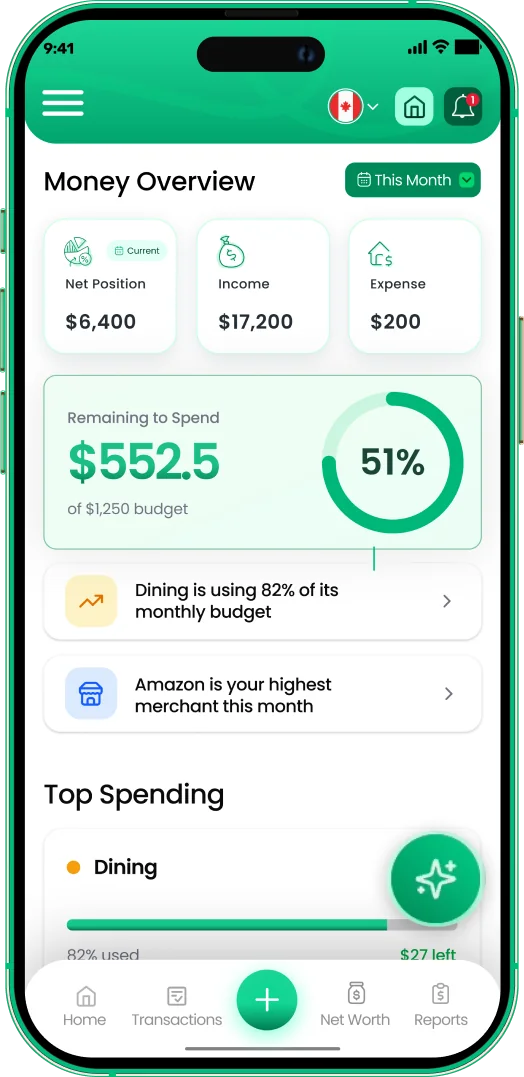
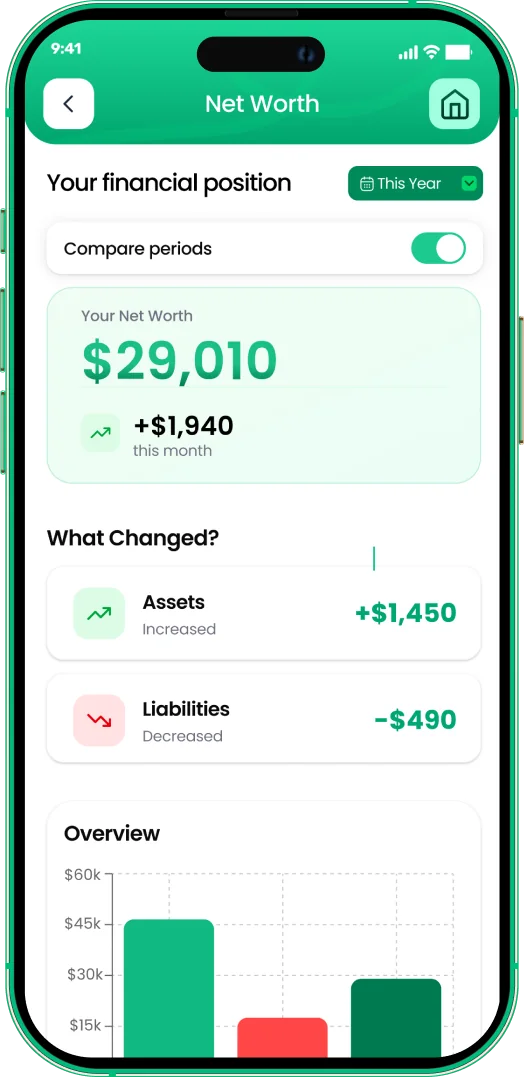
EMOH Pay's savings goals show how close you are to the trip total, and its 148 currencies with automatic conversion mean you can log a meal in euros and see the cost in dollars. It works on iPhone, Android and the web, and is free to start. For more on tracking abroad, see our travel budget app page and the currency converter.
How to cut the cost of a vacation
The biggest savings come from the biggest lines: when you fly and where you sleep. Small daily savings help too, but moving your dates by a week can save more than skipping every coffee.
- Travel off-peak. Shoulder seasons offer lower prices and fewer crowds.
- Stay somewhere with a kitchen. Making breakfast and some dinners cuts food costs sharply.
- Use a card without foreign transaction fees when travelling abroad, and avoid dynamic currency conversion at checkout.
- Travel closer to home. A road trip within your own province can offer a real break at a fraction of the cost.
- Plan with a written budget. Our guide to creating a vacation budget planner walks through the details.
Every currency in one app

Put the numbers on autopilot
EMOH Pay tracks your spending, budgets and net worth on your phone and in the browser, always in sync. Free to start, made in Canada.
Get started free➜Average Vacation Cost: frequently asked questions
How much should I budget for a one-week vacation?
For most Canadian travellers, budget about $800 to $1,800 per person for a road trip, $1,500 to $3,500 for a trip with flights or an all-inclusive, and $3,000 or more for Europe. Add about 10% as a buffer.
What is the most expensive part of a vacation?
Flights and accommodation are usually the largest costs and often make up half or more of the total. That is why travel dates and where you stay have the biggest effect on price.
How much spending money do I need per day?
It depends on the destination. Set a daily amount per person for food, local transport and activities based on local prices, then track it during the trip. Using a kitchen for some meals lowers the daily figure a lot.
Do I need travel insurance for a vacation outside Canada?
The Government of Canada advises buying travel health insurance before leaving, because provincial and territorial health plans cover very little of the cost of care abroad. Include the premium in your trip budget.
How far ahead should I start saving for a vacation?
Six to twelve months ahead works for most trips. Divide the total by the months left and save that amount automatically each payday, so the trip is paid for before you go.
Sources and further reading
Related guides and tools
Use this free travel budget calculator to total flights, accommodation, food and activities for any trip, with a 10% buffer…
Spend abroad without the math148 currencies, automatic conversion and real-time budget tracking — EMOH Pay keeps your trip on budget in any country. Made…
Sinking Funds: What They Are and How to Use ThemSinking funds turn big irregular costs into small monthly savings. Learn how they work, common sinking fund categories, a…
Currency ConverterQuick conversion between major currencies (indicative 2026 rates — live rates inside the EMOH Pay app, with 148 currencies…
Monthly Expenses Checklist: The Full List of Monthly ExpensesA complete list of monthly expenses to build your budget: housing, bills, food, transport, debt, savings and the irregular…
Savings Goal Calculator — Free CalculatorHow much to save per month? Enter your target amount and months until deadline — get your required monthly contribution…
Start free today
Free on iPhone, Android and the web. Upgrade to EMOH Pro anytime for bank sync and advanced AI.
Download for iOS➜ Get it on Android➜