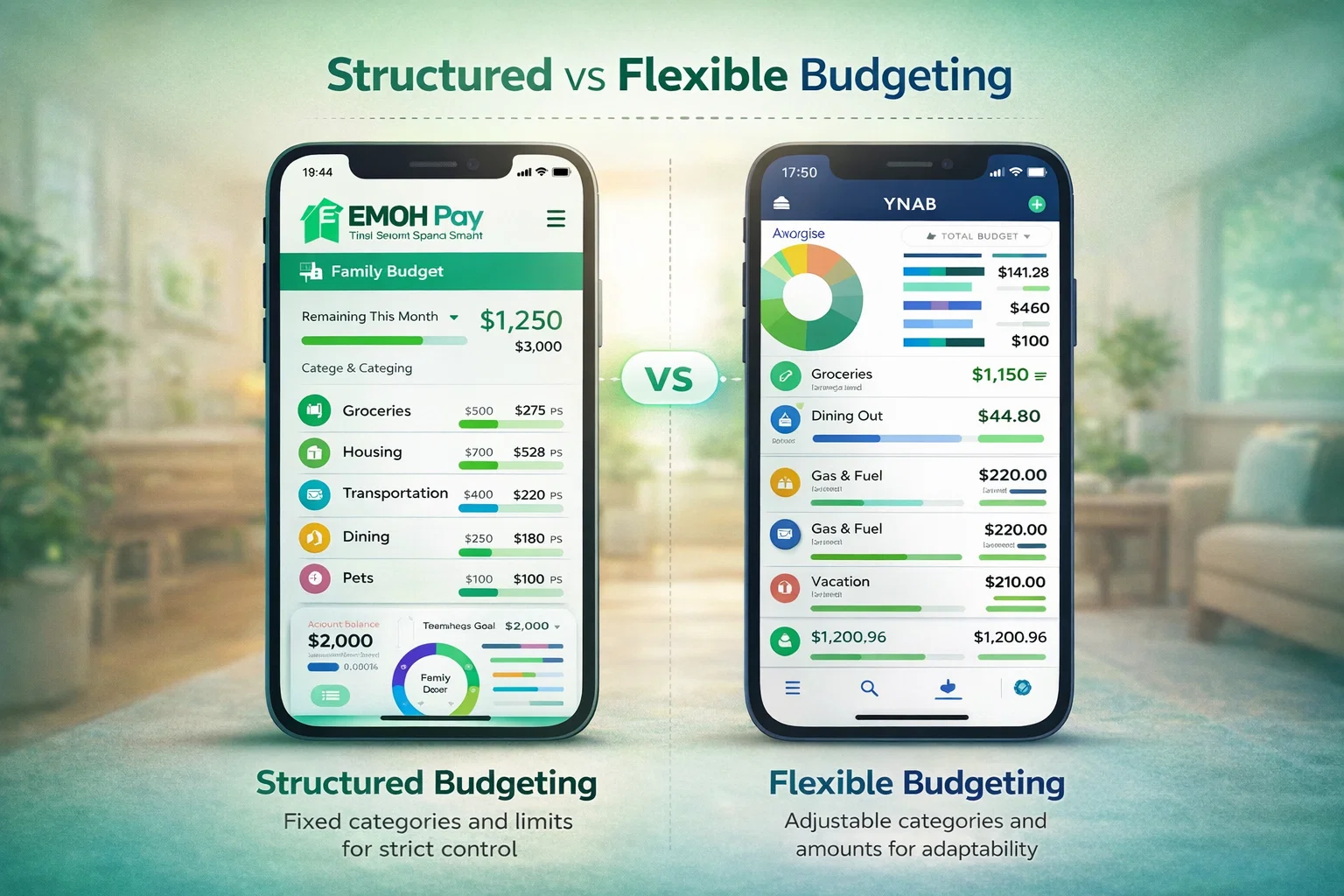
When it comes to managing money, choosing the right budgeting method can make all the difference.
Two of the most popular approaches are:
- Zero-based budgeting
- Traditional budgeting
Both promise better control over your finances—but they work very differently.
The challenge? Most people struggle not because of the method—but because their system is too hard to maintain consistently.
That’s why many are now combining these methods with simpler, automated tools that remove manual effort from budgeting.
Zero-based budgeting requires you to assign every dollar of income a specific purpose, while traditional budgeting focuses on setting spending limits for categories. Zero-based budgeting offers more control and precision, while traditional budgeting is easier to maintain and better for beginners.
What Is Zero-Based Budgeting?
Zero-based budgeting is a method where your income minus expenses equals zero.
That doesn’t mean you spend everything—it means every dollar is assigned a role, including savings.
Where Most People Struggle
While zero-based budgeting is powerful, it often fails in real life because:
- It requires manual tracking
- It demands constant updates
- It can feel overwhelming over time
This is where many people start looking for tools that automate tracking while keeping the structure intact.
How Zero-Based Budgeting Works
- Start with your total monthly income
- Assign every dollar to a category
- Track spending closely
- Adjust categories as needed
In practice, using an app that automatically tracks and categorizes expenses can make this process significantly easier and more sustainable.
What Is Traditional Budgeting?
Traditional budgeting is a simpler method where you:
- Set spending limits for categories
- Track expenses loosely
- Focus on staying within limits
Modern Reality
Traditional budgeting works because it’s simple—but it often lacks visibility.
That’s why many people now prefer tools that:
- Automatically track spending
- Show category breakdowns
- Provide real-time insights
This allows you to keep things simple without losing control.
Zero-Based Budgeting vs Traditional Budgeting (Key Differences)
| Feature | Zero-Based Budgeting | Traditional Budgeting |
|---|---|---|
| Approach | Every dollar assigned | Category limits |
| Control | High | Moderate |
| Flexibility | Low | High |
| Time Required | High | Low |
| Real-Life Sustainability | Moderate | High |
Which Budgeting Method Works Better?
Zero-Based Budgeting Works Best If You:
- Want full control over your money
- Have specific financial goals
- Are comfortable tracking regularly
Traditional Budgeting Works Best If You:
- Prefer simplicity
- Don’t want to track every dollar
- Are just starting out
The Real Answer: It’s Not Either/Or
In reality, the most effective approach in 2026 is a hybrid system:
- Use zero-based thinking for planning
- Use simple tracking systems for execution
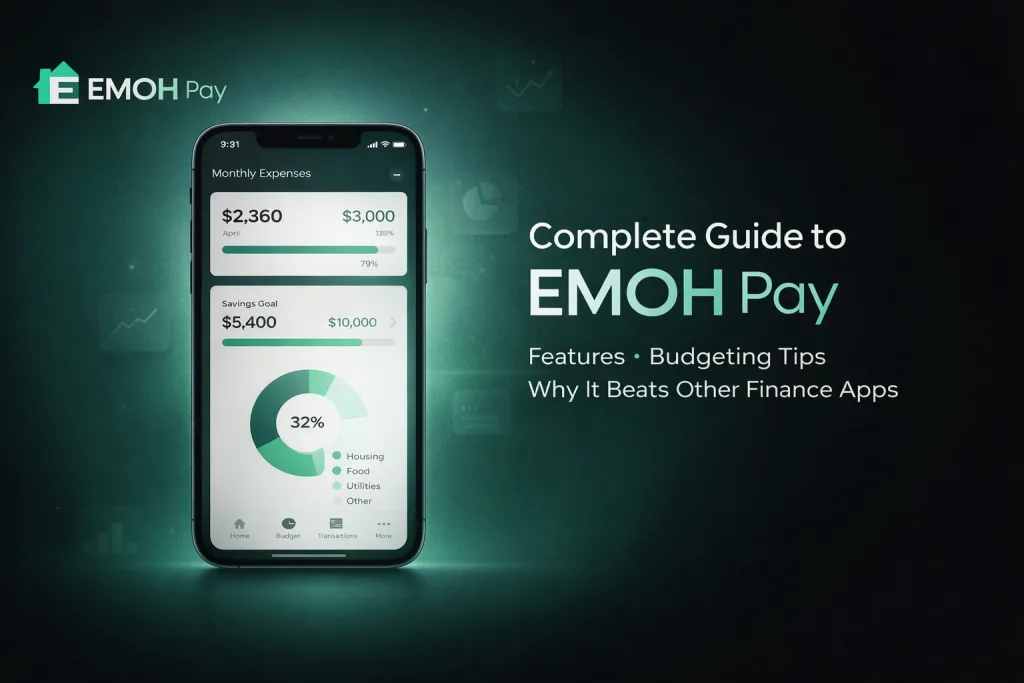
How EMOH Pay Simplifies Zero-Based and Traditional Budgeting
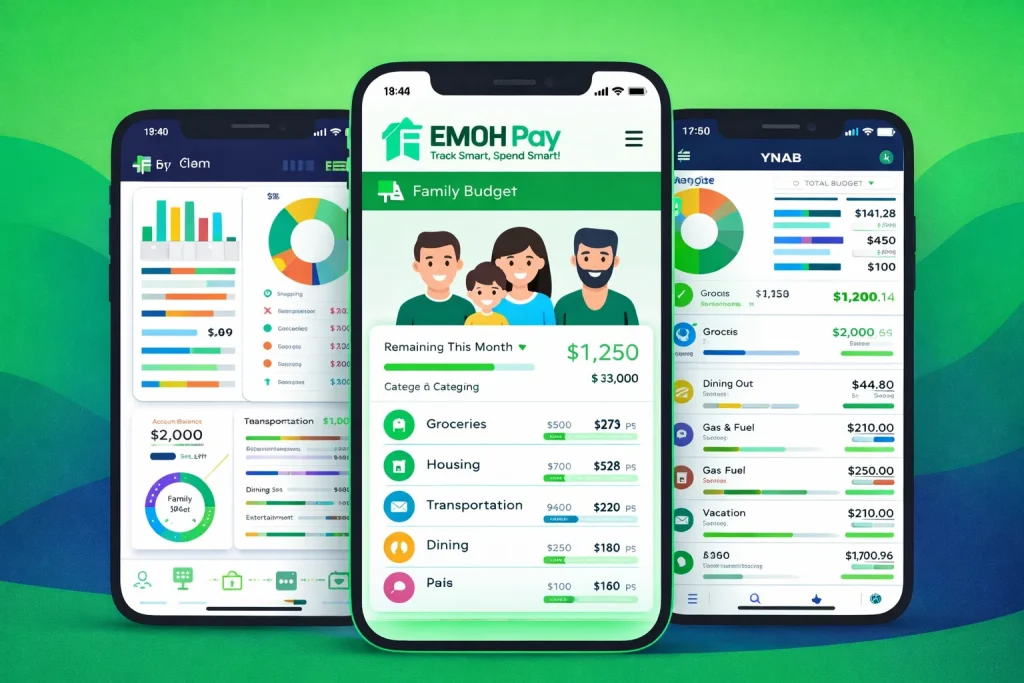
Instead of manually managing everything, tools like EMOH Pay help by:
- Automatically tracking your expenses
- Organizing spending into categories
- Giving you a clear, real-time view of your finances
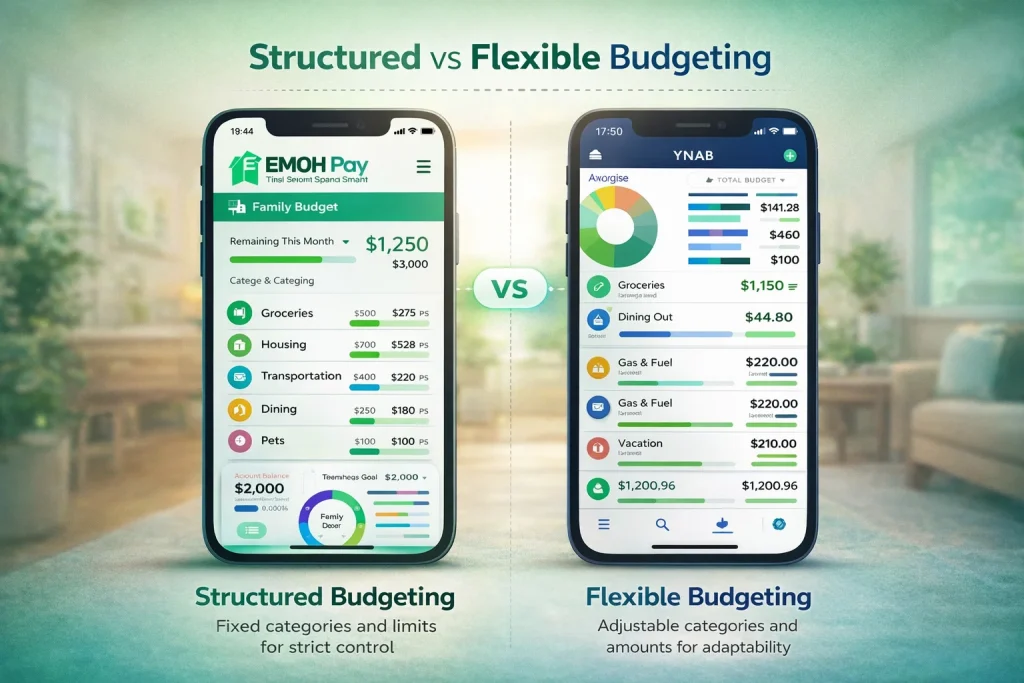
- Supporting both structured and flexible budgeting styles
This means you can follow zero-based principles without the manual effort, or keep a traditional budget while gaining better visibility.
If you want to apply zero-based or traditional budgeting without the complexity, you can try EMOH Pay on Google Play or the App Store and see how automatic tracking simplifies the process.
Pros and Cons of Zero-Based Budgeting vs Traditional Budgeting
Zero-Based Budgeting
Pros:
- Maximum control
- Helps eliminate waste
- Great for saving aggressively
Cons:
- Time-consuming
- Requires consistency
- Hard to maintain manually
Traditional Budgeting
Pros:
- Easy to follow
- Flexible
- Less time-intensive
Cons:
- Less precise
- Easier to overspend
- Limited financial visibility
Which Budgeting Method Is Better for Families?
For families, sustainability matters more than perfection.
- Strict systems often fail over time
- Simple systems are easier to maintain
That’s why many households now rely on automated budgeting tools that provide shared visibility and reduce manual effort, making it easier to stay consistent as a family.
Frequently Asked Questions (FAQs)
What is zero-based budgeting in simple terms?
Zero-based budgeting is a method where every dollar of your income is assigned a specific purpose, so your total income minus expenses equals zero.
Is zero-based budgeting better than traditional budgeting?
Zero-based budgeting offers more control and precision, but traditional budgeting is easier to maintain. The best choice depends on your lifestyle and consistency.
Is zero-based budgeting hard to maintain?
Yes, it can be challenging because it requires consistent tracking. Using tools that automate expense tracking can make it much easier to sustain.
What is the easiest budgeting method for beginners?
Traditional budgeting is usually easier for beginners because it focuses on simple spending limits instead of detailed tracking.
Can I combine zero-based and traditional budgeting?
Yes, many people use a hybrid approach—planning in detail but using simpler systems for daily tracking.
How do I start zero-based budgeting?
Start by listing your income, assigning every dollar a purpose, and tracking your expenses regularly—preferably with tools that simplify the process.
Which budgeting method helps save more money?
Zero-based budgeting can help save more because it forces intentional spending, but only if you can maintain it consistently.
Do budgeting apps support zero-based budgeting?
Yes, many modern apps support structured budgeting while simplifying tracking, making it easier to follow zero-based principles.
Conclusion
Both zero-based budgeting and traditional budgeting can work—but only if they fit your lifestyle.
- If you want control → choose zero-based budgeting
- If you want simplicity → choose traditional budgeting
But the real advantage comes from using a system that:
- Reduces manual effort
- Keeps you consistent
- Gives you clear financial visibility
That’s where modern budgeting tools make the biggest difference.