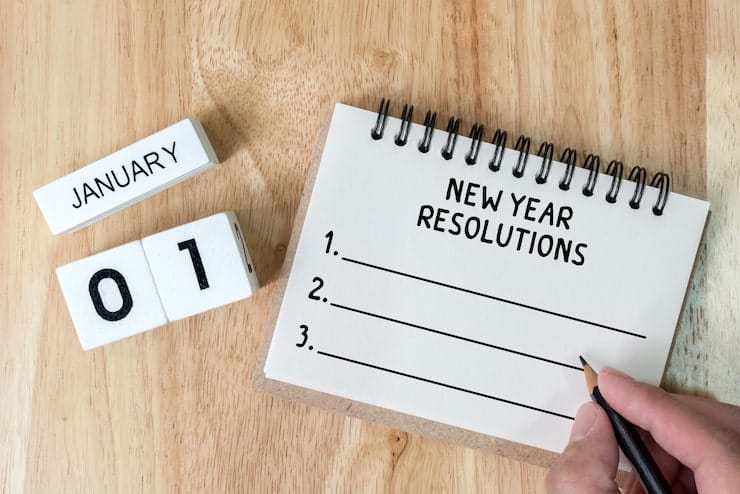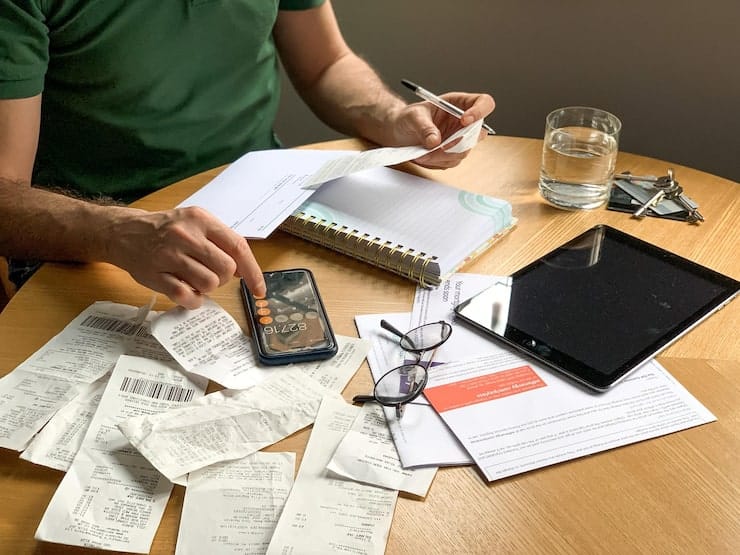

A new year naturally brings a sense of motivation and clarity. It is the time when many Canadians want to feel more confident about their finances—but often do not know where to start. A New Year budget is not about restriction or guilt. It is about awareness, control, and creating a plan that actually works for real life.
If last year felt financially messy, stressful, or unpredictable, this guide will walk you through a New Year budget reset that helps you review what happened, understand your spending patterns, and start fresh with confidence.
Why a New Year Budget Reset Matters
The weeks after the holidays are one of the most important moments for money management. December spending often hides problems that only become visible in January.
A proper New Year financial reset allows you to:
- Understand where your money actually went
- Spot habits that quietly drain your budget
- Set realistic budgeting goals for the New Year
- Build a plan that supports your lifestyle—not fights it
This is not about perfection. It is about clarity.
Step 1: Do a Simple Year-End Financial Review
Before you plan ahead, you need to look back. A year-end financial review does not need to be complicated or overwhelming.
Start by gathering:
- Bank statements
- Credit card summaries
- Subscription lists
- Cash spending notes (if any)
What to review first
Focus on the big picture:
- Total income for the year
- Total spending
- Major expense changes (rent, groceries, transportation, utilities)
This step sets the foundation for reviewing last year’s spending honestly and without judgment.
Step 2: Review Last Year’s Spending by Category
Once you have the data, break your spending into expense categories. This makes patterns much easier to see.
Common categories include:
- Housing
- Groceries
- Transportation
- Subscriptions
- Dining and takeout
- Entertainment
- Personal spending
- Savings and debt payments
What to look for
- Categories that grew unexpectedly
- Areas where spending fluctuated month to month
- Expenses you forgot you were paying for
This step helps you clearly review last year’s spending instead of guessing.
Step 3: Identify Spending Patterns (Without Guilt)
Spending patterns reveal behaviour—not failure. The goal is understanding, not blame.
Ask yourself:
- Which categories caused the most stress?
- Where did small purchases add up?
- What spending felt worth it—and what did not?
Common patterns many Canadians notice:
- Frequent small food purchases
- Subscriptions rarely used
- Seasonal spending spikes
- Inconsistent saving habits
Recognizing these patterns makes it easier to make meaningful changes in your New Year budget.
Step 4: Cancel Subscriptions You No Longer Need
Subscriptions are one of the easiest ways to cut unnecessary expenses quickly.
Take time to:
- Review all active subscriptions
- Cancel anything unused or forgotten
- Downgrade plans where possible
Even cancelling two or three services can free up monthly cash that supports your budgeting goals for the New Year.
Step 5: Use Post-Holiday Budget Tips to Reset Your Spending
January is the perfect time to simplify. Use these post-holiday budget tips to reset without pressure:
- Pause non-essential spending for two weeks
- Delay major purchases until February
- Focus on essentials and fixed bills
- Avoid emotional spending after holiday stress
This short reset period helps you regain control before setting long-term goals.
Step 6: Create a Realistic New Year Budget (That You Can Stick To)
A New Year budget should reflect your real life—not an ideal version of it.
Key principles to follow
- Base your budget on average monthly spending, not best-case scenarios
- Allow flexibility for social and personal expenses
- Include savings as a non-negotiable category
- Adjust categories instead of quitting when things change
This is where many people struggle. A create a realistic budget mindset keeps you consistent beyond January.
Using a budgeting app like Emoh Pay can help by automatically organizing expense categories, tracking spending trends, and showing progress without manual effort.
Step 7: Set Clear Budgeting Goals for the New Year
Goals give your budget purpose. Without them, tracking feels pointless.
Strong financial goals are:
- Specific
- Measurable
- Time-based
- Connected to your values
Examples:
- Save three months of emergency expenses
- Reduce dining spending by 15%
- Pay off a specific credit card
- Build a consistent savings habit
Break large goals into monthly targets to avoid burnout.
Step 8: Track Expenses Consistently (Without Overthinking)
Tracking does not mean obsessing. It means staying aware.
Ways to track expenses effectively:
- Review spending weekly instead of daily
- Focus on trends, not individual purchases
- Adjust categories when life changes
Modern expense tracking tools simplify this process. With Emoh Pay, you can see spending patterns clearly and make informed decisions without spreadsheets or guesswork.
Step 9: Use a New Year Financial Checklist
Before the month ends, complete this New Year financial checklist:
- Review last year’s spending
- Cancel unused subscriptions
- Set 3–5 financial goals
- Build or update your New Year budget
- Choose a system for money management
- Schedule weekly check-ins
Small actions completed early create momentum that lasts all year.
How Emoh Pay Supports Your New Year Budget Reset
A successful reset depends on clarity and consistency. Emoh Pay is designed to support both.
With Emoh Pay, you can:
- Automatically track expenses
- See spending patterns clearly
- Organize expense categories
- Monitor progress toward financial goals
- Simplify everyday money management
Instead of starting strong and fading by February, you build habits that last.
FAQs
What is a New Year budget?
A New Year budget is a financial plan created at the start of the year that reflects your real income, expenses, and goals.
How do I review last year’s spending easily?
Group your expenses into categories and review totals instead of individual transactions.
When should I start a New Year budget reset?
The best time is early January, but starting at any point in the year is still beneficial.
Do I need a budgeting app to manage my money?
A budgeting app simplifies expense tracking, shows spending patterns, and reduces manual work.
Is Emoh Pay good for New Year budgeting?
Yes. Emoh Pay helps Canadians track expenses, organize categories, and stay consistent with budgeting goals.