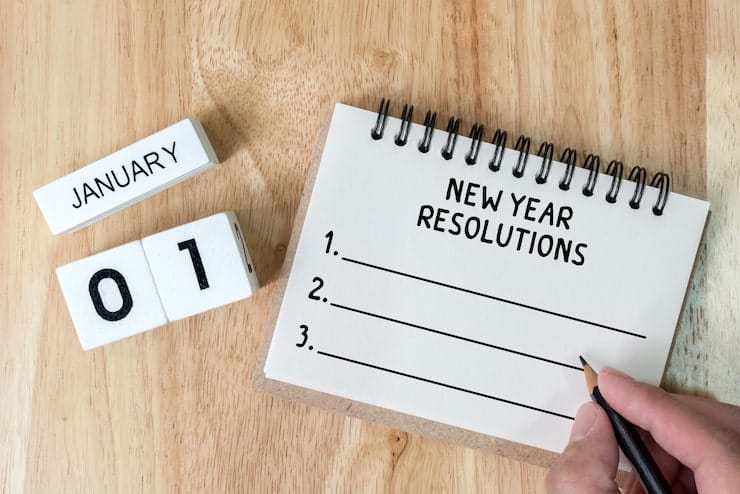
The start of a new year often brings fresh motivation to improve our finances. After the holidays, many Canadians feel the impact of extra spending, impulse purchases, and stretched budgets. That is exactly why No-Spend January 2026 has become a popular way to reset spending habits and regain financial control.
At its core, No-Spend January is about becoming more intentional with money. With the help of an expense tracker app like Emoh Pay, this challenge can move beyond a short-term trend and become the foundation of a healthier financial year.
This guide explains the rules, benefits, and common mistakes of the No-Spend January challenge—and how to make it work realistically in 2026.
What Is No-Spend January 2026?
No-Spend January is a one-month spending detox where you limit purchases to essentials only. The goal is not deprivation, but awareness. By pausing discretionary spending, you gain clarity around where your money usually goes and which expenses are truly necessary.
Many people use January as a personal finance reset after holiday spending. When paired with an expense tracker app, the challenge becomes measurable, practical, and far more effective.
Typical essentials include:
- Rent or mortgage
- Utilities
- Groceries
- Transportation
- Insurance
- Medical or childcare costs
Everything else—subscriptions, dining out, impulse purchases—is paused or carefully reviewed.
Why No-Spend January 2026 Matters More Than Ever
With rising living costs across Canada, controlling spending habits is no longer optional—it is essential. January is the perfect time to reflect on financial goals for 2026 and build systems that last beyond a single month.
A January budget reset allows you to:
- Recover from holiday overspending
- Identify weak budget categories
- Build a realistic monthly budget plan
- Establish stronger spending habits early in the year
Using an expense tracker app helps you track expenses daily and clearly see the impact of small decisions.
No-Spend January 2026: Simple Rules That Work
1. Define “Essential” Spending Clearly
Before January starts, decide what counts as essential. Vague rules lead to frustration and failure.
Examples of essentials:
- Basic groceries (not impulse snacks)
- Transportation to work
- Prescriptions and healthcare
Everything else falls under discretionary spending and should be paused.
2. Track Every Expense (No Exceptions)
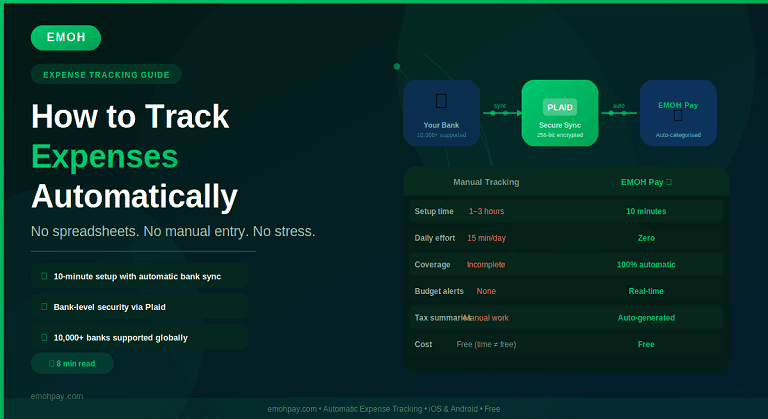
Tracking is the backbone of this challenge. A reliable expense tracker app ensures you do not underestimate spending.
With Emoh Pay, you can:
- Track expenses in real time
- Categorize spending automatically
- See daily and weekly summaries
This turns No-Spend January into a data-driven challenge, not a guessing game.
3. Perform a Subscription Audit
January is ideal for a full subscription audit.
Ask yourself:
- Do I still use this service?
- Is there a cheaper alternative?
- Can I cancel subscriptions temporarily?
Cancelling unused subscriptions alone can save hundreds over the year.
4. Plan for Temptation
A no-buy month works best when you plan ahead.
Helpful strategies:
- Meal planning to avoid takeout
- Packing lunches and snacks
- Unsubscribing from marketing emails
- Removing saved cards from shopping apps
These small changes reduce impulse purchases significantly.
The Real Benefits of No-Spend January
1. Improved Spending Habits
By tracking every dollar, you become more aware of patterns that usually go unnoticed. Many people discover they spend more on convenience than they realized.
An expense tracker highlights these patterns clearly.
2. Faster Progress Toward Financial Goals 2026
Money not spent can be redirected to:
- Emergency savings
- Debt repayment
- Long-term financial goals for 2026
Even one disciplined month can create momentum that lasts all year.
3. Less Financial Stress
Clarity reduces anxiety. Knowing exactly where your money goes gives you confidence and control, especially during uncertain economic times.
4. A Stronger Monthly Budget Plan
January data becomes the foundation of a realistic budget. With a budget tracker app, you can adjust categories based on real behaviour, not assumptions.
Common No-Spend January Mistakes to Avoid
1. Being Too Extreme
Trying to cut everything often leads to burnout. No-Spend January is about sustainability, not punishment.
2. Not Tracking Small Purchases
Small expenses add up quickly. Skipping them defeats the purpose of the challenge.
Using a spending tracker app ensures accuracy.
3. Ignoring Family or Household Needs
If you share expenses, communicate clearly. A challenge should support your life—not disrupt it.
4. Treating February as a Free-for-All
The goal is not to overspend once January ends. The real value comes from carrying lessons forward.
How Emoh Pay Makes No-Spend January Easier
Emoh Pay is designed to support challenges like No-Spend January naturally.
With Emoh Pay, you can:
- Track expenses daily with clarity
- Organize budget categories automatically
- Review spending habits with visual insights
- Build a realistic monthly budget plan
Instead of relying on memory or spreadsheets, Emoh Pay helps turn discipline into a system.
FAQs
What is No-Spend January?
No-Spend January is a month-long challenge where you limit spending to essentials only to reset finances and improve spending habits.
Is No-Spend January realistic for families?
Yes. With clear rules and a flexible approach, families can adapt the challenge without added stress.
How does an expense tracker app help with No-Spend January?
An expense tracker app helps track expenses accurately, categorize spending, and identify problem areas in real time.
Can No-Spend January help me save money?
Yes. Most people save money in January simply by cutting discretionary spending and cancelling unused subscriptions.
Why use Emoh Pay during No-Spend January?
Emoh Pay makes it easy to track expenses, review spending habits, and turn a short-term challenge into long-term financial progress.